


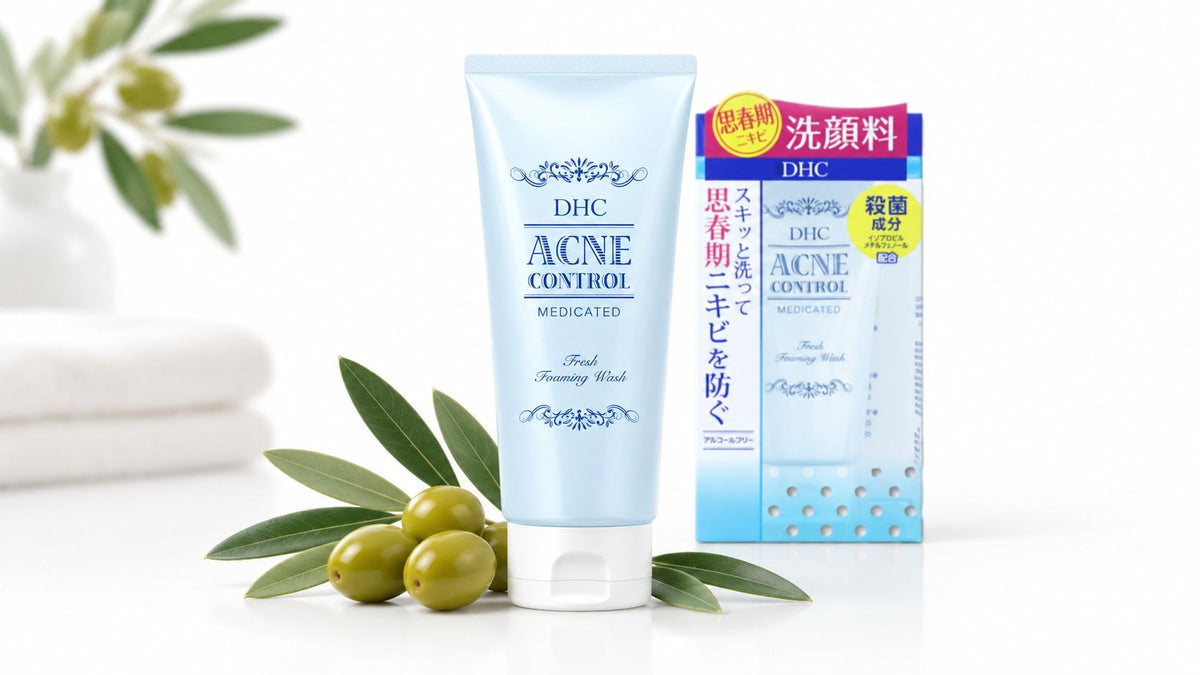
A shopper may hold a DHC cleansing oil in one hand and a DHC supplement in the other, then wonder which claims apply to each. The answer depends on the product category, not the brand name.
Judge each product by its intended use, ingredients, and claim level. Cosmetics are assessed as skincare, Japanese quasi-drug-style medicated lines have a distinct labeling category, and health foods require a different standard for evaluating claims. This guide checks each category against the right standard, so you can separate what the product is designed to do from what its marketing suggests, then decide whether it fits your needs.
How DHC Grew From Translation Services to Beauty Brand
What does a translation business have to do with skincare? DHC began in Japan in 1972 as Daigaku Honyaku Center, a translation-outsourcing business. Its cosmetics business followed in 1980, after the company developed an interest in olive oil, according to DHC's corporate history.

A later milestone was DHC's entry into the Taiwanese market in 1995, reflecting the company's expansion beyond Japan. Over time, it brought beauty care and health support under the same name, with cosmetics and health foods among its offerings.
Why the origin matters when shopping
Olive oil helped shape DHC's beauty identity, while the company's broader range grew to include products with different purposes and labeling categories. The brand name alone, then, is not enough to judge a particular item. Its history sits within the wider development of Japanese skincare, where product categories and labels help explain what a shopper is choosing.
Shopping principle: Brand history explains how DHC developed; the product label identifies the item and its category. Check that label before judging what the product is meant to do.
How DHC's Product Lines Fit Together
This table separates DHC products by category and shows how each category shapes the claims a shopper should expect. Read the packaging alongside the product type, since a cosmetic, a Japanese quasi-drug, and a health food do not make the same kind of promise.
DHC product categories and how to read their claims
| Category | What It Includes | How to Read Its Claims | Typical Product Type |
|---|---|---|---|
| Cosmetics and skincare | Cleansers, oils, lotions, sun and brightening products | Cosmetic benefits such as cleansing, moisture, and feel | Cleansing oils, foaming washes, lotions |
| Medicated and quasi-drug style lines | Products with specific functional claims defined under Japanese rules | Check the specific claim listed for the product | Medicated acne or brightening products; confirm on packaging |
| Health foods and supplements | Vitamins, minerals, and nutrient-based supplements | Nutritional support, not treatment for a condition | Vitamin capsules and multivitamins |
| Foods with Function Claims | Japanese labeled foods with a reported function | Read the reported function on the Japanese label | Coenzyme Q10 capsules |
The category changes how you read the promise
A cosmetic cleanser should be assessed by its intended role, directions, formulation, and how it feels in use. For a Japanese quasi-drug, check which specific functional claim appears on the packaging. A translated term such as “brightening” does not, by itself, establish the product's regulatory category.
DHC's expanding range makes these distinctions useful at the shelf. Its new or renewed launches rose from five cosmetics and four health-food products in 2024 to 25 cosmetics and 17 health-food products in 2025, with roughly twice as many launches planned for 2026, according to WWDJapan's coverage of DHC's portfolio expansion. A growing catalog means more individual labels to assess; the claim and intended use still belong to each product.
A concrete health-food example
DHC Coenzyme Q10 Direct shows how a food claim differs from a skincare claim. The official Japanese product listing specifies 110 mg of reduced coenzyme Q10, also called ubiquinol, per serving, and reports a function related to helping reduce temporary physical fatigue associated with everyday activity. That wording describes the product's reported function, rather than a medical treatment.
Names can also cause confusion within skincare itself. “Lotion,” “milk,” and “cream” refer to different formats, and the format alone does not explain where a product fits in a routine. This guide to lotion, milk, and cream in Japanese skincare helps clarify those roles.
Signature Products and How to Use Them
What does a product's name tell you about the job it does? DHC Deep Cleansing Oil is a useful example: it is a rinse-off cleanser, and its sales history shows how widely it has been adopted. Introduced in 1995, the series exceeded 120 million cumulative units sold by the end of December 2024, counting different package sizes and collaboration editions, according to DHC's product information. That total indicates broad uptake, not that the formula suits every skin type.
Two oils, different roles
DHC Olive Virgin Oil belongs to a different part of a skincare routine. DHC connects the product's significance to the start of its cosmetics business and presents it as an example of its approach to cosmetics for broad use in its official business overview.
The practical question is what the product is made to do. A cleanser is rinsed off; a moisturizing oil is used as a leave-on product. Check the directions and intended use rather than relying on the word “oil” in the name.
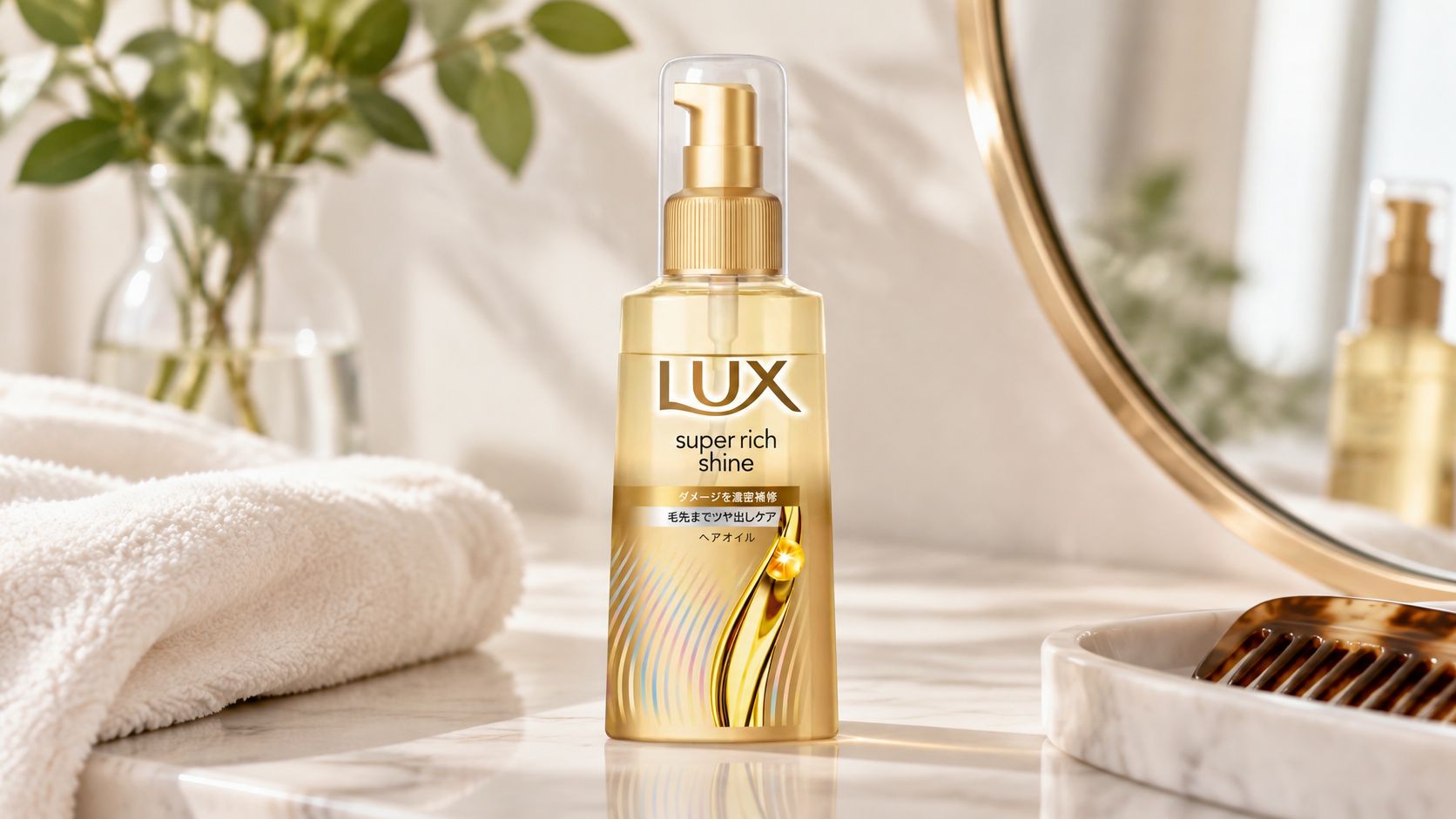
Product names can also cross into other categories. Lux Japan Super Rich Shine Damage Repair Hair Oil 70ml is listed as a hair-care product, not a DHC facial oil. Its name helps show why the category matters: a hair oil belongs in hair care, not in a facial cleansing routine.
The image below shows that hair-care item, not DHC packaging.
A practical oil-cleansing routine
Follow the directions on your current bottle if they differ from these general steps.
- Start dry. Use dry hands and a dry face to spread the cleanser before adding water.
- Apply a small amount. Follow the package's quantity guidance and distribute the oil over dry skin.
- Massage gently. Focus on makeup and sunscreen without vigorous rubbing.
- Add a little water. Work it over the skin until the oil turns milky.
- Rinse thoroughly. Use lukewarm water, checking around the hairline and jaw.
- Decide whether to cleanse again. With long-wear makeup or sunscreen, a suitable water-based cleanser may be appropriate if needed and consistent with the product directions.
- Test a new formula first. Use the ingredient checks described in the next section; a familiar product name does not guarantee an identical formula.
Reading newer editions
DHC's announcement covering newer skincare formats introduces a Boost Care cleansing oil positioned to prepare skin for subsequent skincare. It also covers formats beyond the familiar oil, including a serum-in-lotion, Bright Up UV Serum, Bright Up skincare powder, and an all-body Urdoid cream.
These examples show how a brand can sell products with different formats and intended uses under one name. They are not purchase recommendations. Before treating a newer product as a replacement, compare its exact name, ingredient list, packaging, and market-specific launch information. Judge the individual product by its role and directions, not by the brand name alone.
Key Ingredients in DHC Formulas and How to Check Them
When you pick up a DHC product, which details help you judge the formula beyond the brand name? Start with its ingredient list. Terms such as “natural” and “gentle” describe positioning, while the label names the substances in the product you will use.
DHC's published Deep Cleansing Oil ingredient list names eight ingredients. The table explains their general roles and points to label details that may matter if you have reacted to similar ingredients before. A role in the formula is not proof of a separate visible effect on skin.
Deep Cleansing Oil ingredients and what to check
| Ingredient | General Role in the Formula | What to Check |
|---|---|---|
| Olive fruit oil | Main oil and signature ingredient | Check whether olive oil suits your skin, especially if you have reacted to oil-based products. |
| Caprylic/capric triglyceride | Spreading and emollient component | If you avoid particular oil-derived ingredients, compare the full ingredient name with the label. |
| Sorbeth-30 tetraoleate | Emulsifier that helps oil mix with water during rinsing | If a product containing this emulsifier has caused a reaction before, check for it on the label. |
| Pentylene glycol | Humectant and solvent | If glycol-containing products have irritated your skin, look for pentylene glycol specifically. |
| Tocopherol | Vitamin E ingredient that helps protect oils from oxidation | Check whether you have reacted to tocopherol in previous products. |
| Stearyl glycyrrhetinate | Skin-conditioning ingredient associated with licorice | If licorice-derived ingredients have caused a reaction, note this ingredient on the label. |
| Rosemary leaf oil | Botanical component | If aromatic plant oils tend to irritate your skin, pay attention to rosemary leaf oil. |
| Phenoxyethanol | Preservative | If phenoxyethanol has caused a reaction before, check whether it appears in the current formula. |
Olive oil provenance isn't a clinical result
DHC describes its olive oil as sourced from organic groves in Baena, Spain. The brand says it uses Flor de Aceite, oil collected from the first crush before conventional pressing, then ultra-purifies it in Japan. Its brand story also discusses naturally occurring vitamin E and polyphenols. These details explain the ingredient's sourcing and the brand's story; they do not establish how a finished product will work for your skin.
Phenoxyethanol serves a preservation role. Seeing it on the label tells you what is in the formula, not whether the product is a good or bad fit. Your past reactions and the complete formulation are more useful guides than the ingredient name alone.
For a new product, follow the package precautions and try it on a small area before wider use. If stinging, redness, or itching develops, stop using it. Check the current label against ingredients you have reacted to before, since a familiar product name does not guarantee an unchanged formula. Cosmetic products are not a substitute for care for an ongoing skin condition. Treat DHC supplements as a separate decision, and consult a healthcare professional about allergies, medicines, or health concerns before choosing one.
For another ingredient-led way to assess moisturizers, this guide to Japanese ceramide skincare explains how to look at formulation rather than branding.
How DHC Compares With Other Japanese Brands
What matters more for your routine: the brand name, or the job a product is meant to do? DHC's cosmetics, medicated skincare lines, and health foods sit under one name, but their claims and evidence need to be considered separately. For a useful comparison, start with product identity, routine role, format, and claim level.
DHC's documented olive-oil identity gives shoppers a point of reference for its cosmetics. It does not tell you whether a particular product suits your skin or routine. Check the product's purpose and format, then assess its specific claims and formula.
Compare approaches rather than declaring a winner
The table compares product categories, not brand-wide quality. Texture and frequency can vary by formula, so use the packaging and directions to confirm how a specific product fits.
DHC beside alternative Japanese skincare approaches by goal
| Brand or Approach | Core Identity | Typical Focus and Format | Choose It When |
|---|---|---|---|
| DHC | Olive-oil cosmetics identity alongside health foods | Cleansing oils and moisturizing products; follow the product directions for frequency | You want to assess a cleansing-led product, while evaluating supplements separately |
| Broad multi-category brand | Skincare, makeup, or hair care across a range | Formats vary by product, from rinse-off to leave-on | You prefer to shop across categories under one brand and can compare each item on its own |
| Hydration-focused range | Products organized around adding moisture | Often lotions or other leave-on steps; texture depends on the formula | Your routine needs a moisture-focused product rather than another cleanser |
| Everyday cleansing range | Products intended to cleanse skin | Rinse-off formats, with use frequency set by the label | You need a regular cleanser and want to compare texture and rinsing feel |
| Moisture-first range | Products centered on moisturizing feel | Leave-on lotions or creams, used according to directions | You want to prioritize a moisturizing step and check its ingredients and tolerability |
Choose by the need you want to address
If your face feels tight after cleansing, buying a second cleanser may not address the discomfort. A leave-on lotion or cream serves a different routine purpose, so compare its feel, directions, and formula instead. For example, someone whose current cleanser works well but whose skin feels dry afterward may be better served by evaluating a moisture-first product than adding another wash.
A shopper who wears substantial makeup may have a different question: which cleansing format fits that removal need? Someone keeping a short routine may instead want to avoid overlapping products. In either case, compare items with similar jobs, and check the current label rather than assuming every product in a range has the same claims.
For readers considering moisture-focused options, this comparison of gentle Japanese skincare routines offers another way to assess products by routine role. There is no reliable brand-wide “best” verdict without defined criteria. Your intended use, preferred format, and response to the specific formula are more helpful guides.
Choose the Right DHC Product for Your Skin Type
| Skin Type or Need | What to Consider | Where to Start |
|---|---|---|
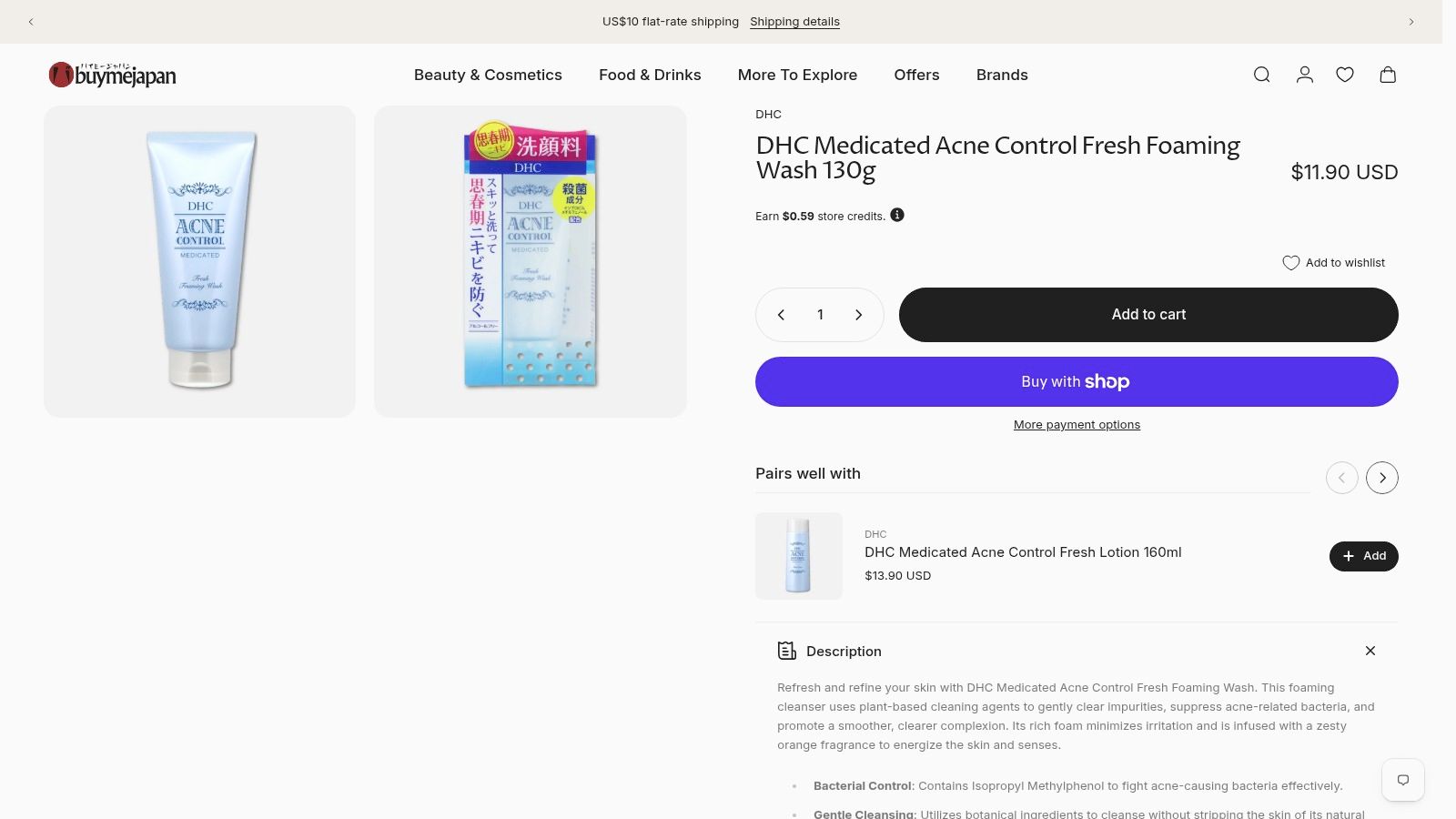
| Oily or breakout-prone skin | A foaming cleanser may match your preferred feel, but the format alone does not establish treatment benefits | Check the exact product name, size, and category before choosing a catalog-confirmed cleanser |
| Dry or tight-feeling skin | Notice how your skin feels after cleansing, and whether the product rinses away comfortably | Assess DHC Deep Cleansing Oil as a rinse-off cleanser, and check the label for its intended use |
| Heavy makeup or sunscreen | Match the cleansing format to what you need to remove | Consider an oil cleanser, followed by a suitable water-based cleanser if needed |
| Sensitive or reactive skin | Review the specific formula against your known sensitivities | Use the ingredient checks above, and seek professional advice for persistent concerns |
The listing image is a reference for identifying the product. It does not confirm current stock or regulatory status.
Match the formula to your routine
Oily skin does not automatically call for the strongest-feeling wash. If a cleanser leaves your face uncomfortable, that response is more useful than packaging language that appears to target your skin type.
A dry or tight feeling after washing is a reason to examine the full routine, rather than assume a richer cleanser will solve it. Check the product's directions and current ingredients, then judge whether its use fits your needs.
DHC sells cosmetics and products labeled as medicated, so the brand name alone cannot establish what a specific formula does. Start with the exact item and its category. Treat a stated benefit according to that label, not as a promise that applies across the range.
For a simple check, read the product name and directions, confirm whether it is intended for your concern, and compare its ingredient list with your known sensitivities. Follow the directions on your own package, since labels and formulations may vary.
Choose based on the specific product's category, directions, and how it feels in your routine. A skin-type label can help narrow the options, but it cannot predict your individual response.
Answers to Common DHC Questions
Is DHC Olive Virgin Oil enough for acne-prone skin?
Olive Virgin Oil is a cosmetic oil used for moisturizing. Its role in a routine depends on how your skin responds, so it should not be treated as a remedy for breakouts. If acne persists, consult a dermatologist rather than relying on a brand-wide recommendation.
Which DHC whitening products are cosmetics or quasi-drugs?
Read the category on the exact package. In Japan, quasi-drugs can make specific functional claims under the country's rules. Cosmetic brightening language describes appearance, so the translated word “whitening” does not identify a product's category by itself.
Can DHC supplements replace dietary treatment?
No. Supplements may provide nutritional support, but they do not replace professional dietary or medical care. Choosing one also calls for a different assessment than choosing skincare. If you are managing a health concern or taking medicines, speak with a healthcare professional.
Is Boost Care cleansing oil a replacement for Deep Cleansing Oil?
Check current official information, ingredient lists, and market-specific labeling before deciding. Until those details clarify the relationship, assess Boost Care as its own product. It may be an additional option, a reformulation, or a replacement.
Is DHC suitable for sensitive skin?
Use the product's package category and ingredient list to make that call. Check for fragrance or preservatives you already know you react to, and treat “gentle” as a description, not a promise. DHC sells products across different categories, so suitability depends on the exact formula and your own sensitivities.
Before buying, ask: what category is printed on this package, and does its ingredient list include anything I know I react to?
Buying DHC Safely on Buy Me Japan
Which DHC item will arrive, and does it match the one you meant to buy? Product names, sizes, variants, and packaging details help distinguish one edition from another. A familiar bottle alone is not enough to identify a formula.
Check the details before and after ordering
- Match the listing. Confirm the full product name, size, and variant before ordering.
- Compare the package. When it arrives, check it against the listing images and ask about differences you cannot explain.
- Read the label. Review ingredients, usage precautions, and any expiry or date information printed on the package.
- Check the edition. Assess the version shown in the listing; conclusions about another formula may not apply.
- Clarify uncertainties. Contact customer service about listing, label, or order details before making assumptions.
Browse the Japanese products catalog, then review the current information on the individual listing. If budget is part of your decision, this guide to budget-conscious Japanese skincare shopping can help you compare options, while live listings are the place to check current prices.
Keep the final decision product-specific
Review shipping terms, payment options, tracking arrangements, and offers at checkout, since conditions may change. Older articles and saved screenshots cannot confirm current availability or delivery timing.
The practical check is simple: identify the category, read the ingredient list, and confirm the variant. DHC sells cosmetics, medicated lines, and health foods under one name, but each product's label and claims need their own review.
Visit Buy Me Japan to browse Japanese skincare and review current DHC listings against the product details that matter to your routine.


Share:
Tsubaki Hair Care: What It Is and How to Choose