


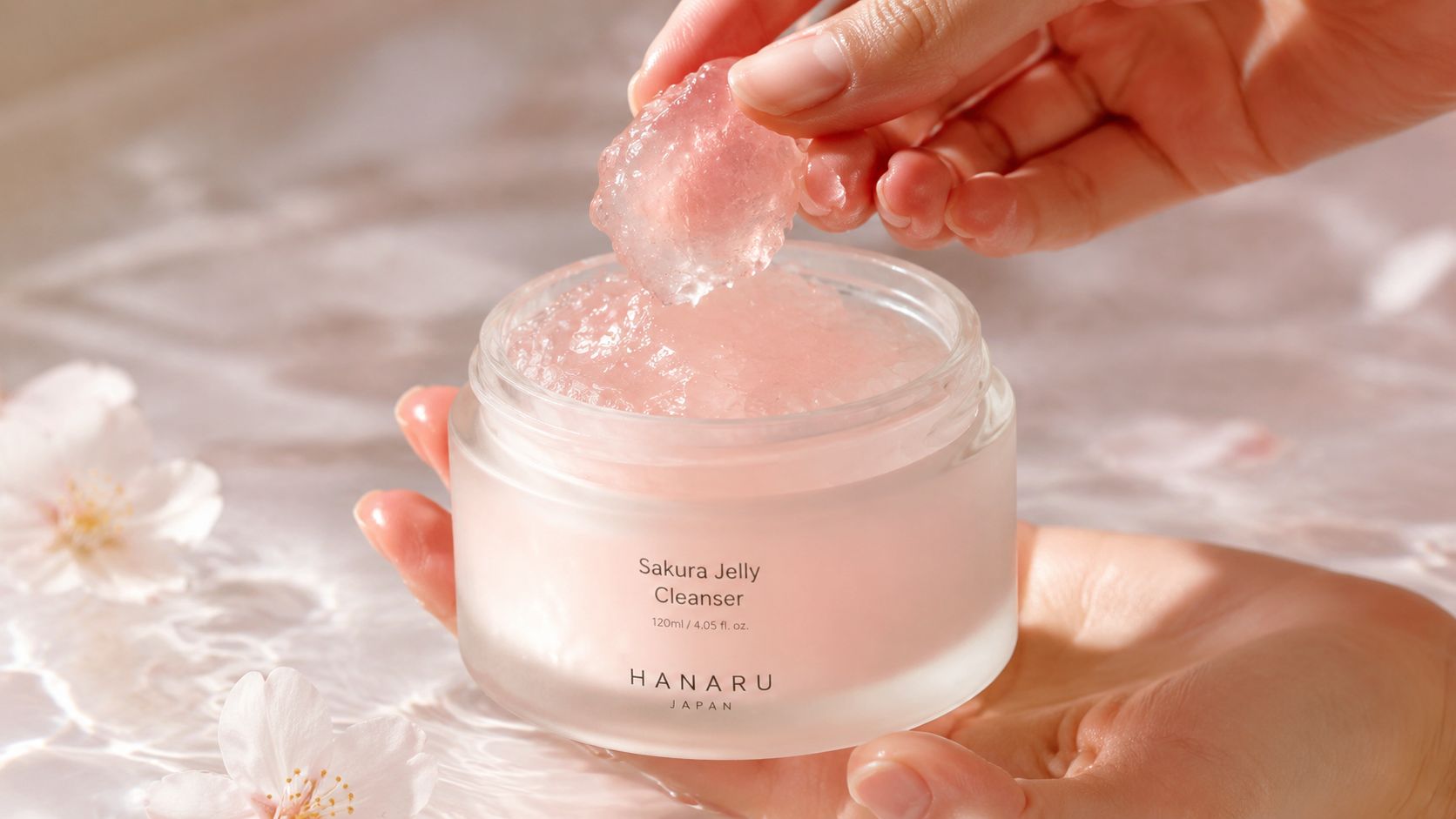
You've probably stood in front of a bathroom shelf, looked at a translucent jar or tube, and wondered whether a jelly face wash is a cleanser or just a texture trend. That confusion makes sense. The category looks playful, but the best formulas are built for a very practical job, daily cleansing that feels softer on skin than a typical foaming wash, with enough structure to rinse clean.
In Japanese skincare, that balance matters. Japanese shoppers often gravitate toward products that feel gentle enough for everyday use, especially when cleansing is part of a morning and evening routine rather than an occasional deep-clean step. A jelly face wash sits right in that middle ground, and once you understand the texture, ingredients, and routine logic behind it, the label stops looking gimmicky and starts making sense.
What a Jelly Face Wash Actually Is
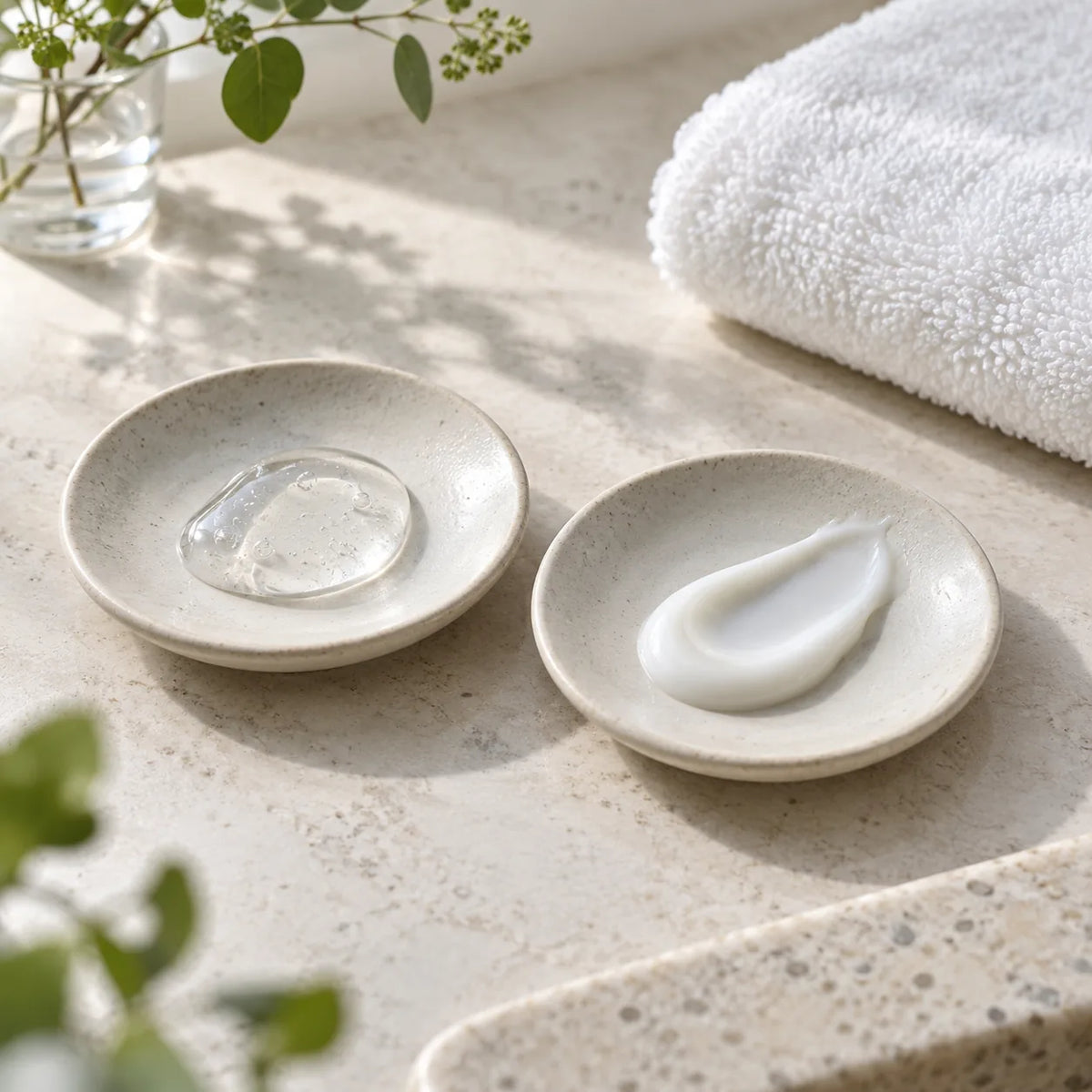
The easiest way to recognize a jelly face wash is by what it does in your hand before it ever touches your skin. It usually has a bouncy, gel-like feel, holds its shape for a moment in the palm, then loosens into a milk or soft foam when you add water and massage it in. That sensory shift is the point, it gives you glide and cushion first, then rinseability second.

Texture is the identity, not a strict formula class
“Jelly” is really a sensory descriptor, not a tightly regulated category. That's why two products can both use the same word while feeling very different on skin, one may be closer to a slim gel cleanser, another may behave more like a soft cleansing gel with extra humectants. The common thread is a texture that feels cushioned rather than watery.
A lot of these formulas overlap with gel cleansers, but they usually lean softer and more hydrating in presentation. Market data helps explain why that overlap matters, because gel-based cleansers held 39.45% of global share in 2024 in Mordor Intelligence's analysis, while the broader face-wash market reached USD 29.7 billion in 2025 and is projected to reach USD 41.3 billion by 2034 with a 3.7% CAGR from 2026 to 2034, according to IMARC. A narrower jelly-cleanser report estimates USD 1.2 billion in 2025 rising to USD 2.2 billion by 2034 at 7.8% CAGR (IMARC face wash market).
Practical rule: if the texture looks cushioned, the product spreads without much drag, and the rinse feels soft rather than squeaky, you're probably dealing with a jelly-style cleanser.
For shoppers comparing formats, the simplest clue is this, jelly face wash is usually sold as a gentler daily cleanse with a more tactile, “fun-to-use” feel than a standard gel. If you want a broader Japanese cleansing context, a good starting point is Japanese soap bar basics.
The Texture Behind the Jelly
The jelly feel usually comes from polymer thickeners building a soft gel network, not from any special cleansing chemistry. In one representative formula, the base is mostly 64.15% water, with 4.0% glycerin, 6.0% acetamidoethoxyethanol, 0.75% hydroxypropyl starch phosphate, 2.8% carrageenan, 20.0% decyl glucoside, 1.2% sodium chloride, and 1.0% phenoxyethanol/ethylhexylglycerin for preservation (representative jelly cleanser formula.pdf)).
Why that architecture feels different
The gel network gives the product body, while the surfactant phase stays relatively mild. That matters because the cleanser can feel substantial in your hand without relying on a harsh, high-foam system to do the work. The salt, in this kind of formula, is part of the viscosity tuning, so tiny changes can make the product firmer, looser, or more stable.
That structure is what creates the tactile “jelly” experience shoppers notice first. It's also why the product can feel more cushiony than a traditional foaming wash, because the cleanser isn't depending on aggressive lather to signal that it's working. Instead, the texture is doing part of the sensory communication.
A useful way to read an ingredient list is to look for water first, then a humectant such as glycerin, then a mild surfactant like decyl glucoside, plus one or more gelling agents such as carrageenan, xanthan gum, or carbomer. When those pieces show up together, you're usually looking at a formula designed for slip, rinseability, and a gentler wash experience.
For a simpler primer on why glycerin shows up in skincare formulas, why glycerin is in your lotion gives a clear ingredient-function explanation.
Key Ingredients and Real Skin Benefits
The ingredients that matter most in a jelly face wash usually fall into three groups, humectants, soothing agents, and mild surfactants. That's the useful lens, because the texture alone doesn't tell you how your skin will feel after rinsing.
What each ingredient group is doing
Humectants like glycerin, sodium hyaluronate, and betaine help hold water at the skin surface during cleansing. Soothing or comfort-supporting ingredients such as panthenol, allantoin, and gluconolactone are often added to make the wash feel calmer on contact and after rinsing. Mild cleansers such as decyl glucoside, cocamidopropyl betaine, and sodium cocoamphoacetate do the actual cleaning while generally staying gentler than harsher high-foaming systems (peer-reviewed cleanser ingredient analysis).
Good formulation logic: humectants help reduce the tight, stripped feeling, but they don't replace cleansing power. A formula still needs enough surfactant to lift sebum, makeup residue, and daily buildup.
That balance is why jelly cleansers can suit people who want makeup-removal cleansing without the post-wash tightness that often comes with stronger foam cleansers. It also explains why the category gets associated with dry, sensitive, or barrier-impaired skin. The ingredient architecture supports a lower-irritation feel, but only if the cleanser is balanced properly.
A poor formula can go wrong in both directions. Too little surfactant leaves residue behind, especially if you wear sunscreen or makeup. Too much surfactant, or a formula pushed toward high foam, starts losing the gentle positioning that makes jelly cleansers appealing in the first place.
For shoppers who need a calmer routine, face cleanser for sensitive skin is a useful related guide. The basic formulation lesson is simple, hydration support is built into the formula, but cleansing strength still has to be earned.
How Jelly Cleansers Compare to Gel, Foam, Cream, and Oil
Jelly face wash makes the most sense when you place it beside the formats people already know. It's not trying to replace every cleanser. It's a middle-ground texture with a specific job, and that job changes depending on your routine.
Cleanser Formats at a Glance
| Format | Texture Feel | Surfactant Strength | Best For | Routine Role |
|---|---|---|---|---|
| Jelly | Bouncy, cushioned, soft-rinsing | Mild to moderate | Daily cleansing, gentle makeup residue removal | Morning cleanse or second cleanse |
| Gel | Clear, light, often slick | Mild to stronger | Oily skin, fast rinse feel | Stand-alone cleanse |
| Foam | Airy, rich lather, deep-clean feel | Often stronger | People who like a stripped-clean finish | Stand-alone cleanse |
| Cream | Rich, emollient, lotion-like | Usually mild | Dry skin, low-rinse comfort | Stand-alone cleanse |
| Oil | Slippery, lipid-based | Not a classic surfactant wash | Sunscreen and makeup removal | First cleanse |
Where jelly sits in the middle
Compared with gel and foam cleansers, jelly formulas usually feel more hydrating and cushioning. Compared with cream cleansers, they feel lighter and easier to rinse. Compared with oil cleansers, they're not the same tool at all, because an oil cleanser is designed for the first step of breaking down sunscreen, makeup, and sebum on the skin surface.
That's why jelly cleansers often work best as a morning stand-alone cleanse or as the second cleanse at night. If you're comparing acne-oriented formulas, it helps to separate texture from treatment, because a jelly cleanser with salicylic acid behaves very differently from a plain soothing jelly wash. A useful related read is best salicylic acid wash for teens, which shows how active-led washes change the cleansing job.
If you want to see how double-cleansing fits into a broader routine, the DHC deep cleansing oil reviews page is a practical companion. Jelly cleansers can be excellent second steps, but they're not a substitute for an oil cleanser when you're removing heavier layers.
How to Use a Jelly Face Wash in Your Routine
The most common mistake is treating a jelly face wash like a vigorous foam cleanser. It doesn't need that kind of scrubbing to work, and too much friction can defeat the point of choosing it.

Morning use
Start with damp skin and a small amount of product. Warm it between your fingers, then massage it gently in circles for about thirty to sixty seconds before rinsing or wiping away, depending on the formula. If your skin tends to feel dry after cleansing, follow with a hydrating toner and keep the rest of the routine light.
The visual cue to watch for is the gel-to-milk or gel-to-soft-foam change. That shift tells you the surfactants are activating and the product is becoming easier to spread and rinse. A helpful general guide to layering a light routine is morning skincare routine steps.
Evening use
At night, use an oil cleanser first if you've worn sunscreen or makeup. Then apply the jelly cleanser as the second step so it can remove what the oil leaves behind without having to do all the heavy lifting itself. If you want a practical double-cleanse reference, Skinsation Aesthetics double cleanse tips is a useful routine explainer.
Don't chase a squeaky finish. If your skin feels tight, you've likely over-massaged, used too much product, or chosen a formula that's stronger than your skin needs.
A simple routine looks like this:
- Morning, cleanse lightly. Use a small amount on damp skin and rinse gently.
- Night, remove first. Use an oil cleanser for sunscreen or makeup, then jelly cleanse.
- Finish with hydration. Apply toner, serum, and moisturizer based on how your skin feels.
Choosing a Quality Jelly Face Wash and What to Buy from Japan
A good jelly cleanser is usually easy to spot once you know what to look for. The label should signal humectants high on the list, a low-to-moderate surfactant load, and preferably fragrance-free or lightly fragranced if your skin reacts easily. Minimal essential oils matter too when irritation is a concern.
Label cues that matter
Look for formulas that name the cleansing agents clearly, rather than hiding behind vague “gentle cleansing” language. If a product highlights glycerin, hyaluronic acid, or other hydration-supporting ingredients early in the list, that's a stronger sign of a comfortable rinse. If the cleanser is marketed for sensitive skin, fragrance-free positioning is a concrete plus, not just a nice-sounding claim.
Buying tip: a jelly cleanser that sounds soothing but doesn't list enough cleansing agents may leave residue. A formula that over-emphasizes foam can drift away from the jelly category entirely.
Japanese brands are a logical place to shop for this category because many formulas are built around daily-use gentleness and barrier comfort. Shoppers often look at families such as Hada Labo, Senka, Kose Sekkisei, Meishoku, Cezanne, Canmake, Chifure, Naturie, and Minon when they want a softer cleanser in a Japanese routine. A helpful product-level example is Senka Perfect Whip, which shows how Japanese cleansing products often sit in a broader daily-care culture.
Buying from Japan matters because authenticity and formulation details are easier to verify when you source directly from the market where the product is made. Buy Me Japan curates Japanese skincare items and ships them directly from Japan, which gives international shoppers a straightforward way to find formulas that can be hard to source reliably elsewhere. If you're comparing options, that direct-from-Japan route helps reduce guesswork around product origin and version differences.
Where Jelly Face Wash Fits in a Full Japanese Skincare Routine
A jelly cleanser makes the most sense when it's treated as one step in a larger routine, not as a standalone miracle product. In a Japanese-influenced sequence, the cleanser sits before the hydrating layers, so the rest of the routine can land on skin that feels clean but not stripped.
A simple routine stack
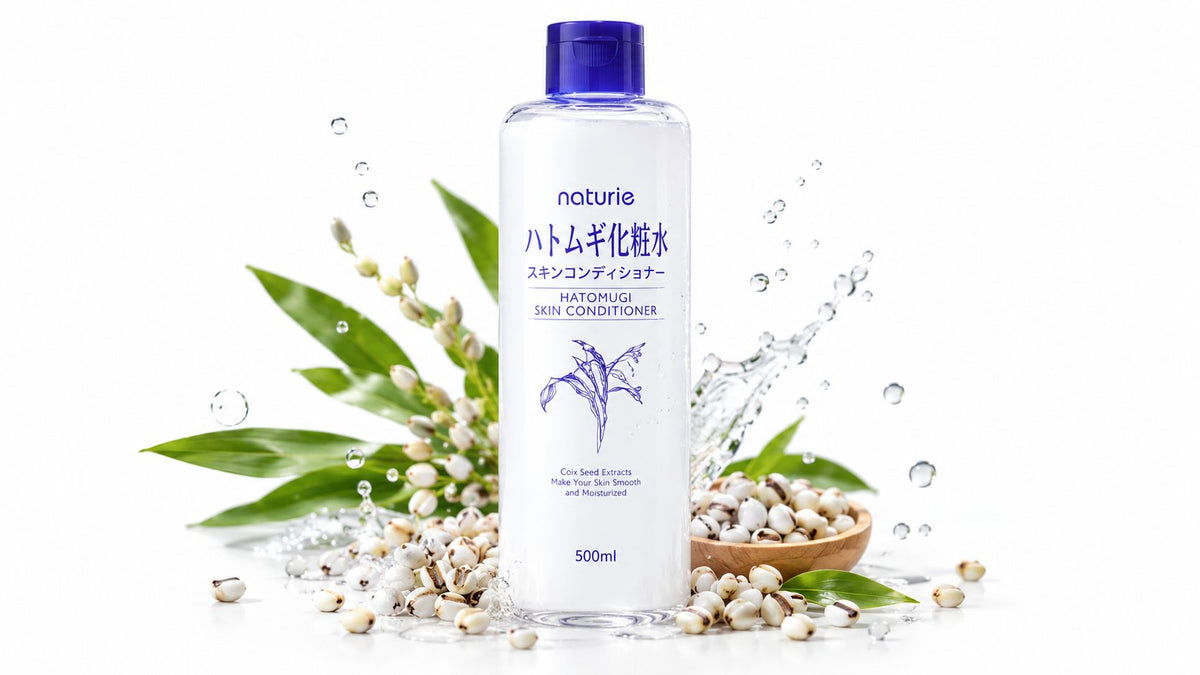
The structure is usually straightforward, oil cleanse first if needed, then jelly cleanse, then a hydrating toner like Hada Labo or Naturie, followed by an optional essence or serum, moisturizer, and sunscreen in the morning. That order keeps cleansing efficient while leaving enough comfort in the skin for the steps that follow.
This is also where seasonality matters. People often reach for lighter jelly cleansers and lighter moisturizers in humid weather, then move toward richer creams when the air gets dry. The jelly second cleanse can stay relatively constant because its job is less about weather and more about keeping the barrier calm after removal of sunscreen, sweat, and daily buildup.
The practical advantage is that a gentle second cleanse protects the skin surface so hydration steps can do their job without competing with residue or irritation. That's why jelly face wash fits so naturally into Japanese routines, it supports cleanliness without making the rest of the stack work harder than it should.
For shoppers who want to build a full routine from one source, Buy Me Japan's Japanese skincare range makes that easier to do without mixing unknown product origins. The cleanser is only one part of the system, but it sets the tone for everything after it.
Common Questions and Quick Answers About Jelly Face Wash
Does jelly face wash remove sunscreen and makeup on its own? Usually only light layers. If you wear water-resistant SPF or full makeup, pair it with an oil cleanser first, then use the jelly wash as the second step.
Is it good for acne-prone skin? Sometimes, but the formula matters more than the texture. A jelly cleanser with mild surfactants and targeted actives may suit breakout-prone skin better than a rich cream wash, while a formula that's too soft may not clean enough.
Should oily skin use it? Yes, especially as a second cleanse. Oily skin often benefits from a cleanser that removes residue without adding more tightness after washing.
Can it replace an oil cleanser? No. It can complement one, but it usually can't do the same first-step job on heavy sunscreen, makeup, or long-wear residue.
If you want to compare Japanese jelly and gel cleansers without guessing about authenticity, Buy Me Japan stocks multiple options and ships directly from Japan. That makes it a practical starting point when you want to test the texture category for yourself.
If you're ready to compare Japanese jelly face wash formulas, ingredients, and routine fits in one place, visit Buy Me Japan and browse the Japanese skincare range. You'll find curated products shipped directly from Japan, which makes it easier to choose a cleanser that matches your skin and your routine.
Share:
Japanese Herbal Tea Guide: Varieties, Brewing, and Buying
Charcoal Mask Benefits: Japanese Skincare Science