


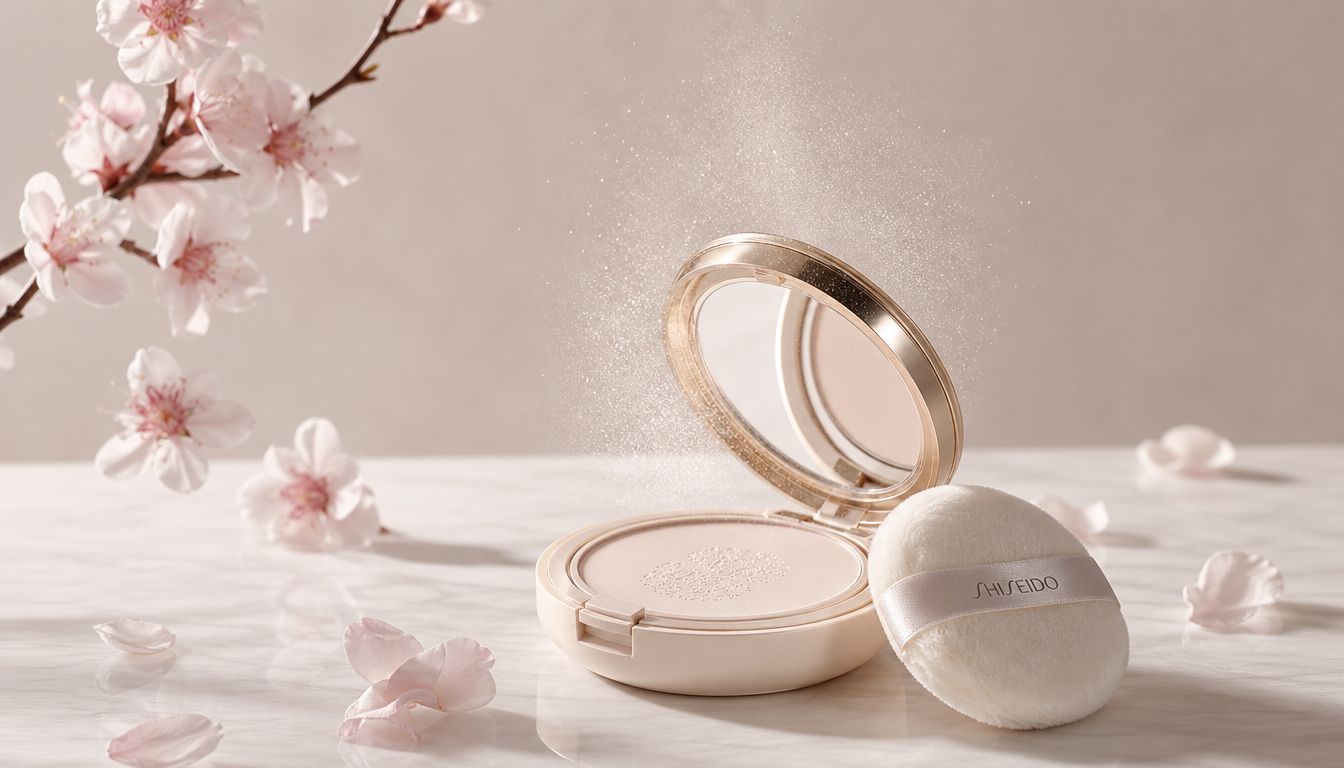
Sie sind wahrscheinlich hier, weil Sie dieselbe frustrierende Erfahrung gemacht haben wie viele Make-up-Liebhaber. Sie tragen Puder auf, um Glanz zu kontrollieren, und eine Stunde später sieht Ihre Haut flacher, trockener oder strukturierter aus als zuvor. Feine Linien wirken schärfer. Die Mitte des Gesichts wird fleckig. Das Finish, das morgens noch gepflegt wirkte, sieht mittags schwer aus.
Genau deshalb hat japanischer Gesichtspuder so viele treue Anhänger. In Japan wird Puder nicht als letzter staubiger Schritt betrachtet, der ausschließlich alles mattiert. Er ist oft darauf ausgelegt, das Hautbild zu verfeinern, sichtbare Texturen zu mildern und den Teint frisch aussehen zu lassen, ohne diesen offensichtlichen gepuderten Look. Für internationale Käufer mag dieser Unterschied auf dem Papier klein erscheinen, in der Praxis ist er jedoch deutlich spürbar.
Wenn Sie japanische Schönheit bereits schätzen, haben Sie sicher bemerkt, wie viel Wert auf Textur, Finish und Komfort gelegt wird. Wenn Sie neu darin sind, hilft Ihnen dieser Leitfaden zu verstehen, was japanischen Gesichtspuder besonders macht, wie Sie den richtigen Typ wählen und ihn richtig anwenden.
Die Suche nach dem perfekten Puder-Finish
Eine typische Make-up-Routine sieht so aus: Sie beenden Ihre Hautpflege, tragen Sonnenschutz auf, vielleicht Foundation oder Concealer, und greifen dann zum Puder, weil alles an seinem Platz bleiben soll. Das Problem beginnt, wenn der Puder zu viel macht. Statt die Haut zu glätten, haftet er an trockenen Stellen, setzt sich um die Nase ab und lässt den Teint zu matt wirken.
Diese Diskrepanz zwischen dem, was die Menschen wollen, und dem, was viele Puder bieten, ist ein Grund, warum japanische Puder hervorstechen. In Japan zielt ein Gesichtspuder oft auf ein natürlicheres Ergebnis ab. Das Finish wirkt meist glatter, leichter und hautähnlicher. Sie erhalten weiterhin Unterstützung gegen Glanz und für die Haltbarkeit, aber das Gesicht muss dabei nicht seine ganze Weichheit verlieren.
Das ist kein Nischentrend. Laut ReportLinker-Daten zum japanischen Markt für Hautpflege- und Make-up-Puder stieg die Pro-Kopf-Marktgröße in Japan von 4,78 $ auf 6,68 $ von 2013 bis 2023, was einem ungefähr 39,7 % kumulativen Wachstum über das Jahrzehnt entspricht. Dieser stetige Anstieg zeigt, wie Puder weiterhin ein fester Bestandteil der täglichen Schönheitsroutinen in Japan ist.
Warum das für den Alltag mit Make-up wichtig ist
Viele Leser wollen keine stärkere Deckkraft. Sie wünschen sich ein natürlicheres Finish.
Genau hier macht japanischer Puder oft Sinn. Er kann das Produkt sein, das Sonnenschutz weniger klebrig wirken lässt, das Make-up länger haltbar macht oder die nackte Haut gepflegter aussehen lässt, ohne überarbeitet zu wirken.
Praktische Regel: Wenn Ihr Puder Ihre Haut älter, trockener oder auffälliger aussehen lässt, liegt das Problem oft nicht am Puder selbst. Es liegt an der Formel und dem Finish.
Puder wirkt am besten, wenn er zur Routine passt
Japanische Schönheitsgewohnheiten betrachten Make-up und Hautpflege oft als Partner, nicht als Gegensätze. Puder ist Teil dieses Gleichgewichts. Es soll die Haut perfektionieren, nicht bestrafen. Wenn Sie eine Routine suchen, die diesen sanfteren Ansatz unterstützt, bietet dieser Leitfaden zur japanischen morgendlichen Hautpflegeroutine hilfreichen Kontext, noch bevor das Make-up beginnt.
Was japanisches Gesichtspuder anders macht
Japanisches Gesichtspuder ist eng mit dem Schönheitsideal hada verbunden, das sich auf Haut bezieht, die glatt, ebenmäßig und gesund aussieht. Das Ziel ist meist nicht, das Gesicht mit einer dicken Produktschicht zu verdecken, sondern die Haut ruhiger, weicher und verfeinerter erscheinen zu lassen.
Das schafft ein spürbar anderes Erlebnis als Puder, die hauptsächlich auf starke Ölkontrolle oder ein komplett mattes Finish ausgelegt sind. Viele internationale Käufer gehen davon aus, dass Puder austrocknend ist, weil sie das bisher so erlebt haben. Japanische Formeln stellen diese Annahme oft infrage.
Das Finish soll wie Haut aussehen
Ein gutes japanisches Puder verleiht oft das, was viele als Soft-Focus-Finish beschreiben. Es schreit nicht „matt“. Es sieht auch nicht nass oder fettig aus. Stattdessen liegt es in diesem nützlichen Mittelbereich, in dem der Glanz kontrolliert wird, das Gesicht aber lebendig wirkt.
Deshalb sind Produkte von Marken wie Canmake, Cezanne, Kirei & Co. und Meishoku so interessant zum Vergleich. Jede Marke kann das Finish anders angehen, aber viele japanische Puder verfolgen dasselbe übergeordnete Ziel: Klarheit und Komfort bewahren und dabei den Teint gepflegt aussehen lassen.
Hydratation ist Teil des Designs
Ein Detail, das westliche Berichterstattung oft übersieht, ist die Hydratation. Wie in einer Diskussion über japanische Puderformeln, die auf ein cakeless Finish abzielen, erwähnt wird, konzentrieren sich viele Bewertungen nur auf die Ölkontrolle, während japanische Puder von Marken wie Canmake und Cezanne mit Inhaltsstoffen wie Hyaluronsäure und Seidenproteinen entwickelt wurden, um die Hautfeuchtigkeit zu erhalten und gleichzeitig einen Soft-Focus-Effekt zu erzeugen.
Das ist für mehr Menschen wichtig, als man denkt.
Puder ist nicht nur für sehr ölige Haut. Ein gut gemachtes Puder kann auch Mischhaut, reiferer oder sogar trockenerer Haut helfen, glatter auszusehen, wenn die Formel genug Gleitfähigkeit und Feuchtigkeitsunterstützung bietet.
Ein Puder kann trocken aussehen, ohne tatsächlich das Öl gut zu kontrollieren, und es kann den Glanz kontrollieren, ohne die Haut trocken wirken zu lassen. Japanische Formeln zielen oft auf das zweite Ergebnis ab.
Warum internationale Käufer den Unterschied bemerken
Wenn Sie außerhalb Japans einkaufen, ist der einfachste Weg, die Kategorie zu verstehen, die Absicht zu vergleichen.
- Viele traditionelle Puder außerhalb Japans setzen auf schnelles und starkes Mattieren
- Viele japanische Puder konzentrieren sich darauf, die Textur zu verfeinern, den Glanz zu mildern und den Komfort zu bewahren
- Hautgefühl ist oft eine wichtige Priorität, damit das Puder nicht nur beim ersten Auftragen gut aussieht
- Finish-Vielfalt ist breiter als viele Käufer erwarten, von luftigen transluzenten Pudern bis zu weich verschwommenen Kompakten
Für einen umfassenderen Überblick über die Stile und Formeln, die diese Kategorie prägen, ist dieser Leitfaden zu Was man in Japan bei Kosmetik kaufen sollte eine nützliche nächste Lektüre.
Ein Leitfaden zu japanischen Puderarten und Finishes
Nicht alle japanischen Gesichtspuder wirken gleich. Einige sind für die Anwendung zu Hause mit einem Schwämmchen und Spiegel gemacht. Andere sind für schnelle Nachbesserungen in einem Kompakt konzipiert. Manche verschwinden in der Haut. Wieder andere hellen den Teint leicht auf oder helfen, überschüssigen Talg im Laufe des Tages zu kontrollieren.
Der einfachste Weg, gut einzukaufen, ist, zuerst an zwei Dinge zu denken: Format und Finish.
Locker Puder und Pressepuder
Locker Puder fühlt sich meist leichter und flexibler an. Es ist oft eine gute Wahl, wenn Sie Make-up zu Hause fixieren und ein feines, diffuses Finish wünschen. Es lässt sich auch leichter mit einem fluffigen Pinsel auftragen, wenn Sie eine sehr dünne Schicht bevorzugen.
Pressepuder ist praktischer. Es reist gut, fühlt sich weniger unordentlich an und ist oft die bessere Wahl für Nachbesserungen unterwegs. Viele, die Sonnenschutz tragen und Make-up tagsüber nachlegen, bevorzugen Pressepuder, weil es sich leichter um Nase, Kinn und Stirn kontrollieren lässt.
Gängige Finish-Typen, die Sie sehen werden
Einige japanische Puder sind auf der Haut fast unsichtbar. Andere sind dafür gemacht, subtil aufzuhellen. Manche konzentrieren sich auf Öl-Kontrolle, während andere ein eleganteres, verschwommenes Finish mit weniger auffälliger Mattierung bieten.
Hier sind die Hauptfinish-Typen, denen Käufer häufig begegnen:
- Transluzentes Finish hilft, Make-up zu fixieren, ohne die Grundfarbe stark zu verändern
- Weiches Blur-Finish glättet das Erscheinungsbild von Poren und Hautstruktur
- Sebum-kontrollierendes Finish eignet sich für schnell glänzende Haut, besonders in der T-Zone
- Aufhellendes Finish verleiht ein frischeres, klareres Aussehen ohne sichtbaren Glanz
- UV-Puder-Finish verbindet leichte Teintverfeinerung mit Tageskomfort
Japanischer Gesichtspuder-Vergleich
| Puderart | Hauptverwendung | Am besten für | Beispiel von Buy Me Japan |
|---|---|---|---|
| Locker Puder | Make-up zu Hause mit einem leichten Schleier fixieren | Für Menschen, die ein luftiges, diffuses Finish wünschen | Meishoku Moist Labo Loose Powder SPF30 PA++ |
| Pressepuder | Tragbare Nachbesserungen den ganzen Tag über | Für geschäftige Routinen, Reisen, Handtaschen-Nutzung | Canmake Marshmallow Finish Powder |
| Aufhellendes Puder | Erfrischung von stumpf aussehender Haut | Für alle, die einen klareren, wacher aussehenden Teint wünschen | Kirei & co. Tone Up Face Powder |
| Feuchtigkeitsspendendes Blur-Puder | Glättende Textur ohne trockenen Look | Für Mischhaut, normale oder reife Haut | Cezanne UV Clear Face Powder |
| UV-Nachbesserungspuder | Die Haut während des Tages tragen polieren | Für Menschen, die sonnenfreundliche Make-up-Nachbesserungen wünschen | Transino Medicated UV Puder EX |
Auswahl nach Routine, nicht nach Hype
Viele Verwirrungen entstehen dadurch, dass Puder nur nach Beliebtheit gekauft werden. Ein viraler Kompaktpuder mag schön sein, passt aber vielleicht nicht zu Ihrem Klima, Ihrer Hautpflege oder Ihren Make-up-Gewohnheiten.
Wenn Sie jeden Tag Foundation tragen und ein verfeinertes Set wünschen, könnte loser Puder besser zu Ihnen passen. Wenn Sie hauptsächlich Sonnenschutz und Concealer verwenden, ist ein gepresstes Kompaktpuder praktischer. Wenn Ihre Haut dehydriert, aber dennoch glänzend ist, macht eine auf Weichzeichnung fokussierte Formel oft mehr Sinn als ein aggressives ölregulierendes Puder.
Für Leser, die eine umfassendere J-Beauty-Make-up-Sammlung aufbauen, hilft diese Übersicht der besten japanischen Make-up-Marken, diese Puderarten besser einzuordnen.
Die Wissenschaft hinter dem Soft-Focus-Finish
Der „weiche Haut“-Look japanischer Gesichtspuder ist nicht nur Marketing. Er beruht auf bewussten Formulierungsentscheidungen.
Einer der wichtigsten Faktoren ist das Partikeldesign. Laut Produktinformationen für Meishoku Moist Labo Loose Powder SPF30 PA++ verwenden japanische Gesichtspuder häufig mikronisierte Siliziumdioxid- und Bornitridpartikel mit Durchmessern zwischen 5 und 15 Mikrometern, um einen lichtstreuenden Haze-Effekt zu erzeugen, der die sichtbare Hauttextur ohne starke Deckkraft minimiert. Dieselbe Quelle weist darauf hin, dass diese Lichtstreuung die Blendung im Vergleich zu nicht mikronisierten Alternativen um bis zu 35 % reduzieren kann.
Warum die Partikelgröße wichtig ist
Das klingt technisch, aber der visuelle Effekt ist leicht zu verstehen.
Wenn Puderpartikel gut gestaltet sind, liegen sie nicht wie trockener Staub auf dem Gesicht. Sie helfen, das Licht, das von der Haut reflektiert wird, weicher erscheinen zu lassen. Das kann Poren, ungleichmäßige Textur und rau wirkende Stellen weniger sichtbar machen, selbst wenn man nur eine dünne Schicht trägt.
Warum japanische Puder oft weniger kreidig aussehen
Ein kreidiges Puder fällt meist zuerst auf. Man sieht das Puder, bevor man die Haut sieht.
Ein Soft-Focus-Puder bewirkt das Gegenteil. Es lässt die Haut sichtbar sein, aber mit weniger starkem Glanz und weniger ablenkender Textur. Deshalb wirken viele japanische Puder bei Tageslicht elegant. Sie verlassen sich nicht auf eine dicke Schicht Deckkraft, um einen gepflegten Effekt zu erzielen.
Formel-Einblick: Das schmeichelhafteste Puder ist oft nicht das mit dem stärksten matten Effekt. Es ist das, das die Textur und das Licht auf der Haut verändert.
Die feuchtigkeitsspendende Seite der Formel
Allein der Soft-Focus-Effekt erklärt nicht, warum sich manche japanischen Puder den ganzen Tag über angenehmer anfühlen. Der andere Faktor ist das Feuchtigkeitsmanagement.
Viele Formeln in dieser Kategorie sind mit Inhaltsstoffen entwickelt, die dafür sorgen, dass das Puder glatter aufliegt und den straffen, papierartigen Look vermeidet, den man mit älteren Puderarten verbindet. Praktisch bedeutet das, dass die Haut länger ausgeglichen bleibt, anstatt nur eine Stunde frisch gepudert auszusehen und bis zum Mittag faltig.
Das fällt Ihnen oft besonders unter den Augen, um den Mund und an den Nasenseiten auf. Das sind die Stellen, an denen sich eine trockene Formel schnell zeigt.
Was das beim Einkaufen bedeutet
Inhaltsstofflisten lesen sich nicht immer wie Marketingversprechen, daher hilft es, nach sichtbaren Ergebnissen einzukaufen.
Suchen Sie nach Pudern, die beschrieben werden als:
- Weichzeichner-Effekt
- Weichzeichner
- Feuchtigkeitsspendend
- Klar
- Aufhellend
- UV-Schutz mit Komfort
Diese Begriffe signalisieren oft, dass das Puder versucht, das Aussehen und Gefühl der Haut zu verbessern und dies über das Entfernen von Glanz stellt.
Wie Sie das perfekte Puder für Ihre Haut auswählen
Das beste japanische Gesichtspuder für Sie hängt weniger von Trends ab als davon, wie Ihre Haut sich tagsüber verhält. Ein Puder, das auf öliger Haut schön aussieht, kann sich auf trockener Haut zu matt anfühlen. Ein leuchtendes Puder mag auf normaler Haut schön sein, ist aber nicht ideal für jemanden, der bei feuchtem Wetter häufig nachbessern möchte.

Wenn Ihre Haut schnell glänzt
Wählen Sie ein Puder, das Sebum kontrolliert, aber dennoch leicht auf der Haut wirkt. In dieser Hinsicht sprechen Kompaktpuder von Marken wie Canmake oder Cezanne viele Nutzer an. Sie sind oft leichter in kleinen Mengen anzuwenden, was wichtig ist, da zu viel Puder eine häufige Ursache für cakey Make-up ist.
Suchen Sie nach:
- Gepresste Formate für Nachbesserungen
- Weiche Weichzeichnereffekte statt harscher matter Sprache
- Finishes, die Poren verfeinern, ohne sichtbare Schwere hinzuzufügen
Wenn Ihre Haut sich trocken oder dehydriert anfühlt
Gehen Sie nicht davon aus, dass Puder tabu ist. Gerade in dieser Kategorie überraschen japanische Formeln oft.
Einige leistungsstarke japanische Puder enthalten wasserlösliche hygroskopische Polymere in niedrigen Konzentrationen, um die Oberflächenfeuchtigkeit zu regulieren, die Hautfeuchtigkeit zu erhalten und die Haltbarkeit des Make-ups bei feuchtem Wetter um bis zu 2,5 Stunden im Vergleich zu herkömmlichen talkumhaltigen Systemen zu verlängern, wie in den Produktinformationen zu Kirei & co. Tone Up Face Powder angegeben. Das gibt einen nützlichen Hinweis darauf, worauf man achten sollte: feuchtigkeitsbewusste Formeln statt altmodischer trockener Puder.
Für trockene Haut suchen Sie nach:
- Lose Puder mit feinem Finish
- Feuchtigkeits- oder Aufhellungssprache
- Formeln, die für einen weicheren Weichzeichnereffekt statt starker Ölabsorption bekannt sind
Wenn Feuchtigkeit Ihre oberste Priorität ist, ist die Kombination von Puder mit der richtigen Vorbereitung genauso wichtig wie die Formel selbst. Ein Leitfaden zu japanischen Gesichtsfeuchtigkeitscremes kann helfen, diese Basis aufzubauen.
Wenn Sie Kombinationshaut haben
Kombinationshaut profitiert meist von punktueller Anwendung statt von gleichmäßiger Vollgesichtsabdeckung.
Verwenden Sie einen nachsichtigen Puder und tragen Sie mehr in der Gesichtsmitte auf, weniger auf den Wangen. Canmake Marshmallow Finish Powder dient in diesem Zusammenhang oft als praktisches Stilreferenzprodukt. Es ist die Art von Kompakt, zu der viele greifen, wenn sie Ausgewogenheit statt dramatisches Finish wollen.
Wenn Ihre Haut empfindlich ist
Halten Sie die Methode einfach. Puder, die sich leicht anfühlen und keine starke Schichtung erfordern, sind meist angenehmer im Alltag. Empfindliche Haut reagiert oft nicht nur auf Inhaltsstoffe, sondern auch auf Reibung durch häufiges Nachbessern, daher ist eine glattere Textur wichtig.
Probieren Sie:
- Eine leichte Hand mit einem weichen Pinsel
- Minimale Nachbesserungen
- Einfache Formeln von etablierten japanischen Beauty-Marken
Wenn Ihre Haut reif ist
Wählen Sie Puder, die sanft verwischen und vermeiden Sie alles, was zu trocken aussieht. Eine kleine Menge auf den Bereichen, die Politur brauchen, ist meist schmeichelhafter als das ganze Gesicht stark zu fixieren.
Tragen Sie Puder zuerst dort auf, wo Make-up sich bewegt oder glänzt. Sie brauchen selten die gleiche Menge auf jedem Teil des Gesichts.
Die Kunst der japanischen Puderanwendung meistern
Selbst ein hervorragender Puder kann durchschnittlich aussehen, wenn er auf Haut aufgetragen wird, die nicht bereit dafür ist. Die meisten Puderfehler passieren, bevor das Kompakt überhaupt geöffnet wird. Zu viel Hautpflege, die noch auf der Haut sitzt, nicht eingezogener Sonnenschutz oder ein zu starker Druck mit dem Schwamm können eine feine Formel in eine schuppige verwandeln.

Beginnen Sie mit einer eingezogenen Basis
Lassen Sie Hautpflege und Sonnenschutz eine Weile einziehen, bevor Sie Puder auftragen. Wenn sich die Haut noch rutschig anfühlt, drücken Sie zuerst leicht mit einem Taschentuch. Puder haftet besser auf einer eingezogenen als auf einer feuchten Oberfläche.
Entscheiden Sie dann, welches Werkzeug zu Ihrem Ziel passt.
- Verwenden Sie einen fluffigen Pinsel, wenn Sie ein leichtes, luftiges Finish möchten
- Verwenden Sie einen Schwamm, wenn Sie mehr Präzision und stärkere Fixierung wünschen
- Verwenden Sie einen gefalteten Schwamm um die Nase und das Kinn, wo Make-up oft zuerst bröckelt
Eine einfache Methode, es gut aufzutragen
- Nehmen Sie weniger Puder auf, als Sie denken, dass Sie brauchen. Überschüssiges Produkt führt am schnellsten zu einer unebenen Textur.
- Zuerst andrücken, dann bei Bedarf leicht verstreichen. Andrücken hilft dem Puder, sich mit der Basis zu verbinden.
- Konzentrieren Sie sich auf Bewegungszonen. Die Seiten der Nase, das Kinn, die Stirn und unter den Augen benötigen meist die meiste Aufmerksamkeit.
- Lassen Sie einige Bereiche fast unberührt. Die äußeren Wangen sehen oft mit sehr wenig Puder besser aus.
Viele Ideen zum Konturieren und Platzieren überschneiden sich mit allgemeinen Make-up-Techniken, daher könnten Leser, die eine umfassendere Auffrischung wünschen, Ideal Face & Bodys Make-up-Tipps zur Gesichtsformwahrnehmung und Produktplatzierung interessant finden.
Wie man häufige Probleme mit Puder behebt
Schuppige Stellen bedeuten meist zu viel Produkt oder zu wenig Feuchtigkeit darunter. Drücken Sie einen sauberen Schwamm oder einen feuchten Schwamm sanft auf die Stelle, um den Überschuss zu entfernen.
Wenn die Haut flach aussieht, fügen Sie nicht sofort mehr Schimmer hinzu. Entfernen Sie zuerst überschüssiges Puder von den hervorstehenden Stellen des Gesichts und lassen Sie Ihr natürliches Hautfinish wieder durchscheinen.
Für Nachbesserungen, die gut zu weicheren japanischen Looks passen, bietet dieser Leitfaden zu niedlichen Make-up-Stilen hilfreiche Inspiration.
Hier ist ein nützliches visuelles Tutorial zur Anwendungstechnik und Kontrolle des Finishs:
Warum Authentizität und Qualität wichtig sind
Japanische Kosmetikprodukte unterliegen ebenfalls einem strukturierten Regulierungsumfeld. Laut dem Überblick des U.S. Commercial Service zu japanischen Kosmetikstandards müssen Kosmetika, die in Japan verkauft werden, bei der Pharmaceutical and Medical Devices Agency (PMDA) für jede Präfektur, in der sie verkauft werden, registriert sein. Dies erfolgt über einen Online-Prozess, der die Registrierung der Inhaltsstoffe für jedes Produkt vor dem legalen Verkauf erfordert. Für Käufer schafft das nützliche Sicherheit bezüglich Produktnachverfolgbarkeit und Standards.
Häufig gestellte Fragen zu japanischen Gesichtspudern
Kann ich japanisches Gesichtspuder ohne Foundation tragen
Ja, das können Sie. Viele Menschen verwenden es über Sonnencreme oder Hautpflege, um überschüssigen Glanz zu reduzieren und die Haut ebenmäßiger erscheinen zu lassen. Das funktioniert besonders gut mit Formeln, die auf Weichzeichnung oder Transparenz setzen und nicht auf starke Deckkraft.
Ist japanisches Gesichtspuder nur für fettige Haut
Nein. Das ist eines der größten Missverständnisse in dieser Kategorie. Viele japanische Puder sind so hergestellt, dass sie den Teint komfortabel, verfeinert und weich aussehen lassen, anstatt aggressiv matt zu wirken.
Was ist besser für Anfänger, loses oder gepresstes Puder
Pressepuder ist für Anfänger meist einfacher. Es ist leichter zu transportieren, weniger unordentlich und einfacher in kleinen Mengen aufzutragen. Loses Puder erzeugt oft ein diffuseres Ergebnis, erfordert aber etwas mehr Kontrolle.
Funktioniert Puder bei feuchtem Wetter
Ja, wenn die Formel ausgewogen ist und die Anwendung leicht erfolgt. Bei feuchtem Wetter kann Puder helfen, den Teint ordentlich zu halten, ohne die Haut überladen wirken zu lassen. Kleine Nachbesserungen funktionieren meist besser als eine große Menge auf einmal aufzutragen.
Wie sollte ich es aufbewahren
Halten Sie es fest verschlossen, fern von Feuchtigkeit und direkter Hitze. Wenn Ihr Puder mit einem Schwämmchen geliefert wird, waschen Sie das Schwämmchen regelmäßig und lassen Sie es vollständig trocknen, bevor Sie es wieder in das Kompaktgehäuse legen.
Kann reife Haut Gesichtspuder verwenden
Absolut. Der Schlüssel ist, eine Formel zu wählen, die leicht verwischt, und weniger davon zu verwenden. Konzentrieren Sie sich auf Bereiche, die Falten bilden oder glänzen, anstatt das ganze Gesicht stark zu pudern.
Wenn Sie bereit sind, authentisches japanisches Gesichtspuder auszuprobieren, ist Buy Me Japan ein zuverlässiger Ort, um japanische Schönheitsprodukte direkt aus Japan zu kaufen. Es ist besonders nützlich, um vertrauenswürdige Marken wie Canmake, Cezanne, Meishoku, Kirei & co., Shiseido und Transino an einem Ort zu finden, sodass Sie Texturen, Finishes und Formate mit mehr Sicherheit vergleichen können.

Compartir:
Morgendliche Hautpflegeroutine: So erreichst du strahlende J-Beauty Haut
Anti-Aging BB-Creme: Ein Leitfaden zu japanischen Formeln