


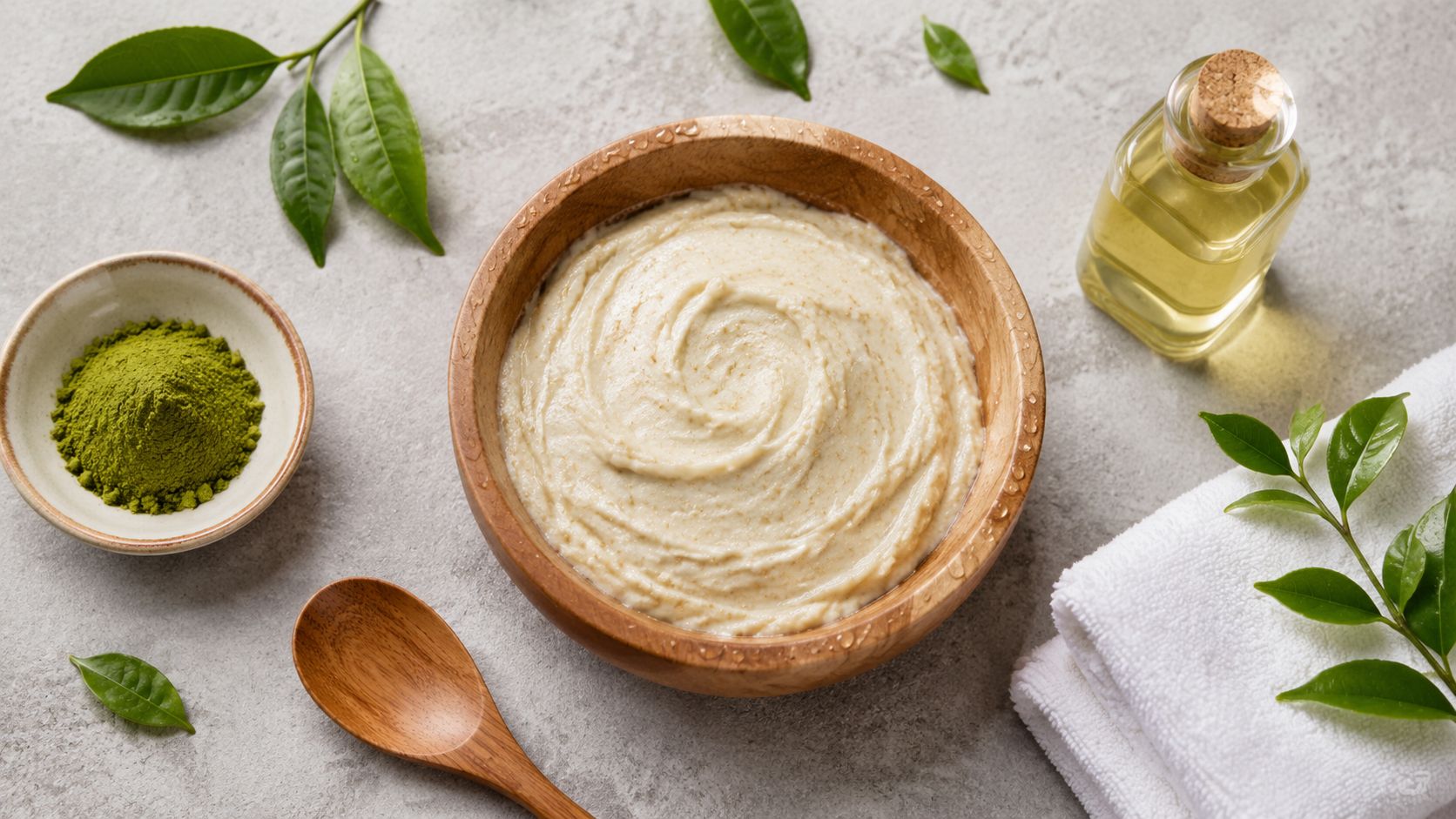
If your arms, knees, or shoulders still feel rough after showering, you're not doing anything wrong. Often, the issue isn't cleansing. It's that dead skin is sitting on the surface, and harsh scrubbing only makes skin feel tight, irritated, or uneven.
That's where the Japanese approach stands out. In body scrub japan culture, exfoliation is usually treated as part of regular body care, not as an aggressive “fix.” The focus is gentle renewal, comfortable skin, and textures that support the skin instead of stripping it.
That interest is growing, too. Demand for body scrubs in Japan is projected to rise from USD 66.1 million in 2025 to USD 141.0 million by 2035, implying a 7.9% CAGR and a doubling in market value, according to Future Market Insights on Japan body scrub demand. For shoppers, that signals sustained interest in exfoliation as a normal part of Japanese self-care.
Your Introduction to Japanese Body Scrubs
Japanese body scrubs usually feel different from the scrubs many international shoppers already know. Instead of relying only on rough particles, they often fit into a wider bathing ritual that values softness, patience, and skin balance.
That's one reason body scrub japan searches often lead people into a broader world of J-beauty. The goal isn't to sand the skin down. It's to remove what no longer serves the skin, then leave it more comfortable than before.
Many readers first notice this difference when they move from a rough salt scrub to a milder Japanese formula or bath tool. Skin can feel smoother without that squeaky, over-cleansed finish. If you're curious about the wider ideas behind this style of care, ancient Japanese beauty secrets give helpful context.
Gentle exfoliation works better when it feels sustainable enough to repeat regularly.
Japanese body exfoliation also makes practical sense for everyday life. You don't need a spa setup or a complicated routine. A warm shower, the right texture, and a few careful minutes are usually enough.
The Philosophy of Japanese Body Exfoliation
The central idea is simple. Remove buildup without disturbing the skin more than necessary.
That sounds obvious, but many people have learned exfoliation through products that feel severe. Strong grit, a lot of pressure, and a “scrub until smooth” mindset can leave skin feeling raw. Japanese body care tends to move in the opposite direction. It treats exfoliation as a controlled polishing step.
Gentle renewal over force
In many Japanese-style routines, the skin barrier matters as much as the smoothness result. That changes how products are designed and how they're used. A scrub isn't meant to prove itself by feeling sharp. It's meant to work predictably.
One helpful comparison is the bath ritual itself. People who enjoy soaking, warm water, and slower body care often prefer textures that soften the skin first. That same mindset appears in Japanese bath products more broadly, including Japanese bath salt traditions, where comfort and skin feel are part of the experience.
Why many Japanese scrubs feel less harsh
Japanese body scrubs are often engineered to work in two ways. Physical particles lift surface debris, while humectants such as glycerin soften the skin. This hydration-assisted method, seen in sugar-based scrubs, makes exfoliation more controllable and less likely to cause over-drying compared with scrubs that rely only on insoluble abrasives, as described in this overview of akasuri scrub benefits.
That dual action matters in real use. If the base of the scrub helps the skin stay supple, you don't need as much pressure. The scrubbing becomes more even, especially on elbows, knees, and heels.
Practical rule: If a scrub makes you feel like you need to “push through” discomfort for results, it's probably too aggressive for regular use.
This philosophy also explains why Japanese exfoliation tools remain popular. Texture matters, but so does control. The user should be able to adjust pressure, frequency, and body area instead of relying on one harsh formula for everything.
A Guide to Japanese Scrub Ingredients and Types
Some of the appeal of body scrub japan products comes from the formulas. The rest comes from the variety. In Japan, exfoliation isn't limited to one texture or one category. You'll find powders, sugar-based scrubs, salt scrubs, enzyme cleansers used on rough zones, and classic exfoliating towels.

Traditional ingredients people often look for
Several ingredients appear again and again in Japanese-inspired body care because they fit the same gentle-care philosophy.
- Rice-based ingredients often appeal to shoppers who want a softer, more cushiony scrub experience. Rice bran and related ingredients are commonly associated with smoothing and comfort. If you enjoy that ingredient family in skincare, rice water skin benefits offer useful background.
- Adzuki bean powder is popular in traditional beauty discussions because it gives a fine, natural texture. It tends to suit people who prefer a more powdery, less oily feel.
- Matcha and green tea themes are often chosen by shoppers who want a fresher sensory experience rather than a heavily perfumed one.
- Camellia oil is closely associated with softness and slip. In a scrub, that means less drag during massage.
These aren't all interchangeable. A sugar-and-oil formula feels very different from a dry powder paste, even if both are meant to smooth the skin.
Sugar, salt, and enzyme styles
Sugar scrubs usually feel more forgiving because the grains dissolve gradually during use. That makes them a common choice for dry or beginner skin. Salt scrubs often feel sharper and can be satisfying on thicker, rougher areas, but they need more care on sensitive skin or after shaving.
If you're comparing salt textures, this guide to understanding sea salt differences for wellness gives helpful context on how salt types can vary in feel and use.
Enzyme-based body exfoliants are a different category. They usually focus less on gritty friction and more on loosening buildup through a wash-off treatment. Many shoppers who already use Japanese enzyme facial cleansers look for that same gentler logic in body care.
The role of Japanese exfoliating towels
Japanese exfoliating towels are often made from textured nylon or polyester and are designed for mechanical exfoliation on wet skin. Because water softens the outer skin layer, the towel can remove buildup with less force and a lower risk of micro-abrasion, as explained in this guide to Japanese body scrub and towel types.
That makes towels especially useful for full-body routines. You use your own pressure, your own cleanser, and your own timing.
A few things confuse first-time users, though:
- Long shape helps you reach the back more easily than a mitt.
- Texture level matters more than color or packaging claims.
- Wet use is important. These towels aren't meant for dry, forceful rubbing.
A scrub changes the formula on your skin. A towel changes the friction. They solve different problems.
Choosing a Japanese Scrub for Your Skin Type
The right scrub depends less on trend and more on how your skin reacts after bathing. If your skin feels tight, you need more cushion. If your skin feels congested or rough in specific areas, texture may matter more.
Start with how your skin feels after the shower
Dry skin usually does better with sugar-based scrubs, creamy textures, or formulas that leave a soft finish. Oily or thicker body skin often tolerates firmer exfoliation on areas like the back, chest, knees, and heels. Sensitive skin needs the mildest approach of all, sometimes with a towel used very lightly or a low-grit scrub used less often.
If sensitivity is your main concern, Japanese skincare for sensitive skin gives a useful framework for choosing gentler textures and ingredients.
Japanese Body Scrub Guide by Skin Type
| Scrub Type | Best For Skin Type | Key Ingredients | Exfoliation Level |
|---|---|---|---|
| Sugar scrub | Dry skin | Sugar, glycerin, camellia oil | Low to medium |
| Cream scrub | Sensitive skin | Emollient base, fine particles | Low |
| Salt scrub | Oily or thicker body skin | Sea salt, mineral-rich base | Medium to high |
| Exfoliating towel | Combination skin or full-body maintenance | Textured nylon or polyester | Adjustable |
| Powder or enzyme style | Dull, uneven-feeling skin | Fine botanical powders or enzymes | Low to medium |
Quick matching tips
- If your skin stings easily choose a creamy or sugar-based scrub and avoid rough fabrics at first.
- If elbows and heels are your main issue a firmer scrub can work, but keep it only on those zones.
- If your back feels textured a Japanese exfoliating towel may be easier to use consistently than a jar scrub.
- If you shave often wait until the skin feels calm before exfoliating.
Many people make one mistake here. They pick a scrub for the roughest part of the body, then use it everywhere. A better approach is to match the method to the body zone.
Your Japanese Body Polishing Ritual Step by Step
A good exfoliation ritual shouldn't feel rushed. Warm water, light pressure, and a clear stopping point matter more than using a lot of product.

Prepare the skin first
Start in a warm shower or bath. Give your skin time to soften before exfoliating. This is especially important if you're using a towel or a firmer scrub texture.
Then cleanse lightly. Heavy body oils, sunscreen residue, or thick sweat buildup can make the scrub drag instead of glide.
Apply with less pressure than you think
Use a small amount of scrub on wet skin and move in gentle circular motions. Spend extra time on elbows, knees, ankles, and heels. Use less pressure on the chest, neck, and upper arms.
If you're using an exfoliating towel, keep it wet and flexible. Pull it across the back and limbs with light to moderate tension rather than sawing at the skin.
A soft tool can help with this kind of controlled routine. If you like minimal-friction cleansing, what a konjac sponge does in Japanese skincare gives another example of how texture can support gentle washing.
Stop when the skin feels smooth enough. Exfoliation should have an endpoint.
This short demonstration gives a good visual sense of body scrub application and pacing.
Rinse well and moisturize right away
Rinse with lukewarm water rather than very hot water. Then pat dry. Don't rub with a rough towel, especially after mechanical exfoliation.
Finish with a body lotion, gel, or cream while the skin is still slightly damp. That helps reduce the dry-afterfeel people sometimes blame on the scrub when the actual issue is skipping the final moisturizing step.
How often to do it
Typically, once or twice a week is enough. Rough spots may need focused care, but daily full-body scrubbing usually isn't necessary.
If your skin starts feeling shiny, tender, or unusually reactive to body lotion, pull back. Smooth skin comes from consistency, not intensity.
Simple DIY Japanese-Inspired Scrub Recipes
Homemade scrubs can be a nice way to explore the principles behind Japanese body care. Keep them simple. Fresh mixtures are usually easier to control, and small batches reduce waste.

Rice and green tea polish
Mix finely ground rice powder with a little green tea powder and enough water to make a soft paste. The texture should feel spreadable, not crumbly.
Use it on damp arms and legs with very light circular motions. This is a good option for people who want a less oily finish.
Sugar and camellia-style oil scrub
Combine sugar with a light plant oil until it looks glossy and spoonable. If camellia oil isn't available, use a simple skin-friendly oil you already tolerate well.
This style suits drier body skin because the sugar provides controlled exfoliation while the oil adds slip. Use a little more product on knees and heels, and a little less on delicate areas.
Adzuki-inspired paste
Use finely milled adzuki bean powder with warm water to form a smooth paste. Let it sit briefly so the powder hydrates fully.
This kind of scrub works best when the powder is very fine. If it feels scratchy, add more water or stop using it.
- Patch test first on a small area before full-body use.
- Avoid strong essential oils in DIY body scrubs, especially if your skin is reactive.
- Make small amounts so the mixture stays fresh and easy to manage.
Homemade scrubs are best treated as occasional rituals, not as a replacement for every carefully formulated product.
Buying Authentic Body Scrubs from Japan
Buying from Japan can feel overwhelming if you're shopping in English and trying to judge authenticity from packaging photos alone. The easiest way to avoid disappointment is to focus on product type, brand consistency, and seller transparency rather than just attractive design.
What to look for on the product page
Start with the basics. Check whether the item is a rinse-off body scrub, an exfoliating towel, a body wash with scrub particles, or a bath treatment with smoothing claims. These categories overlap in translation, and many shoppers buy the wrong format by mistake.
Then look at the ingredient style. If you know your skin prefers sugar, creamy bases, or finer particles, use that to narrow the field. This matters more than chasing whatever product is most talked about online.
Japan's role in the category also helps explain why so many shoppers seek domestic products. Within Asia Pacific, which leads the global body scrub market, Japan's body scrub market was valued at USD 495.89 million in 2025, according to Fortune Business Insights on the body scrub market. That scale points to a mature market with strong consumer familiarity and trust in Japanese skincare brands.
Useful signs of authenticity
A trustworthy listing usually makes it easier to understand what you're buying.
- Clear Japanese brand identity helps you confirm the item belongs to an established domestic line.
- Ingredient and use instructions should match the product format. A towel, for example, shouldn't read like a jar scrub.
- Packaging consistency across product photos matters. Mismatched labels and vague naming can be a warning sign.
- Specific body care purpose is more reliable than broad promises. “For rough elbows and knees” tells you more than “miracle smoother.”
For shoppers who want a direct route into authentic Japanese body care, Buy Me Japan carries Japanese skincare and body care products shipped from Japan, including brands such as House Of Rose. If you're browsing the scrub category, one useful product to compare is House Of Rose Oh! Baby Body Smoother N 570g, which is a well-known example of the soft-body-polish style many shoppers associate with Japanese exfoliation.
The safest purchase isn't always the most dramatic-looking scrub. It's the one whose texture, use instructions, and brand identity all line up.
A final tip. Be careful with products marketed only through trend clips or reposted images. Body scrubs depend on texture and use context, so accurate descriptions matter more than hype.
Embrace the Art of Gentle Exfoliation
Japanese body exfoliation is less about force and more about rhythm. Warm water, the right texture, and a measured hand can do more for your skin than an intense scrub session ever will.
That's why body scrub japan products and tools appeal to so many people outside Japan. They turn exfoliation into a thoughtful part of body care. You choose the method that suits your skin, use it with restraint, and support the result with moisture afterward.
If your skin tends to feel dry after exfoliating, it can help to pair your routine with calming aftercare. This guide on AloeCure for natural skin soothing is a useful extra read for thinking about post-scrub comfort.
The most effective routine is usually the gentlest one you can keep doing consistently. Smooth skin doesn't come from scrubbing harder. It comes from treating the skin with respect.
If you're ready to explore authentic Japanese body care, Buy Me Japan is a practical place to browse products shipped directly from Japan and compare textures, brands, and formats with more confidence.


Share:
Japanese Hair Conditioner Guide for Silky, Healthy Hair
10 Japanese Home Decorating Ideas for a Serene Space