

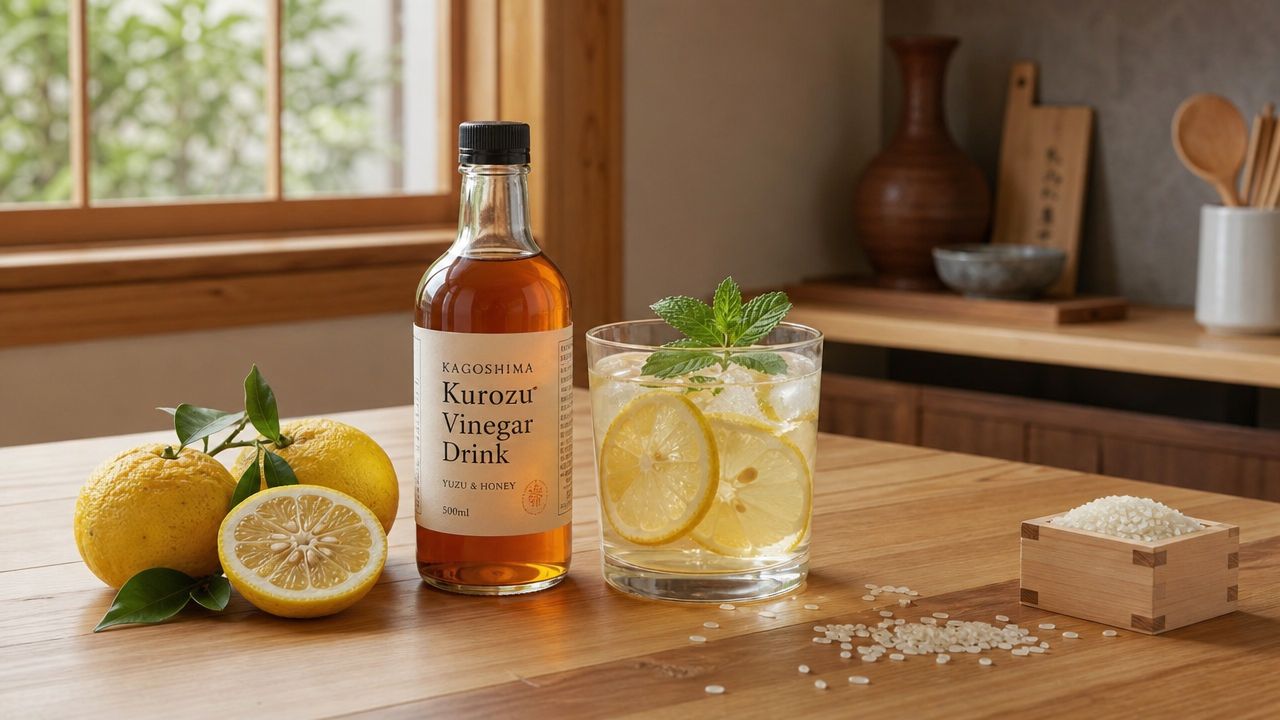
You're probably here because you've seen Japanese wellness habits praised for being simple, consistent, and realistic. Maybe you want something gentler than harsh cleanses, less sugary than many “health” drinks, and easier to stick with than a complicated routine. That's exactly why the Japanese vinegar drink catches so much attention.
In Japan, drinking vinegar isn't treated like a miracle shortcut. It's usually part of a broader everyday rhythm: diluted, taken in small amounts, and enjoyed for both taste and routine. If you've been curious about what it is, how it tastes, which type to choose, and how to use it safely, this guide will help you make sense of it in plain language.
The Rise of Japan's Healthiest Daily Ritual
A lot of wellness trends feel loud. They arrive with big promises, unfamiliar powders, and routines that fall apart after a week. Japanese vinegar drinks feel different because the habit is small. You dilute it, drink it before a meal or during the day, and move on.
That simplicity helps explain why interest has spread far beyond Japan. In Japan itself, sales of Japanese drinking vinegar products have more than doubled in recent years, with a significant surge in popularity among women in their twenties and thirties, and these drinks are seen as part of a daily habit for enhancing metabolism, boosting immunity, and improving skin health, according to Web Japan's look at drinking vinegar culture.

For many international readers, the appeal starts with curiosity. Japan already has a strong reputation for practical wellness habits, from green drinks to fermented foods to light, easy-to-digest beverages. If you enjoy learning about those kinds of everyday staples, this guide to non-alcoholic Japanese drinks gives useful context for where vinegar drinks fit.
Why the habit feels approachable
The Japanese vinegar drink isn't usually framed as extreme. It's closer to a daily support habit than a dramatic intervention.
A few things make it approachable:
- Small serving culture: People don't typically drink huge glasses of straight vinegar.
- Flavor-first design: Many products are made to taste pleasant enough for regular use.
- Routine-friendly timing: It often fits naturally before meals or as a refreshing diluted drink.
A wellness habit lasts longer when it feels easy to repeat.
Why people keep coming back to it
Taste matters more than many first-time buyers expect. Once vinegar is blended and diluted properly, it can taste bright, fruity, mellow, or even lightly syrupy depending on the type. That changes the idea from “something healthy but unpleasant” into “something I'd keep in the kitchen.”
For beauty and lifestyle shoppers, that overlap matters. In Japan, wellness habits often sit close to beauty habits. People don't always separate digestion, daily refreshment, skin-conscious choices, and lighter meal routines into different boxes. A japanese vinegar drink often lives right in that overlap.
What Is a Japanese Vinegar Drink
A Japanese vinegar drink is vinegar made for drinking, not just for cooking. That sounds obvious, but it's where many people get confused. If you've only used vinegar in salad dressings or marinades, you might assume all vinegar is equally sharp and all of it can be sipped the same way. It can't.
Japanese drinking vinegar, often connected with the word su, is formulated differently from standard culinary vinegar. The main goal is palatability. It's made to be easier to drink when properly diluted, rather than being used as a strong seasoning.
How it differs from cooking vinegar
The key difference is concentration and intended use. Japanese drinking vinegar is formulated with a lower acetic acid concentration for palatability, and to prevent irritation and ensure safety it must be diluted, typically at a ratio of 1 part vinegar to 5 or 6 parts water, soda, or milk before consumption, as explained in this guide to Japanese drinking vinegar.
That dilution step isn't optional. It protects your throat and stomach from unnecessary irritation and makes the drink much more pleasant.
Practical rule: If it's a drinking vinegar concentrate, treat dilution as part of the recipe, not an extra suggestion.
Why dilution matters so much
Many beginners assume a stronger mix must be better. With a japanese vinegar drink, that's the wrong mindset. Drinking vinegar works as a routine beverage because it's balanced. Too concentrated, and the sharp acidity can dominate the flavor and make the experience uncomfortable.
Here's the simplest explanation:
| Type | Main purpose | Taste profile | How it's used |
|---|---|---|---|
| Cooking vinegar | Seasoning food | Sharper, more direct | Dressings, pickles, sauces |
| Drinking vinegar | Beverage base | Softer when diluted | Mixed with water, soda, or milk |
A lot of international shoppers also confuse rice vinegar for cooking with ready-to-drink or drinkable vinegar concentrates. If you want a clearer sense of how traditional vinegar ingredients are used in Japanese food more broadly, this article on how to use rice vinegar helps separate kitchen vinegar from beverage-style vinegar.
What it usually looks like in practice
In real life, a japanese vinegar drink often comes as a flavored concentrate. You pour a small amount into a glass, top it with water or sparkling water, and adjust to taste. Some people also mix it with milk for a softer, tangier finish.
That's why product labels and instructions matter. You're not buying a bottle to drink straight from the cap. You're buying a concentrated base for a daily ritual.
Exploring the Types of Drinking Vinegars
Choosing your first bottle gets easier when you stop asking, “Which one is best?” and start asking, “Which one fits my taste?” Japanese drinking vinegars vary widely, and the biggest differences usually come from the base ingredient and flavoring.
Some are deep and savory. Others are crisp, floral, or citrusy. The right choice depends on whether you want something that feels refreshing, mellow, or more traditional.

Kurozu and other darker styles
Kurozu is aged black rice vinegar. It's often the type that surprises people most because the flavor can feel fuller and rounder than they expect. Instead of tasting merely sour, it can come across as richer and more complex.
This kind of japanese vinegar drink often suits people who:
- Prefer deeper flavors: You may enjoy maltier, earthier notes over bright fruit.
- Want a traditional feel: Kurozu is often associated with classic Japanese wellness culture.
- Don't mind a more grown-up taste: It can feel less playful than fruit-forward options.
If plain fruit drinks usually taste too sweet for you, kurozu may feel more balanced.
Apple and other familiar fruit styles
Apple vinegar tends to be the easiest gateway for international drinkers. The flavor profile is familiar, and the tartness usually feels easier to understand on the first try. It's a good place to begin if you want a bridge between everyday cider-like acidity and Japanese beverage culture.
Fruit vinegars are popular partly because they make consistency easier. If the drink tastes refreshing, you're much more likely to keep using it.
A simple comparison helps:
| Type | Flavor direction | Best for | Everyday feel |
|---|---|---|---|
| Apple | Crisp and familiar | Beginners | Easy to start with |
| Yuzu | Bright and aromatic | Citrus lovers | Light and refreshing |
| Plum | Sweet-tart and rounded | People who want softer sharpness | Comforting |
| Kurozu | Rich and deeper | Traditional flavor seekers | More robust |
Yuzu and bright citrus options
Yuzu vinegar is often the bottle that wins people over on aroma alone. Yuzu is a Japanese citrus known for a fragrant, vivid character that feels different from standard lemon or orange. In a drinking vinegar, that usually translates into something refreshing and lively.
For warm weather, a yuzu-based japanese vinegar drink mixed with cold water or sparkling water can feel especially easy to enjoy. It often tastes less heavy than darker vinegars and can be a strong option for people who want a clean, brisk finish.
If you already enjoy citrus sparkling drinks, yuzu vinegar is often the easiest Japanese style to love.
Plum and sweeter profiles
Plum-based styles tend to feel softer on the palate. They can still be tart, but the impression is often rounder and less severe. That makes them a strong fit for people who worry that vinegar drinks will be too aggressive.
These styles can work well for:
- First-timers who dislike harsh acidity
- People who want a dessert-adjacent flavor
- Those who plan to mix with cold water over ice
How to choose without overthinking it
If you're still unsure, use a simple filter:
- Choose apple if you want the safest, most familiar starting point.
- Choose yuzu if you like citrus, brightness, and a refreshing finish.
- Choose plum if you want something gentler and fruitier.
- Choose kurozu if you want a more traditional, fuller-tasting bottle.
That framework is usually enough. You don't need expert tasting skills. You just need a type that feels pleasant enough to repeat.
Real Benefits and Common Health Myths
Balance is important. Japanese vinegar drinks are often discussed with a mix of tradition, personal experience, and exaggerated internet claims. Some of that conversation is useful. Some of it isn't.
The practical view is simple. A japanese vinegar drink can be part of a healthy routine, especially when it's used consistently, diluted properly, and paired with an overall balanced diet. It shouldn't be treated like a cure-all.
Benefits people commonly seek
In Japan, drinking vinegar is widely adopted for health-related reasons that include improved digestion, weight management, blood sugar control, and detoxification, and the typical daily intake is kept modest rather than excessive, according to this overview of Japanese vinegar drinking habits.
People are often drawn to it for everyday support rather than dramatic transformation. In plain terms, that means they may use it because they want a lighter-feeling routine around meals, a refreshing low-volume wellness habit, or a small ritual that helps them stay more mindful about what they eat and drink.
That's similar to how many people approach other Japanese functional drinks. Aojiru, for example, is another habit people explore for broader daily support rather than instant results. If that category interests you, this piece on aojiru green juice is a useful comparison.
What vinegar can and can't do
Many online claims go too far, especially around diabetes. While some sources promote vinegar drinks as a standalone diabetes solution, reliable data shows it offers only modest benefits. A 2019 trial found apple vinegar beneficial for glycemic indices in some patients, but it does not cure diabetes or replace medication, serving instead as a complementary therapy, as discussed in this analysis of vinegar and diabetes claims.
That distinction matters. Supportive is not the same as curative.
A japanese vinegar drink may complement healthy habits. It shouldn't replace medical care, prescribed treatment, or professional advice.
How to keep your expectations realistic
A sensible mindset helps you get the most from this habit:
- Think routine, not rescue: It's better used steadily than dramatically.
- Think support, not substitution: It can fit alongside healthy meals, not stand in for them.
- Think individual response: Some people enjoy it daily. Others prefer it a few times a week.
The people who benefit most from this habit usually aren't chasing a miracle. They're choosing a small, sustainable ritual they can maintain.
How to Prepare and Enjoy Your Vinegar Drink
Starting well makes a big difference. If your first glass is too strong, you may decide you dislike japanese vinegar drink culture before you've really tasted it properly. The easiest beginner move is to make it lighter than you think you need.

In Japan, the typical daily consumption of drinking vinegar is 15 to 30 ml, or 1 to 2 tablespoons, diluted, and a common preparation method is a 1:5 ratio of vinegar to water. Adding honey is also a traditional way to make the drink more palatable, according to this guide to drinking vinegar use in Japan.
A beginner method that usually works
If you're new to it, keep the process simple:
- Measure a small amount: Start with the lower end of the usual daily range.
- Dilute generously: Use the common water ratio rather than guessing.
- Taste before adjusting: If it still feels sharp, add more water.
- Add honey if needed: This softens the sourness without making the drink feel complicated.
A lot of people enjoy it before meals, but others prefer it as an afternoon refreshment. The best timing is often the one you'll adhere to.
Easy serving ideas
Once the basic version feels comfortable, you can branch out. The drink doesn't have to be limited to plain water.
Here are a few easy ways to enjoy it:
- With sparkling water: This gives you a soda-like feel without the standard soft drink profile.
- With milk: Some Japanese drinking vinegars become smoother and almost yogurt-like when mixed this way.
- Over ice with citrus slices: Especially good with yuzu or apple styles.
- In a light dressing: A small amount can work in a vinaigrette when you want the same flavor family in your meal.
If you're comparing simple daily wellness drinks, this guide on ACV or lemon water for daily wellness gives helpful context on how different habits suit different people.
For another cozy Japanese drink routine that's easy to fit into everyday life, this article on brown sugar ginger tea is worth reading too.
A short demonstration can make the process clearer:
Common mistakes to avoid
Most problems come from going too hard too fast.
- Drinking it straight: This is the biggest beginner error.
- Using too much at once: More isn't automatically better.
- Choosing a flavor you already dislike: If you don't enjoy deep vinegar notes, start with fruit or yuzu.
- Expecting instant change: This works better as a steady habit than a dramatic test.
Start mild. You can always make the next glass stronger, but a too-sharp first experience turns many people away unnecessarily.
How to Source Authentic Japanese Vinegar Drinks
Finding authentic products matters more than it might seem. With Japanese food and wellness items, labeling, flavor balance, and intended usage can vary a lot. A bottle that looks “Japanese-inspired” isn't always the same as a product made for the Japanese market.
That matters with vinegar drinks because authenticity affects both taste and use. Proper drinking vinegar is formulated for dilution and repeat use. If the product is poorly described or mislabeled, you may end up with something that behaves more like a cooking ingredient than a beverage concentrate.
What to look for first
A good starting checklist keeps the search practical:
- Japanese market orientation: Look for products that are sold as drinking vinegar, not generic vinegar marketed loosely for wellness.
- Clear preparation guidance: Authentic products usually make dilution expectations obvious.
- Recognizable Japanese food makers: Brands such as Uchibori or Kikkoman can give shoppers more confidence because they're established names in Japan.
- Flavor clarity: You should be able to tell whether you're buying apple, yuzu, kurozu, plum, or another style before checkout.

Why sourcing from Japan helps
International shoppers often run into two problems. First, product selection can be narrow outside Japan. Second, product descriptions can flatten important differences between traditional Japanese items and loosely similar alternatives.
That's why people often prefer retailers that focus specifically on Japanese goods and ship directly from Japan. A specialist storefront is more likely to understand category differences, preserve original product identity, and carry the kinds of daily-use Japanese brands shoppers already trust in other categories, from food to beauty to wellness.
If you're comparing where to shop, this guide to the best online Japanese stores can help you evaluate authenticity, product range, and buyer confidence.
A practical buying framework
When choosing your bottle, keep the decision simple:
| If you want | Start with | Why |
|---|---|---|
| An easy first try | Apple or yuzu drinking vinegar | Familiar or refreshing flavor |
| A traditional style | Kurozu | Deeper, more classic profile |
| A gentler taste | Plum or honey-friendly blends | Softer introduction |
| Flexible mixing | Fruit-based concentrate | Works with water, soda, or ice |
For beauty and lifestyle shoppers, there's another reason to buy carefully. Japanese consumers often expect high standards across categories, whether they're choosing a drink, sunscreen, or hair treatment. That same preference for reliable formulation is why people trust Japanese names across the wider market, from Shiseido Anessa and Hada Labo to food and drink makers with long domestic recognition.
The safest approach is to buy from a retailer that understands Japanese products as they're used, not just as trend items.
If you want authentic Japanese wellness products, beauty favorites, and hard-to-find food and drink items shipped directly from Japan, Buy Me Japan is a reliable place to browse with confidence. It's especially useful if you want access to genuine Japanese brands, curated selection, and the reassurance that you're buying products rooted in real Japanese daily life rather than generic imitations.
Share:
Fermented Ingredients in Skincare: A Japanese Beauty Guide
How to Repair Heat Damaged Hair a Japanese Beauty Guide