


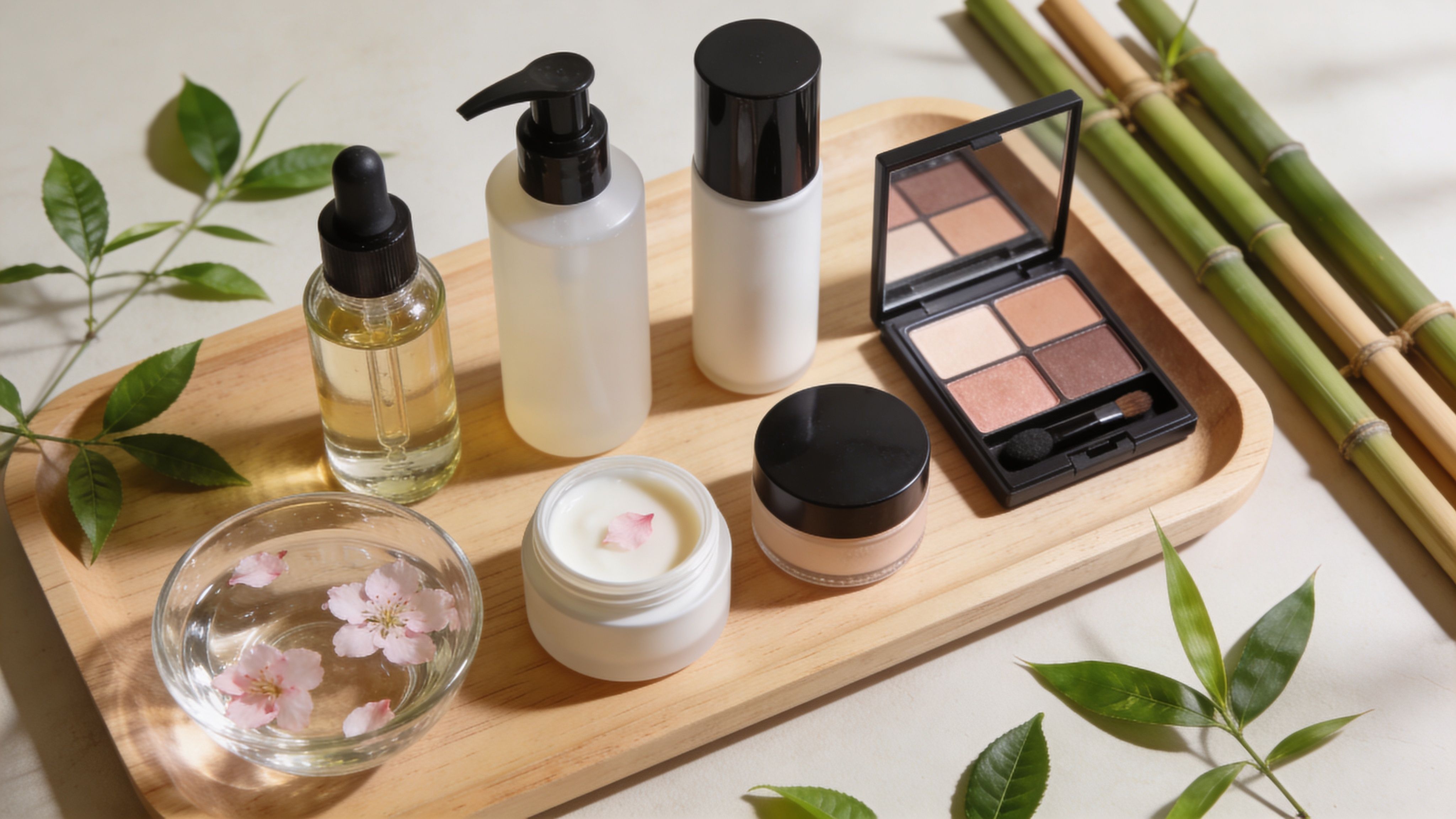
You open one tab for Shiseido, another for Hada Labo, then somehow end up comparing sunscreens, cleansing oils, hair masks, and a lip tint you didn’t plan to buy. That’s a familiar way to meet Japanese beauty. It’s exciting, but it can also feel crowded fast.
The good news is that the best japanese cosmetic brands usually make more sense once you stop thinking in categories alone and start thinking in philosophy. Japanese beauty is less about chasing dramatic overnight change and more about steady skin health, elegant textures, and products people want to use every day.
If you also like comparing beauty traditions across Asia, this guide to best Korean skin care products is a useful companion read. For a closer look at the aesthetic ideas behind Japanese routines, the overview of Japanese beauty standards adds helpful context.
Your Guide to the World of Japanese Beauty
Japanese cosmetics have range. You’ll find minimalist sensitive-skin lines, extensively researched anti-aging serums, playful drugstore makeup, and haircare that treats shine like a serious category. What often confuses first-time shoppers is that these brands don’t always market themselves in the same loud, trend-driven way many international brands do.
A lotion in Japan, for example, often isn’t a thick cream. It’s usually a watery hydrating step. A milk may be a lightweight moisturizer. A UV gel may feel more like a skincare layer than a classic sunscreen. Once you understand that language, the shelves become much easier to read.
Three ideas help sort the field quickly:
- Prevention first: Many Japanese brands focus on supporting skin before problems become harder to manage.
- Hydration in layers: Texture matters. Thin, comfortable formulas are meant to be combined.
- Refinement over overload: Products are often designed to feel clean, gentle, and easy to stick with.
That’s why people often stay loyal to J-Beauty for years. The products tend to fit into real life. They’re elegant without being fussy.
Start with your main goal, not with the most famous product. A great sunscreen or gentle cleanser can change your routine more than an expensive serum you won’t use consistently.
The J-Beauty Philosophy Quality Innovation and Gentle Efficacy
Japanese beauty works best when you understand the logic behind it. The most respected brands usually share a few core habits: they value daily consistency, they pay close attention to skin feel, and they invest heavily in formulation.
Japan’s beauty industry has the scale to support that culture of refinement. The country’s cosmetics market reached over $35 billion in 2022, and a projected CAGR of 2.87% would bring it to $36.93 billion by 2029 according to Statista’s overview of the beauty industry in Japan. The same source notes that consumer-driven @cosme awards draw from nearly 1.5 million reviews, which matters because Japanese shoppers are famously discerning about texture, comfort, and everyday performance.

Prevention shapes the routine
A lot of international shoppers first notice Japanese beauty through sunscreen, but prevention runs deeper than SPF. It’s built into the entire approach.
Rather than waiting for skin to feel stressed, many J-Beauty routines support barrier comfort early with low-fuss hydration, gentle cleansing, and lightweight moisturizers. That’s one reason Japanese skincare often appeals to people who are tired of routines that feel aggressive or complicated.
Hydration means more than one rich cream
Readers often get mixed up: In J-Beauty, hydration doesn’t always come from one heavy product. It often comes from a sequence.
A typical routine may include:
- A gentle cleanser: To remove buildup without leaving skin tight
- A lotion or essence-style hydrator: To add water content and softness
- A serum or milk: To target a concern or add slip
- A cream or gel cream: To help hold moisture in place
That layered approach is why brands like Hada Labo, Minon, Curél, and Elixir feel so distinct. They aren’t just selling ingredients. They’re selling a rhythm.
Practical rule: If your skin feels dehydrated but also gets shiny, don’t jump straight to the richest cream. Start by improving your hydration layers first.
Technology matters, but so does feel
Japanese brands often excel at making advanced formulas feel easy. That’s a bigger achievement than it sounds. A technically strong product only helps if you’ll keep using it.
This is why Japanese sunscreens, cleansing oils, and lotions have such loyal followings. They tend to combine high cosmetic elegance with a careful sensory experience. The finish matters. So does spreadability, residue, and whether a product pills under makeup.
Gentle efficacy is the real signature
The phrase that best captures J-Beauty is gentle efficacy. The aim isn’t to shock skin into behaving. It’s to create formulas that support resilience over time.
That’s also why many Japanese routines feel calming rather than corrective in tone. Even high-performance lines often present themselves with restraint. The message is less “fight your skin” and more “help it function well every day.”
Meet the Titans of J-Beauty Shiseido Kao and Kose
If you want to understand the best japanese cosmetic brands, start with the companies that shaped the category at scale. In Japan, brand trust didn’t appear overnight. It was built through long histories, broad product ecosystems, and constant formulation work.
Shiseido sets the prestige benchmark
Shiseido sits at the center of that story. Founded in 1872, it’s described as Japan’s oldest and most dominant cosmetics brand, with 29.4% top-of-mind recall and 86.7% aided recall among consumers in the Japan cosmetics market report from MarkSpark Solutions. Those figures help explain why Shiseido feels bigger than a single label. It functions almost like a beauty institution.
The company’s influence stretches from heritage skincare to modern UV care, luxury makeup, and everyday cleansing. That broad reach is one reason so many shoppers first meet Japanese beauty through a Shiseido family product, even if they don’t realize it.
Its portfolio also shows how Japanese beauty handles segmentation well:
- Shiseido Elixir: Known for firming, plumping, and polished daily skincare
- Shiseido d Program: Built for delicate, easily irritated skin
- Shiseido Anessa: One of the most recognized sunscreen names in J-Beauty
- Shiseido Senka: Popular for accessible cleansing and washing staples
- Shiseido AQUALABEL: A practical bridge between simple hydration and targeted care
If you’re curious about one of the category-defining product types, this guide to Kose cleansing oil is a useful companion for understanding how Japanese cleansing differs from harsher makeup removers.
Kao excels at daily essentials
Kao’s strength is different. The company is closely associated with everyday beauty that still feels well engineered. That matters because a lot of what makes J-Beauty effective isn’t glamorous. It’s the cleanser you’ll consistently use. The sunscreen that doesn’t sting your eyes. The hair product that smooths without feeling waxy.
Kao is the group behind names many international shoppers already know or quickly grow to trust:
- Biore for accessible UV products and cleansers
- Curél for dry, sensitive skin support
- Liese for approachable hair styling and bubble color
- Essential for practical haircare basics
Kao products often shine when you want functionality without fuss. They’re especially good for people who want reliable routine staples rather than prestige packaging.
Kose bridges trend and tradition
Kosé often wins shoppers who care about texture and finish. It spans classic skincare, brightening-focused formulas, and makeup that feels current without losing wearability.
Within the Kosé family, several names stand out:
- Sekkisei for fresh, luminous-feeling skincare
- Visee for stylish, easy makeup
- Esprique for polished everyday complexion and color products
- Softymo and cleansing oils for one of Japan’s best-known removal categories
What makes these three groups so important isn’t only size. It’s consistency. They created the standards many smaller or newer brands are measured against. When shoppers talk about Japanese quality control, texture, or trust, they’re often reacting to the benchmark these companies helped define.
Top Japanese Skincare Brands for Every Concern
A long list of brands isn’t very helpful if you’re standing in front of your screen wondering what to buy first. Skin concern is the better starting point. Japanese skincare gets much easier when you match the brand to the job.

For a broader overview of category standouts, the roundup of best Japanese skincare brands is worth bookmarking.
For hydration and a stronger comfort zone
If your skin often feels tight, dull, or thirsty by midday, start with hydration-first brands.
Hada Labo is one of the clearest entry points into J-Beauty. Its appeal is straightforward. It focuses on replenishing moisture with simple, no-nonsense formulas that fit well into layered routines. Many people who feel overwhelmed by active-heavy skincare do well here because the textures are easy to understand and the routine logic is clean.
Strong hydration picks in this lane include:
- Hada Labo lotions and milks: Good for daily moisture layering
- Minon Amino Moist: A smart option for skin that wants hydration plus softness
- MUJI skincare: Quiet, minimalist basics for readers who prefer low-fragrance, uncomplicated care
- Naturie-style watery hydrators: Helpful for those who enjoy multiple light layers
This category is often where J-Beauty wins people over. The skin doesn’t just look dewy. It feels less stressed.
For firming and age-supporting care
Japanese anti-aging skincare usually focuses on bounce, suppleness, and a rested look rather than overly harsh language. That softer framing often reflects the formulas too.
Shiseido Elixir is one of the classic names here. It’s loved by shoppers who want skin to feel smoother, more elastic, and well maintained. The textures are often richer than pure hydration lines, but still elegant.
Kanebo DEW is another brand worth watching in this space. It tends to appeal to people who want cushioning textures and a more pampering routine without losing the Japanese emphasis on daily wearability.
For shoppers interested in a more research-driven prestige serum, Shiseido Ultimune Power Infusing Concentrate stands out. According to Buy Me Japan’s article on popular Japanese skincare brands, Shiseido says its Super Bio-Revitalizing Technology increased skin immunity by 211% after one week and reduced wrinkle depth by 28% over four weeks.
That kind of claim helps explain why top-tier J-Beauty often has such a loyal audience. The storytelling isn’t only about luxury. It’s tied to visible skin support and proprietary formulation work.
If you want one premium step, choose a serum or essence that fits your main concern. Don’t build an expensive routine all at once.
For brightening and uneven tone
Japanese brightening care is another area where terminology can confuse international shoppers. “Brightening” usually means helping skin look more even, clear, and fresh. It doesn’t mean stripping or bleaching.
Two names regularly come up here:
- Transino: Often chosen by people focused on uneven-looking tone and clarity
- Melano CC: A familiar favorite for routines centered on targeted brightening support
Kose Sekkisei also belongs in this conversation because it often appeals to readers who want a fresher, more radiant-looking finish and enjoy more sensorial skincare.
This is a category where patience matters. Japanese brightening products are usually designed to fit into a longer-term routine, especially when paired with consistent sunscreen use.
A quick visual guide can help if you're comparing textures and routine order:
For sensitive and acne-prone skin
Japanese beauty often surprises people. Some of the strongest brands in the market aren’t the flashiest. They’re the ones that make skin feel calm again.
Shiseido d Program is a standout for readers whose skin gets reactive, dry, or irritated easily. The line is built around the idea that skin can become unstable and needs support rather than punishment.
Curél also fits naturally here. It’s one of the brands many people move toward when they want barrier-conscious care and less friction in their routines.
For acne-prone users, Japanese skincare often takes a balanced route:
- Mentholatum Acnes: A focused drugstore option for blemish-prone skin
- Cow Brand cleansers: Helpful if your main issue is keeping cleansing gentle
- Fancl cleansing products: Good for people who want a fresh but non-stripping first cleanse
The biggest mistake in this category is over-cleansing. Many acne-prone shoppers think they need a very aggressive face wash. In practice, a gentler cleanser plus steady hydration often leaves skin looking more settled.
For sunscreen and prevention
No guide to Japanese skincare is complete without sunscreen. This category is one of Japan’s clearest strengths because it combines high wearability with daily practicality.
The big names each offer something slightly different:
- Shiseido Anessa: Often chosen by people who want strong UV protection with a high-performance feel
- Biore UV: Excellent for lightweight, everyday textures
- Kanebo ALLIE: A strong choice for comfortable, polished sunscreen wear
- Skin Aqua: Popular for fluid, easy-to-reapply options
If you dislike sunscreen because it feels greasy, chalky, or heavy under makeup, Japanese formulas are often the reset. They’re designed for repeat use, humid weather, and real routines.
A simple concern-based shortcut
| Skin concern | Best brand starting points | Why they fit |
|---|---|---|
| Dehydration | Hada Labo, Minon, MUJI | Layerable moisture and daily comfort |
| Firmness and bounce | Shiseido Elixir, Kanebo DEW | Richer support with elegant textures |
| Uneven tone | Transino, Melano CC, Sekkisei | Brightening-focused routines |
| Sensitivity | d Program, Curél, Cow Brand | Barrier-friendly and calming |
| Daily UV care | Anessa, Biore, ALLIE, Skin Aqua | Comfortable sunscreen use |
Must-Have Japanese Makeup Brands for Every Style
Japanese makeup tends to be more practical than theatrical. Even when the packaging is cute, the formulas usually aim for control, blendability, and a flattering finish you can wear in daylight without second-guessing it.

Drugstore brands that outperform their price
This is one of Japan’s strongest beauty categories. You can walk into a drugstore and find products with refined texture and color payoff.
Canmake is famous for making softness look easy. The shades are approachable, the packaging is playful, and the formulas suit anyone who likes a fresh, youthful finish. Cream blush, subtle shimmer, and easy-to-wear shadows are where it often shines.
Cezanne is the quiet overachiever. It’s a smart brand for readers who want neutral tones, polished basics, and a complexion look that doesn’t feel overworked.
Kate sits a bit moodier in the lineup. It often appeals to shoppers who like sharper eye definition, structured brows, and makeup that feels slightly more editorial while still being wearable.
Mid-range picks with a more styled feel
If you want something a little more refined in color story or finish, this is the tier to watch.
Kose Visee does a very good job with trend-aware makeup that still feels easy to use. It’s a great fit for people who want modern lip colors, flattering eye palettes, and products that look current without becoming gimmicky.
Kirei & co. and Chifure also deserve attention if you prefer makeup that feels simple, dependable, and accessible. They don’t always get the loudest international coverage, but they often suit everyday users beautifully.
The smartest first makeup buy from Japan usually isn’t foundation. Start with blush, brow products, or a lip item. Those categories show the character of a brand quickly.
Prestige lines for finish and feel
At the higher end, Japanese makeup often focuses less on dramatic pigment and more on sophistication. The result is often a product that melts into the face rather than sitting on top of it.
Shiseido Maquillage fits that description well. It’s the kind of line people gravitate toward when they want complexion products and color cosmetics that feel polished, adult, and carefully balanced.
Majolica Majorca takes a different route. It brings charm and fantasy to the category, especially for eyes. If you enjoy decorative packaging and expressive lash or eye looks, it has a very distinct identity.
A useful way to think about Japanese makeup is this:
- Canmake and Cezanne if you want soft, easy, affordable
- Kate and Visee if you want more style direction
- Maquillage if you want refined daily polish
- Majolica Majorca if you want personality in the routine
Revolutionary Japanese Haircare Brands for Healthy Hair
Japanese haircare deserves more attention than it usually gets. It follows the same broad values as skincare: gentle cleansing, moisture balance, smooth texture, and long-term manageability.
A lot of people first come in looking for one hero product and stay because they realize Japanese haircare is unusually good at making hair feel expensive to the touch.
Repair and moisture for dry or damaged hair
Shiseido Fino is one of the most recognized names in this space for a reason. If your hair feels rough, overprocessed, or prone to tangling, this is often the product people try first. It’s especially popular with anyone who wants that dense, coated, post-mask softness.
Tsubaki also sits firmly in the repair category. The brand is associated with smoother, shinier, more polished hair, and it tends to suit people who like a more luxurious wash-day experience.
&honey has a different personality. It focuses heavily on moisture and finish, and many shoppers love it for the plush feel and glossy effect it gives dry lengths.
Scalp comfort and everyday softness
Not everyone needs a heavy repair routine. Some people need a cleaner scalp environment and lighter care.
Ichikami is a strong option here. It often appeals to readers who enjoy botanical-inspired haircare and want products that feel gentle but still leave hair manageable.
If scalp care interests you, reading about the ritual side of a Japanese Head Spa helps explain why so many Japanese hair routines treat the scalp as the starting point for better-looking hair.
For more category-specific recommendations, the guide to best Japanese hair products is a helpful next read.
Styling and color that feel user-friendly
Japanese hair brands also do a great job making at-home styling less intimidating.
- Kao Liese: Well known for easy, approachable hair styling and bubble color options
- Momori: A favorite for peach-themed styling care and softness
- Milbon: Often chosen by people who want salon-coded finish and more customized care
- Fiancee and similar fragrance-led picks: Better for those who like hair products that double as a scent experience
The common thread is usability. These aren’t products designed only for professionals. They’re meant to make everyday hair look smoother, neater, and more intentional.
How to Choose and Buy Your J-Beauty Products
Choosing well starts with honesty. Don’t buy by hype alone. Buy by your main need.
If your skin feels tight after cleansing, start with hydration and barrier support. If your biggest frustration is makeup sliding off by lunch, sunscreen texture and base makeup matter more than adding another serum. If your hair is dry from color or heat, a repair mask will likely do more for you than switching shampoos immediately.
Read the routine language correctly
A few Japanese product terms can throw new shoppers off:
- Lotion: Usually a watery hydrating step, not a body lotion
- Milk: Often a lightweight emulsion moisturizer
- Essence: A concentrated treatment step
- UV gel or UV essence: Sunscreen with a lighter skincare-like feel
Ingredient shorthand also helps:
- Hyaluronic acid: Supports water retention and surface hydration
- Ceramides: Help support the skin barrier
- Tranexamic acid: Often associated with brightening-focused routines
Match one category to one goal first
Use this quick table as a starter map.
| Your Goal | Recommended Skincare Brand | Recommended Makeup Brand | Recommended Haircare Brand |
|---|---|---|---|
| Simple hydration | Hada Labo | Cezanne | Ichikami |
| Sensitive routine | d Program | Canmake | Minon-adjacent gentle care approach |
| Firm, polished skin look | Shiseido Elixir | Maquillage | Tsubaki |
| Brighter, fresher look | Transino | Visee | &honey |
| Daily easy maintenance | Biore or Curél | Kate | Momori |
One practical concern for international shoppers is trust. Japanese beauty is popular enough that authenticity matters. Buying from stores with a direct Japan focus helps reduce the guesswork around sourcing, freshness, and product selection. If you’re comparing options, this guide to the best online Japanese stores is a useful starting point.
J-Beauty FAQ Your Questions Answered
What’s a simple J-Beauty starter routine
Keep it compact. A very workable starting routine is:
- Gentle cleanser
- Hydrating lotion
- Serum if needed
- Moisturizer or milk
- Sunscreen in the morning
At night, many people add a first cleanse if they wear makeup or sunscreen. You don’t need ten steps to get the point of J-Beauty.
Is J-Beauty good for sensitive skin
Yes, often very much so. Japanese beauty has a strong tradition of comfortable, barrier-conscious formulas. Brands like Shiseido d Program, Curél, Minon, and Cow Brand are good places to start if your skin reacts easily or gets overwhelmed by heavily active routines.
The key is to avoid over-layering too quickly. Even gentle products can feel like too much if you change everything at once.
Add one new product at a time and give it a fair trial. That makes it much easier to tell what your skin actually likes.
How is J-Beauty different from K-Beauty
Both are influential, and there’s plenty of overlap, especially around hydration and texture. The difference is often in emphasis.
J-Beauty usually leans toward routine discipline, refinement, prevention, and formulas that become steady long-term staples. K-Beauty often moves faster with trends, launches, and playful format innovation. Neither is better. They express beauty culture differently.
What are the emerging J-Beauty trends for 2026
One of the more interesting shifts is the rise of hybrid beauty routines that combine topical products with ingestible support. According to the Japanese Taste overview of Japanese beauty brands, emerging 2026 trends include ingestible beauty products such as Chocola BB Drink for acne, which showed 30% blemish reduction in 4 weeks in Japanese clinical trials, and ceramide supplements, whose sales surged 35%.
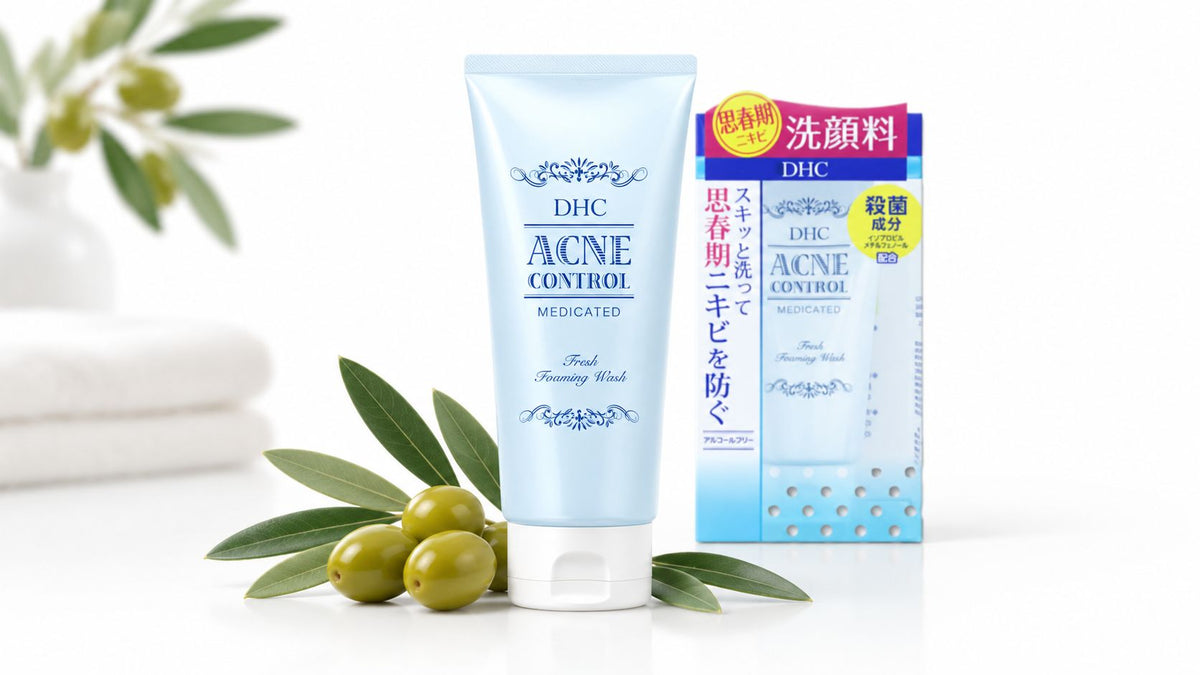
That matters because it expands the idea of beauty beyond creams and serums alone. It also helps explain growing interest in brands like DHC and other wellness-adjacent names within the broader J-Beauty space.
Which category should I try first
Start with the category that fixes an everyday annoyance:
- Hate heavy SPF, try a Japanese sunscreen
- Have dry tight skin, try a hydrating lotion
- Struggle with rough ends, try a Japanese hair mask
- Want easy makeup, try blush or brows before foundation
That’s usually the fastest route to understanding why these brands inspire such loyalty.
Begin Your J-Beauty Journey with Confidence
The best japanese cosmetic brands aren’t just famous names. They reflect a beauty culture built on consistency, comfort, smart formulation, and respect for daily use. That’s why Japanese skincare, makeup, and haircare often feel so satisfying. The products are made to fit into life, not just into trends.
Once you know your main concern and learn a little of the product language, the category stops feeling overwhelming. It starts feeling precise.
If you're ready to shop authentic Japanese beauty, Buy Me Japan is a practical place to start. It specializes in products shipped directly from Japan, with a broad selection of skincare, makeup, and haircare from brands readers actively look for, including Shiseido, Hada Labo, Canmake, Anessa, d Program, Fino, Sekkisei, Biore, Tsubaki, and more.


Share:
Is Miso Paste Gluten Free? An Essential Guide for 2026
Where to Buy Japanese Snacks A Complete 2026 Guide