


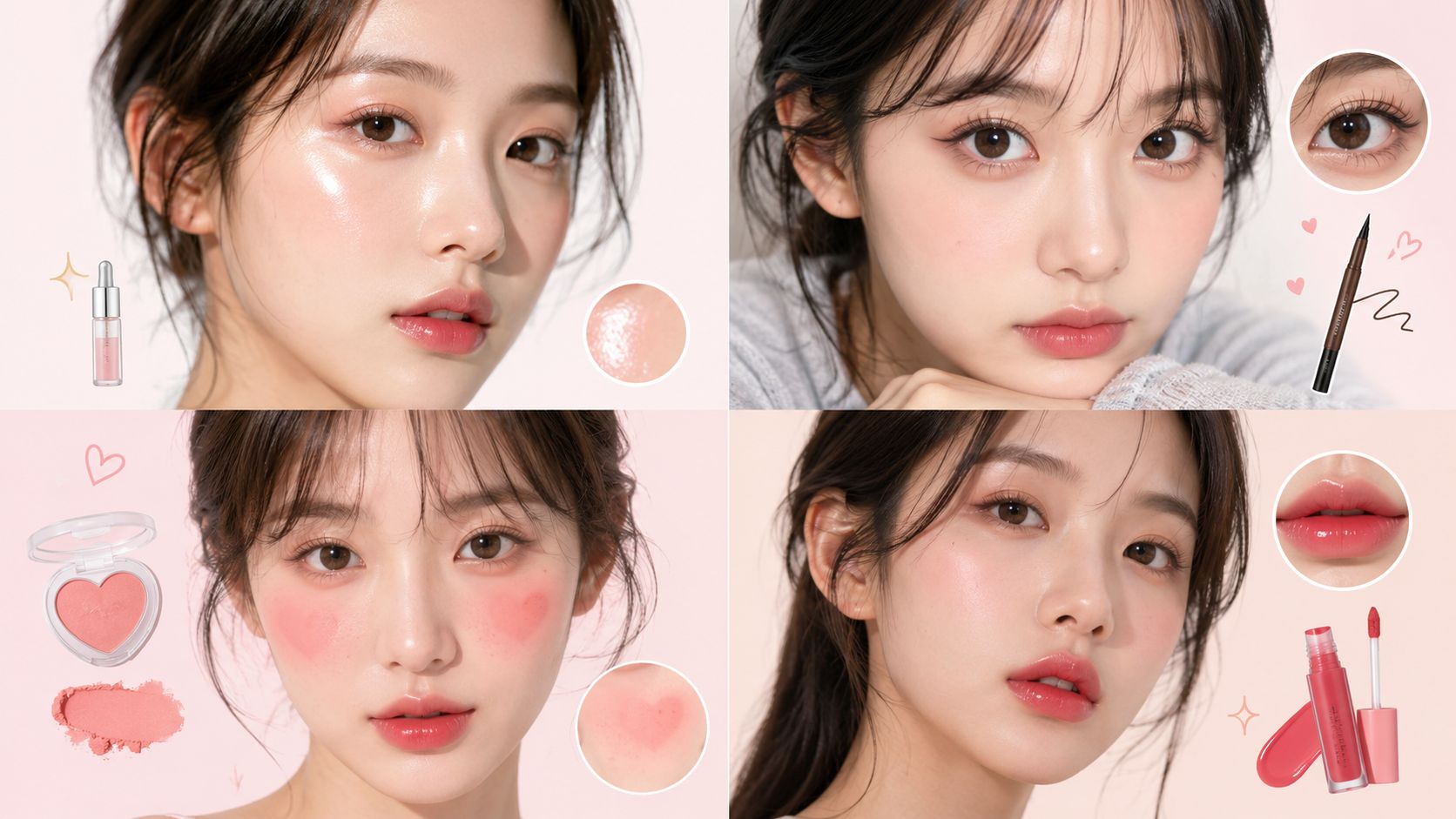
Are you drawn to cute makeup styles, but want something you can wear to school, work, brunch, or a quick trip out. That is exactly why Japanese makeup is so useful. It teaches cute makeup as balance: softer edges, fresher color, brighter features, and skin that still looks like skin.
That approach matters because “cute” is not one single face. In J-beauty, it often comes from placement and texture more than heavy product. A blurred lip can make the mouth look gentler. A low, rounded eyeliner shape can make the eyes look more innocent. A light wash of blush can make the whole face feel lively, like adding a warm filter to a photo without changing the picture underneath.
Social media helped these techniques travel far beyond Japan, but the reason they last is simple. They are wearable. They suit natural light, they photograph well, and they fit everyday routines without feeling costume-like. If you want more context for why softness, harmony, and youthful balance show up so often in these looks, this guide to Japanese beauty standards and aesthetics gives helpful background.
This guide is practical on purpose. You are not just looking at pretty reference photos. You are learning what each cute makeup style is trying to create, where that idea connects to Japanese beauty philosophy, which face shapes or preferences it tends to flatter, and which authentic Japanese products can help you get the look with less trial and error.
Below, you'll find eight wearable cute makeup styles built for real life and rooted in the details that make J-beauty feel so distinct.
1. Gradient Lip Makeup
What makes a lip color look sweet instead of strict? Often, it is not the shade itself. It is where the color sits.
A gradient lip keeps the deepest color at the center of the mouth and lets it fade outward. That soft fade creates a petal-like effect, which fits Japanese beauty philosophy well because the finish feels light, youthful, and harmonious rather than heavily drawn. If you want more background on why softness and balance show up so often in these looks, this guide to Japanese beauty standards explains the aesthetic clearly.

The technique is simple, but placement matters. Full-coverage lipstick colors the whole mouth evenly. A gradient lip works more like watercolor on paper. The center stays concentrated, and the edges melt into your natural lip tone. That is why it looks especially charming with fresh skin and softly defined features.
How to create it without losing the fade
Start with lips that feel smooth, not greasy. A thin layer of balm helps prepare the surface, but blot off the extra first. If the lips are too slippery, the pigment spreads too far and the center loses definition.
Then build the look in this order:
- Neutralize the outer lip slightly: Tap a tiny amount of concealer or foundation around the lip line if your natural lip color is strong.
- Add color to the inner lip area: Press a pink, rose, berry, or soft red tint onto the center of both lips.
- Tap outward with your fingertip or a small brush: Stop before you reach the outer corners. Leaving a softer edge is what keeps the look cute.
- Choose your finish: Leave it blurred for a just-bitten effect, or add a little gloss only to the center for a rounder, fuller look.
Japanese lip products are especially good for this because many formulas are made to stain lightly or sheer out without turning patchy. Instead of repeating the same brand links throughout the article, it makes more sense to browse Buy Me Japan's wider Japanese lip makeup selection for products that suit this style. For this look, lip tints, balm rouges, and glossy stains tend to work better than opaque matte bullets.
If your lips are smaller, keep the color concentrated in a narrower oval at the center. If your lips are fuller, you can blend a bit farther outward while still keeping the border soft. Readers who also want guidance on balancing lip makeup with different eye shapes can use this guide to makeup techniques for Asian eyes, especially if they are building a full cute makeup look rather than changing only the lips.
A gradient lip usually looks most balanced with diffused blush, gentle brows, and light eye definition.
You will also see some overlap between this soft-focus lip style and Korean makeup preferences. If that connection interests you, the K-Beauty aegyo sal trend gives useful context on how youthful placement and softness shape nearby beauty trends too.
For everyday wear, rose tea, peach, and muted cherry are easy starting shades. For a dressier version, try a deeper berry in the center with a satin base and softly shaded eyes.
2. Puppy Dog Eyes
What makes eyes look gentle and a little wistful instead of sharp and lifted? In Japanese cute makeup, the answer is shape control. Puppy dog eyes soften the outer corners, keep the lash line light, and add a touch of fullness under the eye so the whole eye area looks rounder and more tender.

This style connects closely to a broader Japanese beauty preference for sweetness over drama. The goal is not a sleepy eye or a drooping line. It is a small adjustment in visual direction, almost like sketching a soft curve instead of a pointed wing. That difference matters a lot on monolids, hooded lids, and shorter lid space, where heavy liner can crowd the eye instead of opening it.
Aegyo-sal makeup often overlaps with this look. If you want background on that style, this explainer on the K-Beauty aegyo sal trend gives a useful overview. If your eye shape makes lower-lid placement tricky, this guide to makeup for Asian eyes helps explain where to place liner, shadow, and brightness so the effect stays soft.
How to build the shape
Start with the upper lash line. Draw a very thin brown or greige line that follows your natural eye shape, then let it dip slightly at the outer few millimeters instead of flicking upward. Smudge the edge with a tiny brush or cotton bud. Soft focus is what makes this cute, not graphic precision.
Then work on the lower eye. Press a beige, pale pink, or champagne shimmer onto the natural puff under the eye. Just below that, add a whisper of taupe to create a shadow. It works like shading a ribbon so it looks rounded rather than flat. Keep both tones light. If the contour line is too dark, the effect turns tired instead of youthful.
Mascara finishes the look. Curl the lashes well, concentrate mascara at the center and outer half, and avoid thick spidery coats. Japanese mascaras are especially helpful here because many hold a curl without making lashes look bulky. Buy Me Japan's Japanese eyeliners are a better starting point for this technique than broad brand pages, since a fine pencil or liquid liner changes the result more than the logo on the tube. For lashes, browse Japanese mascaras if you want that separated, doll-like finish common in J-beauty tutorials.
Color balance matters too. A soft pink or apricot cheek keeps puppy dog eyes from looking disconnected from the rest of the face. If you are unsure which blush family supports your eye look without fighting it, this guide to choosing blush for your skin tone is useful.
A very real everyday version of this look is the person getting ready for class or work after a short night of sleep. She skips thick liner, brightens the inner corner, adds a tiny under-eye shimmer, curls the lashes, and suddenly the eyes look sweeter and more awake. That practical, polished softness is a big part of why this style has lasted.
Here's a visual demo if you want to see the placement more clearly.
3. Natural Flush Cheek Makeup
Why does a light touch of blush make the whole face look softer, sweeter, and more awake?
In many Japanese makeup looks, blush does that job. Instead of carving the face or adding sharp contrast, it brings back the gentle color that skin naturally shows after a walk, a warm drink, or a little embarrassment. That is why this style reads as cute rather than dramatic. It follows a J-beauty idea that comes up again and again: makeup should support the face's natural harmony, not overpower it.

Placement changes the mood
Blush placement works like lighting in a photo. Move it slightly, and the feeling of the whole look changes.
For a natural flush, place color a little higher on the cheeks than you would for a sculpted, contour-heavy style. Start near the apples, then blend upward toward the outer cheek. That lift keeps the face fresh and rounded. If you want a more innocent, slightly sun-kissed effect, tap a small amount across the bridge of the nose too.
The key is diffusion. You should notice freshness first, not stripes of color.
A few guidelines make this easier:
- Pick a believable shade: Cool pink and soft peach often look very natural on fair to light skin. Coral, apricot, rose, and warm pink usually show up more beautifully on medium to deep skin.
- Build in thin layers: One sheer layer can disappear. One heavy layer can sit on top of the skin. Two light layers usually look more convincing.
- Blur the edges well: A fluffy brush works well for powder blush. Fingertips or a sponge help press cream blush in so it looks like part of the base.
If shade matching always feels tricky, this guide to choosing blush for your skin tone can help you narrow it down.
Texture matters too. Powder blush gives a soft, airy finish. Cream blush looks more skin-like and pairs especially well with a luminous base. If your cheek color turns patchy, the problem is often underneath the blush, not the blush itself. A smoother, hydrated base makes blending easier, which is why a guide on how to get a glass-skin glow with Japanese skincare and makeup is useful here.
For acne-prone skin, base prep also affects how blush sits on the cheeks. This quick guide to skincare layering for acne-prone skin explains the order clearly.
For authentic J-beauty options, skip the broad brand pages and go straight to blush formulas known for this translucent finish. Canmake Cream Cheek is popular for a soft, bouncy glow that melts into the skin, while Cezanne Natural Cheek N is loved for a sheer powder finish that is easy to control. Both reflect a very Japanese approach to color: light, buildable, and forgiving.
Practical rule: If your blush grabs attention before your mascara and lip color are on, blend the edges and reduce one layer.
4. Dewy Glass Skin Base
What makes cute makeup look fresh instead of heavy. Usually, it starts with the skin.
A dewy glass-skin base gives the whole face that soft, light-catching finish often seen in Japanese makeup. The goal is not greasy shine or a thick “perfect” mask. It is skin that looks well cared for, even-toned, and softly luminous, almost like light is passing through a thin layer of clear silk.
Japanese beauty philosophy approaches this look in a very practical way. Skin prep and makeup are part of the same routine, so hydration, texture, and thin layers matter as much as color. If you want the full method, Buy Me Japan explains it clearly in this guide to how to achieve glass skin.

Build glow in thin layers
The easiest mistake is using full-coverage foundation to chase a glossy finish. That usually creates a shiny surface, but not a glassy one. Glass skin works more like a well-polished window. The smoother and more hydrated the surface is, the better it reflects light.
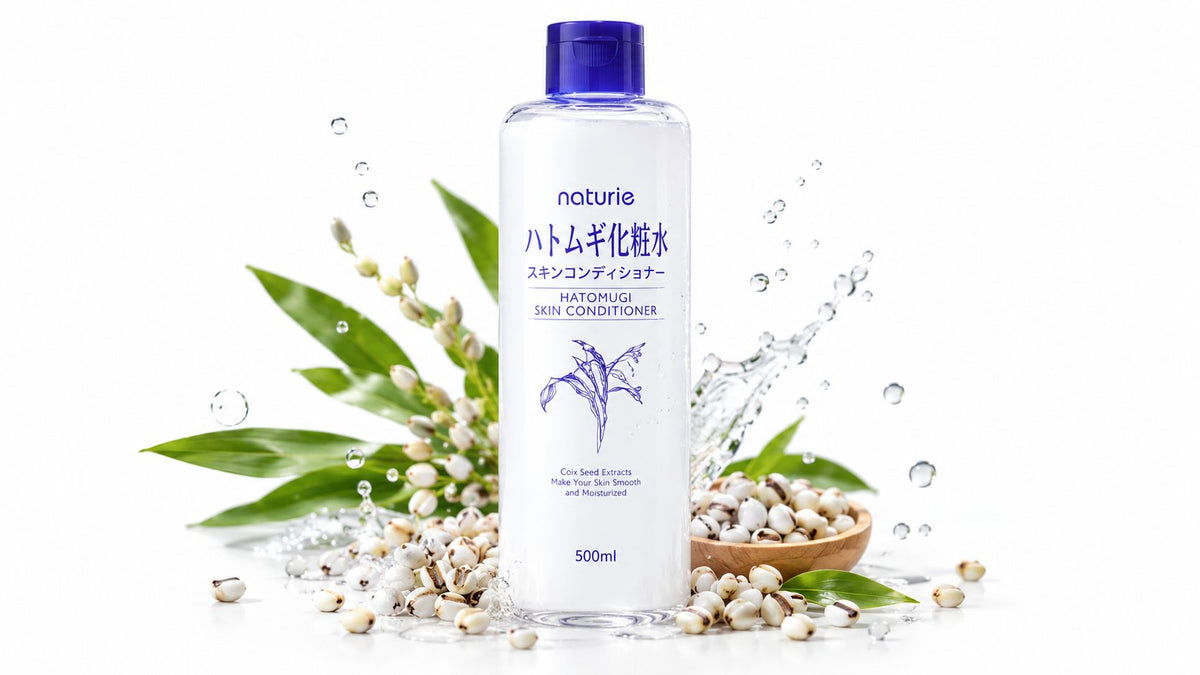
Start with moisture. A lotion-toner and a serum help soften dry patches, then a light moisturizer keeps the base flexible so makeup does not cling. Hada Labo products are a strong match for this step because Japanese hydrating lotions are designed to add water to the skin without feeling greasy. For daytime, Anessa sunscreen fits well under makeup and helps keep the finish smooth rather than chalky.
Then keep complexion coverage selective. Use a light foundation, skin tint, or cushion only where redness or unevenness needs softening, usually around the nose, center of the cheeks, or chin. Leave some areas with less product. That variation is part of what makes the face look natural and youthful.
For acne-prone or reactive skin, application order matters as much as product choice. This article on skincare layering for acne-prone skin gives a simple reminder that order and texture affect how products sit.
A helpful way to picture the final result is everyday kawaii makeup, not studio makeup. For class, brunch, or a café date, you want skin that looks calm and healthy from a normal distance. In Japanese beauty, that restraint is part of the charm. The base supports the blush, brows, and lips instead of competing with them.
5. Soft Eyeshadow Gradient
Why do some “cute” eye looks appear soft and bright, while others turn dusty or overdone by noon? The difference is usually the gradient. In Japanese makeup, the lid is often shaded the way watercolor fades across paper. Color melts from light to slightly deeper tones, so the eyes look sweet, clear, and gently defined instead of heavily styled.
This approach fits a core J-beauty idea. Makeup should support the expression of the face, not cover it. A soft eyeshadow gradient keeps attention on the eyes themselves. It adds mood with small shifts in tone, which is why it works so well for everyday kawaii makeup.
How to build a soft gradient
Start with the lightest shade over most of the lid. This creates a clean backdrop, much like priming a canvas with a pale wash before adding detail. Then place a medium shade close to the outer lid or just above the lash line, keeping it diffused. Finish with a light-reflective shade on the inner corner or center of the lid where blinking naturally catches light.
The key is low contrast. Shell pink with taupe, apricot with beige-brown, and lavender with grey-beige all create that hazy, youthful softness seen in many Japanese eye looks. If the color jump looks obvious in the pan, it will usually look even stronger on the eye.
A simple palette map helps:
- Base shade: Ivory, pale peach, soft pink, or light beige across the lid
- Middle shade: Muted rose, milk tea brown, soft coral, or taupe on the outer third
- Glow shade: Pearl, champagne, or fine shimmer at the inner corner or center
Japanese brands are especially good at this kind of restrained color payoff. Instead of one loud statement shade, many J-beauty palettes are arranged to guide your eye from light to medium to glow. That makes them practical, especially if you are still learning placement. On Buy Me Japan, you can browse more targeted options such as Kate eyeshadow palettes, Canmake eye color palettes, or Cezanne eyeshadow quads without relying on the broader brand pages used elsewhere in this guide.
One detail beginners often miss is the edge. Cute makeup rarely needs a sharp border on the lid. If you can see exactly where the color starts and stops, blend that edge once more with a clean fingertip or brush. The result should look soft enough that the eye appears naturally brightened, almost like the lid has a gentle tint rather than obvious shadow.
Recent tutorial trends also support this softer direction. This soft-focus makeup tutorial reference shows how subtle blending and low-contrast definition create a more wearable kind of cuteness.
Cute eye makeup looks more polished when the tones fade into each other and the shimmer stays controlled.
6. Thin and Straight Eyebrow
A thin, straight brow changes the whole expression of the face. It softens sharpness the way a rounded handwritten font feels gentler than bold block letters. In many Japanese makeup styles, the brow is there to support the eyes, cheeks, and lips, not compete with them.
The goal is not to force your brows into a flat line. The goal is to relax the arch, keep the width refined, and make the color look airy rather than heavy. That balance is a big part of kawaii makeup. The face reads as calm, approachable, and a little more innocent.
How to shape a softer brow
Start by brushing the brow hairs upward and slightly outward. This shows you the true shape, including where the arch naturally peaks and where the sparse areas are. Once you can see that map clearly, filling becomes much easier.
Then follow this order:
- Soften the outline: Skip a hard border around the whole brow. Concentrate on the lower edge only where it looks uneven.
- Fill gaps with small strokes: Add short, hairlike marks through sparse spots, especially the tail. A packed-in block of color usually looks too severe for this style.
- Keep the front diffused: The inner brow should fade in gently. If it starts dark and square, the look turns mature very quickly.
- Reduce the arch visually: Place a little more product through the straight middle section instead of exaggerating the highest point.
- Set with a light gel: Clear or softly tinted brow gel keeps the hairs tidy while preserving that feathery finish.
Color choice matters as much as shape. A shade slightly lighter or softer than your natural brow hair often gives a sweeter result, especially in photos. If your blush and eyes seem to disappear whenever your brows are done, the brows are probably carrying too much visual weight.
On Buy Me Japan, Kirei & co. makeup and Chifure cosmetics are useful places to start if you prefer understated daily makeup. For more targeted options, browse the Japanese eye cream picks for dark circles and brightening and the site's eyebrow makeup category, which is more helpful here than a broad brand page because it lets you compare pencils, powders, and brow mascaras by finish.
A good practical check is this: after filling your brows, step back from the mirror. If your eyes still look like the focus, the balance is right. If the brows arrive first, lighten the front, soften the tail, and brush through once more.
7. Undereye Concealing Emphasis
Japanese cute makeup often treats the under-eye area like soft lighting in a room. If the shadows are reduced in the right places, the whole face looks fresher and gentler, even before you add much color. That is why this style is less about heavy coverage and more about careful placement.
A useful tutorial on cute makeup for textured skin shows the same idea clearly. Less product usually looks better under the eyes. Brightening the inner corner and choosing cream textures helps the finish stay closer to real skin instead of turning dry or bulky.
If darkness is persistent, skincare can support the makeup result. Buy Me Japan also has a guide to the best eye cream for dark circles in Japan.
How to make the under-eye look bright, not flat
A lot of people spread concealer across the entire under-eye, like painting a wall with one solid coat. Cute makeup usually works better with spot correction. You only need to soften the deepest shadow, which is often near the inner corner and along the small hollow just below it.
Try it in this order:
- Prep lightly: Use a small amount of eye cream and give it a minute to settle so concealer does not slide.
- Neutralize first: If your circles look blue, purple, or brown, use a tiny bit of peach or pink corrector before concealer.
- Place concealer only on shadow: Tap it where the darkness is strongest instead of coating the whole area.
- Add a pinpoint of brightness: A touch of lighter concealer at the inner lower eye can make the face look more awake.
- Set only where you crease: A little powder at the fold line is usually enough.
This approach reflects a very Japanese beauty idea. Correct what interrupts harmony, then keep the skin looking like skin. On Buy Me Japan, the Japanese concealer selection is more useful here than repeating broad brand pages, because you can compare textures, tones, and coverage styles side by side.
If you like playful packaging as much as practical formulas, even a piece like Hello Kitty lipstick from Japan shows how kawaii beauty often balances charm with everyday usability. The same philosophy applies under the eyes. A small, well-placed amount usually creates a softer and cuter result than a thick layer ever will.
8. Tinted Lip Tint Stain
A lip tint is the product version of cute makeup's practical side. Instead of sitting on top of the lips like a traditional lipstick, it leaves color behind like watercolor soaking into paper. The result looks softer, lasts longer through the day, and fades in a way that usually still looks pretty.
That matters in Japanese beauty because kawaii is not only about looking sweet. It is also about looking fresh, approachable, and put together without a lot of maintenance.
Lip tints work especially well if regular lipstick disappears after coffee, lunch, or a few hours of talking. They give you that just-bitten, healthy color that suits many cute makeup styles, from school-friendly looks to date makeup. They are also one of the easiest ways to connect this section back to Japanese beauty philosophy. Keep the effect light, balanced, and natural-looking, then build only where you want extra charm.
A simple way to use them is to choose the finish first, then adjust the placement:
- For a soft everyday stain: Apply a thin layer across the lips and blot once.
- For a blurred kawaii lip: Tap the tint into the center first, then soften the edges with your fingertip.
- For a syrupy, sweeter look: Let the stain set, then press a clear balm or gloss on top.
- For better comfort: Use a small amount of balm beforehand, then blot away the extra so the tint can grip evenly.
If you are shopping on Buy Me Japan, the Japanese lip tint selection is more useful here than jumping between repeated brand pages, because you can compare watery stains, glossy tints, and balm-like formulas in one place. Watery tints usually give the clearest stained effect. Gel and serum-style tints feel gentler on dry lips. Gloss tints create the cutest shine, but they may need a little more attention after eating.
For an easy real-life combination, try a peach or rose tint with curled lashes, softly straight brows, and cream blush high on the cheeks. It takes only a few minutes, but it still reads unmistakably cute. If you enjoy the playful side of J-beauty packaging too, this piece on Hello Kitty lipstick and cute Japanese beauty culture shows how charm and daily usability often go together in Japanese makeup.
8-Style Cute Makeup Comparison
| Style | Implementation complexity | Resource requirements | Expected outcomes | Ideal use cases | Key advantages |
|---|---|---|---|---|---|
| Gradient Lip Makeup (Ombré Lips) | Moderate, precision blending required | Multiple lip shades, liner, small brushes/sponges, gloss/tint | Fuller, dimensional lips with soft center-to-edge gradient | Social media looks, dates, versatile day/evening makeup | Customizable color combos, enhances lip fullness, photogenic |
| Puppy Dog Eyes (Aegyo-Sal Makeup) | Low–Moderate, careful placement and subtlety | Light shimmery shadow, small brush, primer, optional contour | Brighter, larger-looking under-eye area with youthful effect | Everyday cute looks, close-up eye emphasis, K/J-beauty styles | Makes eyes appear bigger, minimal products, universally flattering |
| Natural Flush Cheek Makeup (Sakura Blush) | Low, blending to avoid harsh lines | Blush (cream or powder), fluffy brush, optional highlighter | Soft, natural pink/peach flush that mimics healthy skin | Daytime wear, spring looks, natural makeup routines | Natural youthful glow, enhances facial dimension, versatile |
| Dewy Glass Skin Base (Moist Makeup) | High, requires thorough skincare prep and layering | Hydrating skincare (toner/serum/moisturizer), primer, lightweight foundation/BB, hydrating sprays/highlighter | Hydrated, luminous, glass-like complexion with subtle glow | Skincare-first routines, photoshoots, fresh daytime aesthetics | Youthful radiance, minimal heavy foundation, emphasizes skin health |
| Soft Eyeshadow Gradient (Pastel Eye Makeup) | Moderate, multi-shade blending skill needed | Pastel eyeshadow palette, primer, blending and flat brushes, setting spray | Gentle, dimensional eye color with seamless pastel transitions | Casual to formal events, anime-inspired or soft glam looks | Versatile color combos, wearable, flattering for many eye shapes |
| Thin & Straight Eyebrow (Natural Brow) | Low, grooming and light, precise filling | Brow pencil/powder, spoolie, tweezers or grooming tools, clear gel | Soft, straight or gently arched brows with natural definition | Everyday natural makeup, minimalist or trendy cute looks | Low maintenance, complements delicate features, easy to adjust |
| Undereye Concealing Emphasis (Dark Circle Coverage) | Moderate, color correction and blending needed | Color corrector, concealer, small sponge/brush, translucent powder | Brightened, well-rested under-eye appearance with natural coverage | Tired-looking skin, photo-ready makeup, foundational cute routines | Significant brightening effect, customizable coverage, enhances face overall |
| Tinted Lip Tint Stain (Long-Wearing Lip Color) | Low–Moderate, technique for even application | Lip tint, lip balm, lip brush, makeup remover | Natural, long-lasting stained lips that feel lightweight | Everyday wear, travel, gradient lip techniques, long days | Long-wearing, comfortable, transfer-resistant, affordable options |
Embrace Your Inner Kawaii With Japanese Beauty
What makes a makeup look feel kawaii? It is rarely heavy contour or bold drama. In Japanese beauty, cuteness usually comes from balance. Soft color, light layers, clear skin, and carefully placed definition work together to make features look fresh, gentle, and expressive.
That philosophy connects all eight styles in this guide. A gradient lip creates a petal-like softness. Puppy dog liner lowers and rounds the eyes for a sweeter expression. Dewy base makeup keeps skin looking alive instead of masked. Each technique has a different result, but they share the same idea. Makeup should support your natural features, not cover them up.
Japanese brands do this especially well because their formulas are often designed for thin, buildable application. Canmake blushes diffuse softly instead of grabbing in one spot. Cezanne and Kate make brow products that help you sketch a straighter, lighter brow without a blocky finish. Majolica Majorca and Shiseido excel at shimmer, tint, and definition that read clearly in daylight but still look delicate. If cute makeup styles ever seem hard to copy, the formula is often the missing piece.
Texture matters just as much as color.
A lip tint that stains evenly helps a gradient lip look blurred instead of patchy. A cream blush with a translucent base gives a natural flush that looks like it comes from under the skin. A hydrating cushion or gel-cream base helps create the glossy, healthy finish behind glass skin. Japanese beauty philosophy pays close attention to these small texture differences because they change the mood of the whole face.
This is also why authentic J-beauty products are worth seeking out if you want the look shown in Japanese tutorials and magazines. Cute makeup is less about piling on more products and more about choosing the right finish for each step. Buying from a Japan-focused retailer makes it easier to find the original versions from brands such as Canmake, Kate, Shiseido, Cezanne, Hada Labo, Chifure, and Majolica Majorca, rather than guessing through reformulations or limited export ranges.
You do not need one face shape or one skin type to wear these styles well. If your skin is textured, use thinner layers and place glow on the high points instead of all over. If you are acne-prone or sensitive, look for lighter gels, liquid tints, and spot-concealing instead of full coverage. If you have mature skin, softer gradients and hydrated finishes usually keep the look fresh. Cute makeup works like handwriting. The style is recognizable, but the final version should still look like you.
For readers who want authentic Japanese beauty shipped directly from Japan, Buy Me Japan is one practical place to explore brands like Canmake, Kate, Shiseido, Cezanne, Hada Labo, and more in one store. That makes it easier to build a full routine around the Japanese approach to cute makeup rather than mixing in products that create a different finish.
If you want to recreate these cute makeup styles with authentic Japanese products, browse Buy Me Japan for J-beauty makeup, skincare, and everyday essentials shipped directly from Japan.
Share:
The Ultimate Guide to Non Alcoholic Japanese Drinks
Japanese Hydration Tech: Lip Balm Water Based Guide