


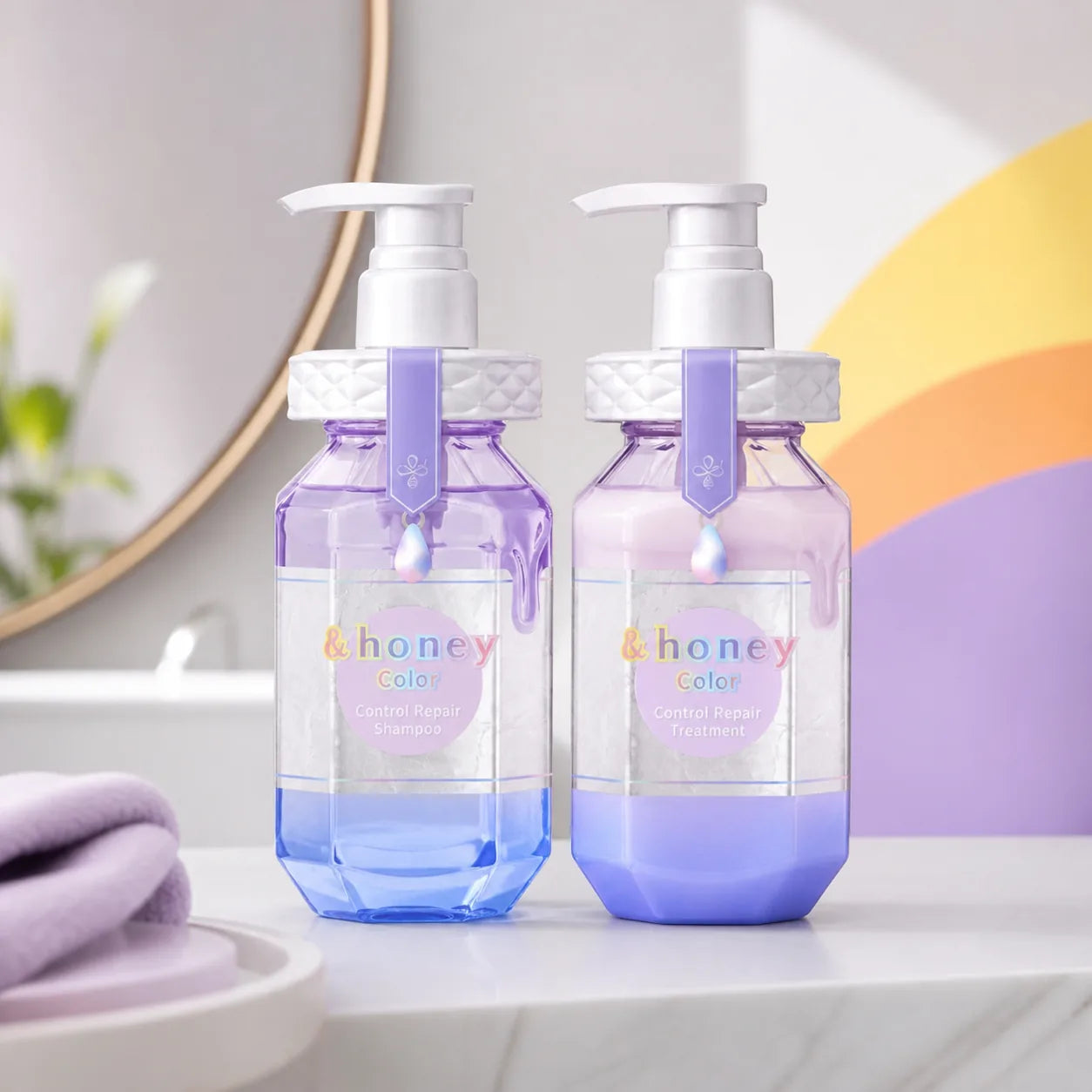
Hair toner can sound more mysterious than it is. It does not suddenly turn dark hair platinum, repair breakage, or lock one colour in forever. Its job is more specific: after hair has been lightened or coloured, toner shifts the visible undertone so the result looks cooler, warmer, softer, or more even.
The useful question is not “Which toner is best?” but “What am I trying to soften?” Look at your hair near a window, without a ring light or bathroom yellowing the picture. You may see pale yellow, gold, orange, copper, or a red cast. Those are the notes a toner is trying to balance.
Read your starting colour before buying anything
Very light blonde hair often shows yellow as the tone fades. Violet-based products are commonly used to make that yellow look less pronounced. Orange warmth usually needs a blue-leaning direction. Red or copper tones call for a different approach again, and the result depends on how light the hair was lifted in the first place.
This is why two people can use the same violet shampoo and get completely different results. One may see a cleaner blonde; the other may see almost no change because the underlying hair is still too deep or too orange. If you are lifting hair significantly, a professional colourist is the safer person to decide on bleach strength and toner formula.
What toner can—and cannot—do
A toner can refine the cast of existing colour. It can make fresh highlights look less brassy, cool down a blonde that has become yellow, or help a beige shade look more balanced. It cannot replace lightening, permanently cover grey, or mend damaged ends. The effect also fades because it sits on or near the surface of the hair rather than changing the underlying pigment forever.
That makes maintenance more important than chasing a dramatic result in one wash. Gentle cleansing, conditioning, less heat, and realistic refresh timing tend to keep coloured hair looking better than constant re-toning.
A calmer way to maintain colour
- Wash with lukewarm water. Very hot water can make dry, coloured lengths feel rougher.
- Use colour-care products as support, not magic. They can help you keep hair manageable between appointments, but they do not freeze colour in place.
- Condition every wash. Start at the mid-lengths and ends, where lightened hair usually needs the most slip.
- Use pigment sparingly. Purple or blue maintenance products work best when you use them only as often as your hair needs. Too much can leave light hair dull or uneven.
- Protect from heat. Blow-drying and hot tools are easier on coloured hair when you use a leave-in product and the lowest effective temperature.
Useful Japanese products for coloured or lightened hair
These are maintenance products, not toners themselves. They make sense when your aim is to keep treated hair soft and easier to manage while your tone lasts.

My Boostars Hematin Boost Airy Volume & Color Care Shampoo, Treatment & Mist Serum Set
This set is a convenient option when you want a matching wash, treatment, and leave-in step for colour-treated hair. The mist serum is especially useful for lengths that feel drier after lightening; use a small amount on damp hair rather than saturating it.

Milbon Elujuda Bleach Care Serum 120ml
Lightened ends often need more slip before drying than uncoloured hair. This serum fits that role: apply a modest amount to towel-dried lengths, comb it through gently, and adjust the amount to your hair density.

Shiseido Fino Concentrate Serum Shot Hair Mask (8 Units)
A rinse-off mask is a helpful occasional reset when coloured lengths feel rough after washing. Keep it off the scalp, work it through the driest sections, and rinse carefully so fine hair does not feel overloaded.
Common toner mistakes worth avoiding
Do not choose a toner from the swatch on the box alone. Your current starting shade matters more. Do not keep a product on longer because you want a stronger correction; follow the brand directions. And do not treat a purple shampoo as a weekly obligation if your blonde already looks balanced.
Most importantly, listen to your scalp and hair. Burning, swelling, or an unusually itchy reaction is a reason to rinse, stop, and get professional advice. Dry, snapping ends are a separate problem from brassiness and usually respond better to gentler handling, conditioning, and eventually a trim.
Good colour is rarely maintained by one heroic product. It is the quiet combination of realistic expectations, a gentle wash routine, and a little patience between salon visits. Browse authentic Japanese hair-care options at Buy Me Japan and check the current product details before ordering.


Share:
Kose Softymo Cleansing Oil Types
How to Apply Eyeliner Properly Step by Step