


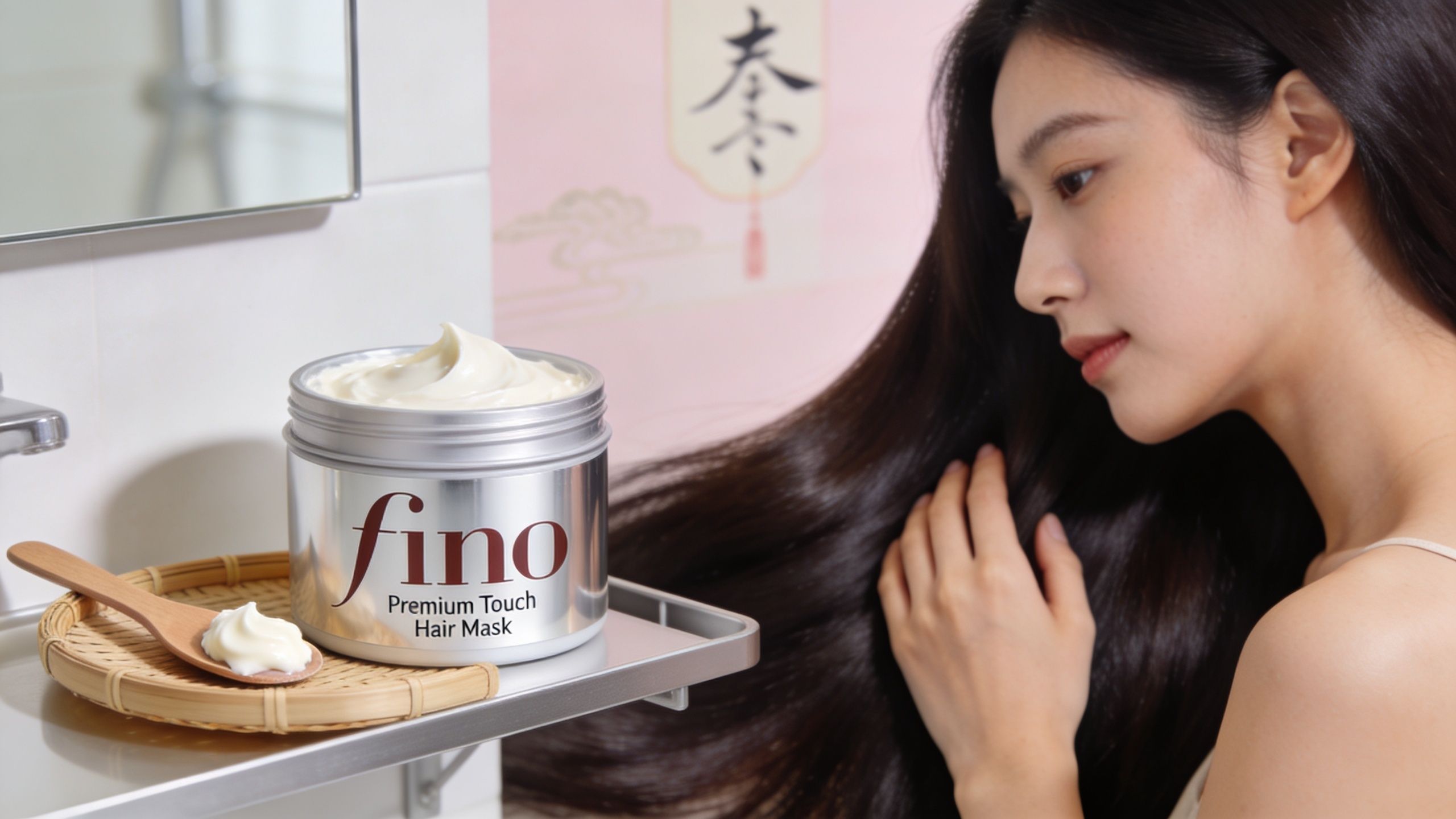
You’ve probably seen the red tub already. Maybe it was on TikTok, maybe in a “Japanese drugstore must-haves” video, or maybe in a before-and-after reel that made the fino premium touch hair mask look like an instant shortcut to glossy hair.
That curiosity makes sense. Japanese hair care has a strong reputation for practical formulas, elegant textures, and reliable results. But when a product gets this much attention, the useful questions change. You don’t just want to know what it is. You want to know whether it suits your hair, how to use it properly, what the ingredients do, and how to make sure you’re buying the authentic version from Japan.
What Is the Viral Fino Premium Touch Hair Mask
The fino premium touch hair mask is a Japanese rinse-off treatment from Shiseido. It’s become a cult favorite because it promises something many people want from a hair mask: smoother, shinier, more manageable hair without the salon price tag.

What made it explode internationally is easy to understand. The product sits in a sweet spot between Japanese drugstore accessibility and premium-feeling performance. It’s priced at around $22 USD, comes in a 230g container, and has a SkinSAFE rating of 91, meaning it is 91% free of the top 11 most common allergens as determined by Mayo Clinic Research, according to this Fino review.
Why people call it a Japanese cult favorite
In Japan, products like this often earn loyalty because they’re easy to use and fit into normal weekly routines. Fino doesn’t position itself as an obscure luxury treatment. It feels more like a dependable staple that gives hair a polished finish at home.
That matters for international shoppers. A lot of viral beauty products look good online but feel disappointing in real life. Fino became popular because many users found the texture, slip, and finish immediately noticeable after washing.
The appeal isn’t mysterious. People want hair that feels soft when wet, detangles easily, and looks smoother once dry.
What “premium touch” really means
The name can sound vague if you’re new to Japanese beauty. In practice, “premium touch” refers to the sensory experience and finish. The mask has a rich texture, a salon-like scent profile, and a formula designed to reduce roughness on the hair surface.
If you’re shopping internationally, authenticity matters as much as performance. Japanese hair care is widely copied once it goes viral. That’s why many buyers look for direct-from-Japan retailers when choosing staples like Fino, especially if they want the product in its original market format rather than a questionable marketplace listing.
A Deep Dive into Fino's Key Ingredients
The reason Fino feels impressive so quickly isn’t magic. It’s formulation design. The mask combines moisture-binding ingredients, protective conditioning agents, and smoothing materials that help damaged hair feel less rough after rinsing.
One of the clearest ways to understand it is to look at the formula by job rather than by chemistry label.
Fino Hair Mask Key Ingredient Breakdown
| Ingredient | Primary Benefit |
|---|---|
| Royal Jelly EX | Helps replenish nutrients in damaged hair |
| PCA | Helps hold moisture in the hair fiber |
| Lipidure EX | Helps support the hair’s protective surface |
| Dimethicone | Adds slip, smoothness, and visible shine |
| Squalane | Softens and helps reduce dry feel |
| Hydrolyzed Wheat Protein | Supports a conditioned, less brittle feel |
| Polyquaternium-64 | Helps with detangling and static control |
According to the ingredient profile for Shiseido Fino Premium Touch Hair Mask, the formula includes Royal Jelly EX to replenish nutrients, PCA to increase moisture retention by 25-40% in damaged hair, and Lipidure EX to restore the hair’s protective lipid barrier and improve combability by 50%.
What these ingredients do on real hair
Royal Jelly EX is one of the ingredients people recognize first. In plain language, it’s there to support hair that feels depleted from coloring, heat styling, or dryness. It fits the product’s “repairing” image, although it’s better to think of that repair as cosmetic conditioning rather than a permanent reversal of damage.
PCA is a humectant. That means it helps hold onto water. If your hair feels straw-like after shampooing, moisture-holding ingredients matter because they help the hair feel less rigid and more flexible.
Lipidure EX is useful when hair feels rough or catches on itself. The hair surface has a protective layer, and when that surface is worn down, strands stop gliding well. This type of ingredient helps hair feel more coated and easier to comb.
Why silicones are a big part of the experience
A lot of confusion around Fino comes from one question: is it repairing hair, or just making it feel nice?
The most honest answer is that it does both in different ways. The immediate silkiness many people notice comes largely from silicones, especially friction-reducing ingredients like dimethicone. They coat the hair surface, reduce drag, and reflect light better, which is why hair can look shinier after one use.
That doesn’t make the result fake. It just means the effect is surface-focused and practical.
Ingredient reality: If a mask makes your hair easier to comb, softer to touch, and less frizzy after rinsing, that’s still real performance, even if it doesn’t permanently rebuild every damaged strand.
If you enjoy learning how Japanese hair oils and masks work together, this guide to using camellia oil for hair adds useful context.
Is The Fino Hair Mask Right for Your Hair Type
Not every viral hair mask works for every person. Fino tends to make the most sense for hair that feels dry, processed, rough, or hard to detangle. If your ends look dull after coloring or frequent heat styling, this kind of rich mask is often easier to appreciate.
Hair types that usually get the most from it
Fino is often a strong match for:
- Color-treated hair because hair that has been dyed often loses softness and shine first
- Dry or coarse hair because richer masks help reduce that rough, puffy feel
- Heat-styled hair because smoothing agents help hair feel more controlled
- Frizz-prone lengths and ends because the formula is designed to improve slip
If your hair feels fine near the roots but drier toward the ends, you may still like it when applied only where you need it most.
Who should be more careful
There’s a point that gets skipped in a lot of social content. Some reviews note that Fino isn’t always recommended for people with very sensitive skin or scalps because of potent ingredients such as royal jelly extract or silicones, as discussed in this review on sensitivity concerns.
That doesn’t automatically mean it will irritate you. It means caution is sensible if your scalp reacts easily, if scented products tend to bother you, or if rich formulas usually leave you itchy or heavy.
A practical way to judge fit
Ask yourself three simple questions:
- Does your hair need softness more than volume?
- Are your lengths damaged, colored, or dry enough to benefit from a richer mask?
- Do you usually apply treatments away from the scalp?
If you answered yes to most of those, Fino is easier to recommend. If your hair is extremely fine, your scalp gets oily fast, or your skin is reactive, start carefully and keep the product on the mid-lengths and ends only.
For readers exploring gentler hair care habits overall, this article on how to use rice water for hair is a useful companion.
How to Use the Fino Mask for Salon-Quality Results
Good application changes the result. A rich Japanese hair mask can feel luxurious or disappointing depending on where you apply it, how long you leave it on, and how often you use it.

Most guidance advises using Fino only once or twice weekly rather than daily, because overuse of a silicone-based mask can lead to greasiness or flatness over time, especially on finer hair, according to this Fino usage guide.
The easiest step-by-step routine
-
Shampoo first
Your hair should be clean so the mask can coat the strands properly instead of mixing with oil and buildup. -
Squeeze out excess water
This step gets ignored a lot. If hair is dripping wet, the mask gets diluted and slides around instead of clinging where you need it. - Apply from mid-lengths to ends Focus on the driest parts. Typically, this refers to the lower half of the hair, not the scalp.
-
Distribute it evenly
Use your fingers or a wide-tooth comb so no area gets overloaded while another stays dry. -
Leave it on briefly
A few minutes is usually enough for a satisfying result in a normal shower routine. -
Rinse well with lukewarm water
If hair still feels coated in a heavy way after rinsing, you likely used too much.
How to avoid buildup
The most common mistake is treating Fino like a daily conditioner. It’s richer than that. If your roots go limp or your hair starts feeling coated, pull back on frequency and keep it away from the scalp.
Practical rule: Fine hair usually needs less product and less frequent use than thick, porous, or heavily processed hair.
Some people also like occasional heat-assisted conditioning. If you’re curious about methods such as deep conditioning with a bonnet dryer, the principle is simple: gentle warmth can help a treatment feel more intensive, but it only makes sense if your hair already tolerates rich masks well.
A visual walkthrough can help if you prefer to see texture and application in action.
If you’re building a full routine around masks and smoothing treatments, this roundup of Japanese shampoo and conditioner options can help you choose a better wash-day pairing.
Managing Expectations Realistic Results and Timeline
Fino works best when you expect the right kind of result. It is very good at making hair feel smoother, look shinier, and behave better after washing. It is not a permanent fix for severe breakage or split ends.

According to this review of the formula’s performance, the mask relies heavily on silicones and friction-reducing agents to detangle, smooth the hair surface, and create immediate shine. The same review also notes that it doesn’t permanently fix severe damage, even though users often report short-to-medium term improvements in appearance and manageability.
What you may notice first
The first thing many people notice is slip. Hair feels easier to detangle in the shower and softer while wet. Once dry, the visible changes are usually shine, reduced roughness, and less frizz through the lengths.
That immediate improvement matters. Hair that reflects light better often looks healthier, even when the underlying damage hasn’t disappeared.
What takes longer
The more gradual benefit is consistency. When a mask helps reduce friction and makes hair easier to manage, people often handle their hair more gently. That can support better-looking lengths over time, especially if you also reduce heat damage and mechanical stress.
Hair masks improve the condition you can feel and see. They don’t turn damaged ends back into virgin hair.
If your goal is broader recovery rather than one hero product, this guide to hair damage repair products can help you think in routines instead of miracles.
The Importance of Buying Authentic Fino Directly From Japan
You find Fino on a marketplace, the tub looks right, the price is low, and the reviews seem fine. Then it arrives. The scent is a little different, the texture feels thinner than expected, or your hair ends up coated instead of smooth. For international shoppers, that is often the first sign that buying location matters almost as much as the formula itself.

Why direct-from-Japan sourcing matters
Fino is a Japanese mass-beauty product with a huge online following, so it shows up in many storefronts that were never built around Japanese beauty. That creates a basic trust problem. A listing photo can be copied easily. A genuine supply chain is harder to verify.
Hair masks are especially tricky because small differences are noticeable fast. If the scent is off, the cream feels unusually loose or waxy, or your hair gets heavy in a way other users do not describe, the issue may be the product itself, not your technique. That matters if you have a sensitive scalp or hair that gets buildup easily, since a questionable product can make both concerns harder to sort out.
Buying from a store that specializes in Japanese products helps reduce that uncertainty. Buy Me Japan is one example of a retailer that focuses on Japanese beauty and positions its catalog around items shipped from Japan.
What to check before you place an order
Treat the product page like a label check in a store aisle. You are looking for signs that the seller knows exactly what they are offering.
A reliable listing should include:
- The full product name so you can confirm it is Shiseido Fino Premium Touch Hair Mask
- Clear origin or shipping details that explain whether it is fulfilled from Japan
- Photos that match Japanese retail packaging rather than generic stock images
- A store focus on Japanese products instead of a broad mix of random viral items
If you are comparing retailers, this guide to online stores that specialize in Japanese products can help you judge the seller before you judge the mask.
Authenticity affects your results
This point gets overlooked. People sometimes say Fino is overhyped when they may have received an old, mishandled, or questionable version.
A genuine product still may not suit every hair type. Fine hair can feel weighed down if you use too much, and some scalps do better when the mask stays strictly on the lengths. But at least you are evaluating an authentic formula. That gives you a fair read on scent, richness, slip, and how much residue it leaves behind after rinsing.
For a product with this much international demand, authenticity is part of performance. If you want an honest answer to whether Fino works for you, start with a seller you can evaluate clearly.
Common Fino Hair Mask Questions Answered
Is Fino better than other Japanese hair masks
It depends on what your hair needs. Fino is often chosen for a rich, smoothing finish. If your hair is dry, colored, or rough at the ends, that profile can feel very satisfying.
Other Japanese masks may feel lighter, oilier, softer, or less coating depending on the formula. If you like a polished, conditioned result, Fino is a strong candidate. If you want airy volume above all else, you may prefer a lighter treatment.
Can fine or oily hair use it
Yes, but technique matters more. Apply a small amount only to the lengths and ends. Don’t place it near the roots unless your hair is very dry throughout.
If your hair gets flat easily, use it less often and watch how your hair behaves after drying. A rich mask isn’t “wrong” for fine hair, but it’s easier to overdo.
Is it suitable for colored or chemically treated hair
It often makes the most sense for hair in that category. Processed hair tends to need help with smoothness, softness, and detangling. Fino is designed around that kind of cosmetic improvement.
The key is keeping expectations realistic. It can make treated hair feel better and look shinier, but it won’t erase chemical history from the strand.
Can you use it every wash
Generally, daily use is not advised. Rich masks usually work better as a treatment step than a daily habit. If your hair starts feeling coated, limp, or harder to style, reduce frequency.
How can you tell if your tub is authentic
Look at the overall consistency of the listing and the product presentation. Be cautious if the seller uses blurry photos, vague naming, or pricing that seems disconnected from the normal market range. Packaging should look consistent with Japanese retail styling, and the product should come from a seller that clearly deals in Japanese beauty goods.
Should you apply it to the scalp
For most users, no. Fino is usually best kept on the mid-lengths and ends. If your scalp is sensitive or oily, this becomes even more important.
Conclusion Your Path to Silky Japanese Hair
You finish a shower hoping for soft, polished hair, then your lengths still feel rough by the next morning. That gap between hype and real-life results is why Fino keeps getting so much attention. The mask can be a very useful repair-feel treatment for dry, processed, or frizz-prone hair, but the best results come from using it with a clear plan and realistic expectations.
Used well, fino premium touch hair mask can make hair feel noticeably smoother, look shinier, and detangle with less resistance. It works best as a targeted treatment for the parts of your hair that need cushioning and slip, much like applying a richer hand cream only where skin is driest. If your scalp is reactive or your hair gets weighed down easily, a lighter hand matters. Keep it on the mid-lengths and ends, watch for buildup over time, and adjust frequency based on how your hair dries and styles.
Hair care also works from more than one direction. If you want to support hair condition beyond masks and serums, this guide to effective hair health supplements offers helpful context.
One last point matters more than many shoppers expect. Authenticity affects the experience. A genuine tub gives you a fair chance to judge the formula itself, while a questionable listing can leave you blaming the product for results that do not match the original Japanese version.
If you are ready to buy with more confidence, Buy Me Japan is one option for sourcing direct-from-Japan beauty products and browsing a curated range of J-beauty staples.


Share:
DHC Deep Cleansing Oil Reviews: An Honest 2026 Guide
Find My Organic Shampoo A Japanese Beauty Guide