


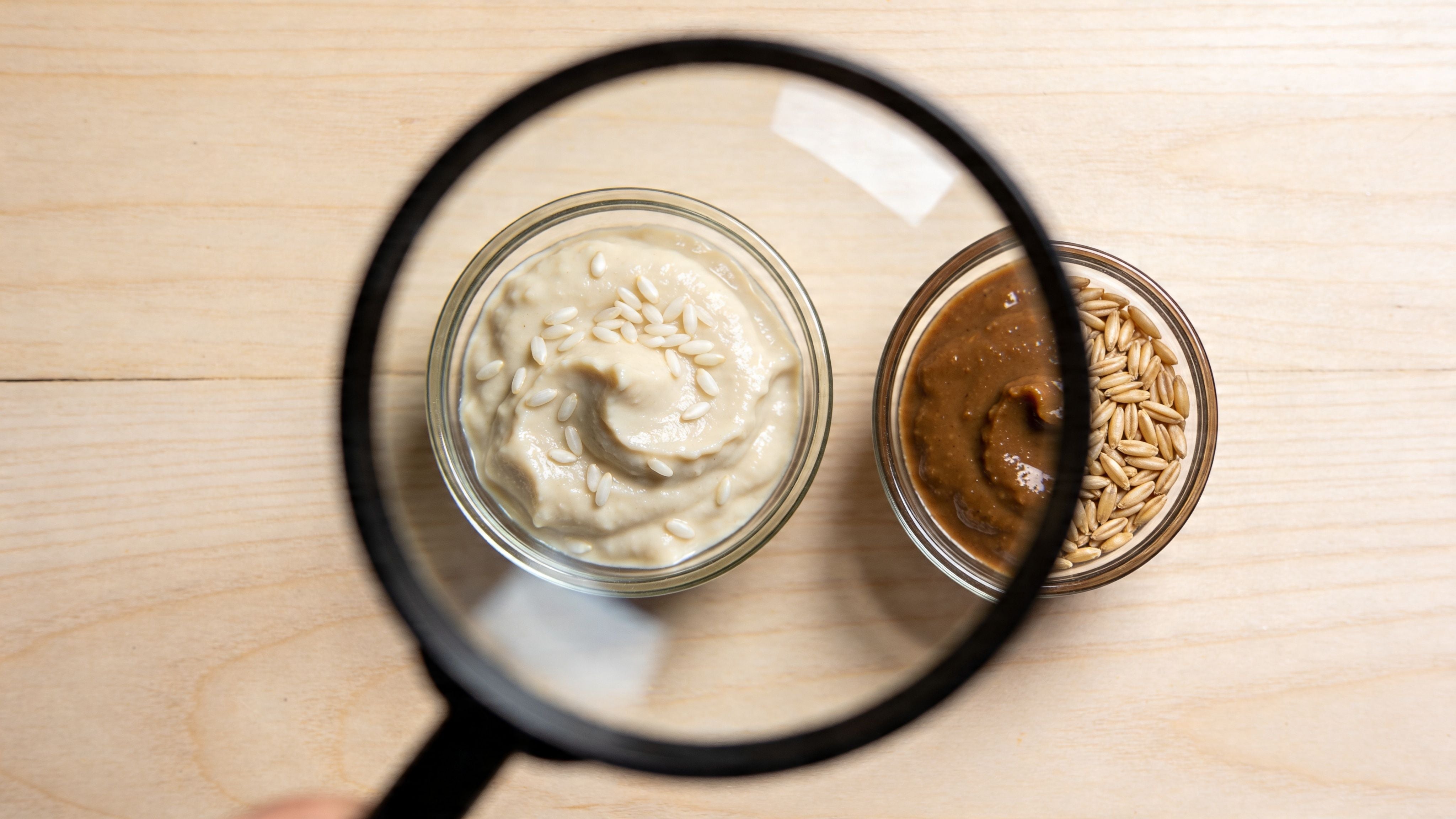
You’re standing in front of a shelf of Japanese ingredients, or scrolling through an online shop, and one question keeps coming up. Is miso paste gluten free?
The honest answer is that sometimes it is, and sometimes it isn’t. That’s what makes miso confusing for people with celiac disease, gluten sensitivity, or anyone trying to avoid hidden gluten in Japanese food.
Miso is one of Japan’s most important pantry staples, and it can be completely safe when you know what to look for. The key is understanding which grain was used to make it, how to read the label, and when a product needs extra scrutiny. For a broader look at traditional ingredients made through fermentation, Japanese fermented foods are a great place to build that background.
Navigating the World of Miso with Confidence
Miso can look deceptively simple. It’s just a paste in a tub or jar, often labeled white miso, red miso, or awase miso. But for gluten-free shoppers, color alone doesn’t tell you whether it’s safe.
That’s where many people get stuck. They assume all fermented soy products are gluten free, or they assume all Japanese miso contains barley or wheat. Neither shortcut works. What matters is the ingredient behind the fermentation starter.
Practical rule: Don’t judge miso by color. Judge it by the grain used to make the koji.
This matters especially if you love Japanese cooking and want authentic ingredients rather than generic substitutes. A good rice-based miso can give soups, marinades, dressings, and glazes the deep savory taste people associate with Japanese home cooking. You don’t have to give that up just because you eat gluten free.
You do need a clear system for checking it.
Here’s the simple version before we go deeper:
- Rice-based miso: usually a safe direction to explore
- Barley-based miso: not gluten free
- Wheat-containing miso: not gluten free
- Certified gluten-free miso: the best option for people who need the strongest level of confidence
That last point is where label reading becomes just as important as ingredient knowledge. Some products are made from gluten-free ingredients but processed in shared facilities. Others may look safe in English but reveal more detail on the original Japanese label.
What Exactly Is Miso Paste
Miso is a fermented Japanese paste made from soybeans, salt, and koji, which is the starter culture that drives fermentation. Think of koji as the ingredient that brings out flavor, much like yeast transforms dough or brewing cultures transform beer.

The basic building blocks
Miso starts with a few simple ingredients:
- Soybeans: These give miso its body, protein, and earthy base.
- Salt: Salt helps control fermentation and shapes the final taste.
- Koji: Koji is mold grown on a grain or other base, and that base is the detail gluten-free shoppers need to know.
- Sometimes an extra grain: Depending on the style, that may be rice, barley, or another ingredient used in fermentation.
Miso can taste sweet, mellow, sharp, rich, or savory. It can be pale beige, golden, reddish brown, or dark brown. The longer it ferments, the stronger and more complex it usually becomes.
Why there are so many kinds
Japan has developed a huge range of regional miso styles. According to this guide to miso history and varieties, miso production in Japan dates back over 1,300 years to the Nara period, and there are over 400 miso varieties.
That variety comes from a few main differences:
| Difference | What changes |
|---|---|
| Region | Local grain traditions and flavor preferences |
| Fermentation time | Shorter fermentation is often milder, longer can be stronger |
| Koji grain | This affects both flavor and gluten status |
| Soybean ratio | More or less soybean changes richness and texture |
For cooks outside Japan, this is why one miso can taste delicate and another can taste bold and almost chocolatey. It also explains why “miso paste” isn’t one single product.
For readers exploring Japanese pantry staples, low-sodium miso paste options are another useful branch of the category.
Miso isn’t just one paste. It’s a whole family of traditional foods shaped by region, grain, and fermentation style.
The Critical Factor Gluten in Miso
Soybeans and salt don’t contain gluten. The gluten question comes from the material used for koji inoculation, meaning the grain that carries the fermentation culture.
According to this overview of FDA gluten-free standards for miso, in the United States, certified gluten-free miso paste must contain less than 20 parts per million (ppm) of gluten. That same source explains the core rule: rice-based kome miso is typically gluten free, while barley-based mugi miso contains gluten.
The grain decides the answer
This is the simplest and most useful way to think about miso:
- If the koji is grown on rice, the miso is typically gluten free.
- If the koji is grown on barley, the miso is not gluten free.
- If the product contains wheat, it is not gluten free.
- If it is a soybean-only style, it can be a strong option to investigate, but you still need to check the label and production details.
A lot of confusion comes from names like white miso and red miso. Those names describe flavor, color, or aging style more than gluten status. A red miso can be rice-based or barley-based. A white miso can be safe, but you still need to confirm ingredients.
Common Miso Types and Their Gluten Status
| Miso Type | Japanese Name | Koji Grain | Typically Gluten-Free? | Flavor Profile |
|---|---|---|---|---|
| Rice miso | Kome miso | Rice | Yes, typically | Balanced, savory, can be mild or rich |
| Barley miso | Mugi miso | Barley | No | Aromatic, hearty, earthy |
| Soybean miso | Hatcho miso or soybean miso | No grain or soybean-focused fermentation | Often a strong candidate, but check label | Deep, intense, robust |
| White miso | Shiro miso | Often rice, but verify | Sometimes | Mild, slightly sweet |
| Red miso | Aka miso | Varies, verify | Sometimes | Stronger, saltier, fuller-bodied |
| Mixed miso | Awase miso | Mixed grains possible | Sometimes | Layered, blended flavor |
If you’re asking “is miso paste gluten free,” the only reliable answer is “it depends on the grain used to make it.”
Why certification matters
For people with celiac disease, “probably safe” isn’t enough. Certification matters because products can pick up gluten through shared production lines or ingredient handling. That’s why a certified product gives a stronger level of trust than a casual assumption based on flavor or color.
This is also why imported Japanese products deserve careful reading. Authentic products are excellent, but the safest choice always combines ingredient knowledge with clear labeling.
A Practical Guide to Reading Miso Labels
When you’re shopping for miso, the label should answer three questions. What grain was used? Is there a gluten-free claim? Is there any sign of cross-contact risk?

According to this discussion of gluten in different miso styles and facility risk, rice lacks gluten proteins, so rice-based miso is gluten free by ingredient, while barley or wheat introduce gluten. That same source also notes that shared facilities can create cross-contamination risk, which is why third-party certification is especially important for celiac safety.
What to look for first
Start with the ingredient list and product front.
Look for words such as:
- Rice
- Soybeans
- Barley
- Wheat
- Koji
- Gluten-free certification
If the label includes Japanese terms, these are especially helpful:
- Mugi (麦): barley
- Komugi (小麦): wheat
If you spot either barley or wheat, put it back.
A simple label-check method
Use this order every time:
- Check the front panel for a gluten-free logo or claim.
- Read the ingredients to confirm rice rather than barley or wheat.
- Scan allergen statements for wheat.
- Look for facility language if you’re highly sensitive.
- Treat vague wording carefully if the grain isn’t clear.
For anyone trying to get better at this skill across packaged foods, this guide on how to read nutrition labels effectively is a practical companion.
A second helpful step is watching real examples of label and product evaluation in action:
Clear labels and risky labels
Here’s the difference in practice.
- Clear and reassuring: ingredients list soybeans, rice, salt, and the package states gluten free.
- Needs caution: the product says “traditional miso” or “red miso” without naming the grain.
- Unsafe: barley or wheat appears anywhere in the ingredient list.
- Potentially unsuitable for celiac shoppers: ingredients seem safe, but there’s no certification and the product is made in a shared facility.
For readers browsing imported food selections online, Japanese food products online can help you understand how Japanese pantry categories are usually presented.
The safest shortcut is this. If the grain isn’t clearly named, don’t guess.
Buying Authentic Gluten Free Miso From Japan
Imported miso often reaches international shoppers in a simplified form. You may see only “white miso” or “red miso” on the listing, with little explanation of the grain, regional style, or manufacturing details. That’s where confusion starts.
A more careful approach is important because some products that sound similar can differ in gluten status. According to this article on brand-specific gluten-free miso concerns, many guides stay generic, but specific Japanese brands in export markets need closer scrutiny. The same source notes that some red miso variants include barley, and that this can be visible only when reading the Japanese label.

Why authentic sourcing matters
Buying from Japan can be valuable because it gives you access to products closer to how Japanese cooks use them. That means more variety in white miso, red miso, blended miso, and regional styles.
It also means you need more than a translation of the product name. You need enough detail to verify ingredients properly.
This is especially true for these common situations:
- You want white miso for soup or dressing: many are rice-based, but not all listings are equally clear.
- You want red miso for stronger flavor: some red misos are safe candidates, others may contain barley.
- You want traditional flavor over generic supermarket options: authenticity is great, but safety depends on label transparency.
Smart buying criteria
When choosing a Japanese miso online, focus on these decision points rather than marketing language:
| Buying question | Why it matters |
|---|---|
| Does the listing identify the grain? | Rice and barley lead to very different answers |
| Is there a gluten-free claim or certification? | Important for celiac-level confidence |
| Is the original label visible? | Useful for checking Japanese ingredient details |
| Is the product style clearly named? | “Red miso” alone isn’t enough |
| Is the seller known for Japanese product curation? | Better curation often means clearer product data |
If you’re also planning a full gluten-free Japanese meal, gluten-free udon alternatives and context can help you think beyond miso alone.
Authenticity is valuable, but authenticity without clear ingredient information doesn’t solve the gluten question.
Well-curated Japanese food shops can reduce that uncertainty by presenting the original product information more carefully. For international shoppers, that often makes the difference between guessing and buying with confidence.
Cooking Tips for Gluten Free Miso
A gluten-free miso paste can still end up in a not-gluten-free dish. That happens all the time in home kitchens because the hidden gluten often comes from the supporting ingredients.

The common troublemakers
The biggest one is soy sauce. Traditional soy sauce often contains wheat, so a safe miso can lose its value if you mix it into a marinade with regular shoyu. If you need a gluten-free option, look for tamari or a soy sauce specifically labeled gluten free.
Dashi products are another area to check. Some instant soup bases and seasoning packets may include ingredients you wouldn’t expect. If you’re building soup from scratch, learning how to make dashi stock gives you more control over what goes into the pot.
Easy ways to use gluten-free miso safely
These are simple, reliable uses for rice-based or certified gluten-free miso:
- Miso soup: combine safe miso with verified dashi, tofu, and wakame.
- Salad dressing: whisk miso with oil, vinegar, and a gluten-free seasoning base.
- Vegetable glaze: toss roasted eggplant, carrots, or cabbage with a miso mixture.
- Fish marinade: pair miso with tamari instead of regular soy sauce.
- Rice bowl sauce: thin miso with warm water and other verified gluten-free ingredients.
Kitchen habits that help
Cross-contact matters at home too, especially if one household member eats gluten and another doesn’t.
- Use clean spoons: Don’t dip a breadcrumb-covered spoon into the miso tub.
- Keep condiments separate: A shared soy sauce bottle can create confusion fast.
- Label opened jars: This helps households track which jar is the gluten-free one.
- Build the dish from verified parts: Safe miso, safe broth, safe soy substitute.
A good first recipe is classic miso soup with tofu, wakame, scallions, and a gluten-free broth base. It’s simple, comforting, and lets the miso itself shine.
Frequently Asked Questions
Does fermentation remove gluten from miso
No. Fermentation changes flavor, aroma, texture, and digestibility, but you shouldn’t assume it makes gluten disappear. If barley or wheat is part of the miso, it isn't suitable for a gluten-free diet unless it is specifically certified and labeled accordingly.
Is miso soup in restaurants gluten free
Not always. Even if the miso itself is rice-based, the soup may contain regular soy sauce, seasoning blends, or a broth with hidden gluten. Restaurant miso soup is one of those foods that sounds safe but can vary a lot.
Ask two separate questions. Is the miso gluten free, and is the broth gluten free?
Is wheat-free the same as gluten free
No. A product can be wheat-free and still contain barley, which also contains gluten. That’s why “wheat-free” is not enough if you need true gluten-free safety.
Is white miso always gluten free
No. White miso is often a good candidate because many white misos are rice-based, but color doesn’t guarantee anything. You still need to confirm the grain used and check for certification if you’re highly sensitive.
What about red miso
Red miso is where people often make mistakes. Some red misos are rice-based and may fit a gluten-free diet, while others include barley. The flavor category alone doesn’t answer the gluten question.
Is soybean miso a safer option
It can be a strong option to investigate because soybean-focused miso styles avoid the rice-versus-barley issue, but you should still read the full ingredient list and look at production details before assuming it’s safe.
Your Key to Enjoying Japanese Flavors Safely
If you’ve been wondering is miso paste gluten free, the clearest answer is this. Some miso is gluten free, and some isn’t. The deciding factor is the grain used for the koji.
Rice-based miso is usually the best place to start. Barley-based miso should be avoided if you need a gluten-free product. Certification gives the strongest reassurance, especially for people with celiac disease or strong sensitivity.
Japanese food can absolutely fit a gluten-free lifestyle when you know how to read labels, verify ingredients, and watch for hidden gluten in broth, soy sauce, and seasoning mixes. If you’re exploring the broader lifestyle side of this topic, The Real Benefits of Gluten Free Eating offers a useful general overview.
Safe, delicious miso is out there. The right knowledge helps you choose it with confidence.
If you’re ready to explore authentic Japanese pantry staples, Buy Me Japan offers direct access to Japanese food, beauty, and lifestyle products shipped from Japan. It’s a practical place to discover real Japanese brands while shopping with more confidence about authenticity, product selection, and quality.



Share:
Japanese Soap Bar Your Ultimate Guide to Better Skin
Best Japanese Cosmetic Brands: A 2026 Buyer's Guide