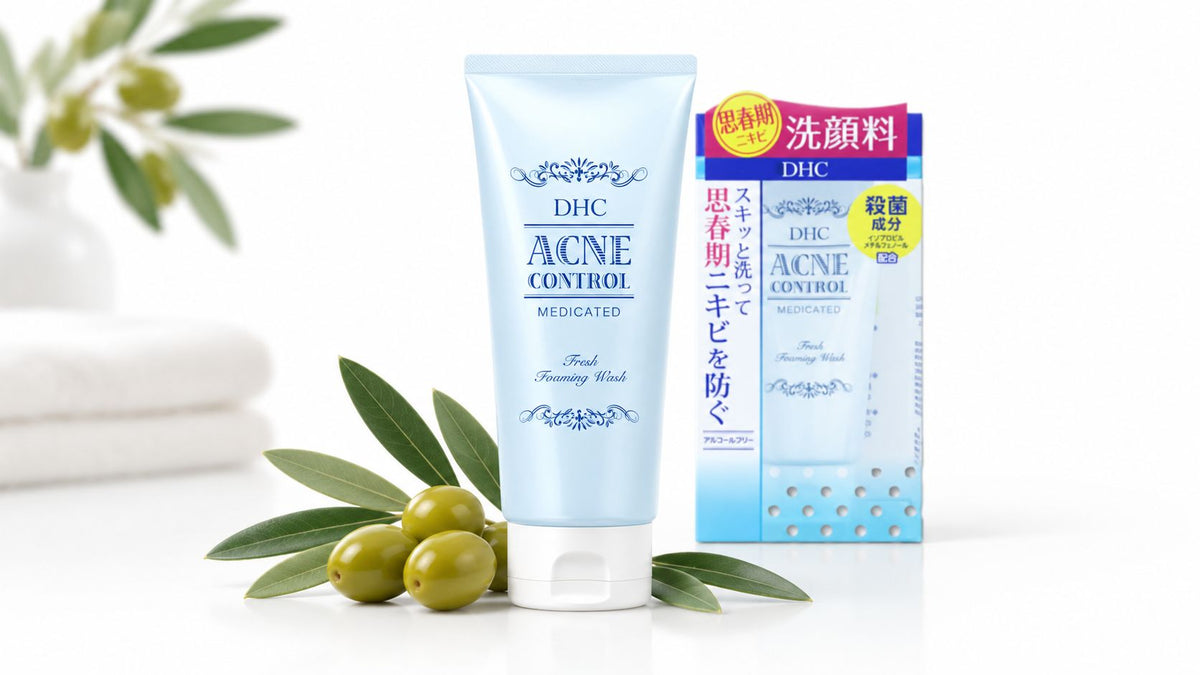
You're standing in front of the mirror with a familiar decision: use a Japanese BB cream for a quick, polished complexion, or reach for foundation when you want your skin to look more even. The BB cream promises skincare, sun protection, and makeup in one tube, but the practical question is less glamorous and more useful: will it give you enough coverage for your skin, climate, and day?

Japanese BB creams sit between skincare and makeup. They can soften the look of pores, add tone to the complexion, and provide labeled UV protection, but they're not automatically a substitute for foundation or separate sunscreen. The right choice depends on shade depth, undertone, finish, wear conditions, and how much camouflage you need.

What Japanese BB Creams Are and Where They Came From

BB usually refers to “blemish balm” or “beauty balm.” The broader BB cream category began as a post-procedure skincare product in Germany before becoming a major beauty format in Asia, where brands adapted it for everyday complexion use. Japanese versions developed within a beauty culture that often values efficient routines, comfortable textures, and cosmetics with skincare associations. You can read more about that wider shift in the Japanese skincare revolution.

A Japanese BB cream is best understood as a tinted complexion hybrid. Depending on the formula, it may combine some of the roles usually filled by a primer, foundation, moisturizer, skincare product, and sunscreen. That doesn't mean one tube performs each role as thoroughly as a dedicated product. It means the formula is designed to make a daily base routine more convenient.

The Japanese approach to the category

Japanese BB creams are typically lighter than traditional high-coverage foundations and are often made for a natural, skin-like finish. Many are positioned around hydration, a soft blur, and daily UV defense rather than a fully perfected complexion. This reflects Japan's long-standing preference for practical, skin-conscious cosmetics that can be worn comfortably through ordinary routines.

UV labeling became especially important in the Japanese market after the development of the PA sun-protection rating system in 1996, based on persistent pigment darkening, or PPD. That system gave Japanese base products a clearer way to communicate UVA protection alongside SPF, encouraging formulas that present coverage and UV protection as connected features. The PA system later expanded to PA++++ in 2012 for higher UVA protection. These milestones are discussed in the category background from MyBest's guide to Japanese BB creams and the Japanese Cosmetic Science Society guideline.

What a BB cream can and can't do

Think of Japanese BB creams as a soft-focus daily base, not a universal replacement for every complexion product. They can be sufficient when your skin is relatively even and you want light coverage with a comfortable finish. They're less likely to satisfy you if you need to conceal concentrated discoloration, pronounced blemishes, tattoos, or strong redness across large areas.

The category's appeal is real, but the “all-in-one” promise needs boundaries. A BB cream can simplify your routine, while still leaving room for concealer, powder, or a separate sunscreen.

How Japanese BB Creams Differ from Western BB, CC, and Foundations

The word BB doesn't describe one fixed product type worldwide. A Japanese BB cream, a Western BB cream, a CC cream, and a foundation may all be sold in similar tubes, yet they can behave very differently once applied.

The clearest distinction is purpose. Japanese BB creams generally prioritize hydration, UV labeling, and a natural complexion effect. Western BB creams often behave more like sheer foundations with added skincare positioning. CC creams focus more directly on visual color correction, such as reducing the appearance of redness or sallowness. Traditional foundation remains the makeup-first option, with a wider range of coverage and finish choices.

Category Japanese BB Cream Western BB Cream CC Cream Foundation
Typical Coverage Sheer to light or medium Sheer to light Sheer to light Light to full, depending on formula
Finish Natural, dewy, or satin Often natural or satin Usually natural or brightening Matte, satin, natural, or luminous
SPF Inclusion Commonly emphasized, with SPF and PA labels on many Japanese products Common but varies widely Common but varies widely May be included, but isn't always central
Skincare Actives Often highlighted as part of the hybrid formula May include moisturizers and other skincare ingredients May emphasize tone-correcting or brightening ingredients Usually secondary to pigment and wear performance

Coverage and finish

Japanese BB creams usually leave more of the skin's natural texture visible than a traditional foundation. That can look fresher and less mask-like, but it also means pores, marks, and uneven patches may remain visible. A satin or softly dewy finish can flatter dry skin, while an oilier complexion may need targeted powder around the nose, forehead, or chin.

The light texture is also a trade-off. Many Japanese BB creams aren't designed to resist transfer as strongly as long-wear foundations, particularly in humid weather or under masks and collars. Touch-ups may be part of the routine.

SPF and skincare positioning

Japanese products commonly place UV protection at the center of their identity. SPF measures UVB protection, while PA communicates UVA protection, so a product displaying both offers more information than an SPF-only label. Still, a makeup layer is easy to under-apply, and the labeled protection depends on using the tested amount.

Skincare ingredients add another layer of appeal, but they shouldn't turn a BB cream into a serum in your expectations. The category is best viewed as makeup with supportive skincare features, not as a concentrated treatment step.

Practical rule: Choose a Japanese BB cream when convenience and a natural complexion matter more than maximum coverage or extended wear.

SPF, PA Ratings, and Sunscreen Claims on Japanese BB Creams

A BB cream can feel like a shortcut on a weekday morning: one layer adds tone correction, some skincare support, and a sunscreen claim. The trade-off appears outdoors. Because makeup is usually applied for appearance rather than at a measured sunscreen thickness, the protection printed on the tube may exceed what your skin receives in practice.

SPF measures protection against UVB, the radiation most associated with sunburn. PA measures UVA protection, which relates to the rays that contribute to tanning and longer-term photoaging. As covered above, the PA scale tops out at PA++++. Its underlying PFA thresholds describe increasing UVA protection, but they do not create a timetable for safe sun exposure. Reapplication still depends on the product directions, how much you applied, sweating, rubbing, and time outdoors.

A tube of Canmake Tokyo BB cream standing on a marble surface next to greenery and a towel.

Reading the label without overpromising

A label such as SPF 30 or SPF 50 describes UVB protection under testing conditions. Japanese sunscreen labeling may show SPF 50+ when the measured SPF exceeds 50, rather than displaying a higher exact number, as explained in this overview of Japanese sunscreen labeling. The plus sign does not mean you can use less product, skip reapplication, or remain outside indefinitely.

Coverage goals also affect sunscreen use. A sheer BB cream is often spread thinly to keep the finish natural, while building it up enough to approach the tested amount can make the complexion look heavier or alter the shade. This is the central tension in the category: a product positioned as makeup plus skincare and UV support may still fall short as a standalone sunscreen or as a full foundation, particularly in strong sun, humid weather, or on deeper skin tones where undertone and visible cast become more noticeable.

For extended outdoor exposure, apply a dedicated sunscreen underneath makeup and follow its reapplication instructions. The BB cream can contribute additional coverage and UV defense, but it should not be your only protection while commuting, traveling, walking, or spending time in intense daylight.

Formula stability matters

UV performance also depends on formulation design and stability. One formulation study reported in-vitro SPF values of 5.35, 9.86, and 11.11 across three formulas before cycling, dropping to 3.08, 7.22, and 7.73 after cycling. The findings show why emulsion stability, processing, pigment systems, and UV filters matter alongside the SPF claim. See the BB cream formulation research for the reported testing.

For everyday wear, check both SPF and PA, use enough dedicated sunscreen when needed, and treat the BB cream as one layer of your routine. This guide to Skin Aqua sunscreen types explains how sunscreen formats differ when you need a separate UV-protection step.

Skincare Actives You Will See on the Label

The ingredient list can explain why a Japanese BB cream feels comfortable, but it can't guarantee that the product will replace a dedicated skincare step. Most actives in a complexion product support the formula's feel and everyday wear. They're usually not present in the same concentrated role as they would be in a serum.

Hydration and barrier-support ingredients

Hyaluronic acid and other humectants attract and hold water at the skin's surface, helping a BB cream feel less tight as it wears. They can improve the impression of smoothness, especially when the formula also contains emollients that reduce moisture loss. A simple explanation of how hyaluronic acid works appears in this guide to hyaluronic acid serum.

Ceramides and cholesterol are associated with the skin barrier, so their inclusion may make a base feel more comfortable on dry or easily tight skin. Their presence still doesn't mean the product will suit everyone. The complete formula, application amount, climate, and your own sensitivity all matter.

Brightening and antioxidant language

Niacinamide is often included in skin-focused makeup because it's associated with a more even-looking tone and the appearance of refined pores. The cosmetic effect you see in a BB cream may be subtle, particularly when the product is selected mainly for shade and finish.

Collagen and placenta extracts appear in Japanese beauty marketing and can contribute to a moisturizing or conditioning feel, but their presence shouldn't be interpreted as proof of dramatic structural change. Vitamin C derivatives and vitamin E are used as antioxidant-oriented ingredients, though their performance depends on the specific derivative, formula, concentration, and stability.

Ingredient order can offer clues, but it has limits. Ingredients near the beginning generally make up more of the formula, while ingredients near the end may be present in modest amounts. That doesn't provide enough information to calculate a functional dose, so read actives as supporting features, not as a reason to skip your usual skincare.

What else deserves attention

A gentle-looking package can still contain fragrance, alcohol, or other ingredients that don't agree with your skin. If you're sensitive, check the full ingredient list, patch test before applying the product across your face, and stop if irritation develops.

The most reliable question isn't “Which active sounds impressive?” It's “Does the whole formula suit my skin, shade, and wearing conditions?”

A top-down view of four different Japanese BB cream tubes arranged on a light wooden surface.

Matching Finish and Coverage to Skin Type and Climate

A Japanese BB cream that looks elegant in a dry room may become shiny in humid weather. Another that feels comfortable in winter may seem heavy when temperatures rise. Choose according to how your skin behaves during the day, not according to a universal ranking.

Skin Type / Climate Best Finish Coverage Level Texture Notes
Dry skin in a dry climate Dewy or luminous Sheer to medium Look for a flexible, emollient feel that doesn't catch on dry patches
Oily skin in humidity Satin or soft matte Sheer to light A thinner layer and targeted powder can reduce excess shine
Combination skin in changing weather Natural or satin Light to medium Use less product on the T-zone and build selectively elsewhere
Sensitive-feeling skin Natural, depending on formula Sheer to light Review fragrance, alcohol, and the complete ingredient list carefully
High-UV outdoor climate Natural or satin Any level Pair makeup with dedicated sunscreen rather than relying only on the BB cream

Finish comes before coverage

A dewy finish reflects light and can make dry skin look more comfortable, but it may emphasize oiliness as the day progresses. Semi-matte formulas tend to offer a middle ground, while matte finishes can be useful when shine control matters more than glow.

Coverage descriptions can be slippery. “Natural” may mean sheer, while “cover” can indicate a more pigmented base without promising foundation-level opacity. Swatch on the jawline and observe the product after it settles. A formula that looks ideal immediately may darken, separate, or become more reflective later.

Climate changes the formula's behavior

Humid Japanese summers and similarly warm, damp climates generally favor lighter textures that spread easily and don't feel overly occlusive. In dry winters or heavily air-conditioned offices, a more emollient formula may feel better, especially when your moisturizer has fully absorbed underneath.

For combination skin, don't assume you need one finish across the entire face. Apply a thin layer everywhere, then add coverage only where the complexion needs it. Powder can control the center of the face without removing the natural finish from the cheeks.

Sensitive skin requires restraint. Mineral-leaning filters may appeal to some users, but “mineral” alone doesn't guarantee comfort, and fragrance-free status must be verified on the specific product. Patch testing is more useful than relying on a product category label.

How to Apply Japanese BB Cream for a Natural Finish

The natural finish starts before the tint touches your face. Cleanse as usual, apply lightweight skincare, and let moisturizer absorb fully. A heavily layered routine or a silicone-rich primer that hasn't settled can make a BB cream roll, separate, or gather around the nose.

A close-up shot of a person applying liquid foundation on their hand near a makeup table.

Start with a thin, even layer

Place small dots across the forehead, cheeks, nose, and chin. Spread outward with your fingertips, using gentle pressing and short strokes rather than repeatedly rubbing the same area. Your fingers warm the product and usually create the sheerest, most skin-like result.

Keep the first layer light. Japanese BB creams are often designed to let natural skin texture show, so applying a thick amount everywhere can make the finish look heavier without providing efficient coverage.

Choose the tool for the result

A damp sponge gives you more control. Press it over the face instead of dragging it, especially around pores and textured areas. This technique can create a smoother medium-coverage appearance while removing excess product.

A dense brush offers slightly fuller coverage than fingers while avoiding the flat, opaque effect that can come from overworking the formula. Use the makeup sponge application guide if you're still deciding between pressing and buffing techniques.

Build only where you need more pigment:

  • Around the nose: Add a small amount where redness tends to show.
  • Inner cheeks: Press leftover product over visible unevenness rather than adding a thick full-face layer.
  • Chin and jaw: Blend carefully so the shade doesn't stop at an obvious edge.
  • Outer face: Keep this area lighter to preserve dimension.

The following demonstration can help you compare application movement and blending pressure. Use it as a technique reference, not as a measurement for how much product your own face needs.

Set selectively

Powder belongs where movement and shine cause problems. A light dusting around the nose, between the brows, and on the chin can improve wear without flattening the whole face. Applying powder across dewy cheeks may undermine the finish that makes a Japanese BB cream look natural.

If the base begins to separate, blot first instead of immediately adding more product. Then press a small amount of BB cream or concealer only over the area that needs repair.

Shade Range, Undertones, and When You Still Need Foundation

Japanese BB creams often have a narrower shade architecture than international foundation ranges. Many lines are built around a small number of shades, commonly calibrated toward warm-neutral or pink-neutral complexions, with limited depth. That can make matching easy for some fair to medium-light shoppers and frustrating for anyone outside the intended range.

A shade can look acceptable in a sheer swatch yet become visibly pale, gray, pink, or orange once layered. SPF filters and light-reflective pigments can also change how the product appears on the skin, particularly under indoor lighting.

Match the jaw, then watch the wear

The back of your hand isn't a reliable shade test because it may differ from your face and neck. Apply a stripe along the jawline, blend the edges, and check it in natural light. If possible, observe it after the product has settled, because oxidation can shift the color.

Undertone matters as much as depth:

  • Warm-neutral: Often appears more yellow, golden, or olive.
  • Pink-neutral: May look rosier or cooler.
  • Too pale or gray: Can signal a mismatch in depth, undertone, or pigment balance.
  • Too orange: May indicate that the formula's warmth is stronger than your skin's.

Use BB cream as a base when necessary

The claim that BB cream replaces foundation is often overstated. Japanese consumer research on base makeup found that no-foundation use was only 11.0%, suggesting that many shoppers still want the coverage and polish associated with a conventional base. The figure is reported in the market analysis of Japanese mini BB creams, which also describes the category's move toward skincare ingredients and higher-SPF products. Read the Japanese mini BB cream market analysis for that context.

Factor Japanese BB Cream Foundation
Main role Daily hybrid base with skincare and UV positioning Makeup-first complexion evening
Coverage ceiling Usually sheer to medium Ranges from light to full
Shade flexibility Often limited within each line Typically broader across depth and undertone
Targeted camouflage May soften marks but rarely hides all of them More suitable for concentrated discoloration and strong redness
Best use Even skin needing a natural blur Events, photography, or areas requiring deliberate coverage

If your complexion is relatively even and you want a soft blur, BB cream alone may be enough. If you're covering acne marks, pigment clusters, tattoos, or persistent redness, use the BB cream as a comfortable base and add a pigmented concealer or foundation where needed.

Choosing and Buying Japanese BB Creams with Confidence

Buying well starts with four decisions, made in the right order: skin behavior, climate, UV needs, and coverage. Decide whether your face becomes dry, shiny, or uneven during the day. Then choose a finish that can tolerate your environment before getting distracted by attractive ingredient claims.

A practical buying filter

  1. Identify your daily conditions. Humidity, heat, dry air, and indoor heating can change how the same base wears.
  2. Set your UV expectation. Check both SPF and PA, especially if the BB cream is part of a daytime routine.
  3. Choose meaningful actives. Pick one or two ingredients that match your preference, then review the complete formula rather than shopping by buzzword.
  4. Test shade and finish. The jawline is more useful than a hand swatch, and natural light reveals more than store lighting.
  5. Decide whether you need backup coverage. Concealer or foundation may be necessary if you want targeted camouflage.

Japanese packaging can include familiar INCI ingredient names alongside Japanese skincare cues. Learn the function of the words you recognize, but verify the current ingredient list because formulas and packaging can change. Domestic Japanese stockists and authorized international retailers are usually easier to evaluate than gray-market listings, where counterfeit products, old stock, or reformulated imports can create disappointing results.

Mini formats and tester sizes can reduce commitment when they're available. A return policy also matters, particularly when shade matching from photographs. Give yourself time to observe comfort, oxidation, shine, and transfer during your own routine instead of judging the product only during the first application.

Three tubes of Japanese BB creams from Cezanne, Kose, and Anessa displayed on a textured fabric surface.

For broader shopping context, the guide to what to buy in Japan for cosmetics can help you explore Japanese beauty categories without treating every multifunctional claim as a promise.

Japanese BB creams make the most sense when you want a comfortable, natural base with skincare and UV features. They're less convincing as a complete foundation replacement for deeper shade matching, concentrated coverage, or demanding outdoor conditions.


Buy Me Japan offers authentic Japanese beauty products sourced through official suppliers in Japan, with secure payments, tracked shipping, and customer service for international shoppers. Visit Buy Me Japan to explore Japanese base makeup and choose a BB cream that fits your shade, finish, and daily routine.