


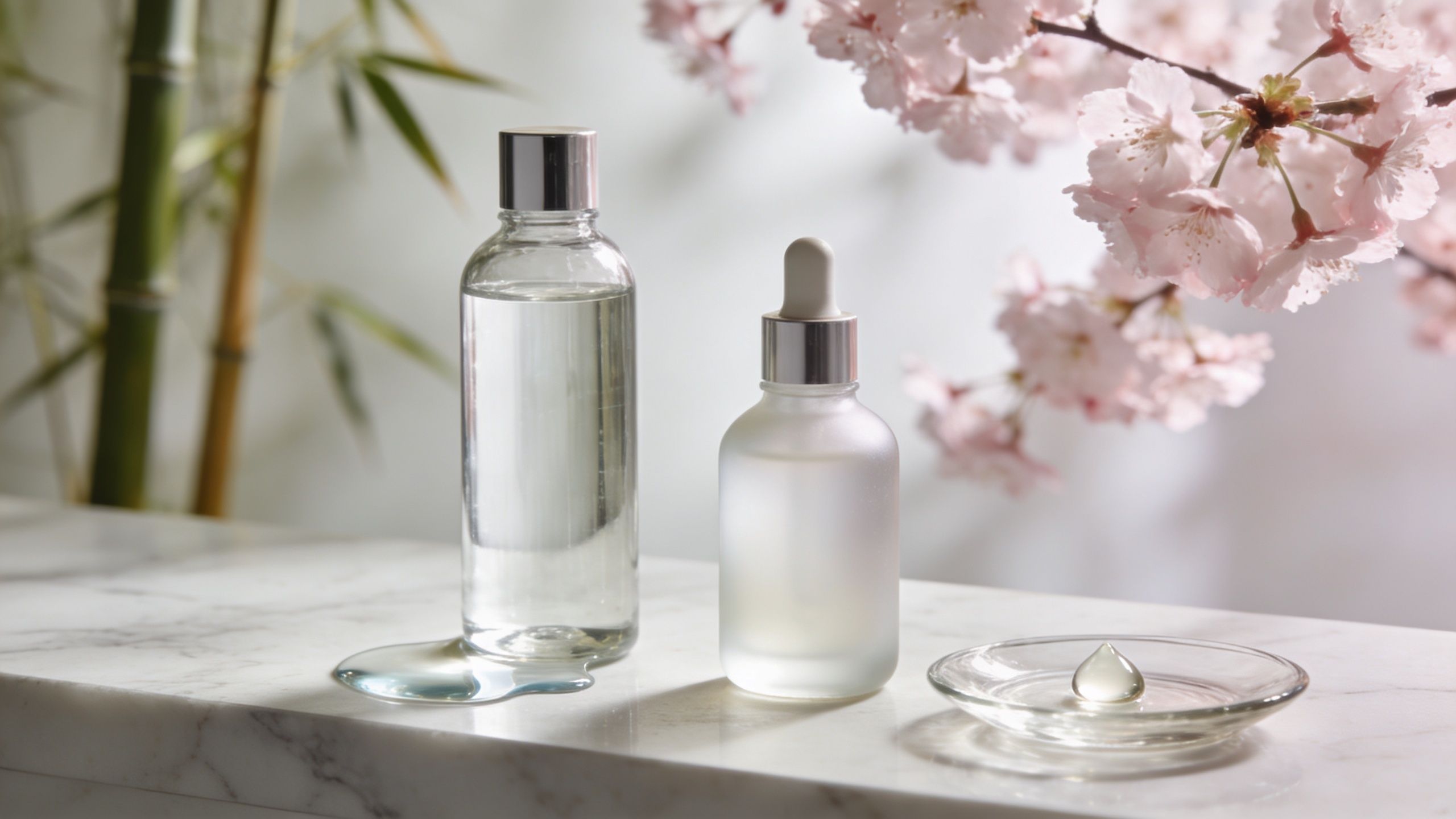
You’re standing in the skincare aisle, holding two bottles that look almost interchangeable. One says toner. The other says essence. Both promise hydration. Both come from brands you’ve seen in Japanese skincare routines. And both leave you wondering if you need both, or if one of them is just a renamed version of the other.
That confusion is completely normal.
In Japanese skincare, texture matters, order matters, and product role matters. A bottle that looks watery isn’t always doing the same job as another watery bottle. If you’ve been searching for what is the difference between toner and essence, the short answer is this: toner usually prepares the skin, while essence usually treats it more intensively.
This guide breaks it down in plain language. You’ll see how toner and essence differ, how to layer them, when one makes more sense than the other, and how climate, season, and budget can change your best choice.
Your Guide to Toner and Essence in Japanese Skincare
A lot of people first meet this question when they start exploring J-beauty seriously. They pick up a Hada Labo “lotion,” then see an essence from another Japanese or Asian brand, then read a routine online that uses both. Suddenly a simple skincare routine feels like homework.
Part of the confusion comes from language. In Japanese skincare, product names don’t always match what English speakers expect. A “lotion” in Japan is often a watery hydrating step, not a thick body-lotion style cream. Then you add terms like essence, serum, milk, emulsion, and ampoule, and it’s easy to lose the plot.
A simple way to understand it is:
| Attribute | Toner (Kesho-sui) | Essence (Biyoueki) |
|---|---|---|
| Main job | Prep skin after cleansing | Deliver a more treatment-focused hydration step |
| Texture | Usually watery and light | Usually slightly more cushiony or serum-like |
| Feel on skin | Fresh, quick, resetting | Softening, nourishing, more lingering |
| Typical use | Right after cleansing | After toner, before serum or moisturizer |
| Best for | A first hydration layer and skin prep | Extra hydration and targeted care |
Why this matters in real life
If your skin feels tight after cleansing, toner can help take away that stripped feeling.
If your skin still looks dull, dehydrated, or needs more support afterward, essence is often the step that adds that “my skin looks healthier” effect.
Practical rule: If toner is the reset button, essence is the follow-up support step.
You don’t need to memorize technical terms to shop well. You just need to know what each bottle is supposed to do for your skin.
What Is a Toner in the J-Beauty World
You wash your face, pat it dry, and your skin suddenly feels a half-size too small. That uncomfortable, post-cleanse tightness is the moment Japanese toner is meant to address.
In J-beauty, toner usually means a gentle hydrating prep step rather than an astringent strip-down product. You will often see it labeled kesho-sui or lotion, which can confuse shoppers used to the English word “lotion” meaning something creamy. In Japan, a lotion is often a watery first layer that helps bring comfort back to the skin after cleansing.

What toner usually does
From a formulation standpoint, toners are usually low-viscosity, water-based products designed to sit close to the start of a routine. Many are pH-balanced and include humectants such as glycerin, hyaluronic acid, or amino acids. The practical result is simple. Skin feels less dry, less tense, and easier to layer over.
A Japanese toner usually does three jobs at once:
- Replenishes water after cleansing: This helps relieve that tight, freshly-washed feeling.
- Softens the skin surface: Your next step tends to spread more evenly instead of catching on dry patches.
- Sets the tone for the routine: You can choose a very simple hydrating toner, a soothing one for reactive skin, or a balancing one for oilier conditions.
That last point matters more than many guides admit. Toner is often the most budget-flexible step in a Japanese routine. If you live in a humid climate or your skin is naturally balanced, a well-chosen toner may do enough prep work that you can keep the rest of your routine simple. If you live somewhere dry, use indoor heating all winter, or cleanse twice at night, toner becomes less of a nice extra and more of a daily comfort layer.
What a Japanese toner feels like
Most Japanese toners feel thin and quick to spread. Some are almost weightless, like splash-on water. Others have a slightly silky slip, especially hydrating lotions from brands like Hada Labo, Minon, and Cezanne.
A helpful comparison is this. Toner works like dampening a sponge before you add soap. A dry sponge resists everything. A lightly damp one takes product more evenly. Skin behaves in a similar way after cleansing.
If you want a clearer primer on the category, this guide on what toner is used for in skincare explains the role in more detail.
You can also judge toner by climate and season, not only by skin type. In summer, many people do well with a light, watery toner and skip anything heavier until night. In winter, the same person may want a more cushiony lotion, then an essence or emulsion on top. Budget matters too. A large bottle of Japanese toner often gives strong cost-per-use value because you can apply it generously with your hands or cotton without feeling like every drop is expensive.
A good toner should leave skin calm and lightly hydrated, not squeaky or stressed. If you like comparing formulas, looking at a science-backed balancing formula can also make it easier to understand what a modern balancing toner is trying to do.
Understanding the Power of a Japanese Essence
Essence is where many people start to feel the difference between a basic routine and a more intentional one. It isn’t just “fancy toner.” It sits in its own category.
Essences originated in Asia and became a cornerstone of Asian beauty regimens before Western consumers widely adopted them. The category later grew strongly in Western markets through social media and YouTube beauty creators, as described in this overview of toners and essences. That rise happened alongside broader interest in K-beauty, which helped introduce essences and related steps to global skincare routines.

Why essence feels different
Modern essences are usually more viscous than traditional toners. They often have a lightweight, serum-like feel, but they still spread easily and absorb without the weight of a cream.
They’re also built with a different purpose. Toner is mostly about preparation. Essence is more focused on nourishment and treatment support.
You’ll often see essences associated with ingredients such as:
- Fermented extracts: Common in many Asian skincare philosophies
- Plant extracts: Used for skin conditioning and hydration support
- Humectants and barrier-friendly ingredients: Often chosen to help skin stay soft and comfortable
What essence is trying to achieve
The easiest way to explain essence is this: it’s meant to push hydration and skin-conditioning further than toner alone.
If toner leaves your skin feeling fresh, essence is the step that can make it feel bouncier, smoother, and more receptive to whatever comes next. That’s why people with dehydrated skin often notice essence more than they notice toner.
A good essence doesn’t feel dramatic in one second. It makes the rest of the routine feel like it lands better.
In practical terms, essence often works well for people who feel that a toner alone is “nice, but not enough.”
If you already use hyaluronic acid and want help fitting it into the right order, this article on how to apply hyaluronic acid serum helps connect the dots between hydration layers.
Toner vs Essence A Detailed Comparison
You wash your face on a humid August night in Tokyo, then again during a dry January morning with the heater running. The same bottle will not always feel right. That is the easiest place to start when comparing toner and essence. Their difference is not just texture. It is job, timing, and value for your routine.
In Japanese skincare, toner is usually the quick first drink of water after cleansing. Essence is the more focused hydration and treatment layer that helps the rest of your routine perform better. If skincare were a meal, toner sets the table and essence brings the dish with more substance.
Toner vs. Essence at a Glance
| Attribute | Toner (Kesho-sui) | Essence (Biyoueki) |
|---|---|---|
| Core purpose | Rehydrate and prepare skin after cleansing | Add concentrated hydration and skin-conditioning support |
| Texture | Very light, watery to slightly silky | Light, but often a little cushier or more serum-like |
| Formula focus | Humectants, soothing ingredients, balancing support | Ferments, humectants, brightening or barrier-support ingredients |
| Main benefit | Comfort, softness, better prep for later steps | More noticeable bounce, suppleness, and treatment support |
| Routine position | First leave-on step after cleansing | After toner, before serum or moisturizer |
| Best for budget | Strong value if you want one simple prep step | Better value if you want one product to do more |
What actually separates them
A toner works on the immediate problem your skin has after washing. Water has evaporated, the surface can feel tight, and the skin is ready for a light layer that spreads fast and sinks in fast.
An essence usually aims one step further. It still hydrates, but it often carries more skin-conditioning ingredients and a formula designed to stay in contact with the skin a little longer. In plain terms, toner helps your skin feel normal again. Essence helps your skin feel better than normal.
That difference matters if you are trying to decide where to spend your money.
If your budget is tight, a good Japanese toner often gives the better cost-to-benefit return for oily skin, teen skin, or hot and humid weather. If your skin gets dehydrated easily, feels dull in winter, or struggles with indoor heating or air conditioning, essence often gives the more noticeable payoff per step.
A simple way to tell them apart in the store
Ask two questions.
- What problem is this solving first? Tightness and post-cleansing dryness point to toner.
- What result am I paying for? Extra bounce, softness, brightness support, or a cushioned feel point to essence.
This helps with hybrid formulas, which are common in J-beauty. A watery product can still behave like an essence if the formula is treatment-focused. A thicker product can still be a toner if its main role is prep.
Practical examples from Japanese skincare
Hada Labo Gokujyun Lotion is called a lotion, but in Japanese skincare it functions like a hydrating toner. It is a strong pick for someone who wants simple hydration at a reasonable price.
An essence such as SK-II Facial Treatment Essence plays a different role. It is less about basic prep and more about ongoing skin conditioning, which is why people often compare its cost more closely with serums than with toners.
That is also why routine order matters. If you want a fuller picture of where these categories sit, this guide to the correct order of Japanese skincare steps makes the sequence easier to read.
Where climate and season change the answer
In a humid climate, or during summer, toner alone may be enough for many people. Skin loses less water to the environment, and heavy layering can feel sticky.
In a cold or dry climate, essence earns its place more often. Low humidity, wind, heaters, and air conditioning all increase that tight, thirsty feeling. In those conditions, toner plus essence can be a smarter use of money than buying a single heavy cream that still leaves skin dehydrated underneath.
A simple rule works well here. Choose toner if your skin mainly needs a quick reset. Choose essence if your skin keeps asking for more, even after toner.
If you are also comparing where serum and moisturizer fit in the spending order, this guide on skincare serum vs moisturizer helps clarify which step usually gives the bigger return for your skin goals.
Toner is the prep step. Essence is the support step. Climate, season, and budget decide whether you need one or both.
How to Layer Toner and Essence Correctly
Layering gets easier once you stop thinking in brand categories and start thinking in texture order. In Japanese skincare, the basic rule is simple. Apply from the thinnest texture to the thickest.
That usually places toner first, then essence, then serum, then moisturizer. In the morning, sunscreen goes last.
A simple order that works
Here’s a reliable routine structure:
- Cleanser
- Toner
- Essence
- Serum
- Moisturizer
- Sunscreen in the morning
At night, you can start with an oil cleanser if you wear makeup or sunscreen.
If you want a fuller breakdown of routine order, this guide to Japanese skincare steps is a solid reference.
How to apply each step
Toner can go on with clean hands or a cotton pad. In J-beauty, hands are common for hydrating formulas because you lose less product and can press it directly into the skin.
Essence is usually best patted in with your palms. You don’t need to rub aggressively. A gentle press-and-pat method is enough.
- For toner: Use a small amount and spread it evenly over the face.
- For essence: Press it onto slightly damp or freshly toned skin.
- For serum after essence: Wait just long enough for the skin to feel moist, not dripping.
If you’re also trying to understand how serum fits with cream, this guide to skincare serum vs moisturizer can help sort out that part of the lineup.
A common mistake
People often wait too long between hydration layers. If your skin fully dries out between steps, the routine can feel less elegant and less comfortable.
A better approach is to apply the next hydrating layer while skin still feels lightly damp and supple.
Choosing the Right Product for Your Skin Type
Skin type advice is useful, but it shouldn’t be treated like a strict law. Still, it’s a good starting point when you’re deciding whether toner, essence, or both makes sense.
If your skin is oily or combination
A lightweight toner often makes the most immediate sense. Many people with oilier skin want hydration without a coated finish, especially in warm weather or under makeup.
Japanese toners with a fresh, watery feel can work beautifully here. Naturie Hatomugi Skin Conditioner is a classic example people often reach for when they want something light, easy, and comfortable. Cezanne’s hydrating lotion-style products also fit this lane well.
You can still use an essence, but choose one that feels light rather than creamy.
If your skin is dry or dehydration-prone
For dry skin, essence often starts to shine. Dry skin usually needs more than a surface reset. It needs a step that helps skin feel cushioned and less tight.
Hada Labo’s hydrating lotion formulas are a good example of J-beauty products that confuse beginners by name but make sense once you use them. Many people use them as a step for substantial hydration because they feel more substantial than a classic watery toner. Shiseido Elixir and Kanebo DEW are also the kinds of Japanese lines people often explore when they want a richer, comfort-focused routine.
If your skin feels thirsty all day, toner alone may feel too minimal.
If your skin is sensitive
Sensitive skin usually does best with a short, predictable routine. The goal isn’t to use more steps. It’s to use calm, low-fuss ones.
Look for gentle options from lines like Minon or Shiseido d Program. A hydrating toner may be enough on some days. On others, a mild essence can add comfort without forcing you into a heavy routine.
Sensitive skin often prefers consistency over complexity.
If your skin feels dehydrated but also breakout-prone
This is one of the most misunderstood combinations. Skin can be oily and dehydrated at the same time.
A practical approach is to start with one dedicated hydration layer and see how your skin responds. This article on how to treat dehydrated skin is useful if your face feels tight but still gets shiny later in the day.
A simple choice works well here:
- Try a toner first if you hate heavy layers.
- Try an essence first if your skin stays uncomfortable after toner.
Adapting Your Routine for Climate and Season
A lot of skincare advice stops at skin type. That’s too static. Your environment changes what your skin needs.
Static skin-type recommendations ignore how geography, humidity, and seasonal shifts influence product choice. As noted in this discussion of essence, toner, and serum differences, someone in humid Japan may need something different from someone in a dry continental climate, and Japanese consumers traditionally adapt routines by season to keep skin balanced through the year.
In humid weather
When the air is warm and sticky, a light toner may be enough for some people, especially if they follow with sunscreen or a light gel moisturizer.
A richer essence can still work, but texture becomes more important. If your face feels coated by midday, your routine may be too heavy for the season.
In cold or dry weather
Essence often proves beneficial. Heating, wind, and dry indoor air can leave skin feeling dull and tight, even if you were fine with toner alone in summer.
An essence can add that middle layer of hydration support that helps skin stay comfortable longer.
A seasonal mindset that works
Try thinking this way:
- Summer: lighter textures, fewer layers if your skin feels balanced
- Winter: more support, more cushioning, more attention to dehydration
- Transitional weather: adjust one step at a time instead of rebuilding everything
That seasonal flexibility is very in line with Japanese skincare habits. The best routine isn’t the longest one. It’s the one that matches your skin’s current environment.
Top Japanese Toners and Essences from Buy Me Japan
When you start shopping, it helps to look at real examples instead of abstract categories. Japanese skincare has plenty of excellent toner and essence-style products, but a few names come up again and again because they’re easy to understand once you know what each bottle is trying to do.

Good starting points for toner lovers
If you want the fresh, easy side of J-beauty, these are the kinds of products to look for:
-
Naturie Hatomugi Skin Conditioner
A well-known Japanese hydration step with a light, comfortable feel. It’s a helpful example of a toner-lotion style product that suits people who want generous hydration without richness. -
Cezanne Skin Conditioner High Moist
A nice option for shoppers who want a hydrating lotion texture but still prefer something straightforward and easy to layer. -
Minon Amino Moist products
Worth a look if your skin is reactive and you prefer a gentler route.
Strong picks if you want more essence-like hydration
Some Japanese “lotions” sit very close to what many international shoppers expect from an essence. That naming difference is one reason J-beauty can feel confusing at first.
-
Hada Labo Gokujyun Lotion
One of the easiest examples of a product that teaches you Japanese naming conventions. It’s called a lotion, but many people use it as a richly hydrating core step because of its cushier feel. -
Shiseido Elixir Lotion
A more comfort-focused option for people who want a refined, moisture-rich experience. -
Shiseido d Program lotion products
Useful for shoppers who want hydration with a gentler, skin-conscious approach.
If you want more ideas in this category, this roundup of skincare to buy in Japan is worth bookmarking.
A quick visual walkthrough can also help if you prefer seeing products and textures in action.
How to choose without overbuying
If you’re building from scratch, don’t buy five hydration steps at once.
Start with one question: do you need a refreshing prep step, or do you need more substantial hydration support? If the answer is “both,” build gradually. If budget matters, start with the one your skin is most obviously missing.
That’s also where shopping from a specialist matters. Buy Me Japan focuses on authentic Japanese products shipped directly from Japan, which is helpful when you want authentic domestic-market formulas and trusted brands instead of guessing through mixed third-party listings.
Frequently Asked Questions About Toners and Essences
Is a Japanese lotion the same as a toner?
Sometimes, but the label can be misleading.
In Japanese skincare, "lotion" usually means a water-based hydrating step used right after cleansing. For many shoppers, that puts it in the toner slot. The confusing part is texture. Some Japanese lotions are very light and splashy, while others have a soft, cushiony feel that sits closer to what many Western shoppers expect from an essence.
A simple way to sort it out is to check the job the product is doing. If it mainly refreshes, rehydrates, and helps the next step spread better, it acts like a toner. If it gives more lasting hydration or a treatment-focused feel, it may function more like an essence even if the bottle says lotion.
Do I really need to use both a toner and an essence?
No. One well-chosen step can be enough.
The smarter question is which gap you are trying to fill. Skin that feels a little thirsty after cleansing often does well with a toner or Japanese lotion first. Skin that still feels tight by midday, flakes in winter, or gets dehydrated in air conditioning often benefits more from an essence-style product.
Climate matters here too. In a hot, humid summer, a hydrating toner may give you all the comfort you want without adding another layer. In a cold or dry season, an essence can give better value because you get longer-lasting hydration from a single step. If your budget is limited, buy the bottle that solves the problem you notice every day, not the category that sounds more advanced.
Can I skip moisturizer if I use a hydrating essence?
Usually, no.
Essence adds water and helpful ingredients to the skin. Moisturizer helps hold that hydration in place. A simple comparison works here: essence is like adding water to cooked rice, while moisturizer is the lid that keeps it from drying out too quickly.
Very oily skin in muggy weather may feel comfortable with a lighter routine for a short time. Even then, many people do better with at least a light gel or lotion-cream afterward, especially if they spend time in air conditioning.
Which is better for beginners?
Toner is often the easier starting point.
It is simple to understand, usually easier on the budget, and easier to fit into different routines. Essence becomes more useful once you notice that your skin wants more than a quick drink of hydration. If toner leaves your skin comfortable through the day, you may not need to add anything yet. If your skin still feels papery, rough, or tight, essence is the more logical next purchase.
What’s the smartest budget-friendly approach?
Buy one reliable product that matches your season and skin habits.
For example, a student in a humid city may get better value from a lightweight Japanese lotion used generously morning and night. Someone living through a dry winter with indoor heating may get more benefit from one richer essence than from a basic toner plus a disappointing moisturizer. Cost-benefit is not only about price per bottle. It is also about how much extra comfort, flexibility, and fewer impulse purchases that product gives you.
Authentic Japanese products make this easier because many are designed with refill systems, larger bottle sizes, or multitasking textures. That can stretch your budget without turning your routine into a shelf full of half-used bottles.
If you’re ready to build a Japanese skincare routine with authentic products, Buy Me Japan makes it easier to shop trusted J-beauty brands directly from Japan. It’s a practical place to compare hydrating lotions, toners, and essence-style products from names like Hada Labo, Naturie, Minon, Shiseido d Program, and Shiseido Elixir, so you can choose the step that fits your skin, climate, and budget.


Share:
Japanese Strawberry Milk Tea: Your Authentic Guide
DHC Deep Cleansing Oil Reviews: An Honest 2026 Guide