


If your first encounter with DHC was a bottle of cleansing oil, the rest of the range can come as a surprise. The Japanese company also sells lip care, face washes and supplements. Those products have different jobs, so a useful DHC guide starts with the place in your routine you want to improve—not with a promise that one brand can do everything.
For many people, that first question is simple: do I need a better way to remove makeup, a face wash for the next step, or a lip product I will actually keep in my bag? Here is how to make sense of those choices without treating a famous ingredient as a guarantee.
Start at the sink: DHC cleansing oil
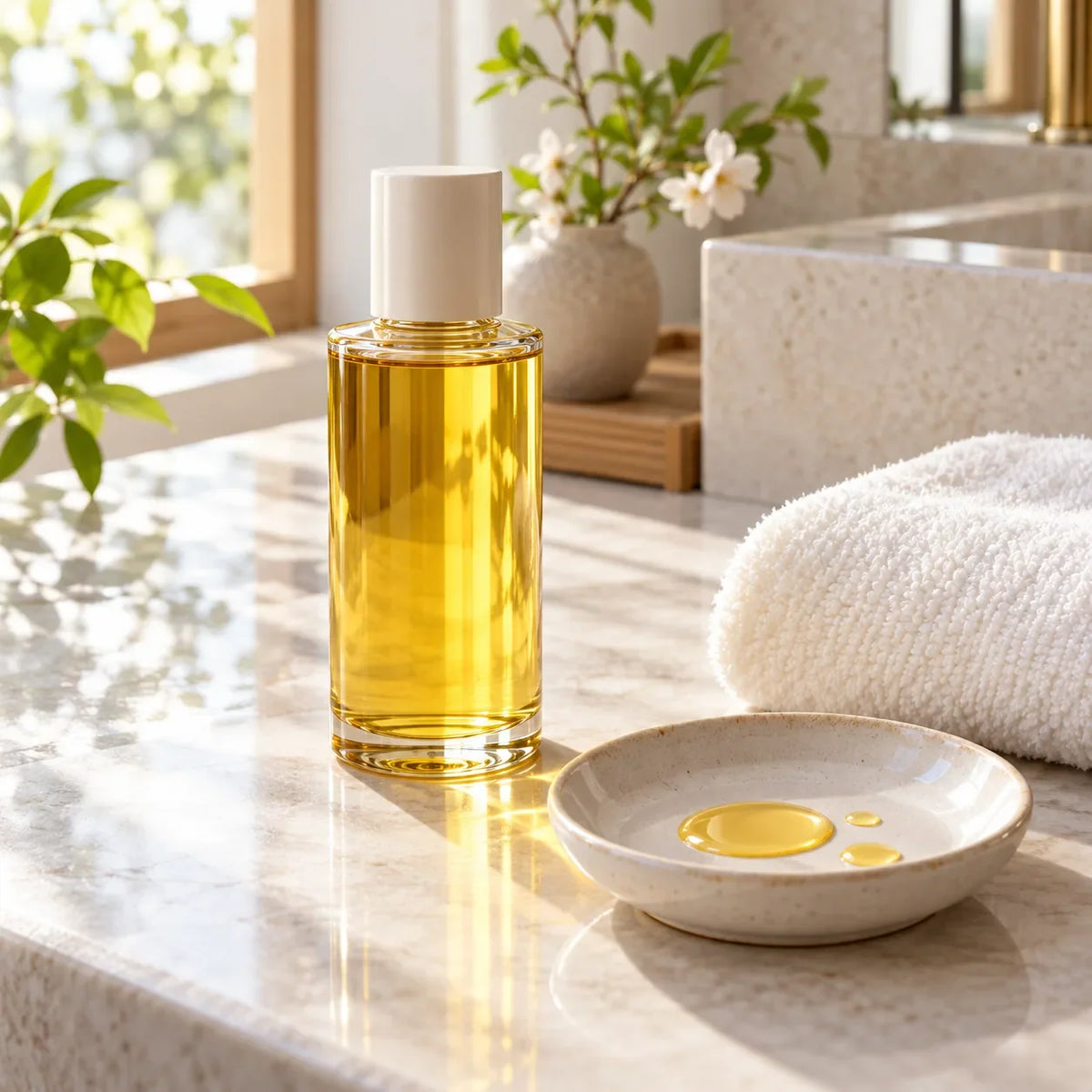
DHC is particularly well known for oil cleansing. A cleansing oil is a makeup-removal product, not the same thing as a leave-on facial oil. You massage it over the face, add water as directed and rinse it away. A leave-on oil, by contrast, stays on the skin as part of your moisturizing routine. Similar-looking bottles do not necessarily play the same role.
That distinction is useful if you wear sunscreen or makeup and want a first cleansing step. Oil can make a pleasant way to loosen makeup before a water-based face wash, but there is no need to scrub. Use the amount and instructions on the actual bottle, take care around the eyes and rinse thoroughly. If your face feels uncomfortable after two cleansers, consider whether you need both steps every time and discuss persistent irritation with a clinician.

Olive oil is closely associated with DHC’s cleansing story, but the whole formula matters more than the headline ingredient. A cleanser can contain an oil and still be a blended product designed to rinse off; it should not be confused with a bottle of cooking oil. Formulas can also change between editions and markets. If you are checking an allergy or comparing a specific ingredient, read the full list on the package for the exact version you buy. DHC’s business overview gives useful context about its wider range.
What comes after makeup removal?
A foaming face wash can be the next step if it suits your skin and your routine. The important detail is how your skin feels afterward. Clean should not have to mean painfully tight or irritated. Start with a small amount, add water, and use a light touch rather than chasing a squeaky finish. Rinse well and follow with a moisturizer that works for you.
If you are looking at an acne-focused product, read the specific label instead of assuming that everything in the line works the same way. A cleanser is one part of a routine and an individual product’s claims should not be treated as a guarantee that it will clear persistent acne. When breakouts are painful, worsening or leaving marks, a dermatologist can help with options suited to the situation.

Oil cleanser and foaming wash are separate purchases, and you do not need to buy a matched pair. If you already have a comfortable face wash, try changing one step at a time. That makes it easier to tell whether a new product is earning its place, and it avoids mistaking the combined effect of several changes for the effect of one.
The small DHC product people keep close
Not every useful product needs a multi-step explanation. A lip cream is there for the moments when lips feel dry and you want something easy to reapply. Texture and finish are personal: some people prefer a thin balm that disappears quickly, while others like a more noticeable layer. Neither preference tells you whether the rest of the brand will suit your skin.

A note on ingredients and the word “medicated”
Japanese beauty labels often use the term “medicated” for products in Japan’s quasi-drug category. It is worth reading the product-specific information rather than translating the word into a promise that a product treats every skin concern. An active ingredient, a fragrance, an oil or a botanical extract can matter differently depending on its formula and your own tolerance.
When comparing two DHC items, look at the full name, format, size, ingredient list and directions. A cleansing oil and an oil for use after cleansing may both mention olive oil, but they are not automatically interchangeable. Likewise, a brightening-labelled edition is a different listing from the standard cleanser: check the edition you are actually ordering rather than relying on a review of an older bottle.
If fragrance, a particular oil or another ingredient has bothered you before, make that the first thing you check. Consider trying a small area first when introducing unfamiliar skincare, and stop using a product that causes discomfort. No brand can promise a reaction-free experience for everyone.
How DHC fits beside the rest of your routine
DHC is one route through Japanese skincare, not a requirement to replace every product you like. A simple routine might use the cleansing oil when you need it, a face wash that feels comfortable, then a moisturizer. In the morning, use sunscreen as the final skincare step. The exact layers can be adjusted to your skin and the weather rather than to the number of products on a shelf.
If Japanese lotion, milk and cream names are unfamiliar, our guide to lotion, milk and cream explains where those textures normally fit. They are different categories from a rinse-off cleanser, regardless of the brand on the label.
DHC also sells dietary supplements, but they are separate from its skincare range. They are not replacements for a varied diet or prescribed care. Check the exact label, ingredients and local rules, and ask a healthcare professional if you have a medical condition, take medication or are unsure whether a supplement is appropriate for you.
Before you buy
Look for the exact item rather than shopping by “DHC” alone. Confirm the size, whether it is a rinse-off or leave-on product, and any shade or version selection. Read the current product page and packaging for directions and ingredients; a similar bottle in a video may be a different market or an earlier edition.
Then give your choice a fair but modest job. The cleansing oil should be judged as a cleanser, the wash as a wash, and the lip cream by whether you like using it. A practical routine often comes from a few products that fit the way you live, not from collecting every item in one range.


Share:
Tsubaki Hair Care: What It Is and How to Choose
Keana Rice Mask: What It Is and How to Use It