


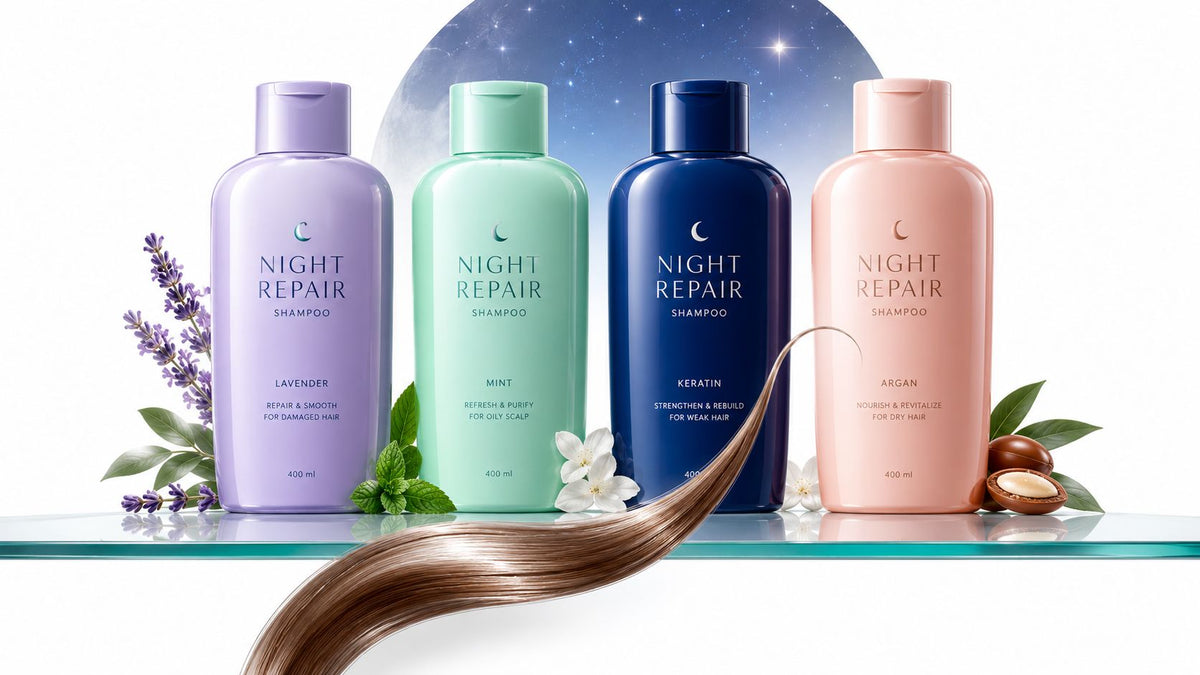
You've washed your hair at night, dried it carefully, and gone to bed hoping for a smooth morning. Instead, you wake up with dry ends, flattened roots, or tangles caused by hours of contact with your pillow. Choosing among the different Yolu shampoo types can help you build a routine around that specific nighttime concern, rather than choosing only by bottle color or fragrance.
Yolu's Japanese night-care approach includes several formulas with different cleansing systems and featured care ingredients. Buy Me Japan helps international shoppers access authentic Japanese beauty and lifestyle products through a convenient online store, making it easier to compare Japanese hair-care options before ordering. If your main concern is excess oil at the roots, you may also find this guide to the best shampoo for oily scalp useful.
Introduction to Yolu Shampoo Types
A shampoo that feels pleasant on the first wash isn't automatically the right match for your hair. Fine hair may become heavy when a formula leaves too much conditioning material behind, while bleached or porous hair may still feel rough after a cleanser that focuses mainly on oil removal. Yolu separates its range into named night-repair lines, so shoppers can think about the condition of both the scalp and the lengths.
The practical question isn't just "Which Yolu bottle smells nicest?" It's "What does my hair need after cleansing?" A formula with proteins and conditioning ingredients may suit hair that feels rough from chemical processing. A ceramide-focused formula may make more sense when dryness and frizz are the main complaints. A mild cleanser can be useful when the lengths feel fragile, although very oily scalps may require a different washing rhythm.
Buy Me Japan presents Japanese products for international shoppers who want an accessible way to explore authentic Japanese hair care. Before choosing, check the exact product listing, variant name, and current ingredient information, because similar-looking Yolu bottles can have materially different formulas.
Simple starting point: Choose according to your scalp and hair lengths separately. The scalp determines how much cleansing you need, while the lengths determine how much conditioning support feels comfortable.
Yolu's night-care positioning makes the range especially interesting for people who wash in the evening and want their routine to support smooth, manageable-feeling hair by morning. The right choice won't guarantee a particular result, but understanding the formula can make your first purchase much less random.
Understanding Yolu Night Repair Concept
YOLU entered the Japanese hair-care market in 2021 as a night-care beauty brand designed around hair's exposure to dryness and friction during sleep. Within two years of launch, the brand reported achieving the number-one share in Japan for its product-series category, along with cumulative sales exceeding 65 million units and 76 total beauty-award recognitions from beauty and fashion media. These figures come from YOLU's official brand source, so they should be understood as company-reported figures rather than independently audited market statistics. You can review the brand's product information on the official Relax Night Repair shampoo and treatment page.
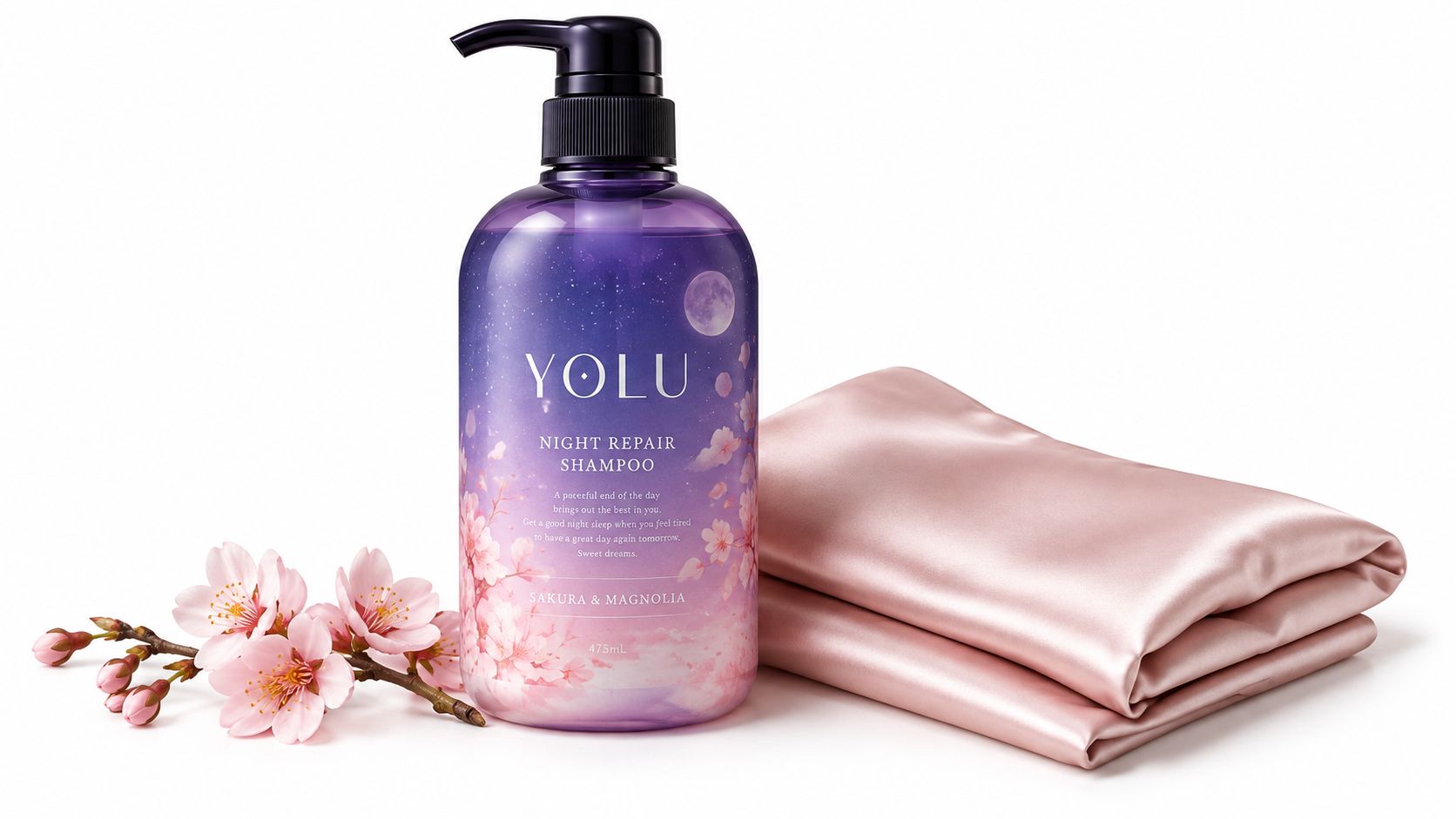
The night-repair idea is easier to understand as a balance between cleansing and surface care. Shampoo needs to remove sebum, styling residue, and everyday buildup. At the same time, a formula can include conditioning polymers, proteins, lipids, humectants, or botanical extracts that influence how the hair feels after rinsing.
Sleep adds a different context. Hair remains in contact with fabric and can rub against it as you move. Dry hair may tangle more readily, while damaged or porous hair often feels less smooth because its surface doesn't behave like intact hair. Yolu's answer is to frame shampoo and treatment as a coordinated nighttime routine rather than as a single-purpose cleanser.
Why the variants matter
The word “repair” on a product name shouldn't be read as a medical promise or proof of permanent structural restoration. In cosmetic hair care, shoppers should look at the cleansing agents and conditioning materials to understand the likely feel of a formula.
A mild cleanser may be more comfortable for dry lengths, while a formula with richer deposition can improve tactile smoothness but feel heavy on fine strands. That's why Yolu shampoo types need to be compared by their ingredient architecture, not just by the shared night-care branding. For a wider routine, you can also explore this guide to Japanese scalp-care products.
Comparison of Yolu Shampoo Variants
YOLU's official range includes Mellow Night Repair, Deep Night Repair, and Relax Night Repair, while Calm Night Repair is also listed as a distinct night-care formula. The brand therefore doesn't present one universal shampoo under several fragrances. The published ingredient lists show meaningful differences in surfactants and featured care ingredients.
| Variant | Key Surfactants | Featured Care Ingredients | Best For |
|---|---|---|---|
| Relax Night Repair | Sodium lauroyl methylalanine, laur amidopropyl betaine, sodium cocoyl methyl taurate, and cocamide-based ingredients | Hydrolyzed keratin, hydrolyzed collagen, squalane, silk-tree bark extract, and mallow-flower extract | Hair that feels rough or dry and benefits from a broader protein-and-conditioning profile |
| Calm Night Repair | Sodium lauroyl methylalanine, sodium olefin C14–16 sulfonate, cocamidopropyl betaine, and TEA-cocoyl glutamate | Ceramides NG, NP, and AP, glycerin, squalane, mimosa-bark extract, passionflower extract, and lotus-flower extract | Dry, frizzy, or seasonally dehydrated hair where softness and moisture support are priorities |
| Deep Night Repair | Sodium lauroyl methylalanine, sodium cocoyl methyl taurate, cocamidopropyl betaine, and sodium laureth-4 carboxylate | Polyquaternium-61 and phytosteryl/octyldodecyl lauroyl glutamate | Porous, chemically processed, dry, or friction-prone hair that needs mild cleansing with conditioning support |
| Mellow Night Repair | Consult the current product listing for the exact formula | Consult the current product listing for the exact featured ingredients | Shoppers interested in this named Yolu line should verify the current variant information before purchasing |
Relax and Calm are not interchangeable
Relax Night Repair stands out through its protein-and-conditioning emphasis. Hydrolyzed keratin and hydrolyzed collagen are smaller protein-derived materials commonly used in cosmetic hair formulas, while squalane contributes to a conditioned, smoother-feeling finish.
Calm Night Repair takes a different route. Its listed ceramides, glycerin, squalane, and conditioning polymers support a moisture-barrier concept. Ceramides and sterol-containing lipids resemble components associated with the intercellular lipid matrix, glycerin binds water, and polymers can reduce the friction felt during combing. Ingredient presence alone doesn't establish a clinical repair effect, because concentration, rinse time, hair porosity, and the accompanying treatment all matter.
Deep Night Repair for a lighter cleansing direction
Deep Night Repair uses an amino-acid-oriented cleansing system that includes sodium lauroyl methylalanine and sodium cocoyl methyl taurate. It also contains polyquaternium-61 and phytosteryl/octyldodecyl lauroyl glutamate, which can contribute to wet combing and surface smoothness.
This profile may suit hair that feels porous or processed, but very oily scalps might find a conditioning-heavy finish weighty, especially on fine hair. If you're comparing hair-cleansing concepts more broadly, this explanation of vinegar shampoo claims offers useful context about why cleansing formulas can create different sensory results.
For another Japanese hair-care comparison, see the guide to honey shampoo types. The important distinction is that Yolu's shared night-care theme doesn't make every variant suitable for every texture.
How to Choose the Right Yolu Shampoo Type
Start with the scalp, then assess the lengths. A shampoo touches both areas, but they often have different needs. Your roots may become oily quickly while your ends remain dry, or your scalp may feel comfortable while the lengths feel coarse after coloring or heat styling.
Ask four practical questions
- How does your scalp feel before washing? If it becomes oily quickly, avoid choosing only by the richest conditioning description. A formula that leaves substantial conditioning material behind may feel too weighty on fine hair.
- How do your lengths feel after drying? Roughness, tangling, and a dry texture point toward a formula with more conditioning or moisture-oriented ingredients. Relax, Calm, and Deep each approach that need differently.
- Has your hair been chemically processed? Bleaching, coloring, and repeated heat exposure can make hair feel porous. Deep Night Repair is the most technically appropriate Yolu option for this profile based on its mild cleanser and conditioning materials.
- What changes with the season? Hair can feel drier in cold or low-humidity conditions and more weighed down when heat, sweat, or scalp oil increases. You don't have to treat your first choice as permanent. Observe how your scalp and lengths respond, then reassess the next time you shop.
Use this quick decision path:
- Choose Deep Night Repair when porous, processed, or friction-prone lengths are your main concern.
- Choose Calm Night Repair when dryness, frizz, and a need for softness lead your decision.
- Choose Relax Night Repair when you want a broader protein-and-conditioning profile for rough-feeling hair.
- Investigate Mellow Night Repair through the current listing when its named line interests you, but verify the exact formula before relying on an ingredient comparison.
A changing routine can also make sense. You might prefer a more conditioning formula when your ends feel dry, then move toward a lighter-feeling wash if your roots become weighed down. Introduce one change at a time so you can tell whether the shampoo, treatment, or washing frequency caused the difference.
Here's a visual reference for comparing the bottles and routine format:
International shoppers can also compare another Japanese routine through this guide to Ichikami and Kracie shampoo. Whatever you choose, read the current label and product page carefully, because formulas and packaging can change.
Usage Tips and Common Mistakes
The formula matters, but application determines how evenly it cleanses. Begin by wetting the scalp and lengths thoroughly. This helps distribute the shampoo and reduces the temptation to use an excessive amount.
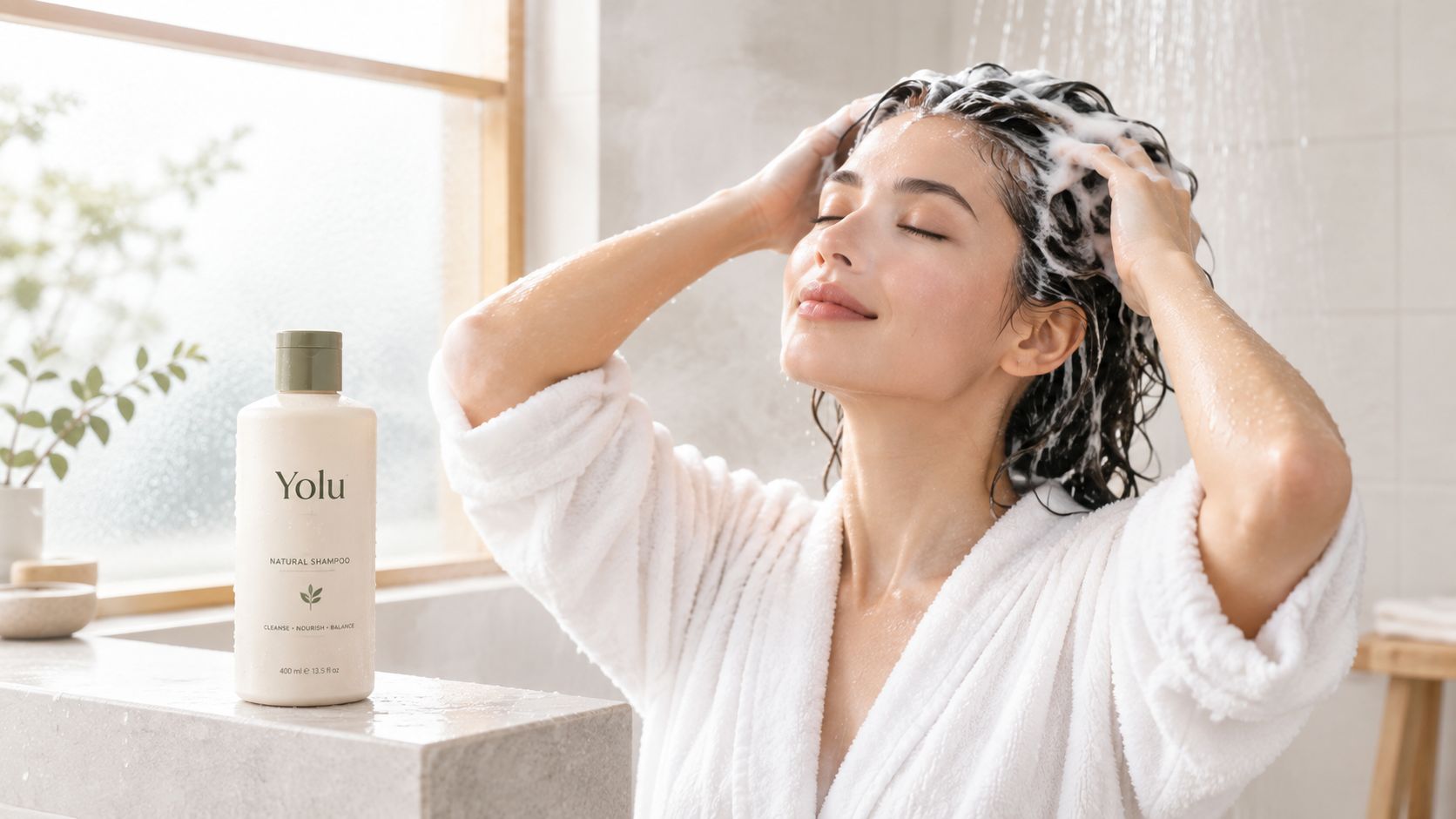
A calmer wash routine
Apply shampoo primarily to the scalp and roots, then let the lather travel through the lengths as you rinse. Use the pads of your fingers rather than your nails, and massage gently across the scalp instead of scrubbing aggressively.
Rinse until the hair and scalp no longer feel coated with cleanser. Follow with the matching Yolu treatment when available, applying it mainly to the mid-lengths and ends. This pairing matters because shampoo and treatment perform different jobs, and skipping the second step can leave dry or processed ends feeling less manageable.
- Too much product: Start with a modest amount and add only if the scalp isn't adequately covered. More shampoo doesn't automatically mean cleaner hair.
- Skipping treatment: If your lengths are dry or damaged-feeling, use the corresponding treatment according to its label rather than expecting shampoo alone to provide the same conditioning experience.
- Rinsing carelessly: Very cold water isn't required to “lock in” a formula. Rinse thoroughly and comfortably so cleanser doesn't remain around the scalp or hairline.
People with extensions or other added hair should pay particular attention to maintenance requirements, since washing technique and upkeep can affect how the hair remains manageable. This overview of extension costs and upkeep provides broader care context without replacing the instructions supplied with your own service.
Avoid tying wet hair tightly or going to bed with soaking-wet lengths. Gentle drying and reduced rubbing can complement the night-care idea, especially when your hair tangles easily.
If you want an additional conditioning step, review the guidance in this article about Ichikami hair masks. Patch test new products when appropriate, and stop using a formula if it causes discomfort.
FAQ and Troubleshooting
Can I mix Yolu with another shampoo or treatment?
Yes, you can build a routine across brands, but introduce one product at a time. That makes it easier to identify what causes heaviness, dryness, or discomfort.
Why does the foam vary?
Foam depends on the surfactant blend, water, product amount, and how thoroughly the hair was wet. Less foam doesn't automatically mean less cleansing.
What if my scalp feels irritated?
Stop using the product, rinse thoroughly, and avoid reapplying until the discomfort has settled. Seek professional advice if irritation persists or is severe.
Should I change variants immediately?
Not necessarily. Give yourself enough washes to observe the scalp and lengths under similar conditions, then change one variable at a time. Store unopened bottles according to the current packaging guidance and check the label before use.
Buy Me Japan offers international shoppers access to authentic Japanese beauty products, including YOLU shampoo and treatment options, through a convenient online store with secure payments, tracked shipping, and customer support. Visit Buy Me Japan to explore the current YOLU collection and choose a night-care formula that matches your scalp and hair needs.

Share:
Using Japanese Hair Oil for Humid Weather