


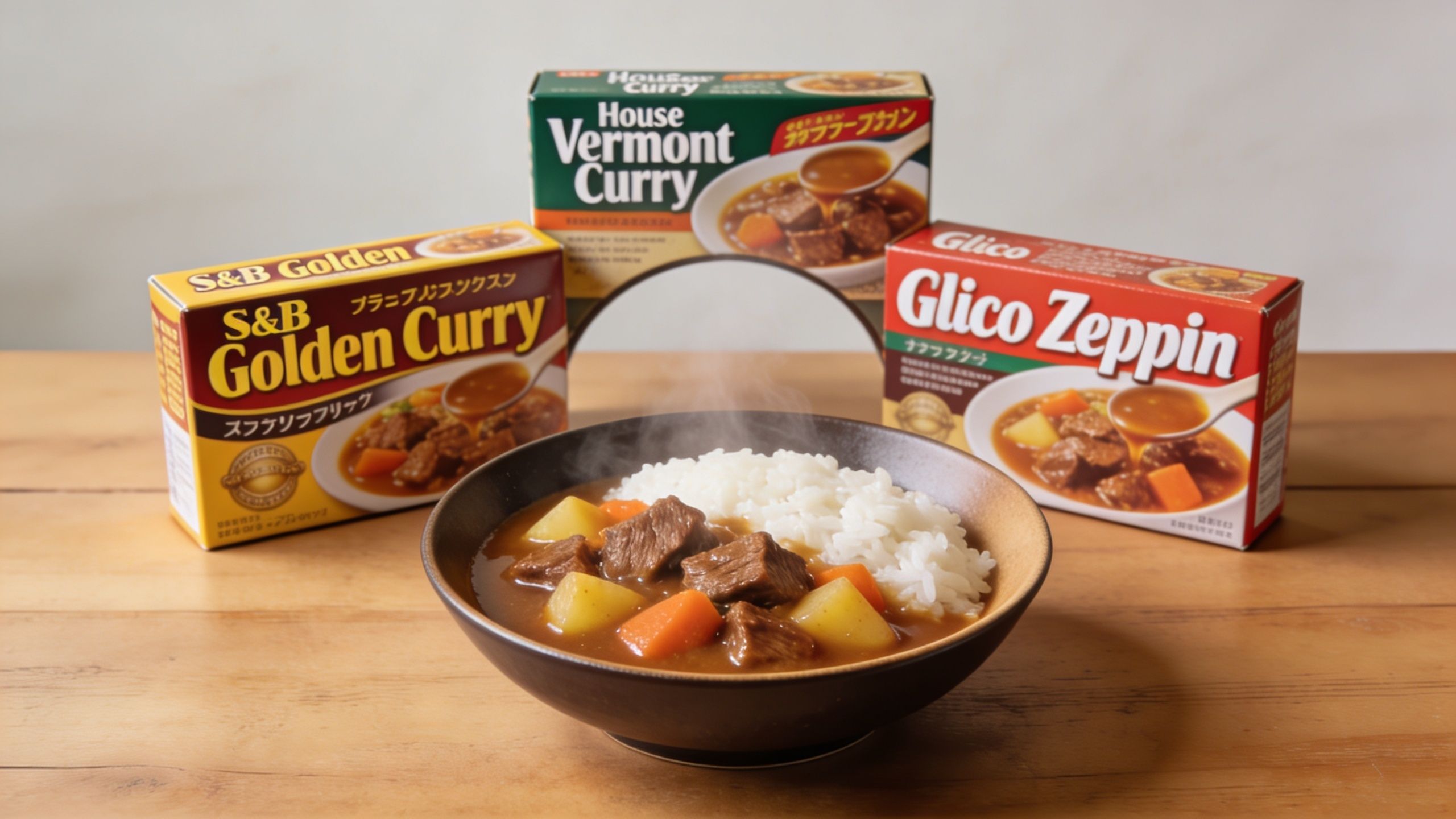
You're standing in front of a Japanese grocery shelf, or scrolling through an online store, and the curry section suddenly feels more complicated than it should. One box says mild, another says hot, one is a solid block, another is a pouch, and the brand names don't mean much yet. If you've tasted Japanese curry in Japan or at a good Japanese restaurant, you probably want that same deep, cozy flavor at home without guessing wrong.
That's where choosing the right japanese curry brand matters. Authentic Japanese curry has its own style, and once you understand how the main brands think about sweetness, spice, thickness, and convenience, the shelf starts to make sense. You don't need to memorize every product. You just need a practical way to decide.
Your Guide to Authentic Japanese Curry
Many first-time buyers share a similar experience. They remember a curry that was silky, savory, gently sweet, and satisfying in a way that felt different from other curries they had before. Then they try to recreate it with generic curry powder, and the result tastes thinner, sharper, or clearly not Japanese.
The difference usually starts with the product itself. A true japanese curry brand isn't just selling spice. It's selling a specific balance of flour, fats, seasonings, and spice blending that creates the familiar thick sauce people expect from Japanese home cooking.
That's why shopping from Japan can matter. You're not just buying a label you recognize. You're buying the exact version Japanese households use, with the intended flavor profile, heat scale, and texture.
If you enjoy cooking seriously, the tools matter too. The vegetables in curry are usually simple, but the cut affects how they hold their shape during simmering. A good knife helps, and if you want to understand why Japanese cooks care so much about clean prep, this guide to Japanese chef knives in New Zealand is a useful side read.
Practical rule: If your goal is “the curry I had in Japan,” start with a Japanese-made roux or retort curry before trying to build the flavor from scratch.
You don't need more options. You need better filters. Brand tells you the house style. Format tells you how much work you want to do. The package tells you how sweet, spicy, or rich the curry is likely to feel.
The Heart of Japans Comfort Food
You're standing in front of a shelf of curry boxes for the first time, and one question matters before brand names do. What kind of comfort are you buying?
Japanese curry, often called kare raisu or curry rice, is built to be comforting in a very specific way. The sauce is thick, smooth, and made to coat rice in a soft, steady layer. It does not eat like a broth.

Why Japanese curry tastes different
Many first-time buyers expect “curry” to signal strong heat first. Japanese curry usually leads with body and balance instead. The spice is there, but it often arrives as warmth rather than a sharp kick.
A useful comparison is gravy. Japanese curry sauce works like a seasoned, spice-layered gravy, with sweetness from onion or fruit, savory depth, and a rounded finish. That is why a box labeled mild can still taste full and satisfying.
The texture comes from the way many Japanese curry products are built. Roux blocks combine seasonings with flour and fats, so the sauce thickens quickly and evenly in the pot. For a home cook, that matters because texture is part of the identity of the dish, not just a side effect of cooking.
Flavor balance matters just as much. Good Japanese curry usually blends sweetness, salt, gentle bitterness, and spice so no single note dominates. If you are still figuring out why the sauce tastes rich even when it is not very hot, this guide to what umami flavor means gives helpful background.
Why it became a national comfort food
Japanese curry began as an imported idea and then changed shape inside Japanese home cooking. Over time, it became simpler to make, easier to repeat, and more closely tied to rice, family meals, and everyday routines. That history helps explain why it feels so settled and familiar in Japan. It is not treated like restaurant-only food. It is the kind of dish people expect to make on an ordinary evening.
That everyday role is useful for a first-time international buyer to understand. You are not choosing between exotic products. You are choosing between different versions of a weeknight staple, much like choosing tomato sauce for pasta or stock for soup. Some versions are sweeter and gentler for children. Some are darker and spicier for adults. Some are designed for cooking from scratch, while others are ready to heat and serve.
Japanese curry rewards balance over intensity. The best choice is usually the one that matches how rich, sweet, or spicy you want dinner to feel.
That is also why label-reading matters so much. If you know that Japanese curry is supposed to feel comforting first, you can judge the package more accurately. “Mild” does not mean bland. “Hot” does not always mean aggressive. A package showing vegetables and home-style curry often points to a softer, everyday profile rather than a restaurant-style one.
You can see the same pull toward reassuring, repeatable dishes in other food experiences too. A Manchester food adventure with Food Escapes often highlights foods people return to for warmth and satisfaction. Japanese curry belongs in that same comfort-food category, but with its own style of sweetness, thickness, and gentle spice.
Meet the Titans S&B, House Foods, and Glico
You are standing in front of a shelf full of curry boxes, and three names keep repeating. S&B, House Foods, and Glico. For a first-time buyer, that is good news. A shorter shortlist makes the choice easier, but only if you know what each brand is trying to do in the pot.

These brands are the core reference points for Japanese home curry. If you learn their personalities first, the rest of the aisle starts to make sense. The decision is less about finding the single "best" japanese curry brand and more about matching a brand's style to the dinner you want.
S&B Foods
S&B is often the easiest starting point because its flavor profile sits close to what many shoppers picture when they hear "Japanese curry." Golden Curry, in particular, is widely available outside Japan and gives you a solid benchmark for the style. It usually tastes balanced, savory, and clearly spiced without becoming too sweet.
S&B also has a practical advantage for beginners. The brand is common in export markets, so it is often the box you can find first and replace later if you like it. That matters more than it may seem. Your first curry should be easy to repeat, adjust, and learn from.
If you enjoy other classic Japanese pantry staples with a clear, dependable style, the same kind of shelf-reading skill helps with choosing Japanese instant ramen brands too.
Choose S&B if you want a reference point. It gives you a reliable sense of what everyday Japanese curry tastes like before you start comparing sweeter or richer options.
House Foods
House Foods often appeals to buyers who want comfort first. Its well-known products, especially Vermont Curry, are associated with a softer and slightly sweeter profile that feels friendly from the first bite.
That sweetness can confuse new shoppers, so it helps to be specific. Sweet does not mean dessert-like. It usually means rounded edges, less sharp spice, and a gentler finish. If S&B feels like the middle of the map, House often sits closer to the cozy side.
This makes House a smart pick for families, cautious spice eaters, or anyone who wants curry to feel mellow rather than intense. If your ideal bowl sounds warm, smooth, and easy to like, House is often the safer first buy.
Glico
Glico usually attracts shoppers who want more depth. Its curry products, such as Zeppin Curry, are often positioned as richer and more layered, with a stronger sense of developed flavor.
For a new buyer, "more complex" does not always mean "better." It means the flavor may feel darker, fuller, or more restaurant-leaning than a very straightforward home-style curry. Some people love that on the first try. Others prefer to start with a simpler profile and work upward.
Glico makes the most sense if you already know you enjoy deeper sauces, stronger spice character, or curries that taste a little more polished and concentrated.
Quick chooser: Pick S&B for a dependable baseline, House for a softer and sweeter bowl, and Glico for richer, more layered flavor.
A simple brand personality table
| Brand | What it's known for | Best for |
|---|---|---|
| S&B Foods | Classic curry profile, broad availability, dependable flavor balance | First-time buyers who want a reliable starting point |
| House Foods | Gentle sweetness, approachable style, family-friendly taste | Mild-curry fans and households with mixed spice tolerance |
| Glico | Richer flavor, layered spice character, premium feel | Shoppers who want more depth and a fuller finish |
A helpful way to choose is to start with your taste preference, not the brand's reputation. If you want familiar and balanced, start with S&B. If you want gentle and cozy, start with House. If you want deeper and more intense, start with Glico. That approach saves you from buying a perfectly good curry that was not the right fit for your first bowl.
Roux Blocks vs Retort Pouches Choosing Your Format
Your first real buying decision usually isn't brand. It's format. Once you know whether you want a roux block or a retort pouch, the product list becomes much easier to sort through.

What a roux block gives you
A roux block is the format most home cooks think of first. You cook your onions, meat, potatoes, and carrots, add water, and dissolve the curry blocks into the pot. The result tastes homemade because, in a real sense, it is.
Roux blocks work well when you want control. You decide how many vegetables to add, whether to use chicken or beef, and how thick to make the final sauce. You can also blend brands or spice levels if you enjoy experimenting.
This format is part of why Japanese curry is so accessible at home. Leading roux products are built from a blend of spices, flour, and fats, so much of the hard flavor construction has already been done for you in a stable block.
What a retort pouch gives you
A retort pouch is ready-to-eat curry sealed for shelf-stable convenience. You heat it, pour it over rice, and eat. That's it.
For some buyers, this is the smarter first purchase. If you've never tasted a specific japanese curry brand before, a pouch lets you sample its style with almost no effort. It also makes sense for solo meals, office lunches, dorm cooking, or nights when you want Japanese food fast.
If you already enjoy convenience foods like instant noodles, retort curry often fits the same rhythm. This article on Japanese ramen and instant noodles is a useful companion because the shopping logic is similar. Shelf-stable, quick, and surprisingly nuanced once you learn the categories.
If you cook for a family or want leftovers, choose roux. If you cook for one or want speed, choose retort.
Side-by-side buying logic
| Question | Roux block | Retort pouch |
|---|---|---|
| Do you want to cook ingredients yourself? | Yes | No |
| Do you want to control thickness and richness? | Yes | Limited |
| Are you feeding several people? | Usually easier | Better for single servings |
| Are you nervous about making curry for the first time? | Still beginner-friendly | Easiest option |
| Do you want a pantry emergency meal? | Useful | Excellent |
The easiest way to decide
Some shoppers overthink this. You don't need to.
Choose a roux block if you want the experience of making Japanese curry. Choose a retort pouch if you want the experience of eating Japanese curry.
That one distinction solves most confusion. After that, you can start narrowing by heat level and brand style.
Decoding Curry Labels Heat, Sweetness, and Style
You are standing in front of a shelf of curry boxes and pouches. One says 甘口, another says 中辛, another mentions rich flavor, and another shows apples or honey on the front. For a first-time international buyer, that can feel like guesswork. It does not have to be.

A Japanese curry label usually answers three practical questions. How spicy is it. How sweet or mellow is it. What kind of eating experience is it aiming for. If you read the package in that order, the category gets much easier.
Start with the heat words
Heat labels are the fastest clue because they appear on many boxes and pouches in large type.
- 甘口 Amakuchi means mild, often with a sweeter and gentler profile.
- 中辛 Chukara means medium hot, usually the safest starting point for adults trying Japanese curry for the first time.
- 辛口 Karakuchi means hot, though Japanese curry heat is often warm and rounded rather than sharply fiery.
One detail causes confusion. These labels do not describe chili heat alone. They also suggest balance. A mild curry often tastes softer, sweeter, and more approachable. A hotter curry often tastes darker, less sweet, and more spice-led.
If you usually enjoy foods with a little warmth but not a strong burn, start with 中辛. It is the closest thing to the middle shelf choice.
Then check for sweetness and body
Japanese curry is not only about spice. It is built on contrast. Sweet notes from fruit, onion, or honey can soften the edges and give the sauce that familiar comfort-food feel.
Packaging often hints at this. Apples, honey, corn, or words that suggest mellow family flavor usually point toward a sweeter style. Rich beef imagery, darker sauce photos, or words like premium and deep flavor usually point toward a fuller, less sweet bowl.
Sweetness changes what the curry feels good with. A gentler, sweeter curry suits katsu, omelet rice, or a weeknight family dinner. A deeper, less sweet curry fits beef, mushrooms, or a heavier cold-weather meal.
Read style words as a flavor map
After heat and sweetness, look for the product's overall style. It is through this style that brands separate themselves.
Some labels point to a classic comfort style. These are broad-appeal curries meant to please almost everyone at the table. Others point to premium richness, with more layered spice, deeper color, or a smoother finish. You may also see health-conscious versions, such as lower-sodium or vegetable-forward formulas.
For a first purchase, style words matter more than many shoppers expect. Two products can both be medium hot and still taste quite different. One may feel light, sweet, and easy. Another may feel darker, richer, and more dinner-like.
If you want more background on how spice blends shape those differences, this guide to Japanese curry spices and flavor building is a useful companion.
Quick shortcut: Heat tells you intensity. Sweetness cues tell you softness or richness. Style words tell you what kind of meal the brand wants you to picture.
Check the fine print before you commit
Flavor is only part of the decision. Labels also help you avoid the most common first-time buying mistakes.
Here is what to scan for on the package or product listing:
- Allergens, especially wheat, dairy, and soy, which are common in curry roux
- Vegetarian or plant-based wording, if that matters for your household
- Lower-sodium notes, if you are comparing standard and lighter formulas
- Serving suggestions, such as curry for rice, katsu curry, or a richer dinner curry
A useful way to read the label is to treat it like a restaurant menu condensed into a box. The heat label tells you how bold the dish may feel. The sweetness cues tell you whether it leans cozy or more savory. The style words tell you whether the brand is aiming for a family standard, a richer premium bowl, or a lighter everyday option.
Once you read labels that way, choosing the right japanese curry brand stops feeling random. It becomes a simple match between the package and the kind of meal you want.
How to Buy Authentic Japanese Curry Anywhere
You are standing in front of a tiny Japanese shelf at an international market. There is one curry box, one pouch, and a lot of guesswork. For a first-time buyer, the hard part is usually not finding Japanese curry at all. It is figuring out whether the product in front of you will match the meal you want to eat.
A better approach is to shop where curry is treated as a real category, with enough range to compare format, heat level, and brand style side by side. If you want a broader starting point, this guide to buying Japanese food products online helps you see where curry fits within the wider world of Japanese pantry shopping.
Then narrow your choice with a simple filter.
Start with format. Choose roux blocks if you want to cook potatoes, onions, and meat or vegetables into a full pot of curry. Choose retort pouches if you want a fast meal and would rather heat than build the dish from scratch. That one decision removes a lot of confusion right away.
Next, check the label details that matter most in an online listing or on the box itself. Clear brand names help you know what flavor family you are buying. Heat labels help you avoid buying something gentler or stronger than you want. Product photos and serving notes show whether the curry is aimed at a classic rice dinner, a richer restaurant-style plate, or a quick everyday meal. For international buyers, that label reading habit works like having a guide in the aisle.
Buy Me Japan carries Japanese curry products shipped from Japan, including House Foods ready-to-eat curry in mild, hot, and very hot versions. The useful part for a new buyer is not just access. It is being able to compare options with enough context to choose on purpose instead of buying the only box available and hoping for the best.
If a seller gives you the brand, the format, the heat level, and clear domestic-style packaging details, you usually have what you need to make a smart first purchase.
Start Your Japanese Curry Adventure
By this point, the shelf should look much less confusing. You know that Japanese curry is its own comfort-food category, not just a generic curry powder situation. You know the three major brand personalities, the difference between roux blocks and retort pouches, and the label clues that matter most.
That changes how you shop. Instead of asking “Which curry is best?” you can ask better questions. Do I want to cook or just heat and eat? Do I want sweeter or deeper flavor? Do I want a classic benchmark or something more premium?
If you want to build a full Japanese dinner around your curry, this guide to Japanese rice wine for cooking can help you think beyond the curry box and into the rest of the meal.
The right japanese curry brand isn't the same for everyone. The right one is the one that matches your kitchen, your schedule, and your palate.
If you're ready to try authentic Japanese curry at home, Buy Me Japan is a practical place to explore Japanese food shipped directly from Japan, including curry products from well-known household brands.


Share:
Bouncia Body Soap A Guide to Japan's Famous Foam Wash
Unlock the Best shiseido eyelash curler asian eyes Curl