

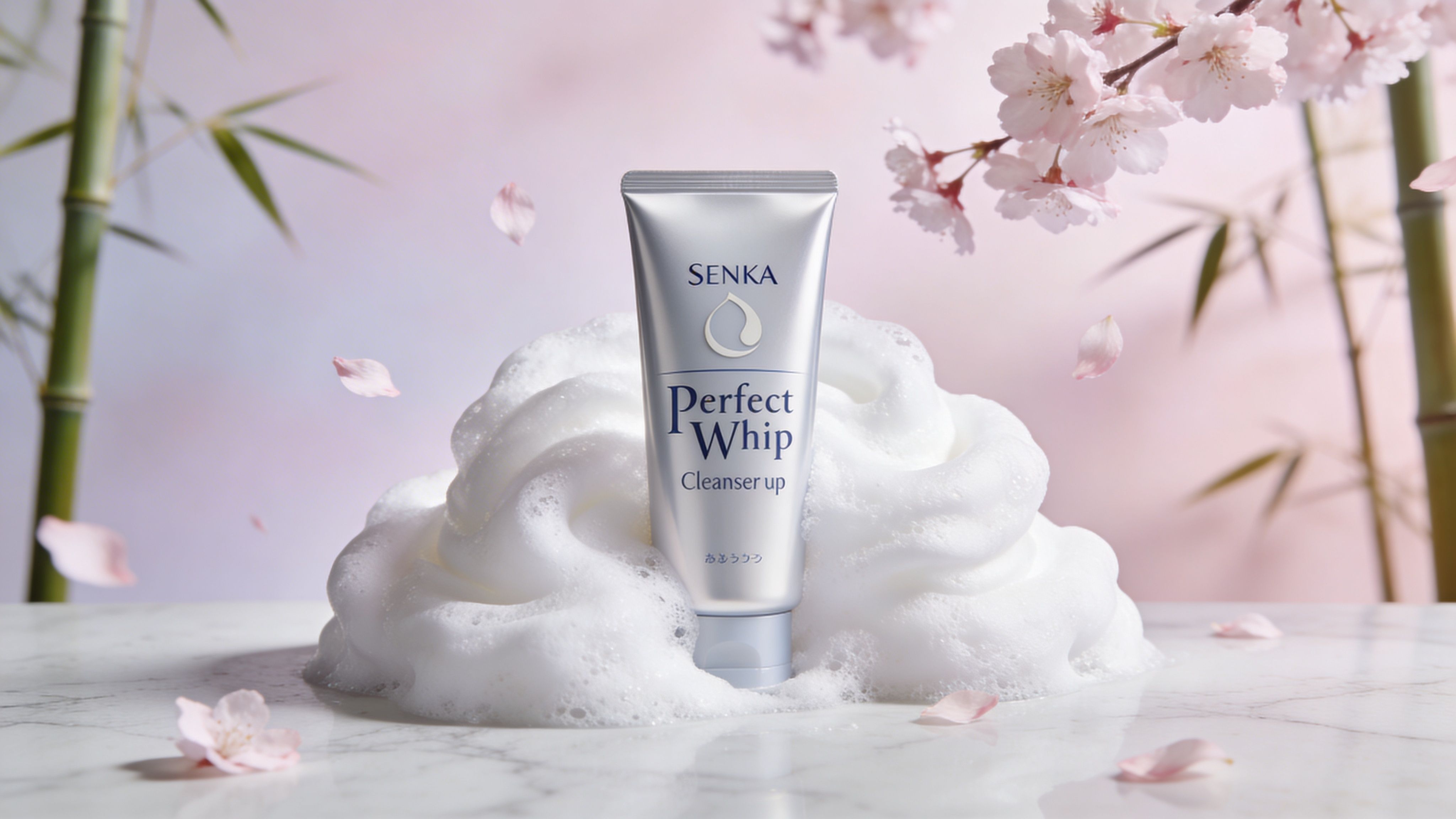
You wash your face at night, but your cleanser keeps forcing a trade-off. One leaves your skin tight. Another feels too mild and doesn’t give that clean, fresh finish. If you’ve been curious about the Japanese foam cleanser people keep talking about, that’s usually the moment perfect whip cleanser enters the conversation.
A lot of international shoppers first notice it because of the dense foam. Then the questions start. Which tube is right for oily skin? Is the pink one only for mature skin? Does the acne version feel harsher? And how do you know the product you found online is the Japanese original?
This guide breaks it down in simple terms. You’ll learn what makes Perfect Whip different, how its foam works, which variants fit different skin needs, how to use it properly, and what authenticity cues matter when buying Japanese skincare outside Japan.
Introduction
At the end of a long day, cleanser is usually the point where people want skincare to feel easy again. You want something that removes sunscreen, oil, and city grime without making your face feel stretched afterward. That’s one reason the perfect whip cleanser has stayed so visible in Japanese skincare conversations.
For many people outside Japan, the confusing part isn’t whether Senka Perfect Whip is popular. It’s understanding why. Japanese cleansers often look simple on the shelf, but the formulas are usually built around texture, foam structure, and skin feel in a way that isn’t always explained well in English.
Perfect Whip is a good example. It isn’t just “a foaming face wash.” Its appeal comes from how the foam behaves, how different variants target different skin needs, and how the formula tries to balance cleansing with comfort. Once you understand that, choosing the right tube gets much easier.
The easiest way to think about it is this. Perfect Whip works like a cushion of foam between your hands and your face, so cleansing can feel thorough without relying on rough rubbing.
Understanding Perfect Whip Cleanser
A lot of global shoppers first meet Perfect Whip in a very ordinary way. You are scrolling through a Japanese beauty store, you see several blue or white tubes with similar names, and they all seem to promise soft, dense foam. The confusing part is not whether the cleanser is popular. The confusing part is what the product is, and whether the tube you found matches the version Japanese shoppers know.
Senka Perfect Whip is a foaming facial cleanser from Shiseido’s Senka line. The original formula has been on the market for many years and became widely recognized in Japan for one main reason. It built its reputation around foam quality, not around flashy actives or complicated claims.

That distinction helps explain why the cleanser can feel different from many Western gel or cream cleansers. Perfect Whip is designed to create a dense lather that sits between your skin and your fingers like a soft buffer. A good comparison is washing delicate fabric with a padded sponge instead of rubbing it directly with your hands. The cleansing still happens, but the contact feels more cushioned.
A closer Senka Perfect Whip beauty review notes the brand’s focus on rich foam, along with ingredients such as double hyaluronic acid and silk-derived components that support a more comfortable after-feel. That is why people often describe it as a cleanser that aims to wash away oil and daily buildup without leaving the skin feeling stripped right away.
For international readers, another point matters. “Perfect Whip” is not always identical across regions.
Japanese domestic versions, export versions, and market-specific packaging can look very close at first glance. Ingredient lists, labeling language, and even the way variants are presented can differ depending on where the tube was produced for sale. This is one of the easiest details to miss in generic reviews, but it affects how confidently you can compare one listing with another.
Brand trust also plays a role. Senka sits under the wider Shiseido umbrella, which gives many shoppers confidence, especially if they are trying Japanese skincare for the first time. If you want a clearer frame for why whipped foam cleansers are so common in Japan, this guide to how Japanese foam cleansers are used in skincare routines gives helpful context.
So the simplest way to understand Perfect Whip is this. It is a long-running Japanese foam cleanser line built around dense lather, comfort during cleansing, and multiple region-specific versions that look similar until you know what cues to check.
Key Ingredients Benefits and Variants
The easiest mistake people make with perfect whip cleanser is treating every tube as if it works the same way. They don’t. The product line is better understood as a set of formulas built around different skin concerns.

According to this detailed look at the line’s mechanistic differentiation and market positioning, the original formula targets normal-to-combination skin through dense foam cushioning, while other versions change the ingredient focus more deliberately.
How the variants differ
Here’s a simple comparison for readers who get lost staring at similar-looking tubes.
| Variant | Main focus | Skin type it may suit |
|---|---|---|
| Original | Dense foam cleansing with a balanced feel | Normal, combination |
| Acne Care | Salicylic acid and Kyoto green tea extract | Oily, breakout-prone |
| Collagen | Film-forming collagen ingredients | Drier or more mature-feeling skin |
| White Clay | Kaolin-based adsorptive cleansing | Congested, blackhead-prone |
The useful part isn’t the marketing language. It’s the mechanism.
Original formula
The original version is built around the sensory experience people associate with Senka. Think of it as the all-rounder. It focuses on cleansing through dense foam rather than adding a strong treatment identity.
If your skin isn’t especially reactive, very dry, or strongly acne-prone, this is often the easiest place to start.
Acne Care version
The green tube is more targeted. The same source notes that it includes Salicylic Acid and Kyoto green tea extract. Salicylic acid is a beta-hydroxy acid, which means it’s oil-friendly and works into pore areas more effectively than many water-based exfoliating ingredients.
That doesn’t automatically make it “strong.” It makes it more specific. If your skin gets shiny fast, feels congested around the nose, or breaks out from excess oil, this version may make more sense than the original.
Practical rule: If your main complaint is midday oil and clogged-feeling pores, choose based on that concern first. Don’t pick by package color or popularity.
Collagen version
The pink tube is often misunderstood. People sometimes assume “collagen” means anti-aging in a dramatic sense. In cleanser form, the role is more about feel and finish.
The source explains that hydrolyzed collagen and water-soluble collagen act as film-forming agents. A simple analogy is a soft veil on the skin surface. It won’t replace a leave-on collagen treatment, but it may feel more comfortable for skin that dislikes cleansers that leave a bare, stripped finish.
White Clay version
The White Clay formula uses kaolin particles for mechanical exfoliation alongside adsorptive cleansing. If your skin tends to feel rough around the T-zone or you’re focused on blackhead-prone areas, this is the variant that leans more toward purification.
That said, “more cleansing” isn’t always “better cleansing.” If your barrier is already irritated, a more purifying tube may not be the right first choice.
For readers comparing hydration-focused Japanese products beyond cleansers, this article on top hyaluronic acid Japan products for glowing skin helps place the Senka formulas in a broader routine.
A quick way to choose
Use this shortcut if you’re unsure:
- Want a safe starting point: Go with the original.
- Get oily and congested quickly: Look at Acne Care.
- Dislike that post-wash “tight” feeling: Consider Collagen.
- Focus on clogged pores and rough texture: White Clay may fit better.
Usage Tips Best Practices
Perfect Whip works best when you treat it like a foam cleanser, not a cream cleanser. That sounds obvious, but it changes everything. The product isn’t meant to be smeared straight onto dry skin and rubbed around heavily.

The formula uses a surfactant system that includes Potassium Stearate, Potassium Myristate, and Potassium Laurate, described in this ingredient-focused analysis. That combination helps create the dense micro-bubble structure people notice right away.
Why your technique matters
A good analogy is dish soap versus shaving foam. Both can cleanse, but one sits thin and slippery while the other builds structure and cushion. Perfect Whip is designed to become the second kind.
The same analysis notes that Polyquaternium-7 helps stabilize the foam and forms a protective layer on the skin surface, while humectants such as glycerin and glycols help offset the drying feel often associated with foaming cleansers. So the way you build the lather supports how the formula is meant to perform.
If you flatten the process by using too little water or too much direct rubbing, you lose part of the point.
How to create the right foam
You don’t need special skill, but you do need a little patience.
- Wet your hands and face with lukewarm water.
- Squeeze out a small amount of cleanser.
- Add water gradually, not all at once.
- Rub between your palms or use a foam net until the cleanser turns into a dense cloud rather than loose bubbles.
- Apply the foam to the face, not the unfoamed paste.
The texture you want is closer to whipped meringue than hand soap suds.
If the bubbles look large and disappear quickly, you probably need more whipping time, not more product.
How to wash without overdoing it
Once you have enough foam, use it like a cushion. Press and glide lightly over the skin instead of scrubbing with your fingertips.
That method is especially useful around the nose and chin, where people often rub hardest. Foam lets you cleanse those areas without turning the routine into friction.
A simple order works well:
- Start with the oilier zones: forehead, nose, chin.
- Move to the cheeks second: they’re often less oily and more prone to feeling dry.
- Finish fast around the eye area: unless the product is getting too close to the eyes, keep contact brief and gentle.
If you shave part of your face, reducing friction matters even more. For readers dealing with irritation after hair removal, this guide on how to prevent razor bumps for flawlessly smooth skin adds helpful context on protecting freshly stressed skin.
When to use it in a routine
Perfect Whip can be a standalone cleanser in the morning. At night, it often works better as the second step after makeup remover or cleansing oil if you wear sunscreen or long-wear base products.
Many international users often misunderstand this aspect of Japanese cleansing habits. In Japan, a foaming cleanser like this often follows an oil or balm step rather than replacing it.
For a clear walkthrough, this article on how to double cleanse reveal clearer skin today explains where a product like Perfect Whip fits.
A short visual demo can also help if you’ve never used a foam net before.
Common technique mistakes
Most problems come from method, not from the cleanser itself.
- Using hot water: This can make any foaming cleanser feel harsher afterward.
- Applying too much product: More paste doesn’t always mean more foam.
- Rubbing before lathering fully: This increases friction and can make skin feel rough.
- Skipping moisturizer after cleansing: Even a balanced cleanser is still a wash-off step.
Authenticity Packaging Cues
Counterfeit skincare usually fails in the boring details. The fake tube may look close enough in a quick marketplace photo, but the weak points show up in print clarity, labeling consistency, and overall finish.
With perfect whip cleanser, authenticity matters because texture is part of the product experience. If the formula is altered, diluted, or poorly stored, the foam behavior can change. That affects both performance and skin comfort.
What to check on the tube
Start with the basics before you focus on design.
- Printing quality: Genuine packaging should look clean and precise, not fuzzy or misaligned.
- Color consistency: The tube color should match the expected variant. A dull or oddly tinted package can be a warning sign.
- Japanese labeling: Real Japan-market products often include Japanese text that looks professionally set, not cramped or awkwardly spaced.
- Cap construction: A flimsy closure or uneven plastic finish can signal poor manufacturing.
What often confuses international buyers
Reformulations and region-specific packaging can make authentic products look slightly different from old review photos. That doesn’t automatically mean the item is fake. It means you should compare several details together, not one screenshot from a social post.
A safer way to judge authenticity is to ask:
- Does the packaging quality look consistent with a major Japanese brand?
- Does the seller clearly identify the exact variant?
- Are product photos detailed enough to inspect the tube properly?
- Does the listing explain that the product is sourced from Japan?
A genuine cleanser should look boringly well-made. Counterfeits often try to copy the front design but miss the finish, spacing, or material quality.
Why source matters as much as packaging
Even when a product is real, poor sourcing can create problems. Old stock, damaged seals, or unclear storage history can change how a cleanser smells, lathers, or feels.
That’s why experienced shoppers don’t only ask, “Does the tube look real?” They also ask, “Does the seller handle Japanese beauty products carefully and identify them clearly?” With cleansers, that practical trust matters more than dramatic authenticity claims.
Buying Guide on Buy Me Japan
A lot of English-language content about perfect whip cleanser focuses almost entirely on the original blue tube. That leaves international buyers with a gap. They can see there are multiple variants, but they don’t always get enough guidance on how those versions relate to climate, skin type, and formula preference.
The variant comparison gap is one reason shoppers keep circling back to Japan-focused stores that label products more clearly. A source connected to the product discussion notes that many reviews don’t explore differences between the standard, medicated acne, low pH cica, and Berry Bright versions for non-Japanese markets, while interest in low pH cica variants has grown in global searches in the last year according to the related video source.

That’s where a Japan-based retailer can be more useful than a generic marketplace listing. For example, Buy Me Japan carries Japanese beauty products shipped directly from Japan and also provides a cleaner way to browse product categories, brand pages, and mobile shopping options for customers who want Japan-market items rather than random mixed inventory.
What helps when choosing a store
When you shop for a cleanser like this internationally, the useful criteria are practical:
- Variant clarity: The listing should make it obvious which tube you’re buying.
- Japan sourcing: The seller should state that products ship from Japan.
- Category context: It helps if the store also explains how the cleanser fits within Japanese skincare routines.
- Mobile access: Many shoppers compare variants on their phone, so app usability matters.
If you’re comparing options, this article on best online Japanese stores gives broader context on what to look for when buying Japanese products online.
How to choose the right Perfect Whip listing
Don’t stop at the first product photo. Read the full variant name and match it to your skin goal.
A practical checklist:
- For oily or acne-prone skin: Look for names that clearly mention acne care, salicylic acid, or pore-focused cleansing.
- For a general daily wash: The original is the least complicated starting point.
- For sensitive-leaning routines: Read carefully before jumping into trend-driven versions like low pH cica. “Gentler sounding” labels still need to fit your own skin.
- For humid climates: Prioritize finish and comfort, not hype. A formula that sounds rich may feel too much for some users, while a medicated version may feel more suitable for others.
What makes the shopping process easier
A good product page should reduce uncertainty. You should be able to answer three questions quickly:
| Question | What to look for |
|---|---|
| Is this the exact variant I want? | Full product name and tube image |
| Is it sourced from Japan? | Clear sourcing or shipping statement |
| Can I compare related products? | Linked brand or skincare category pages |
That level of clarity matters more than exaggerated promises. With Japanese skincare, the quiet details usually tell you more than the loud sales copy.
Troubleshooting and FAQs
A common myth says more foam always means a better cleanse. That isn’t quite right. Foam changes contact and feel, but good cleansing still depends on the formula, your skin type, and how you use it.
If perfect whip cleanser isn’t working the way you expected, the issue is often fixable.
Quick troubleshooting
- Skin feels tight after washing: Try less product, cooler water, and shorter contact time. You may also be using a variant that’s more purifying than your skin likes.
- Too much foam and hard to rinse: Use less cleanser and build the lather more slowly.
- New breakouts after switching: Check whether you changed other products at the same time. If not, patch testing a different variant may make more sense than assuming the whole line doesn’t suit you.
- Face feels clean but slightly squeaky: That can mean you’re overworking the cleanser on the skin rather than letting the foam do the work.
FAQs
Can I use it twice a day
Many people can, but not everyone should. If your skin is dry or easily reactive, once daily at night may be more comfortable.
How should I store it
Keep the cap closed and store it in a clean, dry place away from direct heat and splashing water. Good storage helps preserve texture and hygiene.
Can I use actives after it
Usually yes, but pay attention to the variant. If you’re already using exfoliating acids or strong acne treatments, pairing them with a more purifying cleanser may feel like too much.
What if I have sensitive skin
Choose more carefully and patch test first. This guide to Japanese skincare for sensitive skin is a good next read if you’re trying to build a calmer routine overall.
If a cleanser only works when you baby your skin for days afterward, it isn’t the right cleanser for your routine.
Conclusion
Perfect whip cleanser stands out because it combines a very Japanese approach to cleansing texture with a more thoughtful variant system than many shoppers realize. The foam is the headline, but the primary value comes from matching the right tube to your skin, using it with proper technique, and buying from a source that handles Japanese products clearly.
Once you understand those pieces, Perfect Whip becomes much easier to judge. Not as a trend, but as a practical cleanser that can fit a daily routine well when chosen carefully.
If you want to shop authentic Japanese skincare with products shipped directly from Japan, Buy Me Japan offers a straightforward way to browse Senka and other well-known beauty brands while comparing formulas more confidently.


Share:
A Practical Substitute for Sake in Any Recipe
What Is Maguro? Your Guide to Japanese Tuna & Cuts