


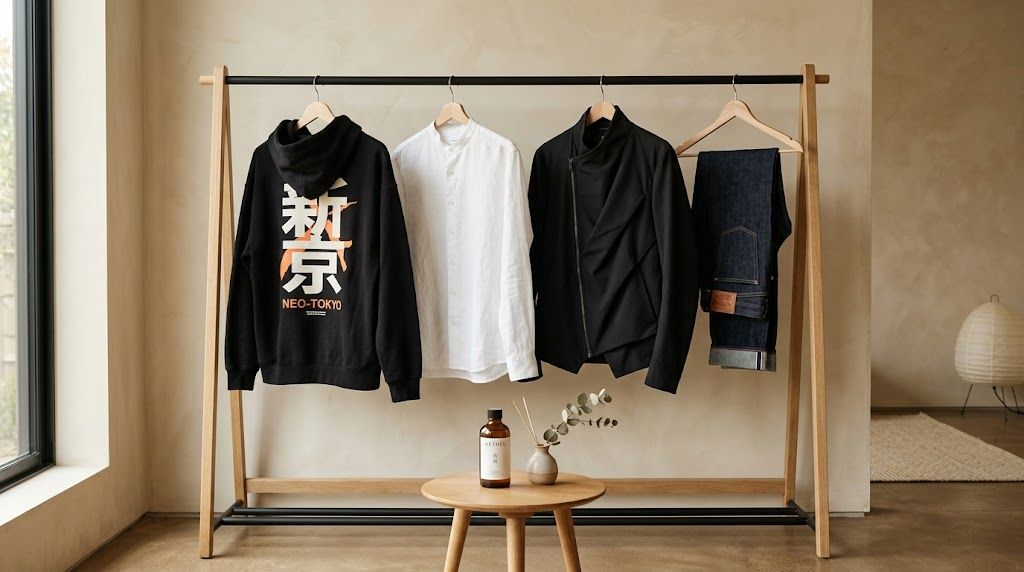
You've probably had this moment already. You see a Tokyo street snap, a clean Uniqlo outfit on a traveler, or a sharply layered Comme des Garçons look online, and you can tell it feels different from standard global fashion. The clothes look intentional without trying too hard. Even the simplest outfit seems more considered.
That's why people start searching for the top Japanese clothing brands. They're not always looking for the loudest label. More often, they're trying to understand why Japanese fashion feels so polished, practical, and personal at the same time.
Japanese style is also broader than many first-time shoppers expect. It includes minimalist basics, technical sportswear, graphic streetwear, avant-garde tailoring, and heritage-inspired casual clothing. It often extends beyond clothing too. Grooming, skincare, and hair care play a quiet but important role in the finished look, which is one reason ideas around presentation and self-care matter in modern Japanese style, much like the broader cultural habits discussed in this guide to Japanese beauty standards.
Your Guide to Navigating Japanese Fashion
Japanese fashion can feel hard to decode at first because people often talk about it as if it were one thing. It isn't. The top Japanese clothing brands sit across very different style worlds, from plain utility basics to theatrical designer fashion.
That variety is exactly what makes the category interesting. A shopper looking for office-friendly staples won't need the same brands as someone building a streetwear wardrobe or someone who prefers loose, architectural silhouettes.
What makes Japanese fashion stand out
The biggest difference is focus. Many Japanese brands focus on the full experience of wearing clothes. That includes fabric texture, how a garment sits on the body, how it ages, and whether it fits into daily life.
That's why even a plain shirt from a strong Japanese brand can feel more deliberate than a trend-led alternative. The design often starts with use, material, and proportion before it gets to branding.
Japanese fashion often rewards close looking. The details matter more than the logo.
A more useful way to choose brands
Many roundups rank famous names. That's not how many shop. A better question is this: what do you want your clothes to do for you?
Use this quick lens:
- For everyday basics: Look for brands known for clean cuts, comfort, and repeat wear.
- For creative outfits: Focus on labels with stronger silhouettes, layering, or graphic identity.
- For active lifestyles: Prioritize brands with performance roots and function-first design.
- For a quieter wardrobe: Choose labels built around restraint, neutral colors, and utility.
Once you start from use-case rather than hype, Japanese fashion becomes much easier to understand.
The Philosophy Behind Japanese Clothing Quality
Japanese clothing earns its reputation less through flashy branding and more through how it's made. Many premium labels emphasize small-batch production, slow manufacturing, and work with specialist mills, which tightens control over material choice, stitch consistency, and finishing quality, as outlined in OPUMO's feature on Japanese clothing brands and manufacturing discipline.

That sounds technical, but the result is easy to feel. A T-shirt may hang better. A jacket seam may sit flatter. Trousers may hold shape longer after repeated wear. The point isn't luxury for its own sake. It's discipline in the build.
Why small-batch production matters
When brands make less at once, they can pay closer attention to each stage of production. That can mean tighter material selection, more even construction, and fewer compromises made for speed.
This helps explain why some Japanese labels are positioned in the premium part of the market even when their design language looks understated. The value is often in what you don't immediately notice.
A useful way to think about it is cooking. A carefully made everyday meal can feel better than a rushed expensive one. The same principle applies to clothing. Process affects outcome.
For readers who appreciate that kind of practical craftsmanship in other parts of Japanese life, the same attention to material and use shows up in tools and homeware too, including this look at the River Light wok.
How quality shows up in real clothes
Look for these signs when comparing garments:
- Fabric hand-feel: Better cloth often feels more balanced, neither limp nor harsh.
- Stitch accuracy: Seams should look neat, stable, and consistent.
- Finish quality: Edges, hems, and fastenings should feel intentional, not rushed.
- Purpose-built design: Good garments make sense for their actual use, whether that's layering, movement, or durability.
Practical rule: If a Japanese garment looks simple, inspect it more closely, not less closely.
Why understatement confuses new shoppers
A common mistake is assuming visible complexity equals better design. In Japanese fashion, quality is often hidden in proportion, fabric choice, and construction standards.
That's especially true with basics. The top Japanese clothing brands often treat basics as a serious category rather than an afterthought. A plain sweatshirt, Oxford shirt, or wide trouser can carry a surprising amount of design thinking.
Here's a simple comparison:
| Approach | What you notice first | What lasts |
|---|---|---|
| Logo-led fashion | Branding and trend cues | Visual impact |
| Manufacturing-led fashion | Fabric, cut, finish | Wear experience |
That's one reason Japanese clothes often build loyal followings. People may come for the aesthetic, but they stay for the consistency.
Exploring Key Japanese Fashion Styles
The easiest way to understand the top Japanese clothing brands is to stop treating them as one trend. Japan's fashion scene works more like a set of distinct style languages. Some brands specialize in basics, others in performance, and others in bold visual identity. That kind of category specialization helps brands tune design to purpose, with MUJI associated with utility-first essentials, Mizuno with sportswear performance, and BAPE and Undercover with graphic-heavy streetwear, as noted in this overview of Japanese clothing brands for different styles.

If you're trying to decide where to begin, start with the style family that already matches your life.
Streetwear with a Japanese accent
Japanese streetwear isn't just casual clothing with graphics. It often mixes subcultural references, collectible energy, and sharper styling.
BAPE and Undercover are two of the clearest examples. BAPE is associated with bold graphics and high-visibility streetwear. Undercover often leans darker, more artful, and more fashion-forward. If you like statement pieces, layered hoodies, sneakers, and graphic outerwear, this is your lane.
This style works well for people who want their clothes to do some of the talking.
Minimalism and utility
At the other end, minimalist Japanese brands focus on clothes that integrate quietly into daily life. MUJI is the cleanest example of this mindset. Uniqlo also fits here in a broader, more globally accessible way.
These brands are useful if your goal is a wardrobe that feels calm, wearable, and flexible. Think straight trousers, easy shirts, knitwear, simple outerwear, and colors that pair without effort.
This style is often misunderstood as plain. It isn't. It depends heavily on fit, balance, and fabric.
The quieter the outfit, the more proportion starts to matter.
For readers who like seeing how modern fashion connects back to older dress traditions, this traditional Japanese clothing guide gives helpful context on the garments and ideas that still influence silhouettes and layering today.
Avant-garde and designer fashion
Some of Japan's most influential labels sit in the avant-garde world. Comme des Garçons and Yohji Yamamoto are key references here.
These brands challenge familiar ideas of tailoring and shape. You'll often see oversized forms, asymmetry, layered construction, and a darker palette. This isn't usually where a beginner starts, but it has shaped global fashion far beyond the runway.
If you enjoy fashion as art, these labels matter.
Heritage and Americana-inspired casualwear
Another major branch of Japanese style draws from workwear, military clothing, denim, and vintage American casualwear. People often call this heritage or Amerikaji, short for “American casual” in Japanese fashion culture.
This area attracts shoppers who want garments with texture and age. It often includes denim, chore jackets, fatigue pants, sweatshirts, boots, and rugged layering pieces.
A simple comparison can help:
| Style | Best for | Representative names |
|---|---|---|
| Streetwear | Statement dressing | BAPE, Undercover |
| Minimalism | Everyday wardrobes | MUJI, Uniqlo |
| Avant-garde | Creative fashion lovers | Comme des Garçons, Yohji Yamamoto |
| Heritage casual | Texture and durability | Denim and workwear-focused labels |
If you enjoy visual experimentation in beauty as well as clothing, stylized looks like this anime makeup look guide show how strongly Japanese style culture values complete aesthetic expression.
Iconic Japanese Brands You Should Know
Some brands define the global image of Japanese fashion. Others shape taste by curating what people wear and how they combine it. A few names matter so much that understanding them gives you a working map of the wider scene.

Uniqlo and the global basic
Uniqlo is the clearest global anchor in Japanese apparel. Fast Retailing reported ¥3.1 trillion in Uniqlo Group sales in fiscal 2024, and the company said the brand operated 2,394 stores worldwide as of August 31, 2024, according to this summary of major Japanese fashion brands and Uniqlo's global scale.
Those numbers matter because they show something larger than commercial reach. Uniqlo helped turn Japanese basics into an international category. For many shoppers outside Japan, it's the first proof that simple clothing can still feel engineered.
Its influence comes from standardizing a few ideas: clothes should be easy to layer, easy to repeat, and useful across climates and routines. That sounds obvious, but many brands don't execute it consistently.
Beams and the art of curation
Beams matters for a different reason. It represents the Japanese “select shop” model, where a retailer doesn't just sell products but curates a point of view.
That's a big part of Japanese fashion culture. Good taste isn't only about designing garments from scratch. It's also about how items are edited, mixed, and presented.
If Uniqlo teaches wardrobe foundations, Beams teaches styling range. It helps shoppers see how smart casual, streetwear, and classic pieces can coexist.
Here's a quick visual explainer on the overall picture:
Comme des Garçons and artistic influence
Comme des Garçons sits in a separate category because its role isn't just commercial. It has shaped how designers around the world think about silhouette, imperfection, and the purpose of clothing itself.
Even people who never buy the brand often wear its influence indirectly. Loose tailoring, deconstructed garments, black-heavy palettes, and anti-polished styling all owe something to the design language it helped popularize.
MUJI as a lifestyle signal
MUJI's clothing line works because it fits a broader philosophy of utility-first living. That's why it resonates with people who want calm, low-noise wardrobes.
The brand also helps explain a larger Japanese habit. Clothing often isn't separated from the rest of life. The same person choosing plain knitwear may also care about skincare texture, home objects, and quiet routines. In that sense, MUJI is more than a clothing label. It's a lifestyle reference point.
Complete Your Look with Japanese Beauty Essentials
You put on a crisp oxford shirt, straight wool trousers, and simple leather sneakers. The clothes are right, but the outfit still feels unfinished. In Japanese style, that last 20 percent often comes from grooming. Clear skin, tidy brows, healthy hair, and daily sun care help quiet clothing read as deliberate.

This matters most with restrained wardrobes. A loud outfit can hide small inconsistencies. A minimal one cannot. The simpler the clothing, the more the eye notices texture in the skin, flyaways in the hair, and whether the overall presentation feels calm or rushed.
Japanese fashion often works like interior design. If the room is spare, every surface matters. If the outfit is clean and understated, grooming becomes part of the styling rather than a separate category.
Skincare that matches a polished wardrobe
Skincare supports the same values many Japanese brands bring to clothing. Care, restraint, and consistency matter more than excess. Instead of chasing a dramatic effect, many Japanese routines focus on keeping skin comfortable, hydrated, and even in tone.
A few categories make the biggest difference:
- Hydrating lotions: Hada Labo is a familiar starting point for people who want simple moisture layering.
- Daily sunscreen: Shiseido Anessa, Biore, and Kanebo ALLIE are common choices for UV protection that fits everyday wear.
- Gentle treatment care: Minon, Fancl, and Shiseido d Program appeal to shoppers who prefer lower-irritation formulas.
- Tone-evening support: Transino, Kose Sekkisei, and Shiseido AQUALABEL are often discussed by people building a bright, clear-looking finish.
If you want a broader brand overview, this guide to the best Japanese cosmetic brands gives a useful starting map.
Clothes create the silhouette. Grooming completes the atmosphere.
Hair care and the Japanese fashion silhouette
Hair changes proportion. It can sharpen a structured outfit or soften a relaxed one. That is why it helps to match hair texture and finish to the mood of your wardrobe.
Soft, glossy hair usually pairs well with minimalist or polished looks. More natural texture suits casual, workwear, or countryside-inspired styling, as long as it still looks cared for. Shiseido Fino, Tsubaki, Ichikami, Momori, &honey, and Milbon are names many shoppers explore when they want smoother, more manageable hair without a stiff finish.
A good rule is simple. If your clothing has clean lines, keep the hair controlled. If your clothing feels easy and organic, aim for touchable texture rather than sculpted hold.
Makeup that supports rather than competes
Japanese makeup often follows the same logic as Japanese dressing. Harmony matters. The goal is usually to support the face the way a well-cut jacket supports the body.
For quieter wardrobes, that often means:
- Natural base products that even out the skin without a thick finish
- Subtle eye definition from brands like Kate, Cezanne, or Canmake
- Soft lip color that sits comfortably with the outfit
- Controlled brows that frame the face cleanly
If your style is more expressive, brands such as Majolica Majorca and Kiss Me can add stronger eye emphasis while still feeling precise rather than chaotic.
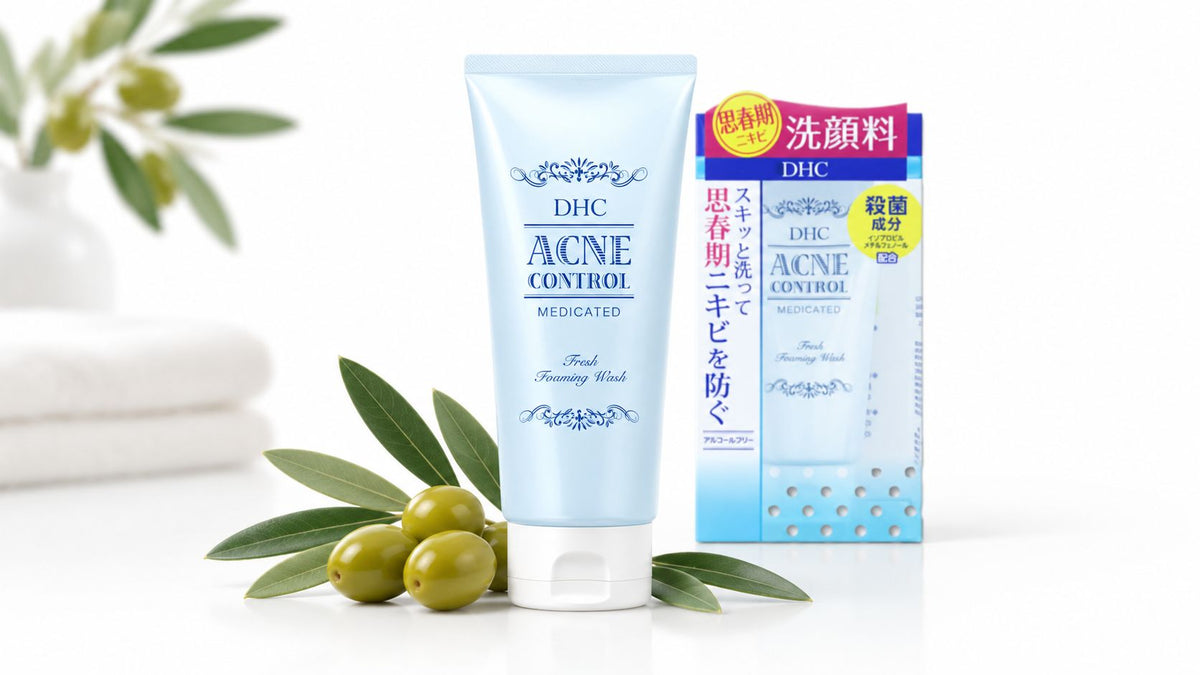
For international shoppers, Buy Me Japan is one route people use to source Japanese beauty and grooming products alongside other lifestyle items, including brands such as Hada Labo, Shiseido Fino, Anessa, Tsubaki, Canmake, Kate, Cezanne, DHC, Fancl, and MUJI.
How to Buy Authentic Japanese Fashion from Anywhere
Buying Japanese fashion from outside Japan can be frustrating for simple reasons. Some local sites are hard to use. Sizing can be unfamiliar. Product names may vary by market. Counterfeits are also a real concern around high-demand labels.
The safest approach is usually the least glamorous one. Buy from official stores, established stockists, or trusted Japan-based curators that clearly explain what they source and how they ship.
What to check before you buy
Start with authenticity and product clarity.
- Verify the seller: Look for a clear business identity, product detail pages, and a consistent catalog.
- Check sizing carefully: Japanese sizing often needs closer reading than shoppers expect, especially for fitted items.
- Read fabric descriptions: A garment's value often sits in the material and construction.
- Review return terms: International orders can be harder to reverse, so it helps to know the policy up front.
For shoppers already buying Japanese beauty, food, or lifestyle items, a curated route can be easier to manage than dealing with multiple separate Japanese sites. This overview of online Japanese stores is useful if you want to compare how these shopping models work.
Care matters after checkout
Good Japanese clothes usually respond well to good care. That doesn't mean complicated care. It means paying attention.
A few habits go a long way:
- Wash less often: Outerwear, denim, and knitwear usually don't need constant washing.
- Use gentler cycles: Delicate fabrics and better construction deserve lower stress.
- Air dry when possible: Heat can shorten the life of elastic fibers and distort shape.
- Store with intention: Fold heavy knits, hang structured jackets, and avoid crushing collars.
Better clothes don't stay better on their own. The owner finishes the job.
Choosing the right brand for your life
The top Japanese clothing brands make more sense once you stop asking which one is “best” and start asking which one fits your routine, taste, and tolerance for experimentation.
If you want easy daily wear, begin with minimalist and utility-led brands. If you care about statement dressing, look into streetwear and avant-garde labels. If durability and fabric character matter most, heritage-focused brands will probably feel more satisfying over time.
Japanese fashion is compelling because it offers more than trend. It offers systems of dressing. And when you pair the right clothes with thoughtful grooming, the whole approach starts to feel much more complete.
If you're building that complete Japanese lifestyle look, Buy Me Japan is a practical place to explore authentic beauty, skincare, hair care, and lifestyle products shipped directly from Japan, especially if you want grooming essentials that complement a Japanese-inspired wardrobe.


Share:
Hada Labo Gokujyun Cleansing Oil: Your Guide to Radiant Skin
Shop Top Products in Japan: Authentic & Unique Finds