You've just left the salon after bleaching, and the light looks right, but the reflection doesn't. The blonde is yellow instead of icy, orange instead of beige, or slightly muddy instead of champagne. Your hair isn't necessarily too dark. It may need the right hair toner color.
Toner is a tone-adjustment service, not a magic eraser. It can refine undertones, soften brassiness, and add a deliberate finish, but it can't create a level of brightness that the lightening process didn't achieve. The most useful question isn't “Which toner should everyone use?” It's “What does this hair already have, and what does it need?”
The Moment Toner Becomes Relevant
In the salon mirror, a colorist usually studies the hair before reaching for a toner. A client may point to the yellow near the crown and ask for silver, while the lengths show a deeper golden tone. Another client may want beige blonde, but the freshly lightened pieces are still orange. These aren't the same problem, even though both clients might search for “toner for brassy hair.”
Think of bleaching as opening a window. Lightener removes natural or artificial pigment so the hair reaches a lighter level, but the exposed background can still show warmth. Toner is the curtain chosen afterward. A violet curtain softens yellow light, a blue curtain balances orange, and a warmer curtain can make a pale result look richer rather than colder.
The chemistry behind modern toning belongs to the wider history of synthetic hair color. English chemist William Henry Perkin discovered mauveine in 1856, helping launch the modern synthetic-dye industry. By the 1860s, the reaction of para-phenylenediamine, or PPD, with air had become an important scientific basis for later hair-dye formulations. Eugène Schueller is commonly credited with the first synthetic hair dye in 1907, and Schwarzkopf launched Poly Color, the first home color product, in 1947. These developments helped create the color-maintenance category that toner now occupies. (Historical overview of hair toner and hair color)
A toner may be useful when:
- The lift is light enough: The hair has reached the level needed for the intended result, but the undertone is wrong.
- The warmth is distracting: Yellow, orange, copper, or red shows more strongly than the desired shade.
- The goal is refinement: You want beige, ash, silver, rose, or a softer neutral, not a lighter base.
- The hair can handle another service: Porous, stretchy, or breaking hair may need conditioning and professional assessment first.
If the hair is already the right warmth, toner could make it flatter or duller. For maintenance between services, a gentle routine matters too, and this guide to shampoo for color-treated hair can help you think about cleansing without treating every warm reflection as a problem.
What Hair Toner Color Actually Does
Hair toner color is usually deposit-only or low-lift color. It places selected pigment into or near the hair's outer structure, then shifts the visual balance of the existing shade. It doesn't remove substantial natural pigment in the way permanent high-alkaline color or lightener does.
At a simple level, the process works like this:
- The existing base stays visible. Toner can't hide the level underneath forever, especially when the hair is much darker than the target shade.
- Pigment enters through a temporary pathway. Hair's natural pH is about 4.5 to 5.5, and a coloring system above 5.5 can soften and swell the cuticle, helping pigment move inward. (How hair color works)
- The selected pigment changes the reflection. Violet, blue, green, ash, beige, rose, and other tones interact with the warmth already present.
- The result fades as the deposited color leaves. Toner is therefore a lower-commitment adjustment than permanent color, although the exact fade depends on the formula, porosity, washing routine, and starting condition.
The color wheel supplies the basic logic:
- Purple or violet counteracts yellow.
- Blue counteracts orange.
- Green counteracts red.
- Warm shades can soften an overly gray or violet result.
A professional system may use a gentler acidic pH, often around pH 3 to 5, or an oxidative system formulated around pH 9.8 to 10.3 with peroxide and an alkalizer. Lower-pH systems help close the cuticle after deposition, while stronger alkalinity can make porous hair absorb pigment quickly and unevenly. (Professional toner pH and formulation guidance)

That's why toner differs from permanent dye. Permanent color is designed to alter pigment more thoroughly and can use ammonia or another alkalizing system with developer. Toner mainly edits the visible balance. If your hair feels dry after lightening, color correction should be paired with a sensible repair routine, such as the steps in this guide to repairing dry, damaged hair.
A short visual explanation can also make the color-wheel principle easier to understand:
Color correction also benefits from visual judgment. If you're learning how undertones affect the finished look, a resource on trang điểm cá nhân cấp tốc offers useful perspective on how surrounding color changes what the eye notices. The same principle applies to hair. A cool toner may look clean against one complexion and stark against another.
Practical rule: Toner can change the reflection of the hair you have. It can't replace the lift required for the hair you want.
Reading Your Base Level and Brassiness
Colorists commonly describe lightness on a 1-to-10 base-level scale, with Level 10 representing the palest blonde and Level 6 representing dark blonde. The exact naming can vary between systems, but the scale gives you a useful starting language when you're comparing your hair with a toner chart.
The visible warmth usually becomes easier to predict as the hair gets darker. Very pale blondes tend to show yellow. Mid-blondes can show golden yellow or orange. Darker lifted hair often exposes orange, copper, or red-orange. A toner should be selected for the warmth you can see, not for the shade you hope to reach.
| Base Level | Visible Unwanted Tone | Neutralizing Toner Pigment |
|---|---|---|
| Level 9 to 10 | Pale yellow | Violet or purple |
| Level 8 | Golden yellow | Violet, lavender, or violet-beige |
| Level 7 | Orange | Blue or blue-violet |
| Level 6 | Orange, copper, or red-orange | Blue-violet, ash, or a carefully balanced green-based tone |
| Level 5 and below | Red or strong copper | Green-based or ash pigment, with professional control |
Check the hair before choosing
Stand near a window or in another source of natural daylight. Artificial lighting can make yellow look cream, orange look brown, and ash look gray, so the first diagnosis should happen without a strong colored bulb nearby.
Separate a thin strand at the front and another near the crown. Then ask three questions:
- Is the warmth uniform? If every lightened area looks similar, one general toner family may be appropriate.
- Is the warmth patchy? Different zones may need different formulas or different processing times.
- Is the hair equally porous? Dry ends often absorb violet or ash faster than healthier sections.
The front and crown can also reveal whether the issue is at the roots, through the mid-lengths, or concentrated at the ends. A toner applied evenly to unevenly lifted hair can produce an uneven result because the formula doesn't change the underlying level.
The safest match is usually the smallest correction that addresses the visible problem. If the hair is pale yellow, a strong blue formula is the wrong direction. If the hair is orange, purple alone may leave the warmth intact because purple is designed to balance yellow, not orange.
Highly porous hair deserves extra caution. It can grab color faster, so a neutralizing shade that looks soft on compact hair may appear smoky, gray, violet, or muddy on damaged ends. Before toning heat-stressed lengths, read this practical guide to repairing heat-damaged hair.
Toner Shade Chart and Before and After Scenarios
A good toner choice begins with the unwanted reflection, then narrows by base level and condition. The shade name on a package is only part of the answer. “Ash” can mean a balanced cool finish in one system and a strongly smoky result in another.
| Brassiness Observed | Base Level | Toner Family | Typical After |
|---|---|---|---|
| Pale yellow | 9 to 10 | Violet, lavender, or soft silver | Cleaner blonde, pale beige, or silver |
| Golden yellow | 8 to 9 | Violet-beige, lavender, or balanced ash | Softer beige blonde with less gold |
| Orange | 6 to 7 | Blue or blue-violet | Cooler, more balanced dark blonde or light brown |
| Red-orange or copper | 6 and below | Green-based or ash | Muted, smoky, neutralized warmth |
| Very ashy or violet lengths | Any lightened level | Warm beige, neutral, or golden glaze | Softer, shinier appearance with less grayness |
Scenario one, yellow Level 8 to 9 blonde
Before toning, the hair looks light but carries a visible golden cast, especially around the crown. The client wants beige or champagne rather than bright yellow. A violet or lavender family can reduce the yellow reflection, while a beige component keeps the result from looking flat and overly silver.
After toning, the hair may look more polished and neutral. It won't become a paler Level 10 blonde if the lightening stopped at Level 8 or 9. The toner changes the mood of the color, not the ceiling set by the lift.
Scenario two, orange Level 6 to 7 brunette
The hair has been lightened from brunette, but orange remains in the mid-lengths. A purple formula would not be the most direct correction. Blue or blue-violet pigment is more suitable because it addresses the orange family.
The after result may read as a cooler dark blonde, balanced light brown, or muted bronde. If the hair contains several levels at once, a single shade may deposit differently across each area. A strand test can show whether the ends are likely to become too dark or smoky.
Scenario three, red or copper Level 5 to 6
A darker lifted base may expose red-orange or copper. A controlled green-based or ash toner can mute that warmth, but it requires restraint. Too much opposing pigment on porous hair can create a dull or muddy reflection rather than a clean neutral.
Packaging swatches also need interpretation. Printed swatches may look cooler than the formula deposits on your hair, especially when the starting base, porosity, and lighting differ. For a wider visual reference when comparing colored hair pieces, this guide to extensions color chart can help you think in terms of starting shade and target shade rather than relying on a name alone.
A toner corrects what is visible, but the lift level determines what is possible.
Deposit-only coverage also has limits. Toner can soften an undertone and make the color appear more even, but it won't reliably cover a large difference in level, remove every patch of dark pigment, or turn heavily orange hair into icy blonde in one session. When the base is too dark for the intended finish, more controlled lightening may be needed before toning.
Application Steps and Aftercare That Protect Your Result
Toner results depend on more than choosing purple for yellow or blue for orange. Developer strength, formula ratio, porosity, saturation, and timing all affect how much pigment the hair receives.
Choose the developer carefully
For deposit-focused toning, 10-volume developer is commonly identified as 3% hydrogen peroxide and is used for refreshing color, toning pre-lightened hair, and neutralizing unwanted undertones. It offers only very gentle lift, described as about one level, rather than strong lightening. (10-volume developer guidance)
Some color systems use lower-volume developer for a gentle gloss, while stronger developer may be chosen only when the specific formula calls for additional pull. Don't assume that a stronger developer will make a toner work better. On porous hair, extra alkalinity can increase uneven absorption and over-toning.
Mixing ratios belong to the product instructions. Professional color guidance commonly gives 1 part cream toner to 2 parts developer, while liquid gel toners may use 1 part toner to 1 part developer. (Toner developer strength and mixing guidance) A different brand may require a different ratio, so follow the formula rather than applying a universal recipe.
Control processing with strand checks
Apply the mixture evenly to the areas that need correction. Watch the most porous sections first, usually dry ends or previously lightened pieces. Processing time can vary by formula, and a strand check is more reliable than waiting for the maximum time without looking.
Rinse thoroughly with cool water when the tone has reached the desired point. Follow with the cleanser and conditioner recommended for the product, then handle the wet hair gently. For home use, a patch test and a strand test are sensible precautions, especially when the hair has been chemically treated.
The first days after toning deserve restraint. Some brands advise waiting up to 72 hours before shampooing so the color can settle. Avoid clarifying washes, prolonged hot-water exposure, chlorine, and intense heat during that window. A very hot tool can also make freshly toned, lightened hair feel rougher, so use heat protection and moderate settings.
For ongoing care, rotate in color-conscious products rather than using strong purple pigment every time. A weekly purple mask or leave-in toning spray can help when yellow slowly returns, but repeated pigment can build on porous ends. A mineral-filter showerhead may also help reduce the dulling effect of hard-water exposure, though it won't replace a properly chosen toner. A gentle Japanese hair conditioner can support the conditioning part of the routine.
When Toner Is Overkill and How to Soften It
Not every lifted head needs toner. A warm caramel or honey blonde may already suit the wearer's complexion and styling goal. Balayage pieces designed to keep golden dimension can lose their movement if they're repeatedly pushed toward beige or ash.
Skipping toner may also be sensible when the lengths already contain accumulated violet or ash pigment. Over-toned hair can look gray, dull, greenish, or muddy, particularly at the ends. Adding another corrective layer often makes the problem harder to read.
Start with the least aggressive adjustment
If the result is too cool or too dark immediately after toning, don't jump straight to harsh home remedies. Baking soda, dish soap, lemon juice, vinegar, and peroxide-based mixtures can be unpredictable and may leave already lightened hair feeling rough or weak. The safer approach is to increase correction gradually.
- Use a gentle clarifying wash. Wash once with a suitable clarifying cleanser, rinse with warm rather than very hot water, and follow immediately with a deep-conditioning mask. This is the mildest option, so it's the logical first step when the tone is only slightly too strong.
- Consider a controlled shampoo and developer mixture only with professional guidance. A commonly discussed salon approach is a 1:1 mix of plain shampoo and 10-volume developer, left on for 5 to 10 minutes, but this is still an oxidative process. It can stress fragile hair and shouldn't be improvised on stretchy, breaking, or severely porous strands.
- Use a demi-permanent glaze in a complementary warm shade. A beige, neutral, caramel, or soft golden direction can visually soften excessive violet or ash. This adds pigment rather than stripping it, so shade selection matters.
If the hair feels stretchy when wet, snaps during detangling, or has visible breakage, stop correcting at home and seek professional help. Damage minimization matters more than forcing a preferred tone in one appointment. (Toner removal and damage-minimization guidance)
Hair color preferences also continue to move toward warmer, glossier finishes and softer grow-out in 2026 coverage, rather than a uniformly icy appearance. That doesn't make cool blondes wrong. It gives you another valid option: soften a toner instead of intensifying it when the hair looks too flat or artificial.
The best correction is often the smallest one that brings back shine, dimension, and comfort.
Shopping Japanese Toner Options on Buy Me Japan
When you're comparing Japanese toner listings on Buy Me Japan, begin with the shade language rather than the packaging color. Terms such as ash, blue violet, and lavender pink suggest different directions, but the starting level still determines how clearly the shade will appear.
Read the product page as a color consultation
Look for the product's stated shade, intended base level, and developer pairing notes. If the listing doesn't explain whether the formula is deposit-only, low-lift, acidic, oxidative, or designed for pre-lightened hair, don't guess. A pretty lavender label may be suitable for pale yellow blonde but ineffective on strong orange, while a blue-violet formula may look too smoky on very pale porous ends.
Use the page details to make a short comparison:
- Shade goal: Do you want neutral beige, cool ash, silver, rose, or a warmer gloss?
- Current base: Is the hair pale blonde, golden blonde, dark blonde, or lifted brunette?
- Visible warmth: Are you correcting yellow, orange, copper, or red?
- Hair condition: Will porous ends absorb the pigment more strongly than the roots?
- Application requirements: Does the product need a particular developer, ratio, timing, or professional handling?
Real product images can help you confirm the exact package and variant. Ingredient lists may clarify whether the formula contains fragrance, alcohol, conditioning agents, or other components that affect handling and personal preference. Customer-submitted before-and-after images can be useful visual references, but compare the starting hair level and lighting before assuming the same result will occur on your hair.
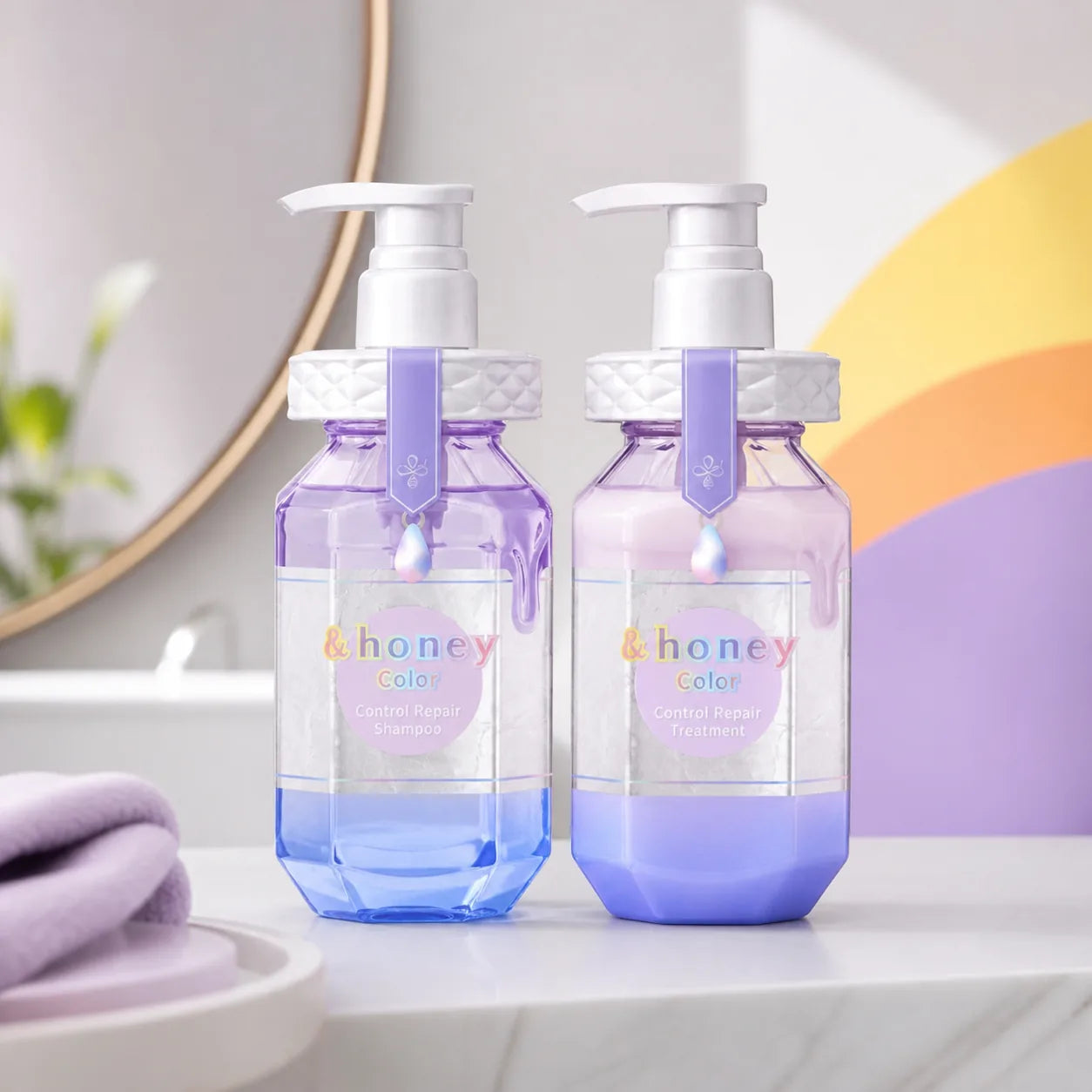
Toner products may also need careful shipping consideration. Alcohol-based and ammonia-free formulations can differ in handling, labeling, and storage requirements, so read the current product information and follow the package directions when it arrives. For complementary cleansing and conditioning, you can also compare a Japanese shampoo routine from &honey, provided the specific product suits your color-treated hair and care preferences.

Compare two or three relevant options side by side, check the current listing details, and start with a smaller tube when that option is available rather than committing before you understand how your hair absorbs pigment. Buy Me Japan presents authentic Japanese products sourced through official suppliers in Japan, with a shopping experience that includes secure payments, tracked shipping, and customer service support. There isn't one universal best toner. The right choice matches your base level, target tone, porosity, and willingness to maintain the result.
Buy Me Japan makes authentic Japanese beauty and hair-care products accessible through a convenient online store, including options for color-conscious cleansing and conditioning routines. Visit Buy Me Japan to explore the available Japanese hair-care products and choose a toner-support routine that fits your current shade and hair condition.


Share:
Kose Softymo Cleansing Oil Types