


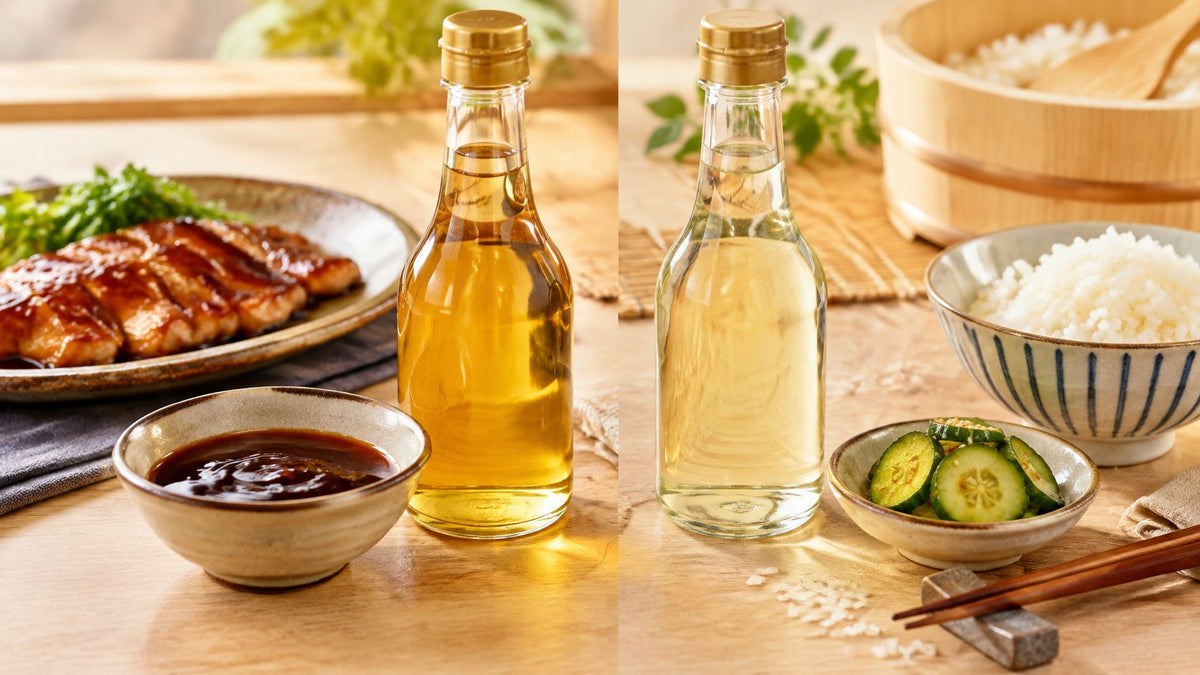
You're halfway through dinner, reaching for the clear bottle beside the soy sauce, when you notice the recipe says mirin and your bottle says rice vinegar. Can you use it anyway? Mirin vs rice vinegar is a choice between sweet, alcoholic seasoning and sour, acidic seasoning, not between interchangeable rice-based liquids.
Why These Two Bottles Are Not the Same
Say you're making a teriyaki-style glaze. You add rice vinegar instead of mirin, stir, and wait for the sauce to become rounded and glossy. Instead, it tastes sharp, and reducing it concentrates a sourness you never intended.
The reverse mistake is just as revealing. Add mirin where a sushi-rice recipe calls for vinegar, and you'll get sweetness and cooking-wine aroma without the clean acidity that makes the seasoning work. Neither bottle is wrong, but each is doing the wrong job.
Start with the job in the recipe
Mirin is a sweet cooking seasoning with substantial alcohol in its traditional form. It contributes more than sweetness: it helps create body, aroma, browning, and a glossy finish. Rice vinegar is an acidic condiment, chosen when a cook needs tartness or a lower pH.
Both can begin with rice, which explains the confusing shelf labels. Their shared starting ingredient doesn't make their finished flavor chemistry similar, any more than a grain-based spirit and a grain-based vinegar are interchangeable.
- A coating sauce needs enough sweetness and body to cling to food without becoming harsh.
- A dressing or sour pickle needs acid, even if sugar softens its taste.
- A sweet-sour sauce may need both bottles, measured separately rather than treated as substitutes.
Practical rule: Match the bottle to the recipe's purpose, not to the word rice on the label.
The finer distinctions matter, too. Hon-mirin isn't identical to every mirin-style seasoning, and plain rice vinegar isn't the same as seasoned sushi vinegar. Before changing a recipe, identify the product type and check its sugar, alcohol, salt, and acidity information.
That label-first habit is more useful than memorizing an all-purpose swap. It tells you whether you're replacing sweetness, cooking-wine character, or sourness, and prevents a small pantry substitution from changing the whole dish.
Mirin vs Rice Vinegar at a Glance
Mirin vs rice vinegar by composition and job
| Trait | Mirin | Rice vinegar |
|---|---|---|
| Main identity | Sweet alcoholic seasoning | Acidic condiment |
| Core ingredients | Glutinous rice, rice koji, shochu or brewing alcohol | Rice and water, then acetic fermentation |
| Sugar | About 45 percent in hon-mirin; some commercial products have about 38–40 percent reducing sugars | Low unless the label says seasoned |
| Alcohol | About 14 percent in hon-mirin; some commercial products have 10–13 percent | About 0.17 percent weight by volume in one measured finished vinegar |
| Acidity | Mild; reported commercial pH about 5.8–5.9 | pH 3.00, total acidity 6.85 percent weight by volume; measured acetic acid about 6.6–7.8 percent weight by volume |
| Best kitchen job | Glaze, body, aroma, browning, and simmered sauces | Sushi rice, pickles, dressings, and cutting richness |
The government's Japanese explanation of mirin gives about 45% sugar and 14% alcohol for traditional hon-mirin, and reports commercial ranges shown above. The vinegar values are measurements from a particular fermentation study, not a promise about every bottle: the published rice-vinegar fermentation study reports finished vinegar at pH 3.00, 6.85% total acidity, and 0.17% alcohol, with acetic acid measured at 6.6–7.8% by weight per volume.
Similar beginnings, different destinations
Traditional hon-mirin combines steamed glutinous rice, rice koji, and shochu or brewing alcohol. Koji is rice cultivated with a fermentation culture. Its enzymes break starch into sugars and proteins into amino acids, giving mirin sweetness and savory depth rather than just the taste of dissolved sugar.
The mixture matures for about 30–60 days, according to the Japanese government's explanation of mirin. Alcohol remains part of the finished seasoning's character.
Rice vinegar follows a different sequence: starch becomes sugar, sugar becomes alcohol, and acetic-acid bacteria convert that alcohol into acetic acid. That conversion shapes the vinegar's measured acidity, while the original grain alone does not tell you how sharp the finished liquid will taste.
Shochu and sake are different drinks, not interchangeable names. The guide to differences between Japanese alcoholic drinks offers context for the alcoholic ingredients named on Japanese pantry labels.
What the measurements mean in a pan
Sugar, alcohol, and acidity describe different parts of a recipe's balance. Sugar and alcohol are ingredients that can affect flavor as a liquid cooks down. Acidity is measured differently: pH indicates the strength of acidity at a given moment, while titratable acidity measures how much acid is present through neutralization. The two measurements are related, but they are not interchangeable.
For a soy-sauce base, adding mirin and simmering moves the mixture toward a sweet, rounded sauce. Adding the same volume of plain rice vinegar changes the measured acidity instead, so the result is not a like-for-like replacement. A bottle's label matters before you swap: seasoned vinegar may already contain sugar and salt, and a mirin-style seasoning may differ from hon-mirin.
Use the measurements for different decisions:
- For everyday flavor, check the stated acidity, then taste the finished mixture.
- For a glaze, consider sweetness, salt, and coating consistency together.
- For preservation, follow a tested recipe and its specified vinegar. A pleasant sour taste alone does not establish that a preservation mixture is safe.
These figures are useful reference points, not universal values. Product formulation can vary, so the label helps you judge how sugar, alcohol, and acidity will shift the balance in your pan.
How to Read Hon-Mirin and Vinegar Labels
A bottle labeled “cooking seasoning” may contain a different balance of sugar, alcohol, and acidity from the ingredient your recipe expects. Read the product name, then check the ingredient list and alcohol statement before making a swap.
Recognize traditional mirin and mirin-style seasoning
Hon-mirin means genuine or traditional mirin. Its ingredients commonly include glutinous rice, rice koji, and shochu or another distilled spirit. The Japan Food Product Overseas Promotion Center's account of Japanese seasonings describes hon-mirin being saccharified and aged at 20–30°C for 40–60 days, then pressed, settled, filtered, and stored further. It also identifies hon-mirin as an alcoholic beverage under Japan's Liquor Tax Law. That alcohol is part of the product's composition, even when the bottle is sold among cooking ingredients.
Aji-mirin and other mirin-style seasonings can be made with syrup, added salt, flavorings, or acidulants. Their alcohol content can differ substantially from hon-mirin. The Food Network explanation of mirin likewise distinguishes traditional mirin from commercial substitutes, which may have a different ingredient balance.
Label clues that change the bottle
| Label clue | What it usually means |
|---|---|
| Rice, rice koji, shochu or brewing alcohol listed | Hon-mirin, traditionally sweet and alcoholic |
| Salt, corn syrup or other sweeteners high on the list | Aji-mirin style; may be salty, with less alcohol or none |
| Alcohol statement on the label | Check the actual alcohol content; hon-mirin is legally an alcoholic beverage in Japan |
| Rice and water only | Plain rice vinegar; you control the sugar and salt |
| Sugar or salt listed in a rice vinegar | Seasoned rice vinegar; reduce added sugar and salt in the recipe |
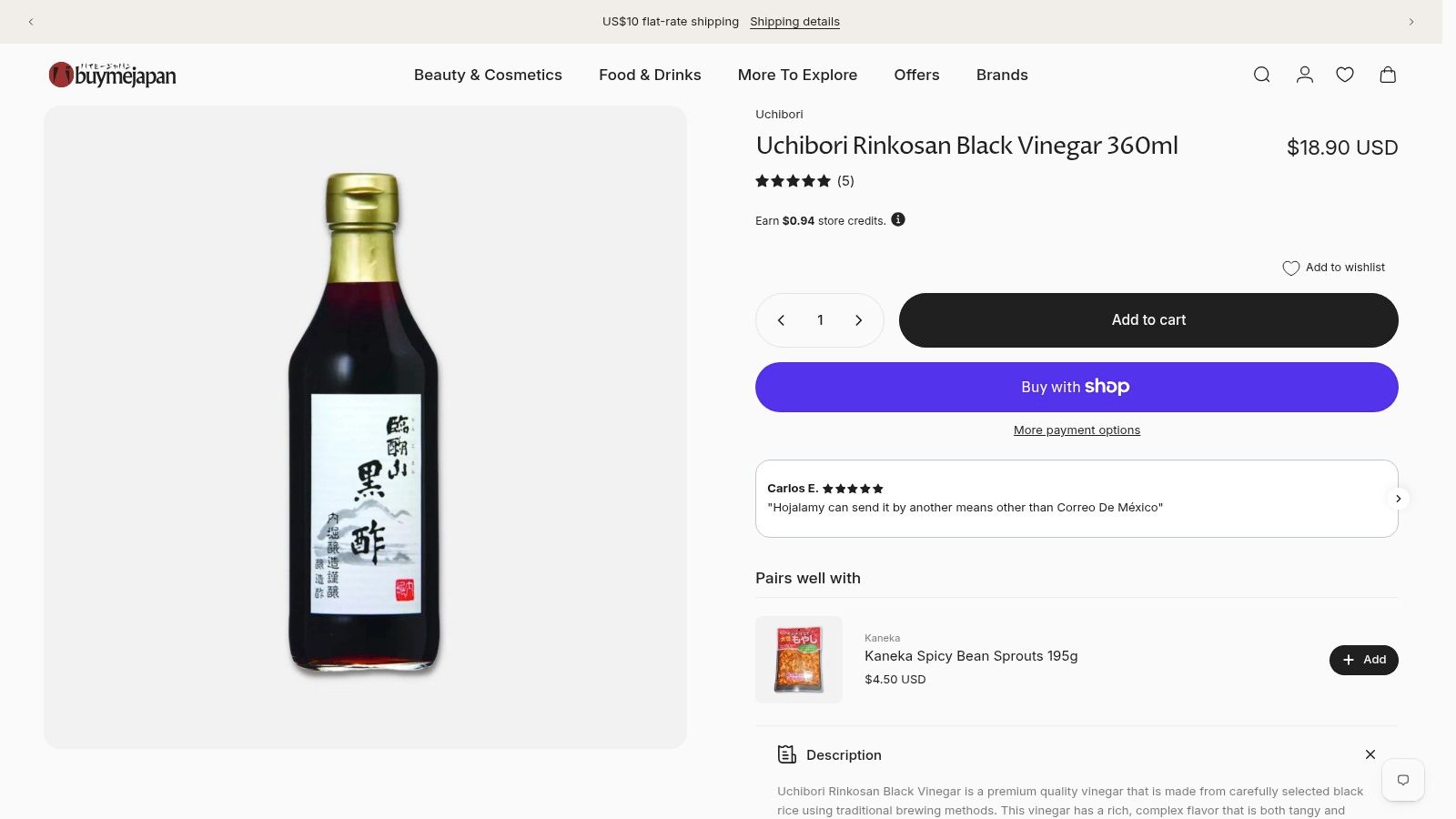
| Dark color, black rice named | Black vinegar, a different product from clear rice vinegar |
Black vinegar's darker color and fuller flavor do not make it a more concentrated version of clear rice vinegar. The label clue “black rice” points to a different type of vinegar, so a recipe calling for clear rice vinegar may not give the same result with it.
Separate plain vinegar from prepared seasoning
Plain or unseasoned rice vinegar gives you control over sweetness and salt. A recipe may list vinegar, sugar, and salt separately because it assumes a simple starting ingredient.
Seasoned rice vinegar already contains added ingredients. If you follow a plain-vinegar recipe without adjusting its sugar and salt, the finished dish can become too sweet or salty. This is especially noticeable in sushi rice, where there is little else to dilute the seasoning.
For example, if a sushi-rice recipe calls for plain rice vinegar plus sugar and salt, a bottle listing sugar or salt is a clue to adjust those additions before mixing. That keeps the finished seasoning closer to the recipe's intended balance.
Which Dishes Want Mirin or Vinegar
The right bottle depends on the finish you want: a glossy coating, a rounded simmer, or a bright, refreshing bite. Check the label before swapping, because sugar, alcohol, and acidity shape what each ingredient can do.
Choose mirin for coating and rounding
Teriyaki-style glazes use mirin for sweetness and cooking-wine aroma as the sauce reduces. Keep the heat controlled as it thickens, and turn the food through the sauce so the coating clings without becoming sticky in the pan.
Mirin also suits tare sauces, concentrated seasonings or bases. Soy sauce and mirin can form a tare for kabayaki-style grilled eel, though recipes vary in their other ingredients.
For nimono, or simmered dishes, mirin rounds the seasoning around chicken, fish, or root vegetables. In a tsuyu-style noodle dipping broth, use the recipe's measured mirin with soy sauce and dashi, then simmer it as directed. The mirin adds sweetness and aroma; rice vinegar would bring a sour note instead.
- For a glaze, consider the coating left on the food.
- For a simmer, taste how the liquid seasons the main ingredient.
- For noodle broth, follow the recipe's measured amount and cooking method rather than adding mirin directly to the serving bowl.
Choose vinegar for a clean sour finish
Rice vinegar fits sushi rice, quick pickles, and sunomono, lightly dressed Japanese salads often made with cucumber or seafood. It also works in oil-and-vinegar dressings and ponzu-style dips, where sourness is part of the intended flavor.
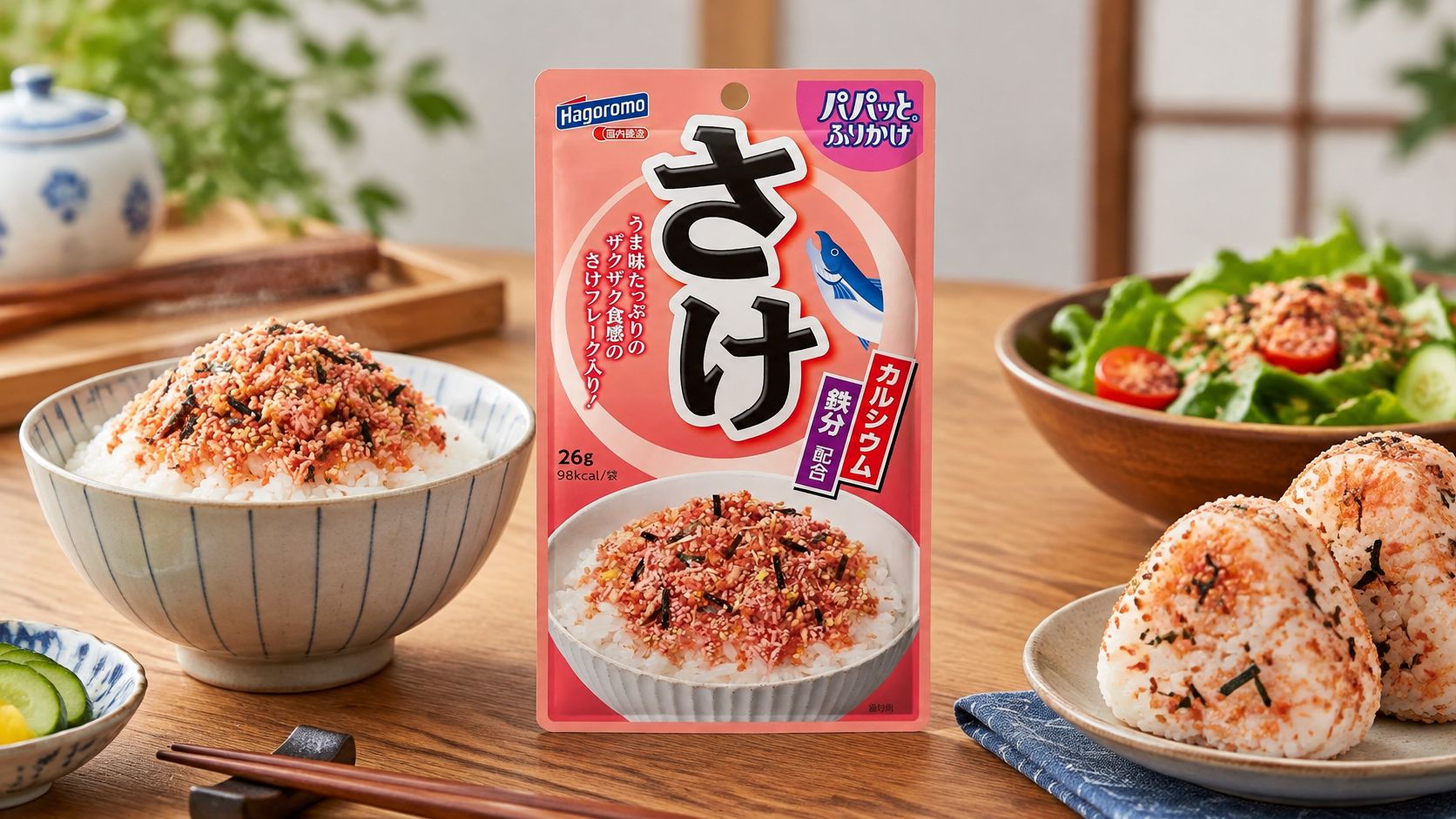
A rice topping seasons the surface, while vinegar seasons the rice itself. For example, Hagoromo Furikake Sake Japanese Salmon 26g adds topping flavor, while the rice's acidity comes from its separate seasoning.
Use both when the dish needs both
A grilled-fish marinade can combine mirin for sweetness with a smaller amount of rice vinegar for bite. Each has a different job, creating a deliberate sweet-sour balance.
A noodle dipping sauce can likewise pair soy sauce and mirin with vinegar for a sharper, ponzu-like edge. Add the vinegar separately and taste, so its acidity does not overwhelm the broth or stock.
A recipe may include mirin in a pickle for mild sweetness. Mirin alone does not provide preservation-level acidity.
For an unfamiliar dish, sweetness and shine point toward mirin; clean sourness points toward rice vinegar. If both qualities matter, use the bottles as separate ingredients, guided by their labels and the recipe's measurements.
Substitution Ratios That Keep the Balance
Replace the missing function, not the same number of spoonfuls. The useful balance is between sugar, alcohol, salt, and titratable acidity, which is why a straight mirin-to-vinegar swap changes more than flavor intensity.
The Tasting Table comparison of mirin and rice vinegar explains why substitutions should account for those components rather than volume alone. The following are practical cooking starting points, not exact chemical equivalents or preservation formulas.
Use a measured starting point
Practical swaps for mirin and rice vinegar
| Recipe need | Do not do | Practical swap | Why |
|---|---|---|---|
| 1 Tbsp mirin in a glaze or simmer | Use 1 Tbsp rice vinegar | 1 tsp sugar plus 1 tsp sake | Vinegar adds acid and leaves out most of the sugar and aroma |
| 1 Tbsp mirin, no sake available | Replace it with straight vinegar | 1 tsp sugar plus 1 tsp water or dashi | Sweetness remains, but aroma, body, and gloss are weaker |
| Rice vinegar for sushi rice | Use an equal amount of mirin | Mild unseasoned vinegar, then sugar and salt to taste | Sushi rice needs acidity that mirin doesn't provide |
| Seasoned rice vinegar in a plain-vinegar recipe | Add the full amount of sugar and salt again | Reduce added sugar and salt, then taste | Seasoned vinegar often already contains both |
| Sour quick pickle or marinade | Rely on mirin as the only acid | Rice vinegar or another mild vinegar; adjust sweetness separately | Sourness and pickle balance come from acetic acid |
| Alcohol must be avoided | Assume simmering removes all alcohol | 1 tsp sugar plus 1 tsp water or dashi for each tablespoon of mirin | Evaporation is affected by time, heat, and pan shape |
The sugar-and-sake mixture supplies less liquid than the mirin it replaces. If a simmer needs the missing liquid, add a little water or stock separately; don't automatically dilute a glaze that already needs reduction.
Dashi means Japanese stock, and its ingredients matter when cooking for others. Choose a stock that suits the household, and remember that a salted stock or salty aji-mirin changes how much soy sauce the dish needs. If sake is also missing, the guide to substitutes for sake can help distinguish its cooking role from mirin's sweetness.
Adjust the mixture before reducing it
- Taste the base before adding acid. Check a cooled spoonful of sauce, or a separately reserved portion if the mixture has touched raw meat or fish.
- Dissolve sugar early. Stir it into warm liquid off the heat or early in the simmer so you can judge the seasoning evenly.
- Stop reducing when the glaze coats a spoon. Continued heating concentrates salt and sugar and can turn a balanced sauce harsh or scorched.
- Add vinegar near the end for brightness. This helps retain a fresher vinegar aroma when that's the intended finish.
Simmering can reduce alcohol, but it doesn't guarantee complete removal. For children, pregnant people, or anyone avoiding alcohol, use the sugar-and-water or suitable-stock option rather than relying on heating hon-mirin.
For shelf-stable pickles, don't improvise vinegar strength or dilute a tested formula. If you're unsure what to replace in an everyday dish, identify whether it needs a coating, a rounded simmering liquid, or a sour finish before choosing the swap.
Store Both Bottles and Shop the Right Label
When choosing mirin, start with the label and the dish. Hon-mirin suits recipes that call for sweetness and cooking-wine aroma. Aji-mirin may be convenient when its sugar, salt, and alcohol content fits the recipe and household. Check these details before substituting: the balance of sugar, alcohol, and acidity determines what each bottle brings to a dish.
Buy for control or convenience
Choose plain rice vinegar when you want to control sugar and salt yourself. Seasoned rice vinegar already includes seasoning, so check whether its flavor suits the recipe rather than assuming it works in every dish that calls for vinegar.
The Japan External Trade Organization's rice-vinegar guide explains that alcohol formed from rice is converted into acetic acid during vinegar production. That acidic role makes rice vinegar a better fit for sour dishes than another rice-based cooking liquid.
For pantry planning, the Japanese cooking sauce guide offers another way to consider how different seasonings fit into a meal. Keep sauces, acidic seasonings, cooking wines, and dry toppings distinct: a topping seasons the surface of rice, while vinegar changes the flavor of the rice itself.
The Hagoromo Furikake Sake Japanese Salmon 26g is a product listing for a topping, not a substitute for mirin or vinegar. This distinction is useful when assembling a rice meal, where toppings and seasonings play different roles.
This video offers another visual reference alongside the written label checks.
Keep storage and dietary checks practical
- Close bottles tightly and keep them away from the stove, heat, and direct sunlight.
- Follow the storage statement on each bottle, including refrigeration after opening when specified. A cool cupboard may suit hon-mirin, but mirin-style formulas can have different storage directions.
- Use the printed date and opening guidance. Vinegar's acidity does not guarantee indefinite quality.
- Read the current ingredient panel before cooking for others. Alcohol, salt, sweeteners, flavorings, and stock ingredients can affect whether a product is suitable.
Don't assume a product is gluten-free, vegan, halal, or allergen-free without checking its packaging. Small differences in formulation can matter when cooking for someone with dietary requirements.
Buy Me Japan offers Japanese products across food, drinks, beauty, cosmetics, and other categories. Its Japanese product catalog lets shoppers browse current listings and compare product details before purchasing.
Mirin sweetens and glosses; rice vinegar acidifies. Equal-volume swaps miss those different roles. Check the label, then choose the bottle whose sugar, alcohol, and acidity best fit the dish.
Buy Me Japan offers Japanese food, drinks, beauty, and lifestyle products. Visit Buy Me Japan to browse the current range, and compare product types and ingredient labels before adding a seasoning to your pantry.

Share:
Kani Explained: Real Crab, Kanikama and How to Buy It