


Split ends are one of those hair problems that seem to reappear almost as soon as you have dealt with them. The frustrating part is that no oil or mask can permanently join a strand once it has split. The useful part is that a gentler routine can reduce the friction, heat, and chemical stress that create new damage.
Japanese hair care is especially good at this kind of prevention. The focus is less on a dramatic “repair” claim and more on making hair easier to wash, detangle, dry, and style without unnecessary wear. Here is how to build that routine without turning it into a ten-step project.
Can split ends actually be repaired?
Not permanently. A split end is physical damage to the hair shaft. Conditioner, serum, and oil can coat the surface, reduce roughness, and make the ends look smoother, but the effect is cosmetic. Once a strand has separated, trimming is the dependable way to remove the damaged section.
That does not make treatments pointless. Lowering friction matters because split ends develop when the protective cuticle becomes worn and cracks spread through the fibre. Research on hair splitting during combing shows that different crack patterns can form and travel along the strand. A review of hair-fibre structure and cosmetics also identifies grooming friction, heat, chemical processing, and weathering as important sources of damage.
The short version: treatments can make damaged ends behave better, but prevention comes from changing the routine that damages them.
What causes split ends?
Hair near the ends has been exposed to more washing, brushing, sun, heat, and styling than the newer growth close to the scalp. That accumulated wear is why long hair usually feels driest at the bottom. The most common contributors are:
- Repeated heat: frequent blow-drying, straightening, or curling at high temperatures.
- Mechanical friction: rough towel drying, forcing a brush through knots, tight elastics, and constant restyling.
- Chemical processing: bleaching, colouring, perming, and straightening can leave the shaft more vulnerable, especially when treatments overlap.
- Everyday weathering: sunlight, water, clothing, bedding, and ordinary handling gradually wear the surface.
Dry-feeling hair is a useful warning sign, but dryness and splitting are not the same thing. You can improve softness in one wash; preventing fractures requires consistently reducing stress.
A gentler wash and detangle routine
Start by keeping shampoo concentrated on the scalp. The lather that moves through the lengths during rinsing is usually enough; scrubbing the ends together only creates more tangling. Follow with conditioner or a mask when the lengths feel rough.
Detangle in small sections. Begin at the ends, clear the first few centimetres, then work upward. Hold the section above a knot with your free hand so you are not pulling from the root. A wide-tooth comb works well when conditioner provides slip, while fingers can offer better control for tightly curled or easily tangled hair.
Hair type matters here. Straight and wavy hair may need different wet-versus-dry detangling habits from tightly coiled hair, so pay attention to when your own hair offers the least resistance. The goal is not to follow one universal rule; it is to avoid dragging a tool through a stubborn knot.
Dry with less friction
After rinsing, press out excess water with your hands. Use a soft T-shirt or smooth microfibre towel to squeeze the lengths rather than rubbing them back and forth. If you blow-dry, keep the dryer moving, use the lowest effective heat, and stop repeatedly reheating sections that are already dry.
Hot tools deserve extra care. Let hair dry fully before using a straightener or curling iron, use a heat-protective product as directed, and avoid multiple passes over the same section. If heat styling is already a regular part of your routine, our guide to caring for heat-damaged hair explains how to simplify the recovery routine.
Three Japanese products that fit a split-end prevention routine
These products have different jobs. Choose the format that suits your hair instead of layering all three at once.
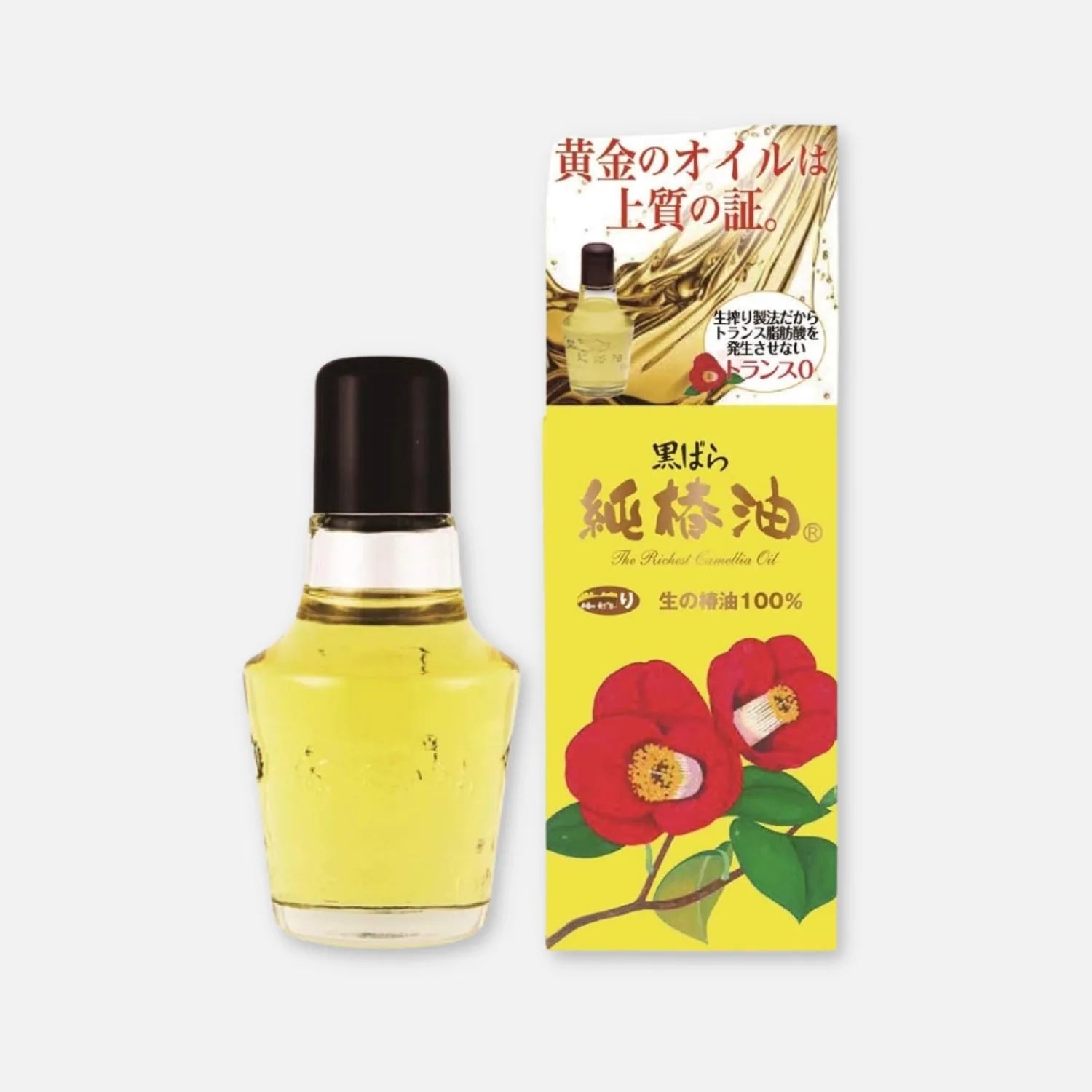
Kurobara 100% Pure Tsubaki Hair Oil 72ml
Kurobara 100% Pure Tsubaki Hair Oil is the most straightforward option for someone who wants a traditional camellia-oil step. Warm a very small amount between your palms and smooth it over the last few centimetres of damp or dry hair. It is best suited to dry or coarse ends that benefit from extra slip; fine hair should start with the lightest possible amount.
Think of it as a surface treatment. It can make the ends feel smoother and reduce snagging, but it does not fuse a split strand back together.
Shiseido Fino Hair Serum Treatment 70ml

Shiseido Fino Hair Serum Treatment suits people who prefer a polished serum finish rather than a single botanical oil. Apply it mainly to the mid-lengths and ends, using less around areas that become oily quickly. It is a practical choice before styling or whenever rough ends need more slip and shine.
A smoother look is useful because hair that catches less is easier to handle gently. It should still be described as cosmetic conditioning, not permanent split-end repair.
MUJI Fermented Botanical Liquid Hair Mask 200ml

MUJI Fermented Botanical Liquid Hair Mask is a rinse-out option for wash days when the lengths need more conditioning than a daily serum provides. The catalog currently offers Smooth, Moisture, and Volume versions, making it easier to match the finish to your hair rather than choosing one heavy treatment for everyone.
Use it according to the label, then detangle while the hair has slip. The mask can improve softness and manageability, which may help you use less force; it cannot remove an existing split.
Protect your hair between washes
Small habits matter because they repeat every day. A loose braid can keep long hair from rubbing against clothing. A smooth pillowcase or bonnet can reduce overnight tangling. Fabric-covered elastics are usually kinder to the same section than thin bands with exposed joins.
Change the position of ponytails and buns rather than tightening the same area each morning. If a style hurts, pulls at the hairline, or leaves a sharp bend when you release it, loosen it. Protective styling should make hair easier to live with, not create a different kind of stress.
For another Japanese-inspired approach to oil-based care, see our guide to honey oil hair care.
Be strategic with colour and chemical services
Bleaching, colouring, perming, and chemical straightening change the hair fibre, so combining them deserves more planning than simply adding a stronger mask afterward. Tell your stylist about recent services and home treatments, and avoid overlapping strong chemicals on already processed lengths.
If the ends remain rough even after conditioning, trimming them before another service may give you a cleaner baseline. Products can improve feel, but they cannot make a heavily processed end behave like untouched new growth.
When should you trim split ends?
There is no universal six- or eight-week rule. Your ideal interval depends on length, texture, heat use, chemical processing, and how much shape you want to maintain. Look at the hair itself: visible forks, persistent snagging, white dots, and ends that stay rough after conditioning are useful signs that a trim is due.
A professional trim is the safer option when damage is widespread, the shape is uneven, or you are unsure how far the split has travelled. If breakage appears suddenly, is concentrated near the scalp, or comes with shedding or scalp symptoms, speak with a dermatologist or qualified healthcare professional rather than treating it as an ordinary split-end problem.
A simple prevention plan
- Cleanse the scalp without scrubbing the ends together.
- Condition the lengths and loosen knots from the ends upward.
- Press hair dry instead of rubbing it.
- Use lower heat, fewer passes, and no hot iron on wet hair.
- Choose one suitable oil, serum, or mask to improve slip.
- Protect the ends from repeated friction between washes.
- Trim visible splits instead of trying to seal them permanently.
The best split-end routine is not the most complicated one. It is the one that makes your hair easier to handle every day. Use treatments for softness and slip, reduce the stress you can control, and let scissors deal with damage that has already happened.


Share:
How to Prevent Makeup from Oxidizing: A Complete Guide
Japanese Lip Tint Guide: Formulas, Finishes, and How to Shop