


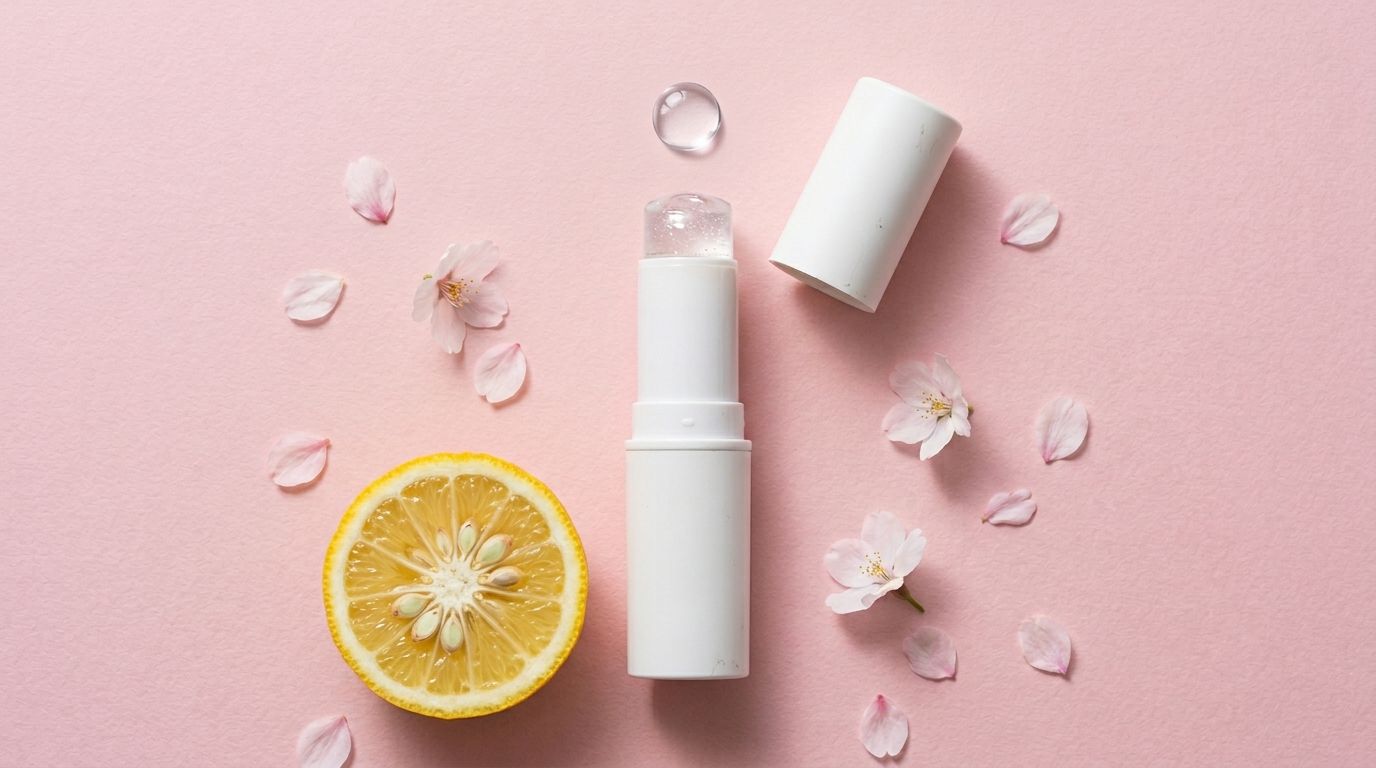
Your lips feel dry, so you reach for a balm. Then comes the familiar problem. It sits on the surface, feels thick, and leaves that waxy layer that never quite matches the soft, fresh feeling you wanted.
That's why so many beauty shoppers are paying attention to lip balm water based formulas, especially from Japan. Japanese beauty has a long history of making hydration feel elegant, light, and easy to wear. The goal isn't only to coat the lips. It's to make comfort feel smoother, cleaner, and more refined.
A water based lip balm can be confusing at first. If lip balm works by sealing in moisture, why add water at all? The answer comes down to texture, formulation skill, and how modern J-beauty approaches daily use. If you want something that feels less greasy, layers better, and fits a more skincare-like routine, this category makes a lot of sense. For a broader look at modern Japanese skincare thinking, this guide to J-beauty essentials is a useful companion read.
Beyond Waxy Balms An Introduction
Traditional lip balm still has a place. In harsh wind, freezing weather, or severe dryness, a dense wax or ointment can act like a raincoat for your lips. It blocks a lot of outside stress and helps reduce moisture loss.
But many people don't live in extreme conditions all day. They want a balm for office air, daily commuting, makeup prep, or quick touch-ups that don't feel sticky. That's where the lip balm water based category stands out. It aims to bring a fresher feel to a product type that has often been associated with heaviness.
Japanese brands are especially interesting here because J-beauty often treats texture as part of performance. A product isn't considered good only because it works. It also has to feel refined, disappear smoothly, and fit into daily routines without friction. That same design mindset shows up in watery lotions, light sunscreens, gel creams, and now lip care.
Why this category matters
The lip balm market is no longer a tiny side shelf in beauty retail. The global lip balm market was valued at US$732.76 million in 2022 and is projected to reach US$1.25 billion by 2027, with a projected 9.28% CAGR, according to this lip balm market overview. That matters because shoppers are clearly looking beyond the old idea that every balm has to be a wax stick with the same heavy finish.
Three things usually pull people toward water based options:
- Lighter texture: They often feel more like skincare and less like a protective paste.
- Better cosmetic elegance: They can sit more neatly under lipstick or tinted lip products.
- Modern hydration language: They speak to shoppers who already love ingredients and textures from Japanese skincare.
A good balm doesn't just protect. It has to match the way you actually wear it.
What Is a Water Based Lip Balm Exactly
A water based lip balm sounds simple, but the formula behind it is not. In many cases, it's built as a water-in-oil emulsion. That means tiny droplets of water are suspended inside an oil phase, so the product can still behave like a balm while carrying water within the formula.

One published example shows how far this can go. A water based lip balm formulation listed by UL Prospector contains 47% water plus 5,000 ppm ceramide, which shows that a high internal water load can be stabilized while also adding barrier-support lipids for moisture retention, as described in this water lip balm formulation reference.
A simple way to picture it
Think of a classic wax balm as plastic wrap over food. It helps keep what's already there from escaping.
Think of a water based balm more like a soft sponge inside a thin protective cover. It's designed to bring a hydrated feel first, then support it with oils, emollients, and film-formers so the lips don't immediately lose that comfort.
That's why the phrase “water based” can mislead people. It doesn't mean the balm is just watery or weak. It usually means the formula has been engineered to combine moisture delivery with a lighter finish than a thick wax stick.
Why shoppers often get confused
People often mix up three different ideas:
- Hydration: Adding water or water-binding support to the lips.
- Occlusion: Creating a barrier that slows moisture loss.
- Comfort: The sensory feel during wear.
A wax-heavy balm may be excellent at occlusion but not feel elegant. A water based balm may feel elegant and fresh, but it still needs enough oils, emollients, and structure to stay useful on the lips.
This is also why water based lip care pairs well with color products. If you wear stains or lighter lip makeup, texture matters. If you're curious about how lip prep affects finish, these natural peel-off lip stain insights offer a helpful look at how base products can shape the final result.
Practical rule: “Water based” describes the formulation approach, not a promise that the balm will replace every heavy-duty lip treatment.
Water Based vs Oil Based Balms A Detailed Comparison
A quick way to compare these formulas is to ask one question first. What kind of comfort do your lips need today?
Water based balms usually suit people who want freshness, light slip, and an easy daytime feel. Oil and wax based balms usually suit people who need a thicker shield that stays put longer. Japanese beauty often gives special attention to this sensory side of skincare. The product should protect the skin, but it should also feel refined, light, and pleasant enough to reapply without hesitation.
Water-Based vs. Oil-Based Lip Balm Comparison
| Feature | Water-Based Lip Balm | Oil/Wax-Based Lip Balm |
|---|---|---|
| Texture | Lighter, smoother, often more gel-like or serum-like | Thicker, denser, more waxy or ointment-like |
| Main role | Hydrated feel with some barrier support | Stronger occlusive barrier |
| Finish | More natural or softly dewy | Glossier, heavier, sometimes greasy |
| Wear feel | Comfortable for frequent daytime use | Protective, but can feel more noticeable |
| Makeup layering | Often easier under lipstick or lip tint | Can make color products slip |
| Cold weather use | May feel less protective in severe conditions | Usually better for wind and winter exposure |
| Reapplication style | Often used more casually through the day | Often used less often but in heavier layers |
| Formulation challenge | Needs stable emulsion design | Simpler to preserve when fully anhydrous |
Why they feel so different on the lips
The difference is not only about ingredients. It is also about structure.
An oil and wax balm works like a coat against cold air. It sits on the surface, reduces water loss, and gives that familiar cushioned drag as you spread it. A water based balm behaves more like a light gel-cream. It often spreads faster, sinks in with less residue, and leaves less of that heavy film some users dislike.
This is one reason Japanese formulations stand out. J-beauty product design often treats texture as part of performance, not a bonus feature. A balm that feels elegant is more likely to be reapplied consistently, which matters for lip comfort through the day.
The real tradeoff
Water based formulas are harder to make well.
Once water enters the formula, the product needs careful balancing so the texture stays uniform and pleasant over time. The formula also has to support preservation and stability in a way a simple anhydrous wax balm may not. That extra effort is why a good water based lip balm can feel surprisingly refined. It is not a diluted version of a classic balm. It is a more engineered one.
For shoppers, the practical result is simple. A well-made water based balm can give a smoother, cleaner feel with less heaviness. A basic oil and wax balm usually wins on raw staying power in harsh conditions.
Which one usually feels better
That depends on your routine, not just your lip type.
If you commute, work indoors, wear lip color, or dislike sticky residue, water based balms often feel easier to live with. Many Japanese lip products are designed around that everyday usability. The finish is softer, the reapplication experience is cleaner, and the lips feel cared for without looking heavily coated.
If your lips are chapped from wind, cabin air, or dry winter weather, a dense occlusive layer may still be the better tool. In those moments, protection matters more than elegance.
Some Japanese formulas try to narrow that gap by combining watery humectants with soothing botanical support. Ingredients linked to calming skincare, such as Centella asiatica extract in J-beauty formulas, can help explain why certain modern balms feel light but still comforting.
Good use cases for each
- Daily commuting and office wear: Water based formulas often feel lighter, neater, and easier to reapply.
- Under lipstick or tint: Lighter balms usually create a smoother base with less slipping.
- Overnight rescue care: Dense balms or ointments are often a better match.
- Winter sports or severe cold: Oil and wax based protection usually holds up better.
Many people do best with both. A water based balm for the day, and a heavier occlusive balm for night or harsh weather.
Key Ingredients in Japanese Water Based Lip Balms
Japanese water based lip balms are shaped by a familiar J-beauty idea. Hydration should feel refined, not heavy. Instead of relying mainly on thick waxes, many formulas combine water-binding ingredients, light emollients, and soothing extracts so the balm feels more like a skincare layer for the lips.

Humectants that match the Japanese approach to hydration
A water based balm usually starts with humectants. These are ingredients that draw water toward the surface layers, which helps lips feel fresher and softer. In simple terms, wax acts like a coat on the outside, while humectants help create a moist, cushioned feel closer to the skin.
Hyaluronic acid is one of the easiest examples to recognize. In Japanese lip care, it often signals slip, bounce, and a light water-cushion texture. That is why these balms can feel comforting without leaving the dense film people often associate with older balm styles.
Honey appears often too. It brings a softer, more cocooning feel, but in many Japanese formulas the finish still stays supple rather than overly greasy. The result is comfort with a cleaner after-feel.
Some formulas also include calming skincare ingredients that beauty shoppers already know from serums and lotions. If you want a clearer sense of that ingredient philosophy, this guide to Centella Asiatica extract in Japanese beauty shows how J-beauty often pairs soothing care with elegant texture.
Ingredients that help moisture stay put
Water alone is not enough for lips. Lip skin loses moisture quickly, so Japanese formulators often add supporting ingredients that reduce drag and help hold comfort in place.
Ceramides are a good example. They support the barrier, which can help lips feel less raw or stripped after the light watery phase settles. A well-made formula uses them like internal support beams. You may not notice them in the first swipe, but you notice the difference in how balanced the lips feel later.
Low-drag emollients matter for the same reason. They improve spread, reduce friction, and give the balm that sleek glide many Japanese products do well. That sensory detail is not a small thing. If a balm glides smoothly and disappears neatly, people are more likely to use it often enough for the formula to help.
Distinctive Japanese ingredient themes
Japanese water based lip balms often stand out less because of one miracle ingredient and more because of how the formula is composed. Common themes include:
- Ceramides: Added for barrier support and a more comfortable finish.
- Hyaluronic acid: Used for a plump, hydrated feel with less heaviness.
- Honey and sugar-derived humectants: Chosen for softness and moisture retention.
- Botanical extracts: Yuzu, sakura, and green tea add cultural familiarity and a skincare-like identity.
- Collagen-related claims: Often used to suggest bounce and smoothness in feel.
This is part of the Japanese philosophy behind the category. The goal is often daily pleasure as much as raw protection. A balm that feels elegant, light, and easy to wear under modern life has a better chance of becoming a habit, and that habit is what keeps lips comfortable.
How to Choose and Use Your Water Based Lip Balm
You swipe on lip balm before heading out. On the train or halfway through the afternoon, your lips feel comfortable but not coated, so you apply another thin layer without thinking much about it. That habit fits the Japanese approach to lip care well. The product is designed to feel pleasant enough for regular use, not to sit on the lips like a heavy wax seal.

Start with the question your lips are really asking for. Do you want more comfort during the day, less stickiness under lipstick, a gentler feel for sensitive lips, or extra support during dry weather? Water based balms vary a lot in finish, so the best choice depends less on brand hype and more on how you plan to wear it.
How to match the formula to your needs
- For everyday dryness: Pick a formula you will enjoy reapplying. A light balm that disappears neatly often works better for daytime than a thick product you avoid using.
- For very dry lips: Look for water based formulas with barrier-supporting ingredients such as ceramides, plus enough emollients to keep the finish from feeling too fleeting.
- For sensitive routines: Choose simpler, fragrance-light options and avoid testing several new lip products at once.
- For lipstick wearers: A thin, low-slip layer usually sits better under color than a waxy coat that can make lipstick shift.
- For daytime outdoor use: A balm with UV protection can make sense, especially if you spend a lot of time walking, cycling, or commuting.
A useful example is Mentholatum Water Lip Stick Balm SPF20/PA++ 4.5g. It is marketed as a Water Lip product and includes super hyaluronic acid, collagen-focused claims, and UV protection. That combination suits someone who wants the light, fresh feel common in J-beauty lip care rather than the dense finish of a night balm.
How to apply it so it performs better
Use it on lips that are clean and relatively smooth. If old product, food residue, or flaky skin is sitting on the surface, even a good formula can feel uneven.
Apply one or two light passes, then press your lips together gently. A water based balm works more like a thin hydrating layer than a thick shield, so piling on extra product does not always improve comfort. If you wear lip color, give the balm a moment to settle before applying tint or lipstick.
The layering logic is similar to facial hydration. Products with humectants tend to feel better when they are applied with the right amount and in the right order, which is why this guide on how to apply hyaluronic acid serum for better hydration layering can help skincare-minded readers understand the texture behavior.
A quick visual guide can also help if you're building better lip habits into your routine.
Seasonal use makes a difference
Weather changes how these balms feel. In humid conditions, a lighter Japanese formula can feel refreshing and easier to wear throughout the day. In cold or very dry conditions, many people use a water based balm in the daytime for comfort and convenience, then switch to a richer occlusive product before bed.
That does not mean the balm is weak. It means the formula is doing a different job.
Japanese lip care often treats texture as part of performance. If a balm feels clean, smooth, and easy to reapply, people are more likely to keep using it. For many international shoppers, that is the main advantage of this category. It turns lip care from an occasional rescue step into a small daily ritual.
The Buy Me Japan Difference For Authentic J-Beauty
When you buy Japanese lip care, origin matters. Lip products are small, but formulation details matter a lot in small products. Texture, scent, UV claims, finish, and ingredient balance can vary depending on the market version.
That's why many shoppers prefer to buy through retailers focused on products sourced from Japan rather than relying on random marketplace listings. If you're new to shopping Japanese beauty directly, this overview of how products are sourced and sold in Japan gives helpful context.
Why authenticity matters in lip care
A water based balm is a technical formula. Its appeal depends on the feel being right. If storage has been poor, stock is old, or the product isn't the intended Japanese-market version, the experience can be disappointing even when the brand name looks familiar.
Japanese beauty customers also tend to care about details that global shoppers notice quickly once they try J-beauty for themselves:
- Packaging precision: Product identity is often very specific.
- Formula consistency: Small differences in texture are easy to feel on the lips.
- Freshness and handling: Lip products are used repeatedly and carried around, so quality matters.
Buy Me Japan's role is straightforward. It gives international customers access to Japanese beauty items shipped directly from Japan, which helps reduce guesswork for shoppers who want authentic J-beauty products rather than uncertain third-party listings.
Common Questions About Water Based Lip Balms
A common first experience goes like this. You swipe on a Japanese water based lip balm, enjoy the fresh, light feel, and then wonder whether it is doing enough because it does not sit on the lips like a thick wax coat. That question makes sense. These formulas often follow a different J-beauty idea of comfort, which is to hydrate and smooth the lips without making them feel sealed under a heavy film.
Are water based lip balms good for severely cracked lips
They can help mild dryness, but severely cracked lips usually need stronger protection.
Water based balms are often better at giving a fresh, cushioned feel than creating a dense barrier. If the lip surface is already split or inflamed, a richer occlusive product may protect the area more effectively while it recovers. This matters even more around the corners of the mouth. As explained in this angular cheilitis lip balm article, persistent cracking there can involve more than simple dryness.
If your lips sting, bleed, or keep reopening, treat that as a skin problem first and a texture preference second.
How often should I reapply one
Usually more often than a wax-heavy stick.
That is not a flaw. It is part of the design. Many Japanese formulas aim for a watery, clean finish that feels closer to a light essence than a protective paste. The tradeoff is simple. You get better daytime comfort and less buildup, but you may want to reapply after eating, drinking, or several hours in dry air.
Can I use a water based lip balm overnight
Yes, if your lips need light hydration rather than a thick sleeping mask.
The sensory difference becomes easy to notice. A traditional balm works like a blanket that traps everything underneath. A water based balm feels more like a soft layer of moisture with a lighter topcoat. If you sleep in air conditioning, have wind-chapped lips, or wake up with peeling, a heavier overnight balm may still be the better tool.
Are these formulas suitable for sensitive skin
They can be, especially when the formula is simple and low in fragrance, flavoring, or strong cooling agents.
“Water based” describes the feel and structure of the formula. It does not guarantee that every version will suit reactive skin. Japanese brands often do well here because many focus on balance, low tackiness, and skin-comforting ingredients rather than making the product feel aggressively minty or glossy. If you are already careful with reactivity, this guide to Japanese skincare for sensitive skin can help you assess ingredients with the same mindset.
Are there any safety concerns in lip balm as a category
Lip products deserve the same ingredient attention as the rest of your skincare.
You use them often, reapply them throughout the day, and naturally ingest a small amount over time. The practical approach is straightforward. Check the ingredient list, avoid formulas that irritate your lips, and buy from sellers that clearly identify the Japanese-market product you are getting. For a category built around texture and repeated use, freshness, storage, and sourcing matter as much as the label on the tube.
If you want to explore authentic Japanese lip care and other J-beauty essentials, Buy Me Japan offers direct access to products shipped from Japan, which can make it easier to shop this category with more confidence and less guesswork.


Share:
Cute Makeup Styles: Japanese Beauty Guide
Master Mirin Sushi Rice: Authentic Recipe & Tips