


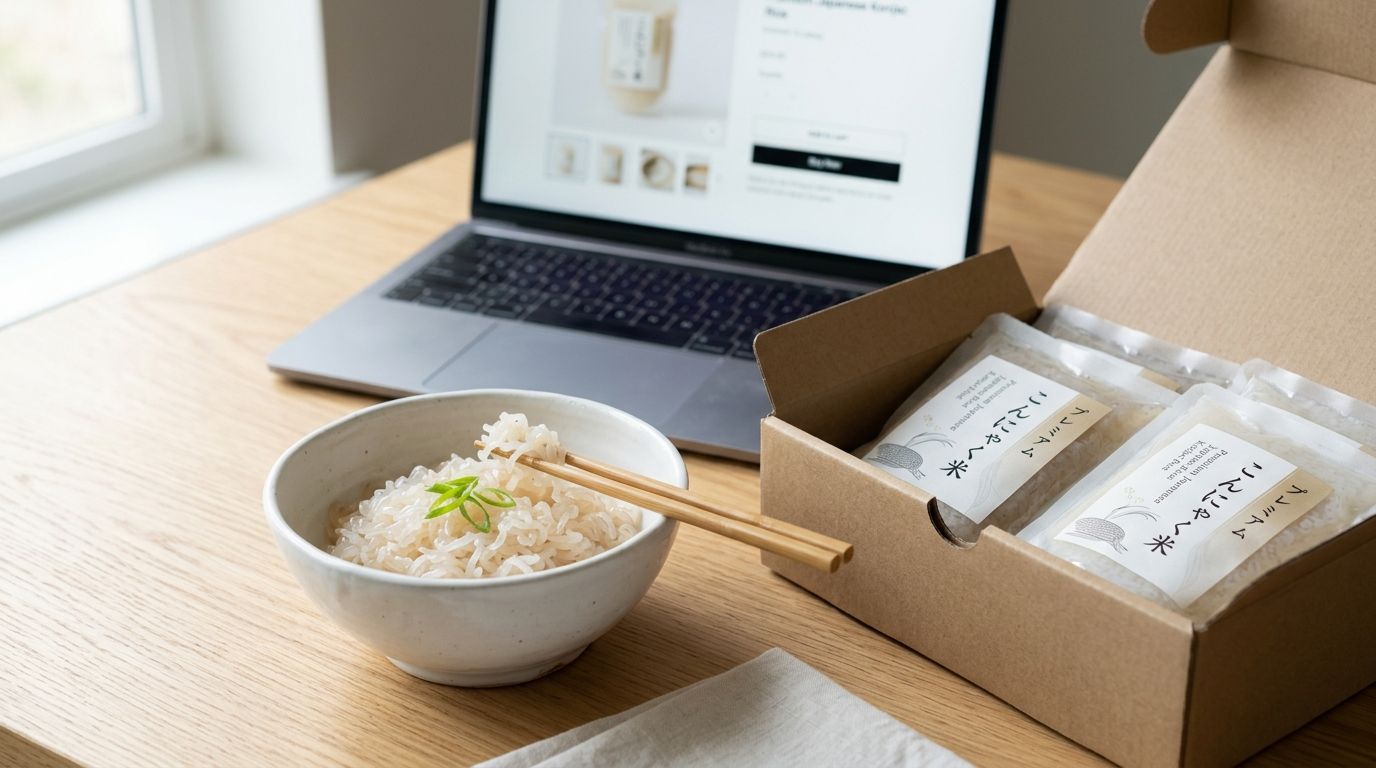
You're probably here because you found shirataki rice in a supermarket, on a marketplace, or in a wellness recipe, and now you're trying to figure out one thing: where can you buy the good version, not the disappointing one.
That distinction matters more than most guides admit. Generic "konjac rice" sold in Western stores can be perfectly usable, but it often isn't the same as authentic Japanese-sourced shirataki rice in texture, consistency, or ingredient transparency. If you want the version that behaves properly in a pan and fits the reason it's typically purchased, sourcing matters.
Japanese food buyers learn this quickly. The label may say shirataki, but the eating experience depends on what's in the pouch, who made it, and whether the seller gives you enough information to trust it.
What Is Shirataki Rice Really
Shirataki rice isn't regular rice with a health halo. It's a separate Japanese food category with its own texture, purpose, and cooking method.
In Japan, it comes from konnyaku, which is made from konjac. When processed into rice-shaped pieces, it becomes shirataki rice, also called konjac rice. The easiest way to understand it is to think of it as a soft gel structure that holds a lot of water and fiber rather than starch.
According to Miracle Rice product information, shirataki rice, also known as konjac rice, is a low-calorie Japanese staple made from konnyaku (konjac) flour and water, typically containing zero sugar and less than 5 grams of carbohydrates per serving. That's why it shows up so often in low-carb, keto, and lighter Japanese-style meal planning.

Why the name matters
The word shirataki is commonly explained as “white waterfall,” which fits the slippery, translucent look of traditional shirataki products. That visual cue tells you something useful as a buyer. Real shirataki doesn't try to mimic fluffy steamed rice perfectly. It has its own identity.
That's also why people get confused when they buy a pouch expecting a one-to-one rice replacement. It works best when you treat it as a Japanese ingredient with a specific role, not as a fake version of premium short-grain rice.
If you're more familiar with classic rice styles, it helps to compare it mentally with a true grain product like the one discussed in this guide to Kokuho Rose rice. The two belong in very different cooking conversations.
What it feels like in the kitchen
A good pouch of shirataki rice should look clean, evenly shaped, and lightly translucent or pale rather than chalky. In the pan, it doesn't absorb sauce the same way starchy rice does. It carries seasoning on the surface and works best in dishes where texture stays light.
Practical rule: Buy shirataki rice for what it is, not for what you wish it were. People who enjoy it most usually stop judging it like jasmine or sushi rice.
That mindset changes the purchase decision. Once you understand its Japanese origin and structure, the question isn't just “where can I find shirataki rice.” It becomes “where can I buy shirataki rice that's worth cooking.”
The Health Benefits of Choosing Shirataki Rice
The strongest reason people look up shirataki rice where to buy is simple. They want a lighter staple that still lets them build a satisfying meal.
The nutritional difference is the main driver. According to Regene's shirataki rice overview, 85 grams of shirataki rice contains only 10 to 15 calories, while traditional white rice averages 360 calories per comparable bowl. The same source explains that this comes from its composition of 97% water and 3% glucomannan fiber.
What those numbers mean in real meals
That profile changes how shirataki behaves in a diet. It gives bulk without the starch load commonly associated with rice bowls, fried rice, or meal-prep bases. For anyone trying to reduce calories or carbohydrates without abandoning familiar food formats, that's the appeal.
It also helps explain why shirataki rice tends to work best with strongly seasoned dishes. Since it's mostly water and fiber, it doesn't bring the natural sweetness or soft starchiness of white rice. You gain flexibility and lightness, but you have to cook with that in mind.
Here's where it tends to fit well:
- Low-carb meal planning: It's useful when you want a rice-shaped base under curry, stir-fries, or protein-heavy bowls.
- Lighter dinners: It works especially well in evening meals when regular rice feels too heavy.
- Portion control: A bowl still looks generous, which many people find easier to stick with than shrinking a standard rice portion.
Shirataki rice doesn't “replace” every rice dish. It improves the dishes where a lighter base matters more than starchy comfort.
Fiber and digestion
The other piece people care about is the glucomannan fiber. That's part of what gives shirataki its structure and why it can feel more filling than its calorie count suggests.
If you're thinking about fiber more broadly, this comprehensive guide to gut health is a useful companion read because it explains how everyday eating patterns affect digestion and satiety. That context helps when you're deciding whether shirataki belongs in your regular rotation or only in occasional low-carb meals.
Shirataki also makes sense for shoppers who need alternatives beyond wheat-based staples. It isn't the same experience as a noodle made from flour, which is why people often compare multiple Japanese options before buying. If that's part of your search, this article on gluten-free udon gives a useful contrast in how different Japanese comfort staples solve different dietary needs.
Where to Buy Shirataki Rice Your Best Options
You can buy shirataki rice in more places now than you could a few years ago. The category has moved well beyond niche specialty shelves. According to Wise Guy Reports market data, the global shirataki market is projected to grow from USD 4.75 billion in 2023 to USD 11.82 billion by 2032, which is one reason it now shows up in mainstream grocery and e-commerce channels.

That wider availability is convenient, but it also creates more variation in quality. The phrase shirataki rice where to buy sounds straightforward. In practice, your best option depends on whether you care most about speed, price, or authenticity.
Mainstream supermarkets and mass retailers
This is the easiest entry point. In the US, Walmart lists konjac-based rice alternatives, including Diet Cooker Konjac Rice in 6-pack bundles priced at approximately $17.39, as shown on Walmart's shirataki rice listings. That confirms two things. First, the product is no longer hard to find. Second, supermarket-adjacent pricing usually reflects convenience more than curation.
The upside is obvious. It's quick, familiar, and easy to reorder.
The downside is less obvious until you cook it. Selection is usually narrow, brand information can be thin, and listings often focus on “keto” or “low calorie” before they explain origin, formulation, or production standards.
Local Asian grocery stores
A good Asian grocery can be a smart middle ground. You may find more variety than a standard supermarket, and sometimes the staff knows which brands are closer to Japanese expectations in texture.
That said, this route depends heavily on the store. Some shops stock excellent Japanese pantry goods. Others carry mixed regional imports under broad “Asian food” labeling, which doesn't help much if you're specifically trying to avoid generic substitutes.
For a broader look at how buyers approach niche Japanese food shopping online, this guide on where to buy Japanese snacks shows the same pattern. The more specialized the product, the more seller curation matters.
Regional grocery pickup and delivery
Some buyers want local inventory without walking aisles. That's where chains with search-driven pickup and delivery can help. King Soopers search results for shirataki rice show how regional grocers make specialty items more accessible through home delivery and scheduled pickup.
This model is practical when you need something fast. It's weaker when you want confidence about exact sourcing or a narrower definition of “authentic Japanese.”
A quick visual primer helps if this is your first time evaluating the product in cooking form.
Specialized import channels
This is the best route if you care about Japanese sourcing, clearer ingredient information, and less guesswork. Specialized importers usually do a better job separating actual Japanese pantry products from generic wellness products marketed with Japanese language.
That distinction matters most for texture. Generic konjac rice can still be low-carb, but it often feels more like a diet product than a Japanese food product. Authentic Japanese-style shirataki tends to be more consistent in grain shape, moisture handling, and overall finish in stir-fried dishes or hot pots.
If you want convenience, buy from a mass retailer. If you want fewer surprises in the bowl, buy from a specialist.
How to Spot Authentic Japanese Shirataki
Authenticity starts with the ingredient list, but it doesn't end there. Packaging language, manufacturer transparency, and product structure all tell you whether you're buying actual Japanese-style shirataki or a loose imitation of the category.
The technical benchmark matters. According to Halal MUI's shirataki overview, authentic shirataki is technically a hydrogel containing around 48% konjac glucomannan and should have less than 5 calories per 100g. The same source notes that buyers should prioritize sellers who can verify origin and composition, including BPJPH Halal certification as protection against non-konjac adulterants.

What to look for on the label
A strong label usually gives you enough detail to make a decision without guessing. Generic products often lean on broad promises and skip the specifics.
Check these points before buying:
- Konjac first: Look for konjac or konnyaku clearly identified, not buried behind vague starch-heavy language.
- Origin details: “Made in Japan” or a clearly identified Japanese supply chain is more useful than a listing that only says “Asian style.”
- Specific nutrition language: A trustworthy listing usually states calories, carbohydrate profile, and serving details clearly.
- Certification and importer information: If a seller mentions certification or manufacturing verification, that's a stronger signal than lifestyle marketing alone.
What generic konjac rice often gets wrong
The biggest issue isn't that generic products are fake in an absolute sense. It's that they often blur several different products into one search term. A Western listing may call something shirataki because it's rice-shaped and low-carb, even when the sourcing and formulation don't line up with what experienced Japanese food buyers expect.
That difference shows up in three places.
First, texture. Lower-quality products can be uneven, too soft, or oddly rubbery.
Second, smell. All shirataki needs rinsing, but poor handling tends to produce a harsher first impression.
Third, cooking performance. Better products dry out more predictably in a pan and integrate into savory dishes with less fuss.
Buy the label, not the marketing photo. The pouch tells you more than the serving suggestion ever will.
Brand context matters
General Japanese product literacy proves beneficial. Buyers who already shop Japanese pantry and lifestyle categories know that curation changes outcomes. The same principle applies whether you're buying food, hair care, or cosmetics. A well-curated Japanese retailer usually provides far more confidence than a giant mixed marketplace.
If you regularly shop Japanese imports, this overview of products in Japan is useful because it reflects the wider point. Authenticity isn't only about country of origin. It's about product standards, manufacturer reputation, and whether the seller understands the category.
Storing and Preparing Shirataki Rice for Best Results
A lot of first-time buyers think they dislike shirataki rice when preparation is the issue. The product is unforgiving if you skip the basic handling steps.
Freshness matters before you even open the pouch. A 2025 review noted that 42% of online buyers of Japanese staple foods reported compromised freshness from general retailers, which is why batch codes and clear product dating matter for international purchases. If a seller doesn't show enough packaging detail to help you verify freshness, that's a warning sign.
Before you buy and when it arrives
Check the pack as soon as it arrives.
- Look for batch codes: They should be visible and legible.
- Check expiration dating: Don't assume a marketplace listing reflects the exact stock shipped.
- Inspect the pouch: Avoid damaged seals, cloudy leaks, or swollen packaging.
- Confirm the country information: If Japanese origin matters to you, verify it on the actual pack, not only in the product title.
If you want a point of comparison for how Japanese staples are handled and labeled in other pantry categories, this article on mirin sushi rice gives useful context around choosing and using Japanese ingredients more carefully.
The simplest way to make it taste better
Most shirataki rice improves dramatically with a short prep routine.
- Rinse it thoroughly under running water.
- Drain it well.
- Put it in a dry pan over medium heat.
- Stir until excess surface moisture cooks off.
- Add sauce, aromatics, or seasonings only after it has dried down a bit.
That dry-pan step is the one many beginners skip. It helps reduce the wet texture and gives the grains a cleaner bite.
Storage after opening
Unopened pouches should be kept according to the packaging directions. After opening, don't leave shirataki sitting in old packing liquid in the fridge longer than necessary. Transfer only what you need, reseal properly if the packaging allows it, and use it promptly.
A quick rinse helps. A proper dry fry is what usually turns “I'm not sure about this” into “I'd buy it again.”
Conclusion Your Path to a Healthier Staple
The best answer to shirataki rice where to buy isn't a single store name. It's a buying standard.
If you just want something low-carb and easy to grab, a major retailer or local grocer can work. If you care about authentic Japanese sourcing, cleaner labeling, and a better chance of getting the texture right, specialized Japanese-focused sellers are usually the safer route.
The most useful shift is understanding that shirataki rice isn't just “diet rice.” It's a distinct Japanese ingredient made to do a specific job. Once you buy it with that mindset, the trade-offs become much clearer. You stop expecting fluffy starch and start looking for clean composition, reliable packing, and proper pan performance.
That's also why the gap between generic konjac rice and authentic Japanese-style shirataki matters. On paper, they may look similar. In the kitchen, they often don't. One feels like a compromise product. The other feels like a deliberate pantry choice.
For international shoppers, the smart approach is straightforward:
- Choose sellers that show origin clearly
- Read the ingredient list before the marketing copy
- Check freshness details on arrival
- Prep it properly before deciding whether you like it
Do that, and shirataki rice becomes much easier to buy well and cook well. It won't replace every rice dish. It doesn't need to. It only needs to do its own job properly.
If you want a reliable place to shop curated Japanese goods directly from Japan, Buy Me Japan is a practical starting point. It's especially useful for shoppers who already care about authenticity across Japanese food, beauty, and lifestyle products, and want a store that treats product selection with the same seriousness customers expect from Japanese retail.


Share:
Yesstyle Shipping Time 2026: Guide to Processing & Delays
Best Japanese Coffee Brands: Find Your Perfect Brew