


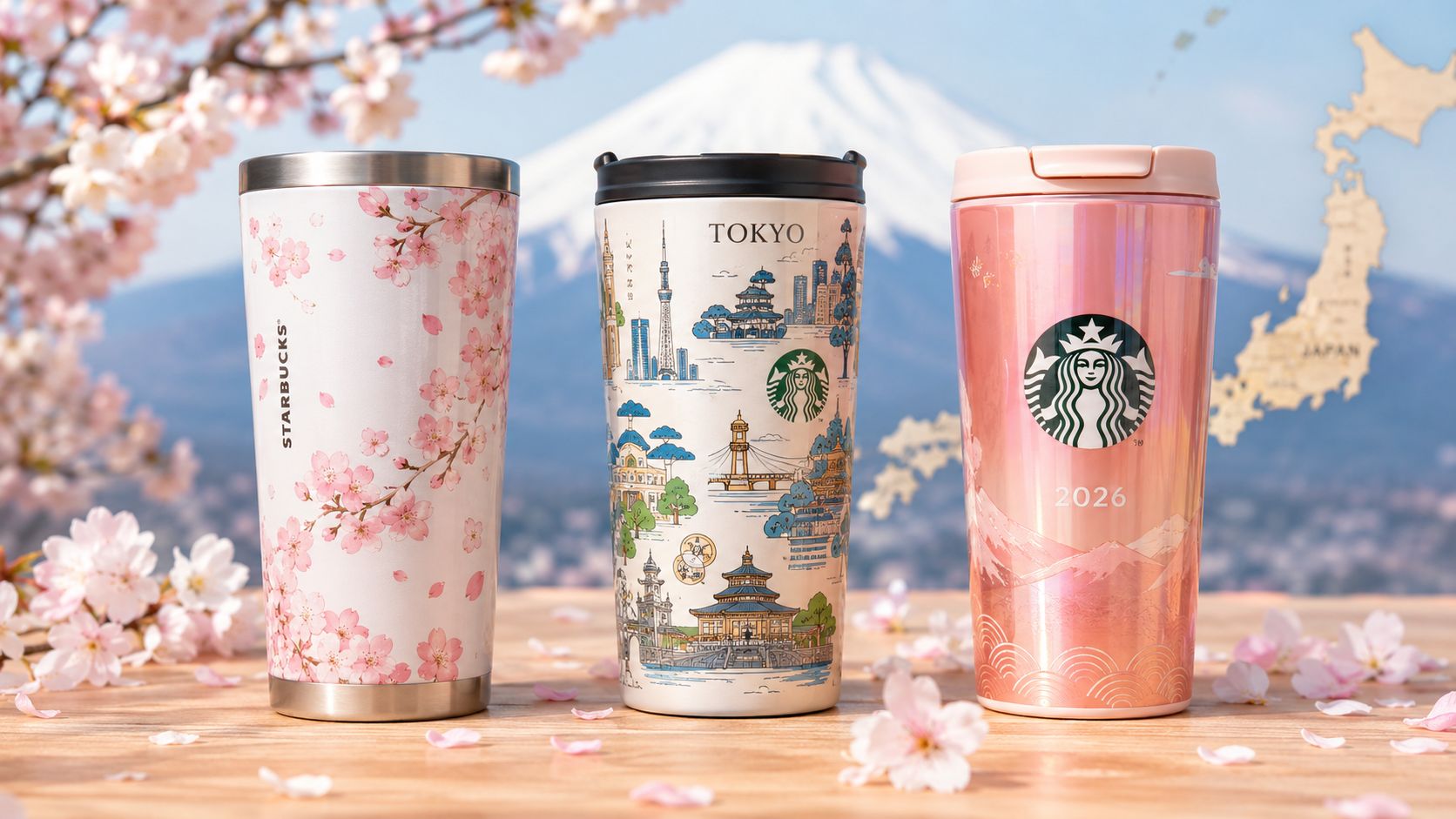
Ne vedi uno su Instagram, di solito durante la stagione dei sakura. La forma del coperchio è migliore, i colori sono più delicati, la confezione sembra più raffinata, e poi arriva la frustrazione. È un tumbler Starbucks solo per il Giappone, l'inserzione è in giapponese e il venditore che hai trovato sembra poco affidabile.
È il momento in cui la maggior parte degli acquirenti internazionali si blocca. L'attrattiva è ovvia, ma il percorso per possedere un tumbler Starbucks Giappone autentico non lo è. Se stai cercando le migliori opzioni di tumbler Starbucks Giappone, ti serve più di belle foto del prodotto. Ti serve una strategia di acquisto che funzioni davvero.
Questa guida copre la parte importante. Imparerai perché i tumbler esclusivi Giappone si vendono così rapidamente, quali collezioni vale la pena seguire, dove vengono rilasciati in Giappone, come gli acquirenti esteri di solito li ottengono e come evitare di ritrovarsi con un articolo troppo costoso o mal imballato.
La tua guida ai tumbler esclusivi Starbucks Giappone
Il primo acquisto di un tumbler Starbucks Giappone di solito inizia con uno screenshot.
Forse è una bottiglia in acciaio con fiori di ciliegio che non assomiglia affatto alle versioni standard del tuo mercato locale. Forse è un design cittadino della Serie Been There. In ogni caso, la reazione è la stessa. Lo vuoi, ma il percorso dal post social all'indirizzo di consegna sembra confuso.
Questa confusione è normale. La merce esclusiva Starbucks Giappone si trova in uno spazio delicato tra il commercio al dettaglio quotidiano e la cultura del collezionismo. Viene venduta tramite un marchio globale familiare, ma le condizioni di acquisto sono locali, stagionali e veloci. Un tumbler può sembrare facile da ottenere fino al giorno del rilascio, quando le scorte spariscono prima che gli acquirenti esteri riescano a capire la pagina del negozio giapponese.
Ciò che rende questa categoria diversa è che il prodotto ha due vite contemporaneamente. È un contenitore pratico per bevande, ma è anche un souvenir, un oggetto stagionale e a volte un pezzo da collezione. Per questo motivo gli acquirenti spesso confrontano un tumbler Starbucks Giappone con altri regali giapponesi pensati prima di decidere. Se stai già esplorando regali interessanti dal Giappone, questi tumbler si collocano nello stesso punto dolce di utilità, design e carattere locale distintivo.
Cosa gli acquirenti di solito devono sapere prima
Prima di spendere soldi, chiarisci queste basi:
- Tipo di rilascio: Alcuni tumbler sono legati alla stagione dei sakura, al Natale o ad altre campagne limitate.
- Uso previsto: Una bottiglia per il pendolare quotidiano necessita di caratteristiche diverse rispetto a un pezzo da esposizione.
- Metodo di acquisto: Vedere un'inserzione non è la stessa cosa che avere un modo affidabile per acquistare e spedire.
- Segnali di autenticità: La confezione, la qualità della finitura e il momento del rilascio contano più di quanto molti acquirenti alle prime armi pensino.
La maggior parte dei rimpianti deriva dal scegliere frettolosamente il venditore, non dal design sbagliato del tumbler.
Un buon acquisto inizia con la comprensione del mercato. Questo conta più che inseguire la prima inserzione che vedi.
Perché i tumbler Starbucks Japan sono così popolari?
L'entusiasmo intorno ai tumbler Starbucks Japan non è casuale. Deriva da una combinazione di scarsità, forte design stagionale e dal modo in cui la cultura retail giapponese trasforma gli oggetti di uso quotidiano in pezzi da collezione.
Starbucks Japan rilascia tumbler in edizione limitata come merchandise esclusivo, e articoli come il tumbler in acciaio inox Been There Series Japan Spring 2022 con immagini di fiori di ciliegio si esauriscono tipicamente in poche ore nei negozi nazionali. Pezzi specifici come le tazze della Sakura Collection da 4800 yen sono diventati oggetti da collezione per la loro scarsità regionale e il design stagionale, secondo questo annuncio del tumbler in acciaio primavera Starbucks Japan.

La scarsità guida la prima ondata.
Questi non sono prodotti che restano sugli scaffali per mesi. Un lancio limitato in Giappone crea subito urgenza perché gli acquirenti sanno che i rifornimenti non sono garantiti e l'accesso dall'estero è più difficile.
Questo cambia molto il comportamento degli acquirenti. Le persone non navigano casualmente. Puntano alle date di lancio, confrontano la disponibilità nei negozi e prendono decisioni rapide. Se collezioni qualsiasi tipo di merchandise limitato, vale la stessa logica di base. Una lettura utile su questo modo di pensare è valutare la tua collezione di cultura pop, soprattutto se stai cercando di decidere se stai acquistando per uso, esposizione o collezionabilità a lungo termine.
Il design giapponese conferisce loro un'identità distinta.
I bicchieri Starbucks del Giappone si distinguono perché solitamente sembrano radicati nel luogo.
Le collezioni Sakura sono l'esempio più chiaro. Si ispirano all'immagine dei fiori di ciliegio perché il sakura ha un peso culturale in Giappone. Segnala una stagione, un'atmosfera e un tipo molto specifico di bellezza effimera. Ecco perché questi tumbler spesso sembrano più ricordi stagionali che semplici bottiglie di marca generiche.
Altri prodotti si ispirano all'identità locale del viaggio, ai riferimenti della città e ai dettagli del packaging che li rendono adatti come regalo. Se hai mai approfondito l'etichetta giapponese del dono, questa attenzione alla presentazione ha senso. In Giappone, la finitura visiva di un oggetto e il contesto stagionale contano quasi quanto l'oggetto stesso.
Sono utili, non solo decorativi.
Molti articoli da collezione finiscono per restare nella scatola. I tumbler Starbucks Japan sono diversi perché la maggior parte degli acquirenti può usarli.
Quell'aspetto pratico conta. Il prodotto si trova al punto d'incontro tra design e routine. È un contenitore per caffè che puoi portare con te ogni giorno, ma racchiude anche il richiamo emotivo del travel retail e della raccolta stagionale.
Regola pratica: I tumbler Starbucks Giappone più desiderati combinano di solito tre elementi insieme. Tempo limitato, design distintamente giapponese e usabilità quotidiana.
Ecco perché la domanda resta alta. Gli acquirenti non comprano solo una tazza. Comprano una piccola versione portatile della cultura stagionale giapponese.
Esplorare le collezioni di tumbler più ambite
Una volta compresa la domanda, il passo successivo è capire quali collezioni gli acquirenti inseguono più spesso. Non tutti i tumbler Starbucks Giappone attirano lo stesso tipo di cliente. Alcuni sono bottiglie per uso quotidiano. Altri sono pezzi da esposizione prima di tutto.

Uscite sakura
Se stai acquistando il tuo primo pezzo, la stagione sakura è di solito quella che attira prima l’attenzione.
Questi design sono delicati, apertamente giapponesi e immediatamente riconoscibili dagli acquirenti internazionali. I più riusciti non si limitano a stampare fiori di ciliegio su una bottiglia. Costruiscono l’intero oggetto attorno a un’atmosfera primaverile attraverso texture, colore, finitura e forma.
Un esempio recente e significativo è il Tumbler in acciaio inox 3-in-1 “Sakura Shine Brightly” per la stagione dei ciliegi in fiore 2026. Usa acciaio inox da 414ml con finitura Stanley Marble, e la texture è pensata per migliorare la presa. È stato lanciato il 16 febbraio 2026, e la capacità ridotta rispetto allo standard da 473ml supporta un meccanismo del coperchio multifunzionale, come mostrato in questa collezione di tumbler Starbucks Giappone.
Questo tipo di cambiamento nel design è importante. Mostra come Starbucks Giappone spesso modifichi insieme funzione e forma invece di cambiare solo l’aspetto grafico.
Serie Been There e identità della città
La serie Been There attira un acquirente diverso. Questi tumbler e tazze piacciono a chi ama i ricordi di viaggio, il design legato a un luogo specifico e la sensazione di possedere qualcosa collegato al Giappone come luogo, non solo come stagione.
Se gli articoli sakura sono guidati dall’umore, gli articoli Been There sono guidati dal luogo.
Sono anche ottimi regali perché il concetto è facile da capire. Anche chi non segue da vicino il merchandise giapponese può apprezzare un tumbler legato a una destinazione specifica o a un tema nazionale.
Per gli acquirenti che amano il design giapponese carino ma da collezione anche in altre categorie, c'è un fascino simile negli articoli di bellezza novelty e nel packaging con personaggi, ed è per questo che pagine come questa guida al rossetto Hello Kitty attirano lo stesso tipo di pubblico.
Uscite per le festività e materiali speciali
Poi ci sono le uscite che puntano maggiormente sulla novità, il regalo o il design d'impatto.
Questi di solito si distinguono per una delle tre caratteristiche:
- Scelte di materiale: vetro, rivestimenti speciali, finiture decorative
- Tempistica delle festività: Natale e primavera attirano di solito più attenzione
- Valore espositivo: gli acquirenti potrebbero volerli anche se non li usano quotidianamente
Ecco un modo rapido per pensare alle categorie principali:
| Tipo di collezione | Ideale per | Attrattiva tipica |
|---|---|---|
| Sakura | Acquirenti alla prima esperienza e collezionisti stagionali | Design con fiori di ciliegio, identità primaverile |
| Serie Been There | Amanti dei viaggi e collezionisti di souvenir | Opere d’arte specifiche per il Giappone o per città |
| Lanci per le festività | Acquirenti di regali e collezionisti da esposizione | Forte atmosfera stagionale |
| Tumbler con finiture speciali | Collezionisti seri | Texture, materiale o costruzione unici |
Acquista la collezione che corrisponde alle tue abitudini. Se lo usi ogni giorno, dai priorità al design del coperchio e alla finitura. Se lo esponi, dai priorità alla rarità e all’impatto visivo.
Quella decisione evita molti rimpianti.
Dove acquistare i tumbler Starbucks in Giappone
In Giappone, gli acquirenti di solito passano attraverso due canali ufficiali: i negozi fisici Starbucks e il negozio online nazionale. Entrambi sono semplici se vivi in Giappone. Nessuno dei due è semplice se non ci vivi.
La scala della domanda locale è parte del problema. Starbucks Coffee Japan ha raggiunto 2.077 negozi entro la fine dell’anno fiscale 2025, e questa ampia presenza nazionale aiuta i tumbler in edizione limitata a muoversi rapidamente perché molti acquirenti possono accedervi contemporaneamente, secondo i dati su il numero di negozi Starbucks in Giappone.
Acquistare nei negozi fisici
Fare acquisti in negozio sembra semplice, ma i giorni di lancio possono essere difficili.
Le collezioni popolari attirano traffico precoce, e gli acquirenti che conoscono già il modello non aspettano. Vanno prima del lavoro, controllano più sedi o chiedono in anticipo al personale informazioni su orari e limiti di acquisto se applicabili. Per un turista può essere divertente. Per un acquirente estero che cerca di coordinarsi da un altro fuso orario, è inaffidabile.
Usare il negozio online Starbucks Giappone
Il negozio online elimina il problema di dover essere fisicamente a Tokyo, Osaka o in un’altra città la mattina del lancio. Ma presuppone comunque che tu stia facendo acquisti a livello nazionale.
Le barriere tipiche includono:
- Flusso di checkout giapponese: non ideale per acquirenti che non leggono bene il giapponese
- Configurazione della consegna focalizzata sul Giappone: il negozio è pensato per spedizioni nazionali
- Variazioni rapide di stock: una pagina può esistere senza darti abbastanza tempo per assicurarti l’articolo
Se hai già consultato guide più ampie su prodotti in Giappone, questo è un modello familiare. Molti ottimi prodotti giapponesi sono facili da scoprire online ma difficili da acquistare direttamente dall’estero.
Cosa non funziona bene per gli acquirenti esteri
Molti acquirenti alle prime armi provano prima uno di questi approcci:
- Contattare un rivenditore casuale sui social media
- Acquistare da un venditore di marketplace con foto limitate
- Aspettare che un importatore locale lo metta in vendita più tardi con un grande ricarico
A volte funziona. Spesso no.
La parte difficile non è trovare un tumbler Starbucks Japan online. La parte difficile è trovare un percorso affidabile dal commercio al dettaglio giapponese al tuo indirizzo.
Ecco perché l'acquisto tramite proxy è diventato la soluzione standard per i fan internazionali.
Come acquistare dall'estero con un servizio proxy
Per la maggior parte degli acquirenti esteri, un servizio proxy è il ponte pratico tra il commercio al dettaglio giapponese e la consegna internazionale. Se vuoi un tumbler Starbucks Japan in edizione limitata e non vivi in Giappone, questa è di solito la via più pulita.

Un servizio proxy acquista l'articolo in Giappone per tuo conto, lo riceve localmente e poi te lo spedisce a livello internazionale. Questo è importante perché i maggiori ostacoli sono di solito il checkout locale, la consegna locale e la necessità che qualcuno in Giappone gestisca l'ordine.
Come funziona di solito il processo
La logica è semplice anche se il prodotto stesso è difficile da ottenere.
- Identifichi il tumbler che desideri.
- Il servizio proxy lo acquista o aiuta a elaborare l'ordine.
- L'articolo viene ricevuto in Giappone.
- Viene controllato, imballato e spedito nel tuo paese.
Questa è la parte che molti acquirenti alle prime armi complicano troppo. Non devi diventare un esperto di e-commerce giapponese. Ti serve un percorso di acquisto locale affidabile e una manipolazione attenta.
Perché un proxy dedicato è migliore di un rivenditore casuale
Un rivenditore e un proxy non sono la stessa cosa.
Un rivenditore di solito controlla l'inserzione, il prezzo e le foto che vedi. Spesso non sai la fonte originale di acquisto, da quanto tempo l'articolo è in magazzino o se il venditore ha sostituito l'imballaggio. Un modello proxy è più trasparente perché il servizio esiste per aiutarti ad accedere al mercato al dettaglio giapponese piuttosto che inventare una storia attorno a un'inserzione misteriosa.
I principali vantaggi sono pratici:
- Migliore visibilità della provenienza: di solito sai da quale mercato o negozio proviene l'articolo
- Rischio di autenticità ridotto: c'è meno dipendenza da affermazioni vaghe di marketplace di terze parti
- Imballaggio più controllato: importante per bicchieri confezionati e articoli stagionali con finiture decorative
- Supporto per acquirenti non giapponesi: particolarmente utile quando le pagine di rilascio, le note del venditore o le opzioni di spedizione sono confuse
Acquista il percorso, non solo il prodotto. Un tumbler bello ma spedito male è comunque un cattivo acquisto.
Questa regola è più importante per i bicchieri di quanto molti acquirenti si aspettino. Coperchi, finiture stampate e scatole di presentazione possono tutti subire danni da una manipolazione brusca.
Cosa cercare in un processo di acquisto tramite proxy
Un buon servizio proxy dovrebbe chiarire quattro cose prima che tu paghi:
- Quale articolo viene acquistato
- Quali costi sono separati dal prezzo al dettaglio
- Come sarà gestita la spedizione
- Cosa succede se la disponibilità scompare prima dell'acquisto
Se uno di questi punti è poco chiaro, fermati. La merce giapponese limitata si muove velocemente, ma la confusione è dove iniziano gli errori costosi.
Uno sguardo rapido a un flusso di acquisto focalizzato sul Giappone aiuta a rendere il processo meno astratto:
Errori comuni dei compratori alle prime armi
Gli errori più grandi sono di solito tempistica e supposizioni.
Alcuni acquirenti presumono che un tumbler sarà ancora disponibile più avanti nella settimana. Altri pensano che ogni inserzione che dice “esclusiva Giappone” sia automaticamente affidabile. Nessuna di queste supposizioni regge bene nella pratica.
Ciò che funziona meglio è un approccio disciplinato:
- Salva subito il riferimento esatto del prodotto: gli screenshot aiutano quando le inserzioni cambiano.
- Decidi se vuoi il valore d'uso o da collezione: questo cambia quanto difetti estetici tollererai.
- Agisci rapidamente sulle uscite veramente limitate: l'esitazione è costosa in questa categoria.
- Considera la spedizione come parte della strategia: i tumbler non sono articoli piatti, quindi l'imballaggio è importante.
Se sei già abituato ad acquistare prodotti di bellezza e lifestyle giapponesi online, la logica è simile. Non stai solo comprando un oggetto. Stai comprando accesso, gestione e fiducia.
Spedizione, dogana e costi spiegati
Il prezzo al dettaglio del tumbler è solo una parte del costo effettivo. Gli acquirenti internazionali devono prevedere l'intera catena, dall'acquisto in Giappone alla consegna finale.
Di solito include il prezzo dell'articolo, eventuali commissioni di intermediario o gestione, la spedizione nazionale all'interno del Giappone se applicabile, la spedizione internazionale e possibili dazi doganali nel tuo paese. Il totale esatto varia in base alla destinazione e alle dimensioni del pacco, quindi è meglio pensare a strati piuttosto che inseguire un “prezzo finale” troppo presto.
Cosa fa aumentare il totale
I tumbler sembrano semplici, ma sono difficili da spedire rispetto a cosmetici o prodotti confezionati in modo piatto.
Una bottiglia occupa spazio. Una scatola decorativa ne occupa di più. L'imballaggio protettivo aggiunge altro. Se il tumbler ha un coperchio a cupola, una finitura testurizzata o componenti in vetro, l'imballaggio accurato diventa ancora più importante.
Un controllo pratico del budget dovrebbe considerare:
- Valore al dettaglio: il prezzo nel negozio giapponese o del venditore
- Spese di servizio: se un intermediario gestisce l'acquisto e l'inoltro
- Transito nazionale: alcuni articoli devono essere spediti all'interno del Giappone prima dell'esportazione
- Spedizione internazionale: influenzata da peso, dimensioni e destinazione
- Spese di importazione: dipendono dalle regole del tuo paese
Se hai mai confrontato guide alla consegna internazionale come i tempi di spedizione di YesStyle, vale lo stesso principio. Il costo della consegna e le aspettative sui tempi di transito spesso influenzano la decisione d'acquisto tanto quanto il prodotto stesso.
Quando un costo iniziale più alto può comunque avere senso
I collezionisti non guardano solo al costo al momento del pagamento. Pensano anche alla disponibilità futura.
Alcuni tumbler limitati specifici per il Giappone, incluso un bicchiere con strass da 19.500 yen, possono aumentare di valore nei mercati secondari, motivo per cui alcuni acquirenti considerano l'acquisto originale più di una semplice transazione commerciale, come riportato in questo articolo sui prodotti natalizi Starbucks Japan.
Questo non significa che ogni tumbler diventi un investimento. La maggior parte no. Ma cambia il modo in cui valuti un lancio. Un design raro con forte appeal stagionale e offerta limitata può giustificare un budget più attento rispetto a una bottiglia standard da tutti i giorni.
Come evitare brutte sorprese
Mantieni aspettative realistiche e calcoli prudenti.
Usa questa checklist rapida prima di impegnarti:
- Conferma la condizione esatta dell'articolo. Nuovo, sigillato o da esposizione può fare una grande differenza.
- Verifica se è inclusa la confezione originale. Importante sia per i regali che per la collezione.
- Chiedi come sarà protetto il pacco. Questo è particolarmente importante per il vetro e le finiture di pregio.
- Lascia spazio per la dogana. Anche se il preventivo di spedizione sembra gestibile, i costi di importazione possono comunque comparire dopo la spedizione.
Un tumbler che sembra costoso al momento del pagamento può comunque essere un acquisto migliore se arriva autentico, intatto e ben confezionato.
Questo è lo standard per cui vale la pena pagare.
Cura dell'autenticità e uso del tuo tumbler
Un tumbler Starbucks Japan dovrebbe sembrare rifinito nel momento in cui lo tocchi. La stampa dovrebbe apparire pulita, i materiali dovrebbero sembrare scelti con cura e l'imballaggio dovrebbe corrispondere al livello di attenzione che il commercio giapponese solitamente dedica alla presentazione.

Come giudicare l'autenticità a prima vista
Non ti serve una verifica da laboratorio. Ti serve una routine di ispezione sensata.
Inizia dalle basi:
- Qualità dell'imballaggio: la merce ufficiale giapponese di solito arriva con stampa pulita e presentazione ordinata
- Coerenza della finitura: cerca un colore uniforme, bordi puliti e nessuna posizione approssimativa del logo
- Corrispondenza del materiale: l'oggetto dovrebbe corrispondere alle foto e alla descrizione del prodotto
- Documentazione o etichette incluse: queste spesso aiutano a confermare che il tumbler non è stato assemblato con parti non corrispondenti
Il rischio di contraffazione è una delle ragioni per cui gli acquirenti esperti preferiscono catene di acquisto più trasparenti. Quando il percorso di approvvigionamento diventa confuso, la fiducia cala rapidamente.
La cura dipende dal materiale e dalla finitura
Non tutti i tumbler giapponesi vanno trattati allo stesso modo.
Le bottiglie in acciaio inox per uso quotidiano sono solitamente le più resistenti. I pezzi in vetro decorativo richiedono una manipolazione più delicata. I tumbler con strass, superfici sfaccettate o dettagli esterni più elaborati spesso appaiono fantastici su uno scaffale ma richiedono più attenzione nell’uso quotidiano.
Alcune regole pratiche aiutano:
| Tipo di tumbler | Miglior uso | Principale preoccupazione per la cura |
|---|---|---|
| Acciaio inox | Pendolarismo quotidiano | Evita strofinamenti aggressivi sulle aree stampate |
| Vetro resistente al calore | Uso domestico o in ufficio | Maggiore rischio di rottura durante il lavaggio e lo stoccaggio |
| Finitura decorativa premium | Uso espositivo o leggero | Danni alla superficie e pulizia difficile |
Conserva la scatola originale se hai spazio. Protegge il tumbler durante i traslochi e aiuta a preservarne il valore da collezione.
Pensa attentamente all’uso reale
Molti acquirenti si dividono in due gruppi. Alcuni vogliono una bottiglia pratica per il caffè da asporto. Altri vogliono un pezzo da collezione che rimanga vicino alle condizioni originali.
Questa differenza è importante perché alcuni tumbler premium giapponesi con strass o vetro sfaccettato potrebbero non essere adatti al programma Tumbler Club di Starbucks Giappone. Il programma offre uno sconto per chi porta una tazza riutilizzabile pulita, ma materiali intricati possono rendere la pulizia e la durabilità a lungo termine meno pratiche per l’uso quotidiano, secondo le storie di Starbucks sull’adesione al Tumbler Club in Giappone.
Se viaggi in Giappone in seguito e prevedi di usare il tuo tumbler lì, scegli di conseguenza. Un design semplice in acciaio inox isolato è solitamente il compagno quotidiano più sicuro. Un modello prezioso è spesso meglio considerarlo come bicchiere da usare occasionalmente.
Per gli acquirenti in Australia, le domande sulla dogana spesso sorgono insieme a preoccupazioni su cura e imballaggio. Questa guida su dogana e dazi Giappone Australia è un riferimento utile quando pianifichi importazioni e vuoi avere un’idea più chiara di cosa aspettarti dopo la spedizione.
Il miglior tumbler è quello che si adatta alle tue abitudini reali. Se vuoi funzionalità, scegli una costruzione robusta e facile da pulire. Se vuoi un valore estetico, scegli un design che ti renda felice anche quando rimane inutilizzato su uno scaffale sei mesi dopo.
Se sei pronto ad acquistare autentiche scoperte giapponesi senza il solito rischio, Buy Me Japan è un ottimo punto di partenza. Si concentra su prodotti genuini spediti direttamente dal Giappone, con una selezione ampia di articoli di bellezza, lifestyle, snack e prodotti stagionali. Se stai creando un ordine ispirato al Giappone oltre ai bicchieri, è anche un modo intelligente per aggiungere preferiti affidabili di marchi come Canmake, Hada Labo, Shiseido Fino, Biore, MUJI, Tsubaki, Kate e & Honey in un unico posto.


Compartir:
Guida ai marchi di cioccolato giapponese: da Meiji a Kit Kat
Passaggi della routine di cura della pelle mattutina: ottieni una luminosità J-Beauty