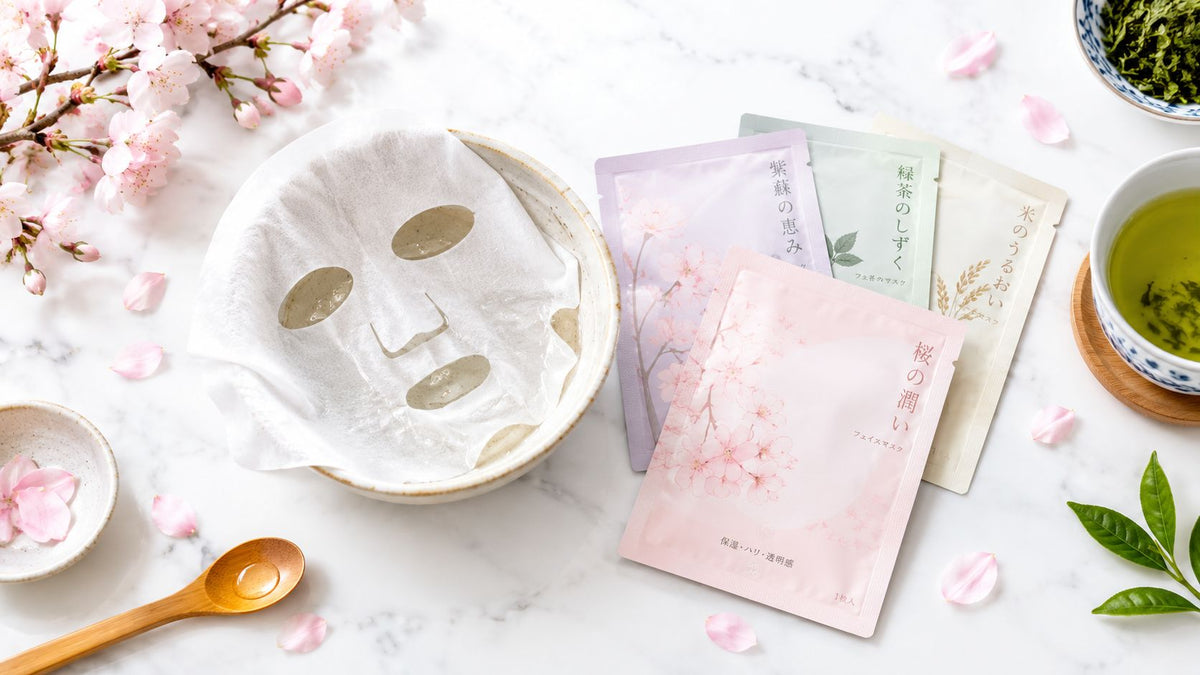
Finding a gift can feel harder than it should. You want something thoughtful, useful, and memorable, but a lot of gift guides end up repeating the same ideas: generic souvenirs, novelty snacks, or items that look fun for a day and then disappear into a drawer.

That’s why so many shoppers start looking at Japan. Japanese gifts often carry a different kind of care. The product itself matters, but so do the details around it: how it’s made, how it’s packaged, how it fits into daily life, and what it says about the person giving it.

If you’re searching for cool gifts from japan, it helps to know more than just product names. It helps to understand why certain gifts are so loved in Japan, which categories work for different people, and how to spot options that feel authentic rather than touristy. That’s especially useful if you’re shopping for beauty lovers, food fans, or someone who values sustainable design. For a deeper look at premium beauty gifting, luxury Japanese skincare brands are a strong place to start.

Beyond the Ordinary What Makes Japanese Gifts Special

A Japanese gift often feels more personal because it usually solves two problems at once. It’s enjoyable, and it shows consideration. A box of regional sweets is delicious, but it also says you thought about taste. A skincare set is practical, but it also says you noticed what the person uses.

That mindset connects closely to omotenashi, a Japanese idea often explained as wholehearted hospitality. In simple terms, it means caring about the other person’s experience before they even ask. In gifting, that shows up in product quality, elegant wrapping, balanced design, and a strong sense of appropriateness.

Why small details matter so much

Many readers get confused here and assume Japanese gifts are always formal or expensive. They aren’t. The difference lies in intention.

A simple item can still feel refined if it has these traits:

  • Useful in daily life. Hair masks, sunscreen, tea, pens, and bath items all fit naturally into real routines.
  • Thoughtful presentation. Japanese packaging often feels calm, neat, and gift-ready without being excessive.
  • Cultural meaning. Some products connect to seasonal customs, home rituals, or ideas of care and good fortune.

Practical rule: If you’re unsure what to buy, choose something the recipient will actually use within a week. Japanese gifts often work best when beauty meets usefulness.

Why Japan stands out for global shoppers

Japan has a strong reputation for consistency. That matters when you’re buying from abroad. People aren’t just looking for something “from Japan.” They’re looking for items that reflect Japanese standards of formulation, craftsmanship, and everyday design.

That’s why categories like skincare, snacks, kitchen tools, and home goods perform so well as gifts. They carry a sense of authenticity without requiring the recipient to already know a lot about Japanese culture.

The Art and Culture of Japanese Gifting

In Japan, giving a gift isn’t only about the object. It’s also about timing, respect, and relationship. A gift can express thanks, mark a season, acknowledge support, or maintain a personal bond. That helps explain why gifting remains such an important part of everyday culture.

A neatly wrapped square gift box adorned with a delicate paper crane and elegant mizuhiki ribbon ties.

According to Statista’s overview of Japan’s gift retail market, Japan's gift market value reached approximately 11 trillion Japanese yen in 2024, a nearly 10% expansion from 2015. The same source ties that importance to deep-rooted customs including o-chugen and o-seibo, seasonal gift-giving traditions connected to mid-year and year-end gratitude.

O-chugen and o-seibo in plain English

If those words are new to you, here’s the easy version.

  • O-chugen refers to summer gifts, often sent to show appreciation.
  • O-seibo refers to year-end gifts, usually given as thanks for support over the year.

These traditions help people maintain relationships with family, mentors, clients, and close connections. That’s one reason many Japanese gifts feel practical rather than flashy. They’re meant to be received warmly and used with pleasure.

For readers who want the social side explained more clearly, Japanese gift-giving etiquette is helpful background.

The role of omotenashi in a wrapped gift

Omotenashi also shapes how gifts are chosen and presented. The wrapping matters because it signals care. The category matters because the giver thinks about what suits the occasion. Even a modest gift can feel special when it reflects attention to the other person.

That’s why Japanese gifting overlaps so naturally with lifestyle products. A hand cream, tea tin, incense set, or kitchen tool can all feel meaningful if the fit is right.

In Japan, a good gift often says, “I noticed what would make your day better.”

This thoughtful quality also appears in traditional arts. If you enjoy gifts that carry quiet symbolism and a sense of patience, the rich history of Bonsai trees offers useful context for how Japanese culture values care, time, and form.

Discover Top Japanese Gift Categories

Some of the best cool gifts from japan aren’t dramatic. They’re the things people keep reaching for. A hair treatment that feels salon-grade at home. A snack box with flavors that feel playful but polished. A pen that writes so smoothly it changes how someone feels about note-taking.

A minimalist flatlay of Japanese skincare products, including a spray bottle, a soap bar, and a tube.

Japanese beauty and skincare gifts

Beauty is one of the easiest Japanese gift categories to get right because many products are designed around comfort, texture, and routine. They feel luxurious without demanding expertise.

A few strong examples include Shiseido Fino Premium Touch Hair Mask, which makes a good gift for someone who enjoys hair care rituals, Hada Labo Gokujyun Lotion, which suits people who like hydration-focused skincare, and Shiseido Anessa Perfect UV Sunscreen, a practical gift for daily use.

These gifts work well because they don’t feel random. They fit into habits people already have.

Snacks and sweets with cultural meaning

Food is a prominent feature in Japanese gifting. During Japan’s summer chūgen season, Nippon.com’s survey on gift preferences reports that packaged foods make up 68.1% of gifts sent, while consumers prioritize quality and taste at 68.9% and price at 52.7%. The same source notes that KitKat gift sets typically range from 300 to 3,000 yen, and their name sounds close to a Japanese phrase associated with success, which helped make them an iconic gift.

That helps explain why sweets from Japan are more than just snacks. They often carry a social role.

Good giftable examples include Glico Pocky, Meiji chocolate snacks, and Kit Kat Japan assortments. If you’re buying for someone who likes savory treats too, Japanese rice snacks give you another easy route.

A Japanese snack gift works best when it feels curated, not random. Choose a few items with different textures or flavors instead of one oversized novelty pack.

Stationery that feels better to use

Japanese stationery is one of those gift categories people underestimate until they try it. A notebook that opens cleanly, a pen that glides well, or a compact organizer can feel surprisingly special.

MUJI gel pens are a simple example. They’re minimal, useful, and easy to pair with a notebook or pouch. This kind of gift works especially well for students, writers, teachers, and coworkers.

Kitchen and home goods with real staying power

Kitchen tools make excellent gifts because they combine craftsmanship with daily use. That’s especially true in Japan, where even smaller tools often reflect serious attention to balance and material.

Examples worth considering include Kitchen One cooking tools, Pearl Metal kitchen goods, and MUJI home essentials.

Fragrance, bath, and comfort gifts

For someone who likes calm, sensory gifts, Japan offers a softer alternative to flashy gift sets. Bath salts, hand creams, and light fragrance products feel personal without being too intimate.

Products such as Yuskin hand care items, Fiancée fragrance products, and Bathclin-style bath products through Japanese bath collections are useful examples of gifts that invite a slower daily ritual.

How to Choose the Perfect Japanese Gift

A lot of gift shopping stress comes from starting with the product instead of the person. It’s easier to choose well when you begin with three questions: What does this person enjoy? What kind of occasion is this? How easy should the gift be to use right away?

Match the gift to the recipient

Some recipients are easy to read. Others aren’t. A simple framework helps.

  • For the skincare enthusiast. Choose products that fit an existing routine, such as hydration, cleansing, sun care, or hair repair. Hada Labo, Fancl, Shiseido Fino, Canmake, and Minon are approachable names.
  • For the foodie. Snack assortments, chocolates, tea, curry mixes, or premium condiments are usually safer than highly unusual flavors.
  • For the home-minded friend. Look at mugs, bath items, kitchen tools, or simple lifestyle pieces from MUJI or similar brands.
  • For a thank-you gift. Smaller beauty items, sweets, or elegant practical goods often feel more appropriate than something overly personal.

Think about effort on the recipient’s side

People sometimes choose a gift because it looks interesting, then forget to ask whether the other person will know how to use it. That matters.

A sunscreen, hair mask, snack set, or hand cream asks very little of the recipient. A highly specific beauty item or specialized cooking tool may be perfect, but only if it matches the person well.

Buyer’s shortcut: When you’re uncertain, choose gifts with a low learning curve and a high chance of daily use.

Japanese Gift Ideas by Price

Price Tier Beauty & Skincare Snacks & Food Lifestyle & Home
Under $25 Canmake makeup, Hada Labo lotion, Yuskin hand care Pocky, Meiji sweets, Kit Kat Japan packs MUJI stationery, small bath items
$25–$75 Shiseido Fino set, Fancl skincare, Anessa sun care Curated snack box, premium tea and sweets mix MUJI home goods, fragrance and bath gift set
Over $75 Multi-step skincare bundle with brands like Shiseido d Program or Kanebo DEW Larger seasonal food hamper Premium kitchen tools or a larger home and wellness bundle

If you’re comparing stores before you buy, best online Japanese stores can help you understand what to look for in authenticity, range, and shipping clarity.

Choose based on occasion, not just taste

A birthday gift can be more personal. A holiday gift can be more generous. A thank-you gift should usually be elegant but not too intimate.

That’s where Japanese gifting philosophy helps. The best choice isn’t always the most expensive or most dramatic. It’s the one that feels appropriate, useful, and carefully chosen.

Sustainable and Mindful Gift Choices from Japan

A lot of gift guides still assume that “cool” means quirky snacks, plastic trinkets, or novelty souvenirs. That misses a growing group of shoppers who want gifts with less waste, more usefulness, and longer life after unboxing.

A traditional Japanese gift wrapped in floral fabric next to a bamboo whisk and a ceramic tea mug.

According to this discussion of unique small souvenirs from Japan, there’s a 25% year-over-year increase in global searches for "sustainable Japanese cosmetics". The same source points to interest in options like & Honey’s zero-waste packaging and refillable skincare from Hada Labo.

What mindful gifting looks like in practice

A sustainable gift doesn’t have to look rustic or overly serious. In Japanese beauty and lifestyle categories, it often looks polished and modern.

Good examples include:

  • Refill-friendly skincare. Products from lines such as Hada Labo appeal to shoppers who want less packaging waste over time.
  • Naturally themed hair care. &honey products are popular with people who want beauty gifts that feel soft, sensory, and more considered.
  • Plant-forward care items. Botanist hair and body care fits nicely into this category for recipients who value gentle, everyday use.
  • Long-use wellness gifts. Bath products, reusable home items, and simple self-care tools usually outlast novelty purchases.

Why this category matters now

Mindful gifting works especially well when the recipient already cares about ingredient choices, refill habits, or reducing clutter. These gifts also travel better across cultures because they’re grounded in routine, not niche symbolism.

For readers interested in wellness-style gifting, bath salt in Japan is another strong entry point. Bath products often feel indulgent, but they can still be practical and low-pressure to enjoy.

A mindful gift from Japan often feels quieter than a novelty souvenir, but it usually lasts longer in the recipient’s life.

Your Practical Guide to Buying Gifts from Japan

You find a gift online that looks beautiful, the photos are polished, and the description sounds promising. Then the practical questions start. Is it authentic. Will it travel well. Will the labels make sense. Is it the kind of gift the recipient will use.

A person holding a tablet displaying a website called Buy Me Japan featuring elegant traditional gift boxes.

That uncertainty is normal. Buying gifts from Japan gets much easier once you sort choices by purpose instead of chasing every famous name at once.

Start with use, then narrow the options

A practical Japanese gift usually fits into one of four everyday lanes. Personal care, food, home items, or tools.

From there, ask a few simple questions:

  1. What will the recipient do with it? A daily-use item usually lands better than something highly specific.
  2. How easy is it to pack and ship? Smaller skincare items, packaged sweets, tea, incense, and compact home goods are often simpler choices.
  3. Will the product naming be clear enough to verify? Japanese products often come in multiple versions, scents, strengths, or seasonal editions.
  4. Does it match your values as well as theirs? If you want a more mindful gift, long-use items with refill systems, durable materials, or low-waste packaging are often stronger choices than novelty souvenirs.

This approach works like shopping by lifestyle rather than by hype. It saves time, and it usually leads to gifts that stay useful after the unboxing moment.

Check authenticity where quality changes the experience

Authenticity matters most in categories where formulation, material quality, or craftsmanship affect daily use. Skincare, incense, tea tools, and kitchen goods are good examples.

For kitchen tools, material details can tell you a lot. This overview of what to buy in Japan notes that high-quality Japanese kitchen tools often use high-carbon stainless steel, carefully designed blade geometry, and layered construction that improve cutting performance and long-term durability. In plain terms, such a version does not just look better on a shelf. It usually feels better in the hand and lasts longer in the kitchen.

The same logic applies to quieter gift categories. With Japanese incense brands like Nippon Kodo and Shoyeido, authenticity shapes the fragrance balance, burn quality, and overall atmosphere. A good incense gift is less like a trinket and more like bringing a small ritual into someone’s home.

Keep the buying process simple

You do not need expert-level knowledge of Japanese retail to choose well. You need a short list, a clear reason for each item, and a realistic sense of shipping.

A small bundle often works especially well. Pair tea with sweets, incense with a tray, or a useful beauty item with a refill or reusable accessory. That kind of set reflects a very Japanese idea of care. It is close in spirit to omotenashi, the habit of thinking ahead for the other person’s comfort and experience.

If you are buying with sustainability in mind, this is also the point where quality matters most. One durable, well-made item that gets used for months is often a more thoughtful gift than several cheaper pieces that create clutter.

For a closer look at how shoppers browse and buy across devices, this short video is useful:

Give the Gift of Japanese Quality and Care

The appeal of cool gifts from japan isn’t only that they’re different. It’s that many of them feel considered. They bring together quality, usefulness, presentation, and a quiet sense of care that stands out in a crowded gift market.

That gives you plenty of room to choose based on the person, not just the trend. You might go with skincare from names like Hada Labo, Shiseido Fino, Fancl, or Canmake. You might choose snack gifts that reflect Japan’s strong food-gifting culture. Or you might lean into thoughtful home and wellness items that feel calm and lasting.

If you want to explore another understated category with strong cultural depth, Japanese incense brands like Nippon Kodo and Shoyeido are worth reading about. They show how even a small gift can carry atmosphere, ritual, and craftsmanship.

The best Japanese gift usually isn’t the loudest one. It’s the one that makes the recipient feel seen.


If you’re ready to shop with more confidence, Buy Me Japan makes it easier to browse authentic Japanese beauty, snacks, and lifestyle gifts in one place, with direct shipping from Japan and product options that suit both first-time buyers and longtime fans of Japanese culture.

Latest Stories

すべて見る

Red Clay Mask: Benefits, Usage, & Skincare Tips

Red Clay Mask: Benefits, Usage, & Skincare Tips

Unlock the benefits of a red clay mask for your skin. Learn how to use it, compare it to other clays, and find Japanese beauty tips.

もっと読むRed Clay Mask: Benefits, Usage, & Skincare Tipsについて

Japanese Eye Patch Guide for Brighter, Youthful Eyes

Japanese Eye Patch Guide for Brighter, Youthful Eyes

Discover the secret to refreshed eyes with our guide to the Japanese eye patch. Learn about ingredients, types, and how to choose the best for you.

もっと読むJapanese Eye Patch Guide for Brighter, Youthful Eyesについて

Mastering Sashimi Soy Sauce: Your Guide to Authentic Shoyu

Mastering Sashimi Soy Sauce: Your Guide to Authentic Shoyu

Find the perfect sashimi soy sauce. Our guide details authentic Japanese shoyu types, ideal pairings, and how to buy genuine products directly from Japan.

もっと読むMastering Sashimi Soy Sauce: Your Guide to Authentic Shoyuについて