You're standing in front of a Japanese shampoo shelf, comparing floral bottles, unfamiliar labels, and words such as moisturizing, damage repair, and color care. The choice looks simple until you notice that Ichikami isn't one universal formula in practice. The better question is not whether Ichikami Kracie shampoo is “good,” but which version matches your hair texture, finish preference, scent tolerance, and level of cosmetic damage.

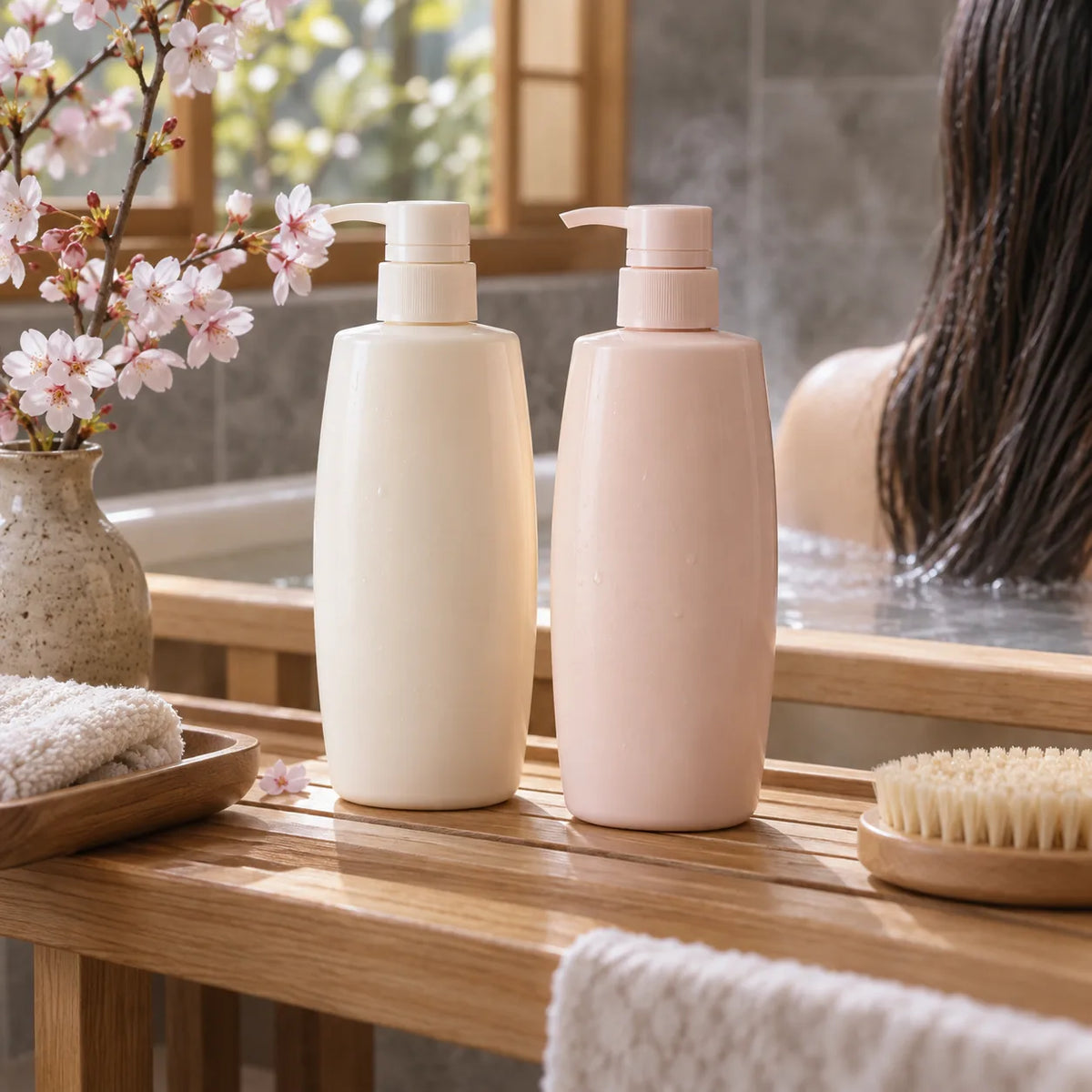
A bottle of Ichikami smoothing shampoo by Kracie featuring floral designs standing on a wooden surface.

Introduction to Ichikami Kracie Shampoo and Who It Suits

A shopper with fine, dry ends may want softness without a heavy coating. Someone with wavy hair may care more about detangling and reduced surface roughness, while a fragrance-sensitive customer may begin with the words “botanical” and “sulfate-free,” then discover that the formula still has a noticeable scent. Those are different needs, so treating every Ichikami bottle as interchangeable can lead to a disappointing purchase.

Ichikami is a Japanese haircare brand from Kracie, built around a cleansing-and-conditioning approach that combines mild surfactants with rice-derived and other botanical ingredients. The line is often discussed for its smooth finish, manageable feel, and Japanese drugstore appeal, but its variants and ingredient details matter more than broad claims about shine or natural care.

This guide breaks the choice into practical questions:

  • What is the formula designed to do?
  • How do the variants differ in finish and intended use?
  • What can the ingredients suggest, and what can't they prove?
  • Is the scent suitable for your routine?
  • How should international shoppers choose a size and verify the product?

Buy Me Japan is a trusted Japanese online store focused on making authentic Japanese products accessible through a convenient, reliable shopping experience. Its range covers Japanese beauty, haircare, cosmetics, food, drinks, and lifestyle products, giving international shoppers a practical place to check current product details rather than relying only on translated marketplace listings.

The most useful way to approach Ichikami is as a variant-based system. Start with your hair's behavior after washing, then consider softness, frizz, tangling, chemical treatment, curl pattern, and scent preference. That process is more reliable than choosing a bottle because its packaging looks gentle.

How Ichikami Became a Japanese Drugstore Staple

A shopper browsing a Japanese drugstore may see Ichikami in several bottles, refill packs, and care formats. That variety reflects the brand's history. Kracie launched Ichikami in September 2006, presenting it as haircare with a distinctly Japanese identity. Kracie later reported that the series had passed ¥10 billion in annual sales by 2015, documenting how a locally positioned shampoo line grew into a major franchise. Kracie's Ichikami renewal release

The range developed beyond a single shampoo. Conditioners, treatments, and other formats let shoppers build a routine around the same brand concept while choosing a different level of softness, weight, or manageability. That expansion helps explain why Ichikami is better understood as a variant-based system than as one universal formula.

Why the long history matters

International shoppers may encounter a product online without knowing whether it is an established domestic item or a short-lived release. Ichikami's continued presence gives useful context. Kracie disclosed in 2026 that the series had shipped more than 450 million units and received 89 beauty awards across its brand history. The 2026 brand announcement presents these figures alongside Ichikami's 20-year history in 2026.

A long sales history cannot predict how a particular bottle will behave on fine, coarse, curly, colored, or heavily damaged hair. It does show that the brand has remained visible in the accessible premium part of the Japanese drugstore and supermarket market. For a shopper, that distinction matters. Brand longevity supports confidence that the line is established, while the ingredient architecture and intended finish determine personal fit.

An actively maintained brand

Ichikami remains an active brand rather than a discontinued formula kept alive only by old listings. A 2026 Kracie press release marked the anniversary and confirmed continuing official web and social activity. Kracie's current Ichikami brand announcement also indicates ongoing campaign activity and official support.

This matters when buying from outside Japan. Packaging, refill formats, and variant names can change, so an older review may describe a different bottle from the one currently offered. Check current product information and match the variant to your hair's behavior, damage level, and scent tolerance. That extra step can prevent a familiar brand name from becoming an unsuitable purchase.

Ichikami's appeal comes from combining a recognizable Japanese identity with several care options. Its history explains the shelf presence, but it does not promise that one shampoo will solve every concern. Choose the specific formula, not merely the brand.

Inside the Formula and How It Cleans Without Harshness

The easiest way to understand Ichikami's standard shampoo architecture is to separate cleansing from after-wash feel. The cleansing side uses a silicone-free, sulfate-free system built around mild surfactants, including TEA lauroyl sarcosinate, betaine surfactants, and amino-acid-derived surfactants. The Ichikami ingredient listing identifies this type of surfactant structure.

A person pouring clear liquid shampoo from a pink Ichikami Kracie bottle into their open palm.

Surfactants are the ingredients that help water lift oil, sebum, and styling residue from the hair and scalp. Think of them as tiny connectors between water and oily residue. A milder blend can still cleanse effectively, while aiming to reduce the stripped, squeaky sensation some people associate with stronger detergent systems.

That doesn't mean the shampoo will feel identical for everyone. Hair density, oil production, styling products, water hardness, and how thoroughly you rinse all affect the result. “Sulfate-free” describes one formulation choice, not a guarantee of zero dryness or universal compatibility.

The conditioning side

Ichikami's botanical-lipid matrix includes rice bran oil, rice germ oil, rice bran extract, camellia seed extract, apricot kernel oil, and tea flower extract. Kracie's official product information also lists conditioning polymers such as polyquaternium-7, polyquaternium-10, polyquaternium-49, and guar hydroxypropyltrimonium chloride. Kracie's official Ichikami shampoo information provides the relevant ingredient context.

These materials help explain why the shampoo can feel smoother after rinsing. Cationic conditioning polymers are attracted to the negatively charged areas that can develop on the hair surface, especially where the fiber feels rough. They can create more slip, making strands easier to separate during combing, while oils and botanical extracts contribute to a softer, shinier cosmetic finish.

Practical rule: A shampoo can be mild in its cleansing system and still feel rich because the after-wash experience depends on both cleansing agents and conditioning deposits.

The distinction matters for shoppers who confuse silicone-free with residue-free or weightless. A silicone-free formula can still use oils, polymers, and other conditioning materials. If your hair is very fine, start with a modest amount and observe whether the roots remain light. If your hair tangles easily, the same conditioning character may be welcome.

For a clearer explanation of how cleansing strength fits into a broader wash routine, see this guide to what clarifying shampoo is.

The following video can help you visualize the product texture and application style before choosing a routine.

Choosing the Right Ichikami Variant for Your Hair Type

Choosing Ichikami starts with the result you want after drying, not with the most appealing label. “Moisturizing” usually points toward softness and manageability. “Damage Repair and Color Care” is more relevant when treated lengths need a smoother cosmetic finish. The Premium line moves further into a specialized texture story, with fermented rice and silk-related positioning.

Those descriptions should be read carefully. Botanical oils, rice extracts, fermented ingredients, and silk-related materials may support conditioning, softness, and surface feel. They shouldn't be treated as proof of bond repair or structural reconstruction, especially when you're evaluating chemically treated or fragile hair.

A practical comparison

Variant Best For Key Botanical Focus Finish and Feel
Moisturizing Dry-feeling lengths, everyday softness, and hair that needs easier detangling Rice bran ingredients, rice-derived oils, camellia, apricot kernel, and tea flower elements Soft, smooth, and conditioned
Damage Repair and Color Care Chemically treated hair or shoppers prioritizing a polished surface Rice-derived ingredients and conditioning botanicals selected for manageability Smoother, more polished, and designed for a cared-for feel
The Premium Shoppers seeking a richer, more specialized Japanese haircare experience Fermented rice and silk-related ingredients More premium-positioned softness and finish

The table is a starting point, not a strict hair-type rule. Wavy and curly hair often benefits from reduced friction because tangling can make the wash process rougher. However, a shampoo that leaves the surface very conditioned may feel too heavy on fine waves, especially if you apply too much or use a rich conditioner at the same time.

For oily roots, focus on cleansing technique rather than automatically choosing the richest version. Massage the scalp gently, rinse thoroughly, and keep conditioner away from the root area if it makes your hair collapse. This practical guide to the best shampoo approach for an oily scalp offers useful routine context.

Match the variant to the actual concern

  • Your main issue is roughness after washing. Begin with the moisturizing direction and assess softness without adding excessive product.
  • Your hair is colored or chemically treated. The Damage Repair and Color Care variant may make more sense for a smoother, more finished feel, but don't interpret the name as evidence of medical or structural repair.
  • Your hair is wavy or curly. Prioritize slip and detangling, then check whether the finish preserves movement rather than flattening it.
  • Your hair is very fine. Use less product, rinse longer, and consider a lighter conditioning routine.
  • Your hair breaks during brushing. The conditioning system may help reduce combing friction, but careful detangling habits remain essential.

Ichikami is therefore better understood as a set of finish options. Hair that needs softness, hair that needs treated-length manageability, and hair that prefers a more luxurious-feeling formula may all point to different bottles.

How to Use Ichikami Shampoo for Best Results

A good formula can underperform if you apply it directly to a tangled, barely wet head of hair. Ichikami's cleansing and conditioning system works more predictably when you give the shampoo enough water, distribute it across the scalp, and rinse away the loosened residue thoroughly.

Use a simple wash sequence

  1. Wet the hair completely. Let water pass through the roots and lengths before applying shampoo. This loosens surface residue and helps the product spread instead of sitting in concentrated patches.
  2. Start with a modest amount. Work the shampoo between your palms, then place it mainly at the scalp. Add more only if you can't distribute it comfortably. More product isn't automatically better, particularly for fine hair.
  3. Massage with your fingertips. Use the pads of your fingers rather than your nails. Move across the scalp gently, allowing the surfactants to lift oil and residue without aggressive scrubbing.
  4. Rinse longer than you think you need to. Pay attention to the nape, behind the ears, and dense areas near the crown. Incomplete rinsing can make hair feel heavy regardless of the formula.
  5. Condition the lengths. Apply a matching conditioner or treatment from the mid-lengths toward the ends. Detangle with your fingers first, then use a suitable comb if needed.
  6. Blot instead of rubbing. Press water from the hair with a towel. Rough towel movement can create extra friction before styling even begins.

For a more intensive conditioning step, you can explore the Ichikami hair mask guide, while keeping the amount suited to your hair's density and finish preference.

Understand the package formats

Kracie's official English shampoo page lists the core formats as Pump 450mL, Refill 320mL, and Double refill 640mL, and states that the product is made in Japan. The official Ichikami shampoo page is useful for checking these package details.

The Damage Repair and Color Care shampoo uses the same core size set, Pump 450mL, Refill 320mL, and Double refill 640mL, according to Kracie's official variant page. The Damage Repair and Color Care product page can help you compare formats before ordering.

If you're trying a variant for the first time, begin with the format that lets you evaluate the finish without overcommitting. Once you know the texture suits your hair, refills can be a practical way to continue the same routine.

Patch test any new personal-care product when appropriate, and stop using it if you experience discomfort. Product labels can change, so check the current packaging and ingredient list before purchase.

What to Know About Scent Sensitivity and Gentle Claims

“Botanical,” “plant-based,” and “sulfate-free” can sound reassuring, but none of those terms means fragrance-free or hypoallergenic. Public ingredient disclosures for Ichikami show a formula that includes fragrance, ethanol, and multiple conditioning polymers, so the relevant tradeoff is more specific: you may get a mild-feeling cleanser with a noticeable scent and smooth slip, but that doesn't make it suitable for every sensitive or fragrance-averse user. Ingredient-focused Ichikami coverage highlights this distinction.

Read “gentle” as a formulation clue

A sulfate-free cleansing system may feel less stripping for some users, particularly when compared with stronger detergent-heavy products. Still, scalp comfort depends on the whole formula and the individual user. Fragrance and ethanol can be important considerations for people who already know their skin reacts to scented personal-care products.

Conditioning polymers also deserve a balanced explanation. They can improve slip and reduce the rough feel that makes detangling unpleasant, yet a user who prefers a very clean, weightless finish may perceive the result as coated or too smooth. That's a preference and hair-type question, not evidence that the product is unsuitable for some users.

Label-reading habit: Treat “natural” as a description of selected ingredients, not as a promise of zero irritation.

If you're comparing scented haircare with fragrance-conscious bath and body choices, this resource on sensitive skin bath bombs offers helpful context about why fragrance-free shoppers often inspect labels closely across an entire routine.

Who should pause before buying

  • Fragrance-averse shoppers may prefer to smell the product in person when possible or choose a clearly fragrance-free alternative.
  • Reactive-skin shoppers should review the current ingredient label and patch test rather than assuming botanical ingredients are automatically gentle.
  • People who dislike ethanol in haircare should check the label before ordering, since its presence is part of the disclosed formula context.
  • Users who want a weightless finish should begin with a small amount and avoid pairing every rich product in the line at once.

For broader routine ideas, see Buy Me Japan's guide to Japanese scalp care products. The key point is simple: Ichikami may suit shoppers who prioritize softness, detangling, and scent, but those preferences don't automatically align with a fragrance-free or highly reactive-scalp routine.

Final Takeaways and Where to Find Authentic Ichikami

Choosing Ichikami works best as a matching exercise, not a search for one shampoo that suits everyone. Start with the finish you want and the condition of your lengths. The moisturizing variant fits everyday softness, Damage Repair and Color Care are aimed at treated lengths, while The Premium offers a richer experience centered on fermented rice and silk-oriented ingredients.

Treat the lineup like a small wardrobe. A lighter option may feel more comfortable on hair that becomes weighed down, while a richer formula can make dry lengths easier to detangle. Scent tolerance matters too, so shoppers who are sensitive to fragrance should check the current label and, where possible, smell the product before buying.

Earlier sections explain how conditioning ingredients affect feel and why botanical or sulfate-free wording does not settle questions about fragrance sensitivity or individual tolerance. Use that information alongside your own hair history rather than judging every Ichikami variant by a general smoothness claim.

Authenticity and product details deserve the same care as formula selection. Buy Me Japan presents Japanese products through official suppliers in Japan. Its Japanese products collection guide can help international shoppers browse categories and review current information. Before ordering, confirm the variant name, package format, ingredient list, and available product details.

Buy Me Japan carries Japanese beauty and haircare products, including Ichikami selections, with tracked shipping, secure payments, and customer service. Once the finish and scent profile match your needs, visit Buy Me Japan to check the current Ichikami range.

最新のストーリー

すべて見る

Ichikami Kracie Shampoo Guide to Variants and Care

Ichikami Kracie Shampoo Guide to Variants and Care

Discover Ichikami Kracie shampoo variants, ingredients, how to use it, and who it suits best. Get practical tips and buying guidance from Buy Me Japan.

もっと読むIchikami Kracie Shampoo Guide to Variants and Careについて

Hair Conditioner Japan: Top Ingredients and Picks for 2026

Hair Conditioner Japan: Top Ingredients and Picks for 2026

Discover the best hair conditioner Japan offers in 2026. Learn about types, key ingredients, and top picks for healthy, silky hair.

もっと読むHair Conditioner Japan: Top Ingredients and Picks for 2026について

Japanese Hand Cream for Dry Skin How to Choose Wisely

Japanese Hand Cream for Dry Skin How to Choose Wisely

Learn how Japanese hand cream for dry skin works, what ingredients to choose, textures to prefer and how to build a routine for soft, comfortable hands.

もっと読むJapanese Hand Cream for Dry Skin How to Choose Wiselyについて