

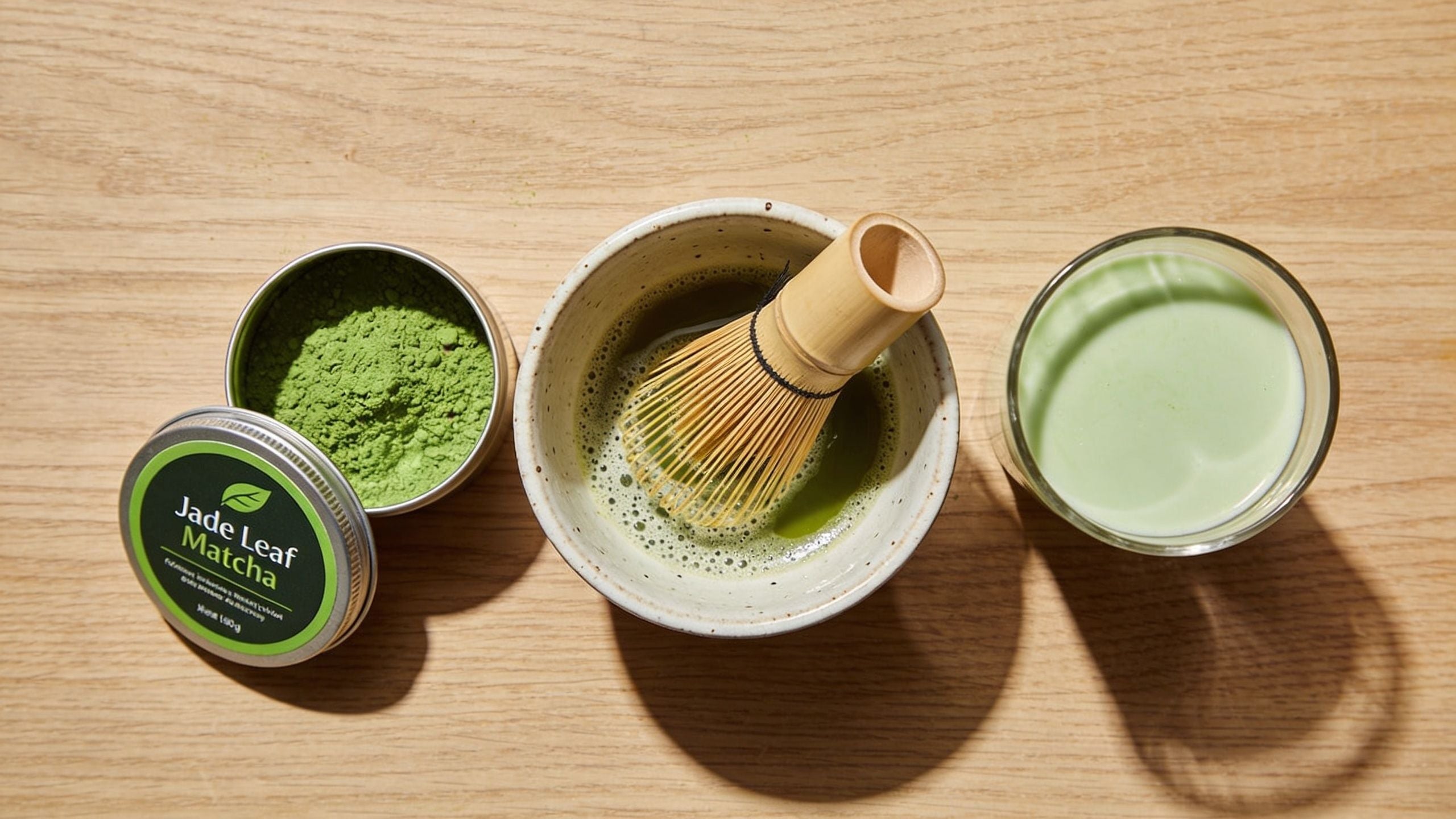
Pewnie już wcześniej spotkałeś się z taką sytuacją. Zamawiasz matcha latte w kawiarni, decydujesz, że powinieneś zrobić je w domu, otwierasz kartę zakupów i od razu napotykasz ścianę terminów takich jak ceremonialna, kulinarna, organiczna, Uji, mieszanka do latte i barista blend. Potem Jade Leaf pojawia się wszędzie, co rodzi oczywiste pytanie. Czy jest dobra, czy po prostu jest widoczna?
Dlatego właściwa recenzja matchy Jade Leaf ma znaczenie. Jade Leaf stał się jedną z najbardziej rozpoznawalnych nazw na rynku amerykańskim, a The Quality Edit opisuje go jako „markę matcha numer 1 w USA” i zauważa „ponad 80 000 pięciogwiazdkowych recenzji na Amazon” w swojej recenzji historii wzrostu i pochodzenia marki przez Kizuna Tea Collective, sieć rodzinnych gospodarstw z tradycjami sięgającymi 1858 roku w japońskiej tradycji herbacianej (szczegóły recenzji Jade Leaf).
Widoczność nie oznacza automatycznie jakości. Zwykle oznacza wygodę, dystrybucję i silną pozycję na rynku. W przypadku matchy ta różnica ma znaczenie, ponieważ ten sam proszek, który sprawdza się w mrożonym latte, może nie spełnić oczekiwań, gdy ubijesz go na czysto. Jeśli dopiero się orientujesz, warto też poznać szersze rodzaje japońskiej herbaty zanim zbyt szybko oceniasz jedną markę.
Twój przewodnik po świecie matchy
Wielu pierwszych kupujących sięga po matchę z kawy, a nie z ceremonii herbacianej. Chcą czegoś łagodniejszego rano, czegoś, co jest trochę delikatniejsze i czego mogą przygotować przed pracą, nie zamieniając kuchni w przestrzeń rytuału.
Jade Leaf dobrze pasuje do tego punktu startowego. To jedna z tych marek, które ludzie zauważają na początku, ponieważ łączy dostępność z japońskim pochodzeniem. To połączenie sprawia, że często pojawia się wśród początkujących.
Bardziej przydatne pytanie to nie czy Jade Leaf jest „dobre” w abstrakcyjnym sensie. Chodzi o to, czy pasuje do rodzaju napoju, który chcesz przygotować. Niektórzy chcą jasnej, ubitej miseczki z bardzo małą goryczką. Inni szukają proszku, który poradzi sobie z mlekiem owsianym, lodem, syropem waniliowym lub butelką do blendera.
Dlaczego matcha myli początkujących
Zamieszanie zwykle zaczyna się od faktu, że nie każda zielona herbata jest przetwarzana tak samo. Matcha to herbata uprawiana w cieniu, mielona na kamieniach w proszek, a ten sposób produkcji zmienia smak, teksturę i sposób przygotowania. Jeśli chcesz szybkie przypomnienie o różnicach w uprawie Camellia sinensis, ta wiedza pomaga zrozumieć, dlaczego matcha zachowuje się tak inaczej niż zielona herbata liściasta czy herbata w torebce.
Matcha nagradza odpowiednie zastosowanie. Większość rozczarowań wynika z użycia niewłaściwej jakości do niewłaściwego napoju.
Co sprawia, że Jade Leaf warto recenzować
Jade Leaf ma znaczenie, ponieważ zajmuje praktyczną środkową pozycję. Jest reklamowana jako autentyczna japońska matcha wytwarzana w Japonii, ale jest też pakowana i prezentowana do codziennej zachodniej rutyny. Oznacza to, że musi sprawdzać się w domowych latte, smoothie i szybkich porannych przygotowaniach, nie tylko w miseczce do herbaty.
To właśnie tam zaczynają się kompromisy. Wygodna marka może być nadal mądrym wyborem. Po prostu warto wiedzieć dokładnie, gdzie błyszczy, a gdzie nie.
Zrozumienie pochodzenia i jakości Jade Leaf
Pozycjonowanie produktów Jade Leaf jest dość proste, gdy odrzucimy marketingowe słowa. Kluczową informacją jest pochodzenie. Marka podaje, że pozyskuje z japońskich regionów Uji i Kagoshima, co ma znaczenie, ponieważ kupujący często używają regionu jako przybliżonego wskaźnika stylu i oczekiwanego kierunku smakowego.
Uji ma silną reputację w matchy, ponieważ pijący często kojarzą ją z pełniejszym profilem umami i mniejszą ostrością. Kagoshima to także ważny region produkcji herbaty i często pojawia się w nowoczesnym, skalowalnym pozyskiwaniu matchy. Sama pochodzenie nie gwarantuje smaku, ale daje kontekst.
Podział na jakości jest ważniejszy niż nazwa marki
Najważniejsze, co trzeba zrozumieć w każdej recenzji Jade Leaf, to że Jade Leaf powinno się oceniać według jakości, a nie jako jeden produkt. Jej style ceremonialny i kulinarny nie są wymienne.
Podsumowanie recenzji dotyczące matchy składnikowej Jade Leaf wskazuje, że jej kulinarna jakość może wykazywać gorycz i ściągający smak zgodny z profilem liścia zbieranego później, podczas gdy wersja ceremonialna jest łagodniejsza i lepiej nadaje się do bezpośredniego picia (szczegóły matchy składnikowej Jade Leaf).
To pokrywa się z tym, jak matcha zwykle zachowuje się w praktyce. Jeśli ubijesz kulinarną matchę bezpośrednio z wodą i oczekujesz miękkiej, słodkiej miseczki, prawdopodobnie uznasz markę za zbyt ostrą. Jeśli użyjesz tego samego proszku do latte lub przepisu na pieczenie, mocniejszy profil nagle nabiera sensu.
Jade Leaf Matcha – przegląd jakości
| Jakość | Color | Profil smakowy | Najlepsze do |
|---|---|---|---|
| Ceremonialne | Jasniejsza zieleń | Łagodniejsze, mniej ostre, łatwiejsze do picia na czysto | Usucha, mrożona matcha, czystsze latte |
| Kulinarne / Składnik | Bardziej stonowana zieleń | Więcej goryczy, więcej ściągającego smaku, mocniejsza krawędź | Pieczenie, smoothie, napoje mieszane, słodzone latte |
| Mieszanka do latte | Mieszanka w proszku zamiast czystego doświadczenia matchy | Słodsze, bardziej nastawione na wygodę | Szybkie napoje w stylu kawiarni w domu |
Co każda jakość faktycznie robi dobrze
Ceremonialne sprawdza się, gdy matcha jest najważniejsza
Jeśli chcesz poczuć smak samej herbaty, to jest wersja do wyboru. To bardziej wyrozumiała opcja, gdy przygotowujesz ją tylko z wodą, i daje jaśniejszy obraz liścia niż mleko czy słodzik. W napojach na zimno również zwykle pozostaje czystsza i mniej mętna na podniebieniu.
To nie oznacza, że jest tylko dla purystów. Sprawia też, że niskocukrowe latte są lepsze, bo nie walczysz tak bardzo z goryczą.
Kulinarne sprawdza się, gdy przepis potrzebuje charakteru
Grade kulinarny jest niesprawiedliwie krytykowany przez osoby, które używają go niewłaściwie. Jego zadaniem nie jest elegancja. Jego zadaniem jest przetrwać w towarzystwie innych składników.
Używaj go do:
- Napoje z dużą ilością mleka, gdzie herbata musi pozostać wyczuwalna
- Smoothie, gdzie owoce, białko lub jogurt zdominują delikatną matchę
- Pieczenie, gdzie ciepło i cukier i tak zmieniają smak
- Desery takie jak naleśniki matcha, ciasta czy ciasteczka
Mieszanka do latte to wygoda, nie czystość
To dla kupujących, którzy chcą szybkiego przygotowania i słodszego profilu w stylu kawiarni. Może być przydatne dla osób, które nie chcą od razu mierzyć proszku lub uczyć się techniki ubijania. Mniej przydatne, jeśli celem jest prostota składników lub ścisła kontrola nad słodyczą.
Zasada zakupu: Wybierz grade na podstawie finalnego napoju, a nie etykiety, która brzmi najbardziej premium.
Profil smaku i nuty degustacyjne
Pierwszą rzeczą, którą wielu zauważa w Jade Leaf, jest to, że doświadczenie bardzo się różni w zależności od grade'u. Strona ceremonialna jest czystsza i bardziej zrównoważona. Strona kulinarna jest bardziej wyrazista.

Jak ceremonialny grade odczuwany jest w filiżance
Przy odpowiednim przygotowaniu, ceremonialna matcha Jade Leaf trafia do strefy przyjaznej dla początkujących. Zazwyczaj odbierana jest jako lekko ziemista, a nie agresywnie trawiasta, z teksturą, która może być gładka zarówno w gorących, jak i mrożonych napojach, jeśli dobrze się ją ubije. To nie jest hiper-wyrafinowana matcha, która sprawia, że doświadczony smakosz zatrzymuje się i analizuje warstwy umami przez dziesięć minut, ale to nie jest jej rola.
Dla wielu domowych miłośników to zaleta. Łatwiej ją pić codziennie.
Piana i tekstura mają tu większe znaczenie, niż się spodziewają ludzie. Jeśli powierzchnia jest delikatna i kremowa, herbata smakuje łagodniej. Jeśli jest grudkowata, ta sama matcha będzie odczuwana jako bardziej szorstka i gorzka.
Jak smakuje grade kulinarny
Culinary Jade Leaf to miejsce, gdzie zaczynasz dostrzegać ostrzejszą stronę marki. Goryczka i cierpkość są bardziej wyczuwalne, zwłaszcza jeśli spróbujesz go bez dodatków. W mleku jednak ta wyrazistość staje się zaletą. Utrzymuje matchę na pierwszym planie, zamiast znikać za mlekiem owsianym czy słodzikiem.
To czyni go praktyczną matchą do codziennego użytku, a nie do kontemplacji.
Odczucie energii i profil składników
Jednym z powodów, dla których Jade Leaf jest łatwy do polecenia nowym miłośnikom matchy, jest prostota. Recenzja z Japan With Love opisuje go jako 100% czysty organiczny proszek zielonej herbaty bez dodatków i zauważa, że porcja zawiera około 25 do 35 mg kofeiny, później precyzując około 34 miligramów kofeiny, wraz z naturalnie występującym L-teaniną i antyoksydantami takimi jak katechiny (Recenzja kofeiny i składników Jade Leaf).
Dla wielu osób oznacza to bardziej stabilne uczucie niż kawa. Jeśli porównujesz formaty herbat szerzej, ten przewodnik o kofeinie w zielonej herbacie sencha daje przydatny kontekst, jak japońskie zielone herbaty mogą różnić się pod względem pobudzenia i stylu picia.
Kiedy kupujący mówią o „spokojnej koncentracji” przy matcha, zwykle odnoszą się do tego, jak filiżanka działa w czasie, a nie tylko do natychmiastowego efektu kofeiny.
Jak prawidłowo przygotować Jade Leaf Matcha
Większość złego matcha w domu nie wynika tylko z proszku. Wynika z przygotowania. Ludzie pomijają przesiewanie, używają zbyt gorącej wody, mieszają zamiast trzepać, a potem obwiniają herbatę za gorzki i grudkowaty smak.
To szczególnie ważne przy Jade Leaf, ponieważ różnica między akceptowalną a przyjemną miseczką może zależeć od kilku drobnych korekt.

Podstawowa metoda na gładszą miseczkę
Demonstracja związana z przygotowaniem Jade Leaf zaleca najpierw przesiewanie proszku, a następnie mieszanie z ciepłą, nie gorącą wodą ruchem w kształcie M przez 30 do 60 sekund, aby zmniejszyć grudki i poprawić powstawanie piany. Ta sama instrukcja zauważa, że matcha to zawiesina, a nie całkowicie rozpuszczony napój, więc lepsze napowietrzenie poprawia teksturę i percepcję słodyczy (film z metodą mieszania Jade Leaf).
Brzmi to technicznie, ale łatwo to zastosować.
Użyj tego porządku
- Przesiej najpierw, aby proszek się rozbił zanim zetknie się z wodą.
- Dodaj ciepłą wodę, a nie wrzącą.
- Mieszaj energicznie ruchem w kształcie M zamiast kręcić w kółko.
- Przestań, gdy powierzchnia będzie ładna i pienista, a nie gdy każdy drobny pyłek zniknie.
Jeśli nadal uczysz się japońskiej techniki parzenia herbaty, ten przewodnik jak parzyć japońską zieloną herbatę pomoże zrozumieć ogólne zasady obsługi wody i kontrolę smaku.
Co działa dla ceremonialnego, a co nie
Ceremonial Jade Leaf dobrze reaguje na staranne przygotowanie. Przesiej go wcześniej. Utrzymuj umiarkowaną temperaturę wody. Nie przesadzaj z koncentracją, jeśli dopiero zaczynasz pić czysty matcha. Czystsza miseczka zwykle wynika z powściągliwości, a nie z dosypywania dodatkowego proszku.
Nie działa traktowanie jej jak proszku do instant napoju. Jeśli po prostu wsypiesz go do kubka i zalejesz bardzo gorącą wodą, szybko zniszczysz jego lepsze cechy.
Praktyczna zasada: Lepsza tekstura często robi więcej dla smaku niż dodanie słodzika.
Jak używać jakości kulinarnej bez walki z nią
Stopień kulinarny jest łatwiejszy, jeśli przestaniesz oczekiwać od niego cech ceremonialnych. Lepiej sprawdza się w przepisach, gdzie pewna goryczka jest zaletą.
Wypróbuj w:
- Mrożone latte z mlekiem lub jego alternatywą
- Smoothie, gdzie banan, jogurt lub białko łagodzą krawędzie
- Pieczenie, gdzie cukier i tłuszcz łagodzą ostrzejsze nuty
- Płatki owsiane na noc lub pudding chia, jeśli chcesz mocniejszą obecność herbaty
Oto przydatna wizualizacja, jeśli chcesz zobaczyć inny sposób przygotowania w domu, zanim zrobisz swoją pierwszą filiżankę.
Typowe błędy popełniane przez początkujących
- Używanie wrzącej wody, bo tak przygotowują kawę lub herbatę w torebkach
- Pominięcie przesiewania i zastanawianie się, dlaczego napój jest ziarnisty
- Kupowanie stopnia kulinarnego do picia na czysto, bo było tańsze
- Dodawanie zbyt małej ilości płynu do latte i kończenie z mętnym, kredowym napojem
Gdy te problemy zostaną rozwiązane, ocena Jade Leaf staje się znacznie łatwiejsza i sprawiedliwa.
Zalety, wady i ogólna wartość
Wartość Jade Leaf jest realna, ale nie uniwersalna. Zależy od tego, jakim jesteś miłośnikiem matcha.
Dla początkujących zwykle ma to sens, ponieważ bariera wejścia jest niższa. Marka jest widoczna, łatwa do znalezienia i oparta na znanych zastosowaniach domowych. Opinie często opisują ją jako gładką, przystępną i przystępną cenowo do rutyn w stylu kawiarni. Jednocześnie recenzje mainstreamowe nie zawsze porównują ją znacząco z autentycznymi japońskimi opcjami z supermarketów dla kupujących, którzy dbają o niższą zawartość cukru lub bardziej funkcjonalne zastosowania (kontekst recenzji Apartment Therapy).
Gdzie Jade Leaf się sprawdza
- Dostępność: To jedna z najłatwiejszych do znalezienia i zrozumienia marek matcha dla nowych kupujących.
- Wyraźny podział zastosowań: Opcje ceremonialne i kulinarne służą różnym celom, co pomaga, gdy już wiesz, co kupić.
- Przystępność: Ogólny profil jest przyjazny dla początkujących, a nie onieśmielający.
- Wygoda: Dobrze pasuje do domowej rutyny latte.
Gdzie brakuje
- Nie każdy stopień jest uniwersalny: Stopień kulinarny może rozczarować, jeśli używać go bez dodatków.
- Autentyczność ma wiele warstw: Japońskie pochodzenie ma znaczenie, ale samo pochodzenie nie czyni produktu równoważnym z zakupem bezpośrednio na japońskim rynku herbaty.
- Opcje słodzone wymagają uwagi: Jeśli chcesz mieć ścisłą kontrolę nad cukrem, mieszanka do latte może nie być odpowiednia.
Jednym z użytecznych porównań jest szersza dyskusja konsumencka na temat produktów wellness. Ludzie często najpierw doceniają wygodę, a potem stają się bardziej wybredni, gdy poznają swoje potrzeby. Ten wzorzec można zauważyć w ogólnych opiniach o suplementach matcha, gdzie cele użycia często mają większe znaczenie dla satysfakcji niż sama marka.
Moja ocena wartości
Jade Leaf jest wart uwagi, jeśli Twoim celem jest praktyczna codzienna matcha. Ma sens do domowych latte, smoothie i przepisów. Sprawdzi się też u kupujących, którzy chcą rozpoznawalnej opcji na rynku amerykańskim z japońskim pochodzeniem.
Jest mniej przekonujący, jeśli już szukasz bardziej wyrazistego charakteru japońskiej matchy na rynek krajowy. Wtedy „wystarczająco dobra na co dzień” może przestać wystarczać.
Jeśli szukasz czegoś więcej niż herbata i interesują Cię też inne zielone napoje funkcjonalne, zielony sok aojiru jest wart poznania, ponieważ zaspokaja zupełnie inne potrzeby. To nie jest substytut matchy, ale kupujący czasem je porównują, budując codzienną rutynę wellness.
Kto powinien ją kupić i autentyczne japońskie alternatywy
Kupujesz puszkę, by zaoszczędzić na matchy z kawiarni, ubijasz pierwszą filiżankę i zdajesz sobie sprawę, że są dwa osobne pytania. Czy jest wystarczająco dobra, by pić ją często, i czy jest taka sama jak japońska marka przeznaczona na rynek krajowy? Jade Leaf znajduje się dokładnie w tej przestrzeni, dlatego dobrze sprawdza się u niektórych kupujących, a dla innych jest rozwiązaniem tymczasowym.
Jeśli Twoim głównym celem jest codzienne użycie bez nadmiernego zastanawiania się nad zakupem, Jade Leaf jest łatwym wyborem. Uważam, że najlepiej sprawdza się do domowych latte, napojów mrożonych i przepisów, gdzie ważniejsza jest spójność niż drobne aromatyczne detale. Pasuje też osobom, które chcą matchy pochodzącej z Japonii, ale wolą kupować od znanej marki na rynku amerykańskim z prostym oznakowaniem.

Jade Leaf pasuje do tych kupujących
Odtwórca kawiarni
Ten kupujący chce mieć w domu niezawodną mrożoną lub gorącą matcha latte i nie chce, by każda filiżanka zamieniała się w degustację. Jade Leaf upraszcza ten proces i zwykle trafia w odpowiedni zakres dla napojów na bazie mleka.
Użytkownik kierujący się przepisem
Smoothie, pieczenie, koktajle proteinowe i desery to praktyczne zastosowania. Jade Leaf kulinarny jest stworzony do takiego użycia w kuchni, gdzie ważniejsza jest lepsza mieszalność i niższy koszt niż subtelny finisz.
Oszczędny początkujący
Niektórzy są ciekawi matchy, ale nie są gotowi wydać pieniędzy na pierwszą puszkę krajowej japońskiej marki. Jade Leaf daje im rozsądny punkt startowy, i to ma znaczenie. Produkt, którego faktycznie często używasz, jest bardziej przydatny niż lepszy, którego otwarcia się wahasz.
Kto może chcieć czegoś bardziej autentycznego
Kupujący, którzy piją matchę głównie na czysto, zwykle szybciej zauważają ograniczenia. Jeśli zależy Ci na słodyczy bez dodatku mleka, warstwowym aromacie, czystym finiszu lub na tym, jak różne odmiany i regiony ujawniają się w miseczce, Jade Leaf zaczyna wydawać się opcją wygodną, a nie zakupem docelowym.
Taki kompromis jest normalny na rynku amerykańskim. Jade Leaf jest pozycjonowany jako dostępny i do powtarzalnego użytku. Japońskie marki krajowe często są skierowane do kupującego, który oczekuje wyraźniejszego zróżnicowania między jakością, producentami i stylami picia. Dla kupujących porównujących japońskie produkty spożywcze online od sprzedawców skupionych na Japonii, ta różnica w pozycjonowaniu rynku jest warta uwagi.
Matcha Tsujiri to przydatny punkt odniesienia. Reprezentuje rodzaj japońskiej marki, o której wielu kupujących myśli, mówiąc, że chcą czegoś bardziej autentycznego, a nie tylko pochodzącego z Japonii. Zakupy przez Buy Me Japan mogą dać ci bardziej bezpośrednią drogę do tego stylu produktu, z innymi oczekiwaniami dotyczącymi smaku, dziedzictwa marki i przeznaczenia.
Moja praktyczna rada jest prosta. Kupuj Jade Leaf, jeśli chcesz codzienną matcha, która łączy niskie koszty i wygodę. Zacznij rozważać marki takie jak Tsujiri, gdy już wiesz, że lubisz matcha na tyle, by zapłacić więcej za produkt bardziej odzwierciedlający japoński rynek krajowy.
Najczęściej zadawane pytania o matcha Jade Leaf
Jak powinno się przechowywać matcha Jade Leaf
Przechowuj ją szczelnie zamkniętą, suchą i z dala od ciepła, światła oraz silnych zapachów. Matcha jest delikatna, a złe przechowywanie szybko objawia się wyblakłym kolorem i słabszym aromatem. Jeśli często ją otwierasz, zawsze dokładnie zamykaj.
Czy matcha Jade Leaf ma datę ważności
Jak każdy proszek herbaciany, traci świeżość z czasem po otwarciu. Najbardziej widoczne oznaki to matniejszy kolor, mniej aromatu i bardziej zmęczony smak. Jeśli zieleń wygląda przygaszona, a napar smakuje stęchło zamiast żywo, świeżość prawdopodobnie spadła.
Które produkty Jade Leaf są niesłodzone
Proste proszki ceremonialne i kulinarne to opcje matcha, na które warto zwrócić uwagę, jeśli chcesz prostych składników. Mieszanka do latte wymaga dokładnego sprawdzenia, jeśli chcesz unikać dodatkowej słodyczy, ponieważ recenzje wskazują, że ta wersja jest słodzona organicznym cukrem trzcinowym.
Czy Jade Leaf nadaje się do mrożonych napojów
Tak, zwłaszcza gdy wybierzesz odpowiednią jakość. Ceremonialna sprawdza się lepiej do czystej, mrożonej matcha, podczas gdy kulinarna jest bardziej przydatna, gdy dodajesz mleko i inne składniki.
Czy Jade Leaf to to samo co kupowanie matcha bezpośrednio z Japonii
Nie do końca. Może pochodzić z Japonii, ale to nie to samo doświadczenie, co kupowanie marek przeznaczonych na rynek krajowy Japonii bezpośrednio. Różnica widoczna jest w pozycjonowaniu marki, wyborze oraz czasem w sposobie, w jaki produkt jest zaprojektowany do użycia.
Jeśli chcesz porównać codzienne opcje matcha z produktami pochodzącymi z japońskich sklepów, Buy Me Japan to praktyczne miejsce, gdzie możesz przeglądać japońskie herbaty, jedzenie, kosmetyki i produkty wellness w jednym sklepie. Przydaje się, gdy jesteś gotów przejść od ogólnej recenzji matcha Jade Leaf do porównywania autentycznych japońskich alternatyw obok siebie.


Udział:
Znaczenie kolorów Maneki Neko: Przewodnik po szczęściu
Przewodnik po olejku miodowym do włosów: japoński sekret blasku