

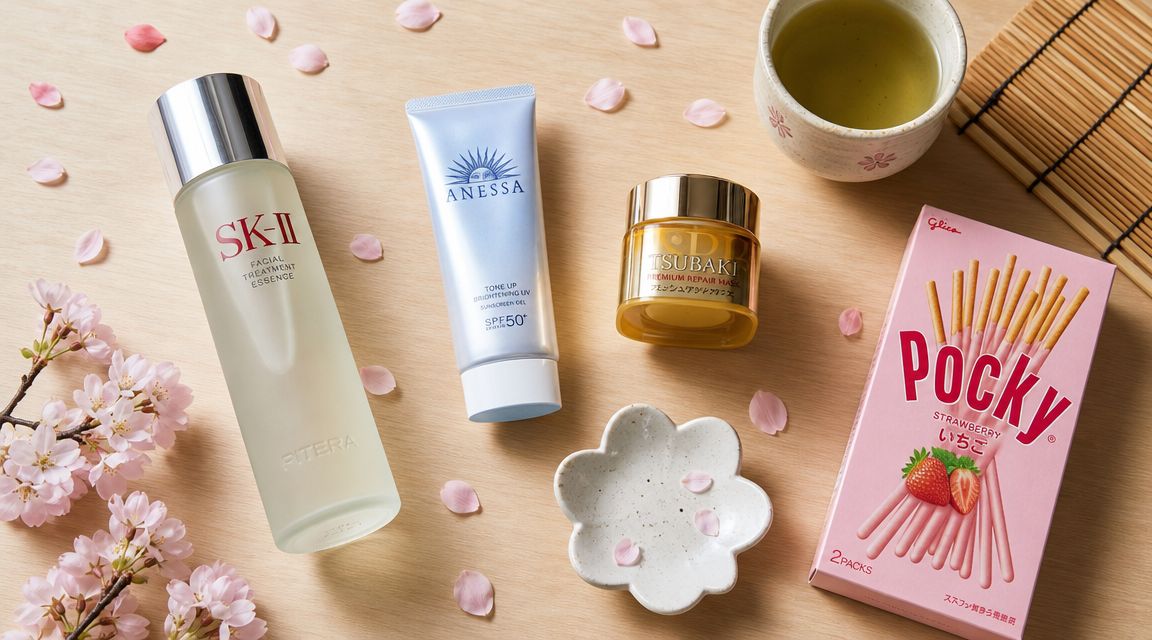
Du har sikkert prøvet det allerede. Du ser en japansk solcreme, som alle sværger til, en hårmaske med umuligt skinnende resultater, eller en snacksmag, der aldrig ser ud til at forlade Japan. Så prøver du at købe den og støder på det sædvanlige rod: uklare sælgere, mærkelig prisfastsættelse, manglende engelske etiketter eller følelsen af, at du måske ender med en gammel version eller en kopi.
Den forvirring er normal. Japan har en enorm indenlandsk shoppingkultur, og størrelsen betyder noget. I 2024 blev Japans samlede e-handelsmarked anslået til 380 milliarder USD, med detail e-handel på 121 milliarder USD. Endnu mere sigende er det, at 76% af befolkningen, eller 94 millioner mennesker, handler online, og mad, drikkevarer og alkohol nåede 21 milliarder USD i onlineforbrug i 2023, ifølge Japan e-commerce market data. Folk i Japan køber disse produkter konstant. Du jagter ikke nicheinteresser. Du kigger på dagligdags varer fra et modent marked, der tager produktkvalitet seriøst.
Hvis du vil have en hurtig fornemmelse af de slags ting, folk elsker at give som gaver eller købe til sig selv, er denne oversigt over seje gaver fra Japan et godt sted at starte.
Din rejse ind i japanske produkter starter her
At bo i Tokyo lærer dig én ting hurtigt. Produkterne i Japan, der bliver kultfavoritter, er sjældent berømte ved et tilfælde. De vinder, fordi de løser et specifikt problem godt. Solcremer føles lettere. Sheet masks passer bedre. Hårprodukter er nemmere at bruge dagligt. Snacks skifter smag så ofte, at faste kunder forbliver nysgerrige.
Det er også derfor, internationale købere bliver frustrerede. Meget indhold online fortæller kun, hvad der er trendy. Det fortæller ikke, hvorfor en version er let at finde i Japan, men svær at eksportere, hvorfor emballagedesign ændrer sig, eller hvorfor lokale formler nogle gange adskiller sig fra dem, der findes i udlandet.
De fleste har ikke brug for en større ønskeliste. De har brug for et bedre filter.
Mit råd er enkelt. Start med kategorier, hvor Japan har reel daglig dybde, ikke bare hype. Det betyder hudpleje, hårpleje, makeup, snacks, basisvarer til køkkenet og simple livsstilsprodukter, som folk her køber igen og igen. Køb derefter gennem kanaler, der fra starten gør ægthed og forsendelse tydelig.
Hvorfor japanske produkter skiller sig ud globalt
Japanske produkter skiller sig ud, fordi de er skabt af en produktionskultur, der belønner præcision, konsistens og brugervenlighed. Det gælder for glamourøse ting som hudpleje, men det ses også i ydmyge ting som genopfyldningsposer, emballagelukninger, kompakte værktøjer og smagsbalance i pakkede fødevarer.

Produktionsbasen betyder noget
Japans kvalitetsry er ikke bare branding. Det bygger på en meget stor industriel base. I 2025 var Japans eksport 738 milliarder USD, og store eksportkategorier omfattede transportudstyr med 21,0%, maskiner med 19,9%, elektrisk udstyr med 18,7% og kemikalier med 12,4%. USA og Japan havde også en vare- og tjenestehandel på 317 milliarder USD i 2024 ifølge data om Japans økonomi og handel. Den industrielle dybde hjælper med at forklare, hvorfor forbrugermærker som Shiseido, Kao, Kose og Ajinomoto har reel troværdighed.
For skønhedsindkøbere betyder dette mere end markedsføringssloganer. Et stærkt kemisk og produktionsmæssigt fundament betyder som regel strammere formulering, bedre teksturudvikling, mere pålidelig emballage og færre uforsigtige genveje.
Hvis du vil have et bredere overblik over mærker, før du vælger specifikke produkter, er denne guide til de bedste japanske kosmetikmærker værd at læse.
Daglig brugervenlighed er, hvor Japan vinder
Mange produkter i Japan føles bedre, fordi japanske mærker går op i gentagen brug, ikke kun første indtryk. Derfor forsvinder mange solcremer hurtigt ind i huden, mange lotions kan lægges lag på lag uden at klumpe, og mange hårprodukter sigter efter kontrolleret blødhed i stedet for tung belægning.
Den brugerfokuserede tilgang er grunden til, at folk bliver ved med at købe produkter som:
- Shiseido Anessa til solcreme med høj beskyttelse
- Biore UV-produkter til let daglig brug
- Shiseido Fino til nem hjemmeglatning
- Hada Labo lotions til enkel hydrering
- Canmake og Kate til makeup, der er praktisk, kompakt og bærbar
Japan designer til virkelige rutiner
De bedste japanske produkter beder sjældent om, at du bygger en kompliceret rutine omkring dem. De passer ind i den rutine, du allerede har.
Praktisk regel: Hvis et japansk produkt har loyale indenlandske købere, har det som regel fortjent den loyalitet gennem komfort og gentagelse, ikke drama.
Derfor fraråder jeg folk at tro, at alle japanske produkter er “luksus” i vestlig forstand. Mange af de smarteste japanske køb er massemarked. De er overkommelige, veludviklede og nemme at bruge i hverdagen. I Tokyo er det ofte kvalitetsmålet.
Top produktkategorier, du skal kende
Nogle kategorier er værd at bruge tid på med det samme. Andre er sjove, men overvurderede, medmindre du har et specifikt formål med dem. Hvis du bygger din første seriøse indkøbsliste for produkter i Japan, så start med de kategorier, der giver klar værdi i hverdagen.

Hudpleje, der passer til reelle hudbehov
Japansk hudpleje er stærkest, når du handler efter hudens kontekst og ikke efter hype. Det er pointen, mange købere overser. Vejledning om det japanske skønhedsmarked bemærker, at produktværdi ofte handler om pasform, ikke universel overlegenhed. Mange formler er designet til fugtige asiatiske klimaer, hvilket er en af grundene til, at populær japansk hudpleje ofte føles let og ikke-fedtet, som diskuteret i markedsvejledning om skønhedsprodukter i Japan.
Hvis din hud hader tunge lag, er Japan et godt sted at handle.
Gode udgangspunkter:
- Hada Labo Gokujyun lotions, hvis du ønsker simpel hydrering og nem lagdeling
- Shiseido d Program, hvis din hud bliver reaktiv, og du ønsker en roligere, mere afdæmpet tilgang
- Transino hudpleje, hvis du fokuserer på toneudjævnende rutiner og omhyggelig daglig pleje
- Minon hudpleje, hvis du har brug for noget mildere og mindre prangende
- Shiseido Elixir, hvis du ønsker rigere anti-aging teksturer uden at gå direkte til meget tunge cremer
Den fejl, jeg ser oftest, er at købe den rigeste formel, fordi den lyder mere “avanceret.” Gør ikke det. Hvis du bor et fugtigt sted, eller hvis din hud nemt tilstopper, overgår lettere japanske teksturer ofte tungere prestigecremer, fordi du vil bruge dem hver dag.
Hårpleje, der fokuserer på tekstur og finish
Japansk hårpleje handler ikke kun om reparerende egenskaber. Det handler om overfladefornemmelse, blødhed og at gøre håret lettere at style uden at gøre det til en indsmurt masse.
Mine sædvanlige anbefalinger:
- &honey til fugtighedsfokuserede rutiner, især hvis dit hår føles ru eller oppustet
- Shiseido Fino Premium Touch Hårmaske, hvis du ønsker glattere længder med en finish, der minder om en salon
- Tsubaki til blød, glansfuld daglig pleje
- Ichikami, hvis du foretrækker en lettere finish og nem udredning
- Kao Liese, når styling betyder lige så meget som behandling
Her er konteksten vigtig igen. Fint hår klarer sig som regel bedre med lettere japanske shampooer og leave-ins. Tyk, tørt, farvebehandlet hår får ofte mere ud af masker og rigere fugtlinjer. Kopiér ikke andres rutine bare fordi deres før-og-efter så godt ud online.
En sidebemærkning til læsere, der også interesserer sig for japansk modekultur. Hvis du er interesseret i det bredere stiløkosystem omkring skønhed og design, giver dette kig på top japanske tøjmærker nyttig kontekst. På streetwear-siden er Special8 Mastermind Japan-tilbud også værd at kigge på, hvis du vil se, hvordan japansk branding og design sprog bevæger sig uden for skønhedsverdenen.
Makeup, der værdsætter bærekomfort
Japansk makeup er fantastisk, når du ønsker et poleret look uden tyngde. Det handler mindre om dramatisk forvandling og mere om ren finish, god farvejustering og formler, du kan have med dig.
Start her:
- Canmake til begynder-venlig makeup, der stadig ser raffineret ud
- Kate til stærkere bryn, eyeliner og mere definerede øjenlooks
- Cezanne til diskrete base- og kindprodukter
- Majolica Majorca, hvis du kan lide øjenmakeup med mere personlighed
- Kiss Me, hvis mascaraens ydeevne er din prioritet
Den største fordel her er redigerbarhed. Japansk makeup lader dig ofte opbygge dækning eller farve gradvist. Det er nyttigt, hvis du ønsker et renere, mere tilgivende resultat i stedet for et fuldt glam-look, der kræver perfekt teknik.
Solcreme og UV-beskyttelse, som folk rent faktisk nyder at bruge
Dette fortjener sin egen kategori. Japan er exceptionelt god til solcreme, fordi mærker forstår, at beskyttelse kun virker, hvis du ikke hader at bruge den.
Mine favoritter:
- Shiseido Anessa til udendørsdage, sved og stærkere hold
- Biore UV til let daglig brug
- Kanebo ALLIE, hvis du vil have en behagelig langtidsholdbar mulighed
- Skin Aqua, hvis dit budget betyder noget, og du stadig vil have en elegant tekstur
Hvis du er holdt op med solcreme, fordi vestlige formler føltes fedtede, er det som regel denne kategori, der ændrer dit syn.
Snacks og køkkenvarer, der er værd at importere
Japansk madshopping bliver alt for ofte reduceret til slik. Det er dovent. Det sjove er udvalget. Du kan købe legende snacks, ja, men også dagligdags køkkenvarer, der gør madlavningen bedre.
Stærke udgangspunkter:
- Glico snacks til klassiske søde og salte varer
- Meiji chokolader og godbidder til pålideligt konfekture
- Lotte snacks til tyggegummi, chokolade og convenience-store basics
- Kit Kat Japan, hvis du vil jagte sæsonsmag
- Ajinomoto køkkenvarer, når du går mere op i madlavning end souvenirslik
Den smarteste snackbestilling blander nyheder med basisvarer. Halvdelen for sjov, halvdelen for ting, du vil genbestille.
Livsstilsbasics, der retfærdiggør forsendelsen
Ikke alt behøver at være skønhed. Nogle af de mest tilfredsstillende produkter i Japan er praktiske genstande med rent design og pålidelig funktion.
Se på:
- MUJI produkter til minimalistiske husholdnings- og rejsebasics
- Yuskin til hånd- og kropspleje, der arbejder hårdt uden besvær
- DHC læbe- og personlig plejeprodukter til nyttige dagligdagsartikler
Det er ikke prangende køb. Det er den slags, du bliver ved med at bruge, indtil du indser, at du ikke længere vil have den lokale erstatning.
Sådan handler du japanske produkter fra udlandet
Du finder den præcise shampoo, solcreme eller køkkenredskab, du ønsker. Så begynder det egentlige problem. Produktet er kun tilgængeligt i Japan, titlerne på annoncerne stemmer ikke overens, forsendelsesgebyrerne ændrer sig ved kassen, og halvdelen af sælgerne virker udskiftelige.
Start med at vælge den købsvej, der passer til dit mål. Hvis du vil have en sjælden lokal udgivelse, brug en proxy. Hvis du vil sammenligne mange annoncer hurtigt, brug en markedsplads. Hvis du vil have autentiske dagligdags japanske produkter uden at jagte sælgerdetaljer, køb fra en direkte butik i Japan.
Japan kan være tricky for udenlandske købere af en grund. Produktstandarder, kategoriregler og markedspraksis adskiller sig ofte fra, hvad købere ser i USA, Europa eller Sydøstasien, hvilket hjælper med at forklare regionale eksklusiver, emballagevariationer og ujævn eksporttilgængelighed, som nævnt i guiden til Japans markedsudfordringer.
Sammenlignede indkøbsmuligheder
| Funktion | Proxy/videresendelsestjeneste | Tredjeparts markedsplads | Buy Me Japan (Direkte butik) |
|---|---|---|---|
| Produktadgang | Bredt, hvis du kan finde varen | Bredt, men sælgerkvalitet varierer | Kurateret udvalg |
| Prisoversigt | Gebyrer og forsendelse lægges ofte til sent | Varierer efter sælger | Som regel tydeligere ved kassen |
| Tillid til ægthed | Afhænger af den oprindelige detailhandler og dine egne tjek | Afhænger meget af sælger | Direkte butik-modellen tilbyder en enklere købsproces |
| Kommunikation | Ofte opdelt på tværs af systemer | Uensartet | Mere centraliseret |
| Returneringer og support | Begrænset eller kompliceret i mange tilfælde | Afhænger af sælger | Afhænger af butikspolitik, men er som regel nemmere at håndtere |
| Bedst til | Sjældne varer og kun i Japan-annoncer | Gennemse og pris sammenligning | Gentagne ordrer og køb med lavere friktion |
Proxy-tjenester er til svære at finde varer
En proxy er nyttig, når produktet betyder mere end bekvemmelighed. Det betyder som regel limited edition-merchandise, små lokale mærker, auktionsannoncer eller detailhandler-eksklusive udgivelser.
Brug en proxy, hvis alle tre gælder:
- Varen er svær at finde uden for Japan
- Du kan selv verificere den præcise variation, størrelse og udgivelsesversion
- Du accepterer ekstra gebyrer, langsommere support og flere trin
Til regelmæssige genbestillinger er proxyer en dårlig vane. De tilføjer unødvendigt arbejde.
Markedspladser sparer tid, men du skal lave flere tjek
Markedspladser er gode til opdagelse. De er svagere på konsistens. En annonce kan blande gammel emballage med nyt lager. Anmeldelser kan referere til en tidligere formel. Sælgerfotos er ikke altid opdaterede, og produktnavne kan forkortes på måder, der skjuler vigtige forskelle.
Brug markedspladser kun, hvis du er villig til at sammenligne sælgerhistorik, fotos, emballagedetaljer og returvilkår, før du betaler.
Hvis du vil have en renere kortliste, så læs denne guide til de bedste online japanske butikker. Den hjælper dig med at sortere butikker efter tillid, produktfokus og købsoplevelse i stedet for kun pris.
Direkte butikker er det smarte valg til gentagne ordrer
Hvis du opbygger en rutine, er direkte køb i butik det bedre system. Du får færre annoncer, men det er som regel en fordel. Mindre rod. Færre fejl med forkerte versioner. Nem support, når noget skal rettes.
Buy Me Japan passer godt til denne rute. De har et kurateret udvalg af japanske skønheds-, mad- og livsstilsprodukter sendt fra Japan, hvilket er vigtigt, hvis du går op i ægthed, enkel bestilling og at få det samme produkt igen uden detektivarbejde.
Hvis du planlægger at genbestille, vælg den kanal, der reducerer forvirring på hvert trin.
Håndter forsendelse og told, før du afgiver ordren
Forsendelse er, hvor gode køb bliver irriterende. Hold din første ordre enkel, især hvis du blander kategorier som kosmetik, snacks, kosttilskud eller elektronik. Forskellige produkttyper kan udløse forskellige importkontroller, og mærkningskrav er ikke ens på tværs af kategorier, ifølge Japan customs trade information.
Brug denne tjekliste:
- Hold den første ordre smal. Test en eller to kategorier, før du bygger en stor blandet kurv.
- Læs hele produktnavnene. Japanske mærker sælger ofte flere næsten identiske varianter i samme serie.
- Tjek størrelse og refill-status. Mange annoncer adskiller sig kun ved refill-pose, begrænset emballage eller rejseformat.
- Behandl "Japan-only" som en sourcing-ledetråd. Det afspejler som regel distributionsbegrænsninger, ikke automatisk overlegenhed.
Den tilgang sparer penge, mindsker toldoverraskelser og giver dig en gentagelig måde at købe japanske produkter fra udlandet uden besvær.
Tips til at spotte ægte varer og undgå forfalskninger
Kopivarer afslører sig som regel gennem små fejl, ikke dramatiske. Emballagens farve er en smule forkert. Skrifttypens vægt ser forkert ud. Låget lukker ikke tæt. Batch-trykket er smurt ud. Teksturen føles tæt på, men ikke helt rigtig.

Tjek detaljerne, som folk ignorerer
Falske sælgere stoler på, at købere kun fokuserer på forsideetiketten. Du skal tjekke de kedelige dele.
Se efter:
- Trykpræcision der ser skarp, justeret og ensartet ud
- Forseglingskvalitet på æsker, krympefolie og indvendige lukninger
- Sprogkonsistens på forside, bagside og klistermærker
- Teksturoverensstemmelse hvis du har brugt varen før
- Sælgerens fotokvalitet der viser det faktiske produkt, ikke kun brandbilleder
En ting mere. Meget lave priser er en advarsel, ikke et heldigt kup. Japanske produkter kan være overkommelige, men de er sjældent absurd billige, når international håndtering er involveret.
Formler og påstande skal føles sammenhængende
Autentiske japanske skønhedsmærker præsenterer normalt produkter med velovervejede påstande. Det er en del af den bredere japanske overholdelsesmentalitet. I regulerede sektorer betyder kvaliteten af beviser noget, og præstationspåstande baseres typisk på målbar dokumentation frem for løse reklameudsagn, som forklaret i vejledningen om Japans krav til kliniske data.
Det betyder ikke, at hvert skønhedsprodukt er klinisk testet. Det betyder, at du bør være mistænksom, når en annonce lyder overdrevet, vag eller mærkeligt sensationel sammenlignet med, hvordan japanske mærker normalt præsenterer sig.
Køb varen, ikke fantasien. Hvis annoncen lyder som mirakelreklame, så gå væk.
Stol mere på kilden end på dine detektivfærdigheder
Du kan lære at genkende emballage, sammenligne etiketter og inspicere produktbilleder. Gør det. Men den renere løsning er stadig at købe gennem en kilde med en kortere og klarere forsyningskæde.
Det gælder i alle kategorier, fra hudpleje til drikkevarer. Det er den samme logik, som får folk til at søge pålidelige specialkanaler, når de køber kategorifølsomme varer som japanske whiskymærker. Oprindelse betyder noget. Jo flere hænder og ukendte sælgere involveret, desto større risiko tager du.
Find tilbud og maksimer dit budget
En billig japansk ordre kan hurtigt blive en dyr fejl. Opdelte køb, svag sælgerkontrol og dårlige forsendelsesvalg vil æde dit budget længe før produktet når din dør.
Det smarte er at behandle din ordre som en planlagt import, ikke en sen-nat-kurv.
Lav én fokuseret ordre
Fem små ordrer koster næsten altid mere end én velplanlagt forsendelse. Saml varer efter brug, sæson og genbestillingssikkerhed, så portoen arbejder til din fordel.
En praktisk kurv indeholder som regel:
- Daglige basisvarer som solcreme, rensemiddel, lotion og læbepleje
- Genopfyldning af hårpleje kun hvis du allerede ved, at formlen passer til dig
- Snack-udvalg hvis du vil have variation uden at betale for fragt to gange
- Lavrisiko-tilføjelser som håndcreme eller sheet masks, der er nemme at pakke og rejse med
Det mindsker også fejl med versioner. Hvis du køber fra én pålidelig kilde i én omgang, er det nemmere at holde styr på, hvad du valgte, og hvorfor.
Brug rabatten på første ordre til en reel startpakke
Buy Me Japan tilbyder en 10% rabat på første ordre. Brug den på en ordre med produkter, du allerede forventer at bruge op, ikke på en lille prøvekurv, der bliver overvældet af fragtomkostninger.
Hold også øje med forsendelsestærskler. Hvis du er tæt på fast pris eller gratis forsendelse, så tilføj et kedeligt, nyttigt produkt, ikke et tilfældigt trendprodukt. Bomuldspuder, håndcreme, refillpakker og sheet masks giver som regel mere mening end at betale det samme beløb kun for porto.
Sådan holder erfarne shoppere det samlede forbrug under kontrol.
Sæt dine penge i gentagelig værdi
Hype brænder budgetter af. Pålidelige basisprodukter bygger en rutine.
Noget af den bedste værdi i Japan kommer fra mærker, som folk uden for Japan taler mindre om, herunder Chifure, Cezanne, Minon og Yuskin. De er ofte nemmere at købe igen, lettere at retfærdiggøre og mindre tilbøjelige til at efterlade dig med halvt brugte produkter, du købte for emballagens skyld.
Brug en simpel regel:
- køb et hype-produkt af nysgerrighed
- køb to gennemprøvede basisprodukter til din rutine
- bestil kun igen det, der tjener forsendelsesomkostningerne
Den sidste del er vigtig. Importerede produkter skal leve op til en højere standard. Hvis du ikke ville købe det igen med forsendelse inkluderet, var det ikke en god handel.
Din adgang til autentisk Japan
De produkter i Japan, der er værd at købe, deler som regel tre egenskaber. De er veludførte, nemme at leve med og knyttet til reel indenlandsk efterspørgsel frem for kun eksportfortællinger. Derfor bliver japansk hudpleje, hårpleje, makeup, snacks og praktiske livsstilsprodukter ved med at tiltrække folk.
Det svære er ikke at finde ros for japanske produkter. Det svære er at sortere signal fra støj. Du skal vide, hvilke kategorier der giver reel værdi, hvilke produkter der passer til din egen rutine, og hvilke købsmetoder der mindsker risikoen for versionforvirring, falske varer og forsendelsesproblemer.
De bedste indkøbsbeslutninger kommer af at være lidt mindre romantisk og meget mere specifik. Køb japansk solcreme, fordi du vil have bærbar UV-beskyttelse. Køb japansk hårpleje, fordi dit hår reagerer godt på lettere eller glattere teksturer. Køb snacks og basisvarer, fordi de tilfører noget, som dine lokale muligheder ikke har.
God shopping starter, når du stopper med at spørge "Hvad er berømt?" og begynder at spørge "Hvad passer til min rutine?"
Hvis du holder dig til den standard, bliver det meget nemmere at handle i Japan. Du behøver ikke alt. Du behøver de rigtige ting, købt gennem den rette kanal, med nok kontekst til at vide, hvorfor de overhovedet er værd at importere.
Hvis du vil have et praktisk sted at starte, kan du kigge på Buy Me Japan for autentiske japanske skønhedsprodukter, hårpleje, snacks og dagligdags fornødenheder, der sendes direkte fra Japan. Hold din første ordre fokuseret, vælg produkter, der passer til din faktiske rutine, og du får langt mere værdi end ved at jagte tilfældige trendlister.


Del:
Top japanske tøjbrands: En guide til enhver stil
Brun Sukker Ingefær Te: Din perfekte bryggeguide til 2026