


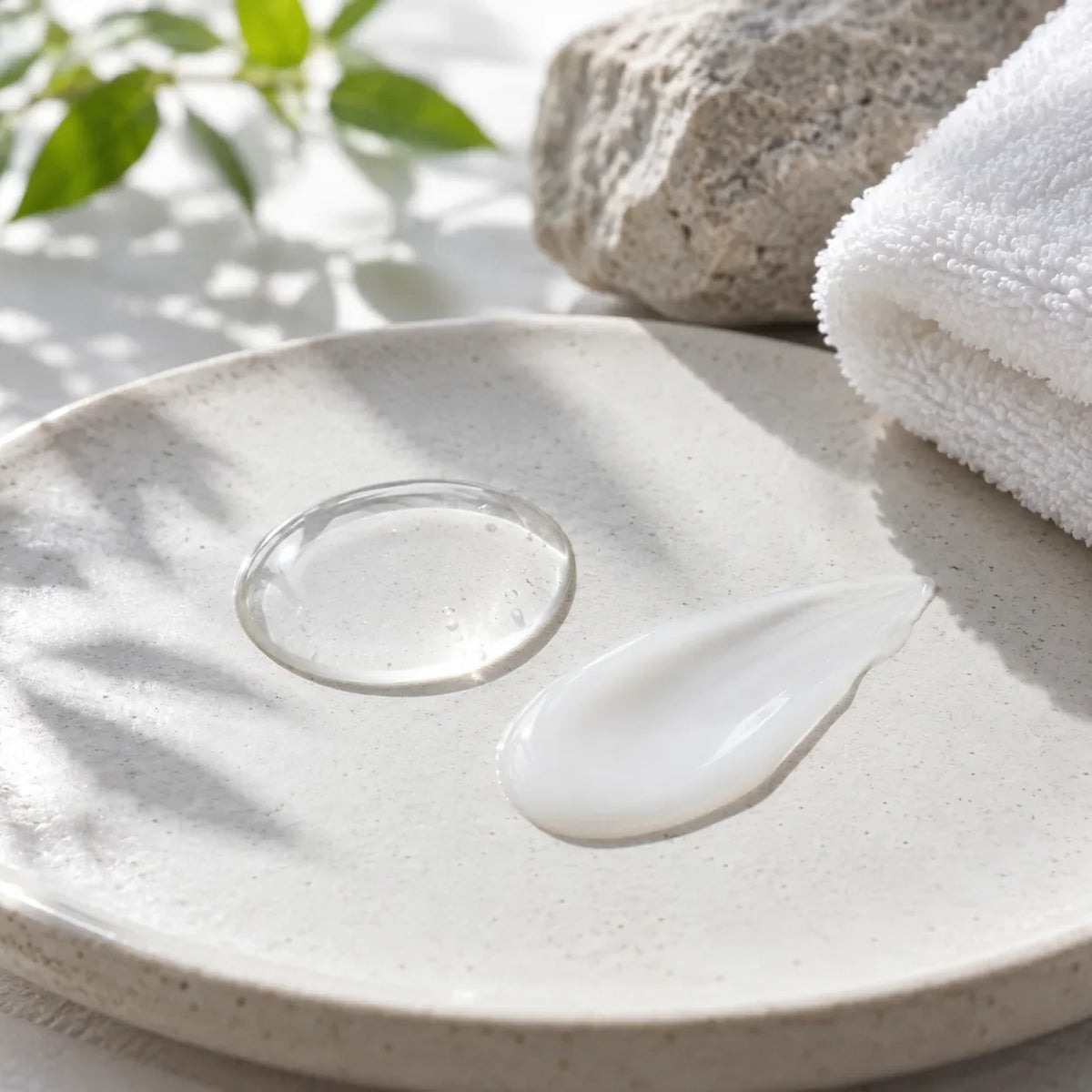
Auf der Flasche steht „Lotion“, aber heraus kommt eine Flüssigkeit, die fast so leicht wie Wasser ist. Wenn Sie eine feuchtigkeitsspendende Lotion nach westlichem Verständnis gewohnt sind, kann Sie diese Bezeichnung dazu bringen, nach einem völlig anderen Produkt zu suchen. Die Frage „Japanische Lotion oder Toner?“ ist größtenteils ein Übersetzungsproblem - aber sie erinnert auch daran, dass man nicht allein nach einem englischen Wort kaufen sollte.
Auf vielen japanischen Hautpflegeetiketten ist lotion die englische Bezeichnung für 化粧水 (keshōsui): ein flüssiger Pflegeschritt, der üblicherweise nach der Reinigung verwendet wird. Ein als toner bezeichnetes Produkt kann ähnlich sein, aber diese englische Kategorie umfasst eine größere Mischung aus Formulierungen und Anwendungszwecken. Es gibt Überschneidungen. Der praktische Unterschied ist daher weniger „japanisch oder westlich“, sondern vielmehr: „Was soll ich laut dieser konkreten Flasche damit tun?“
Lesen Sie die Anwendungshinweise, bevor Sie die Bezeichnungen vergleichen
In einer japanischen Pflegeroutine ist 化粧水 oft der erste Schritt nach der Gesichtsreinigung, der auf der Haut bleibt. K años grundlegende Hinweise zur Gesichtspflege setzen 化粧水 beispielsweise nach der Reinigung ein und empfehlen anschließend eine Emulsion oder Creme, wenn Sie zusätzlich Feuchtigkeit spenden möchten. Die Details können je nach Produkt variieren, daher haben die Anwendungshinweise auf der Verpackung weiterhin Vorrang. K años Schritte der Gesichtspflege zeigen anschaulich, wie diese Kategorien verwendet werden.
Das bedeutet nicht, dass sich jede japanische „Lotion“ gleich verhält oder für jede Pflegeroutine geeignet ist. Manche sind sehr wässrig, andere fühlen sich reichhaltiger an. Der Produktname verrät möglicherweise, welcher Kategorie der Hersteller das Produkt zuordnet, aber nicht die gesamte Textur, Zutatenliste oder das Hautgefühl. Dafür sollten Sie die genauen Produktangaben und die Verpackung prüfen.
Auch „Toner“ ist für sich genommen nicht genauer. In der englischsprachigen Hautpflege finden Sie Toner als feuchtigkeitsspendende Schritte, erfrischende Flüssigkeiten, adstringierende Formulierungen und Peelingprodukte. Zwei Flaschen mit derselben Bezeichnung auf der Vorderseite können außer ihrer flüssigen Form wenig gemeinsam haben. Die Anwendungshinweise und Inhaltsstoffe sind wichtiger als das Kategorienwort.
Ein nützlicher Vergleich ohne die vereinfachte Einteilung nach Ländern
Japanische Lotion (化粧水): Oft ein flüssiger Schritt nach der Reinigung, der gewöhnlich auf Feuchtigkeit oder Hautpflege ausgerichtet ist. Sie ist nicht automatisch eine cremige Körper- oder Gesichtslotion im westlichen Sinn einer Feuchtigkeitscreme.
Toner: Eine weit gefasste englische Bezeichnung. Er kann eine ähnliche Funktion wie eine feuchtigkeitsspendende japanische Lotion haben oder für einen anderen Schritt gedacht sein. Prüfen Sie, ob der Hersteller empfiehlt, ihn einzuklopfen, über die Haut zu streichen oder als Peelingbehandlung zu verwenden.
Die Überschneidung: Ein feuchtigkeitsspendender Toner und eine japanische Lotion können in einer einfachen Routine beinahe austauschbar sein. Ein Peeling-Toner ist jedoch eine andere Art von Pflegeschritt. Sie brauchen nicht beide Produkte, nur weil auf der einen Flasche „Lotion“ und auf der anderen „Toner“ steht.
Die Textur ist ein Hinweis, aber kein eindeutiges Urteil. Ein wässriges Hautgefühl sagt nicht aus, ob ein Produkt Peelingwirkstoffe enthält, und eine leicht dickflüssige Lotion ist nicht zwangsläufig eine Feuchtigkeitspflege, die eine Creme ersetzt. Lesen Sie die vollständigen Anwendungshinweise, bevor Sie entscheiden, wo das Produkt in Ihre Routine passt.
Drei Katalogbeispiele, die die Bezeichnungen greifbarer machen
Diese Beispiele zeigen, wie Produktnamen auf unterschiedlichen Seiten der Übersetzungsfrage landen können. Sie stellen weder eine Rangliste noch ein Wirkversprechen dar. Nutzen Sie die aktuellen Produktangaben, um anhand der gewünschten Formulierung und Anwendungshinweise zu entscheiden.

Kose Clear Turn „Gomen Ne“ Facial Treatment Lotion, 200 ml
Dies ist ein anschauliches Beispiel für alle, die sich für ein japanisches Produkt interessieren, das unter der Bezeichnung „Lotion“ verkauft wird. Wenn Sie es mit einem Toner zu Hause vergleichen, prüfen Sie die Anwendungshinweise und die Zutatenliste auf der aktuellen Produktseite, anstatt davon auszugehen, dass es sich um eine cremige Feuchtigkeitspflege handelt.

Kao Curél Intensive Moisture Care Lotion, 150 ml (verschiedene Varianten)
Dieses Produkt ist interessant, wenn die Textur für Ihre Entscheidung eine Rolle spielt: Die aktuelle Produktseite bietet die Varianten Light, Moisture und Rich Moisture. Das ist ein konkretes Beispiel dafür, warum „Lotion“ allein nicht beschreibt, wie sich ein Produkt anfühlt. Prüfen Sie vor der Bestellung die ausgewählte Variante und ihre Details.

Keana Rice Extract Toner, 300 ml
Dies ist der Vergleichspunkt für alle, die gezielt nach einem Produkt mit der Bezeichnung „Toner“ suchen. Nutzen Sie die eigenen Anwendungshinweise, um zu entscheiden, ob das Produkt in Ihrer Routine an dieselbe Stelle gehört wie eine feuchtigkeitsspendende Lotion. Der englische Name allein kann diese Frage nicht beantworten.
Brauchen Sie beide?
Oft nicht. Wenn Ihr aktueller Toner lediglich eine feuchtigkeitsspendende Flüssigkeit ist und Ihre japanische Lotion dieselbe Funktion erfüllen soll, wählen Sie am besten eines der beiden Produkte, statt beide aus Gewohnheit übereinander aufzutragen. Eine kurze Routine ist leichter zu verstehen und macht deutlicher, welche Produkte Ihnen gefallen.
Beide Produkte zu behalten, ist nur dann sinnvoll, wenn jedes eine eigene Funktion erfüllt, die Sie tatsächlich benötigen. Eine Routine könnte beispielsweise ein Produkt zur Feuchtigkeitsversorgung und ein anderes als Behandlungsschritt verwenden. Prüfen Sie jedoch die Anwendungshinweise und achten Sie darauf, wie Ihre Haut die Produkte verträgt. Wenn Sie jeweils nur ein neues Produkt einführen, können Sie leichter feststellen, ob sich etwas unangenehm anfühlt. Mehr Schritte bedeuten nicht automatisch eine bessere Routine.
Die Art der Anwendung hängt vom jeweiligen Produkt ab. Manche Anwendungshinweise empfehlen die Hände, andere erwähnen Wattepads, und einige schreiben eine bestimmte Reihenfolge vor. Befolgen Sie die Angaben auf dem Etikett. Wenn eine Formulierung als Peeling- oder Abwischschritt gedacht ist, behandeln Sie sie nicht wie eine auf der Haut bleibende feuchtigkeitsspendende Lotion, nur weil beide Flaschen Flüssigkeit enthalten.
So wählen Sie beim Onlinekauf
Achten Sie auf die japanische Kategorienbezeichnung. Wenn in den Produktangaben oder auf der Verpackung 化粧水 steht, ist das ein nützlicher Hinweis darauf, dass sich „Lotion“ auf die japanische Hautpflegekategorie bezieht und nicht unbedingt auf eine cremige Feuchtigkeitspflege. Die Übersetzung allein reicht nicht aus, erklärt aber, warum die Textur überraschen kann.
Prüfen Sie den vollständigen Produkttitel und die ausgewählte Variante. „Light“, „Moisture“ und „Rich Moisture“ können wichtige Unterschiede darstellen. Vergewissern Sie sich, dass die ausgewählte Option - nicht nur die allgemeine Produktfamilie - derjenigen entspricht, die Sie kaufen möchten.
Lesen Sie die Anwendungshinweise und Inhaltsstoffe. Das ist besonders wichtig, wenn Sie einen bestimmten Inhaltsstoff vermeiden oder ein feuchtigkeitsspendendes Produkt mit einem Peelingprodukt vergleichen. Formulierungen und Verpackungen können sich ändern. Orientieren Sie sich an der aktuellen Produktseite und der Flasche statt an einer alten Bewertung.
Überlegen Sie, welchen Schritt Sie ersetzen möchten. Wenn Sie mit Ihrem Reinigungsprodukt und Ihrer Feuchtigkeitspflege bereits zufrieden sind, wählen Sie möglicherweise nur einen flüssigen Schritt nach der Reinigung. Eine japanische Lotion kann diese Rolle übernehmen. Wenn Ihr Toner diese Aufgabe bereits angenehm erfüllt, müssen Sie kein weiteres Produkt hinzufügen, nur weil es einen japanischen Namen trägt.
Die einfachste Merkhilfe
Japanische Lotion und Toner sind keine perfekten Eins-zu-eins-Übersetzungen. In vielen japanischen Routinen bezeichnet Lotion einen wässrigen Schritt nach der Reinigung; im Englischen kann Toner mehrere verschiedene Bedeutungen haben. Vergleichen Sie die Anwendungshinweise, Textur und Inhaltsstoffe des jeweiligen Produkts und wählen Sie anschließend das Produkt, das zu der Funktion passt, die es erfüllen soll.
Wenn Sie beim Wort „Lotion“ eine milchige Feuchtigkeitspflege erwarten, werfen Sie noch einmal einen Blick auf das Etikett. Und wenn „Toner“ vertraut klingt, prüfen Sie trotzdem, wofür die konkrete Formulierung entwickelt wurde. Für eine weitere Kategorie, die leicht mit japanischer Lotion verwechselt wird, erklärt unser Leitfaden zu japanischen Hautpflegeemulsionen, welchen Platz eine Emulsion in der Routine einnimmt.
Produktnamen, Verpackungen, Formulierungen, ausgewählte Varianten und Verfügbarkeit können sich ändern. Prüfen Sie vor der Anwendung die aktuelle Produktseite und die Anwendungshinweise auf der Verpackung.


Compartir:
Kose Clear Turn Maskenvergleich: Finden Sie Ihre passende Maske
Japanische Hautpflege unter 20 $: Stelle dir eine budgetfreundliche Routine zusammen