

Visible pores are normal. They do not open and close like doors, and no cleanser can erase them permanently. What skincare can do is keep oil and dead-skin buildup under control, reduce roughness, and help the surrounding skin look smoother.
That distinction matters when shopping for Japanese pore care products. A cleanser for an oily nose is not automatically the right product for dry cheeks, and a peel-off pack should not become an everyday habit. The routine that works is usually less dramatic: cleanse thoroughly, use one targeted treatment at a time, put some moisture back, and wear sunscreen.
First, what are the dots on your nose?
Dark dots are not always dirt. A true blackhead is an open comedone: oil and dead skin collect in a pore, and the exposed material darkens after contact with air. The American Academy of Dermatology's blackhead explainer is useful here because it clears up the common idea that the dark color comes from poor cleansing.
You may also be seeing sebaceous filaments—the normal lining that helps move sebum to the skin's surface. They are often small, evenly spaced, and most noticeable across the nose. You can make them look less obvious for a while, but they naturally return. Squeezing every dot usually creates more irritation than improvement.
Pore visibility also changes with oil production and the firmness of the surrounding skin. A review of facial pores identifies sebum, reduced elasticity, and follicle size among the main influences, which is why one “pore shrinking” product cannot solve every case. Read the facial-pore review on PubMed.
Choose the product by the problem
| What you notice | A useful starting point | What to avoid |
|---|---|---|
| Makeup, sunscreen, and oily residue | Cleansing oil in the evening | Long, forceful massage |
| Rough texture or stubborn buildup | Enzyme or exfoliating cleanser used occasionally | Stacking it with scrubs and acids |
| Very oily T-zone | Clay cleanser or targeted mask | Using a drying mask over the whole face |
| Tight, shiny, easily irritated skin | Gentle cleansing plus a light hydrating lotion | Adding another stripping cleanser |
| Blackheads with inflamed acne | A simple acne routine or dermatologist advice | Picking, scraping, and pore vacuums |
Salicylic acid can be helpful for blackheads because it exfoliates and helps clear clogged pores, but it is not essential in every routine. If you already use a retinoid, acne treatment, enzyme wash, or exfoliating toner, adding another active may only make the skin sore. Our guide to salicylic acid for acne and clogged pores explains where it fits.
Five Japanese pore care products from our catalog
These five products have different jobs. Think of them as options, not a five-step shopping list.
1. Kose Clear Turn Pore Komachi Enzyme Cleansing Oil
Kose Clear Turn Pore Komachi Enzyme Cleansing Oil 150ml is a sensible first step when makeup, water-resistant sunscreen, and oily residue are part of the problem. Apply it according to the package directions, keep the massage brief, add water to emulsify it, and rinse well.
A cleansing oil does not pull permanent plugs out of pores. Its practical value is removing oil-soluble residue without repeatedly rubbing the nose. If your skin feels clean and comfortable after rinsing, a second cleanser may not be necessary every night.

2. Kracie Hadabisei Choi Gel Face Wash Pore Clear
The Kracie Hadabisei Choi Gel Face Wash Pore Clear 110g suits shoppers who prefer a rinse-off gel rather than a foaming wash. The catalog describes it as an AHA-containing cleanser, so it may suit rough-feeling buildup. That is also a reason to introduce it carefully if you use other exfoliating products.
Use light fingertip pressure and let the formula do the work. A cleanser is on the skin briefly; extending the massage or scrubbing harder does not turn it into a better treatment.

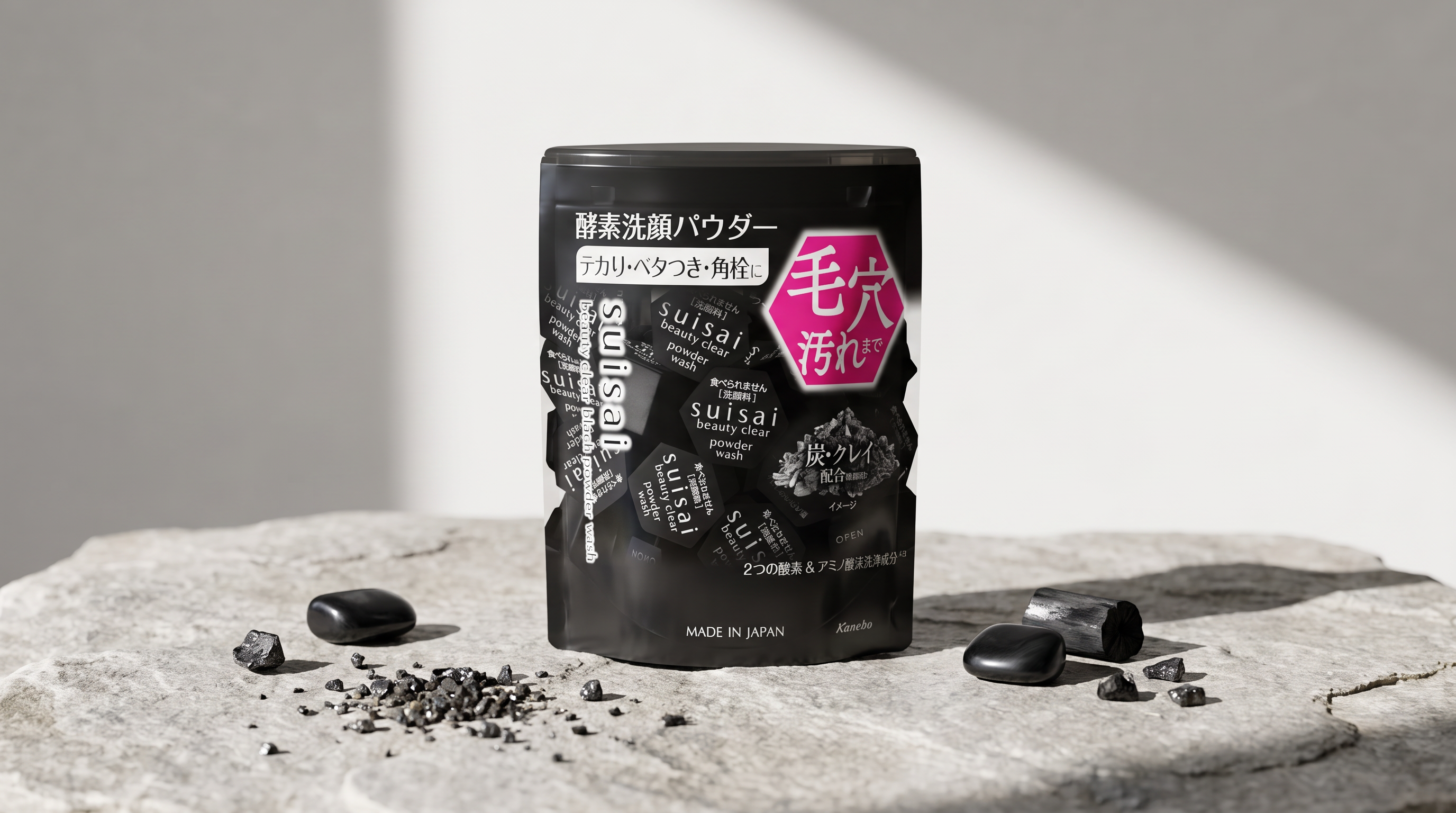
3. Kanebo Suisai Beauty Clear Black Powder Wash
Kanebo Suisai Beauty Clear Black Powder Wash (32 units) comes in individual powder portions and is sold for shine and pore buildup. With charcoal and clay, it is better suited to an oily T-zone than dry, reactive cheeks.
This is the kind of product to alternate with a plain cleanser rather than automatically use alongside a scrub, peel, and acid toner. Start conservatively, watch how your skin feels the following day, and reduce use if you notice tightness or flaking.

4. Kose Clear Turn Pore Komachi Black Peel Off Pack
The Kose Clear Turn Pore Komachi Black Peel Off Pack 30g is an occasional treatment, not a daily fix. It can lift surface debris and absorb oil, giving the T-zone a temporarily cleaner appearance.
Peel-off products are a poor match for irritated, freshly exfoliated, or very sensitive skin. Follow the package directions, keep it away from brows and the delicate eye area, and do not repeat the treatment just because some dots remain. Normal sebaceous filaments are supposed to return.

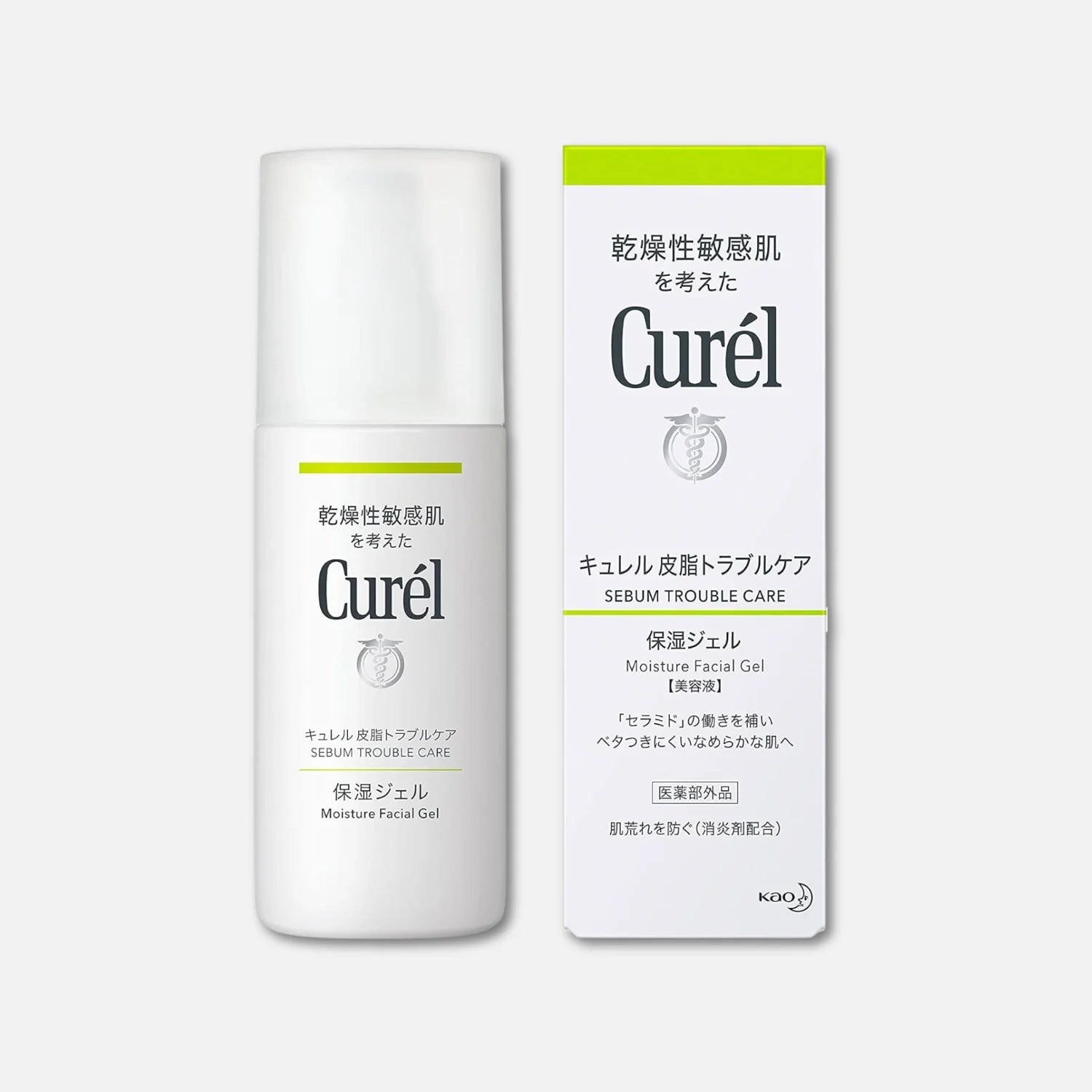
5. Kao Curél Sebum Trouble Care Moisture Facial Lotion
Pore care is not only about removing oil. If cleansing leaves your face tight, the surrounding skin can look rougher and pore edges can become more noticeable. Kao Curél Sebum Trouble Care Moisture Facial Lotion 150ml is the option here for oily skin that still needs a light hydrating step.
Remember that “lotion” in Japanese skincare usually means a watery hydrating step. Pat on a thin layer after cleansing, then add a light moisturizer if your skin still feels dry. It is not an exfoliant and does not need to compete with one.

A simple pore care routine
Morning
- Rinse with water or use a gentle cleanser, depending on how your skin feels.
- Apply a light hydrating lotion if you need it.
- Use moisturizer where the skin feels dry.
- Finish with broad-spectrum sunscreen.
Sunscreen matters because sun damage reduces skin firmness over time, which can make pores look more noticeable. It also helps protect skin that is using exfoliating products. For a fuller sequence, see our morning skincare routine guide.
Evening
- Use cleansing oil when you have makeup or resistant sunscreen to remove.
- Follow with a gentle water-based cleanser only if needed.
- On selected nights, replace the plain cleanser with one enzyme or exfoliating wash—do not pile several exfoliants into the same routine.
- Add a hydrating lotion and moisturizer according to comfort.
There is no universal rule that everyone must double cleanse. Likewise, “two or three times a week” is not a magic frequency for exfoliation. Start less often, follow the product directions, and adjust according to your skin rather than a social-media schedule.
Common mistakes that make pores look worse
- Scrubbing until the skin squeaks: tightness is not proof that a pore is clean.
- Using hot water: lukewarm water is more comfortable and less likely to leave the face flushed.
- Stacking treatments: an enzyme powder, scrub, acid toner, peel-off pack, and retinoid do not belong in one evening.
- Squeezing every dot: picking can cause irritation, infection, and marks.
- Skipping moisturizer: oily skin can still become dehydrated.
- Expecting permanent shrinkage: products can improve appearance, not remove normal pores.
If you develop painful acne, persistent redness, scarring, or irritation that does not settle after simplifying your routine, speak with a dermatologist. A cosmetic cleanser is not a substitute for medical treatment.
Where to start
If you wear makeup or resistant sunscreen, begin with the Kose cleansing oil. If rough texture is the main issue, choose either the Kracie gel wash or the Suisai powder wash—not both at once. Reserve the Kose peel-off pack for occasional use, and add the Curél lotion when your skin feels tight or easily irritated.
Give each change some time before adding another. Pore care is rarely about finding the strongest product; it is about keeping the routine effective enough to manage buildup and gentle enough that you can continue using it.
Buy Me Japan ships authentic Japanese skincare directly from Japan. Explore the Japanese skincare collection to compare cleansing oils, face washes, lotions, masks, and other pore-care formats.
Teilen:
Japanische Feuchtigkeitscreme für fettige Haut: So wählen Sie eine, die sich nicht fettig anfühlt