


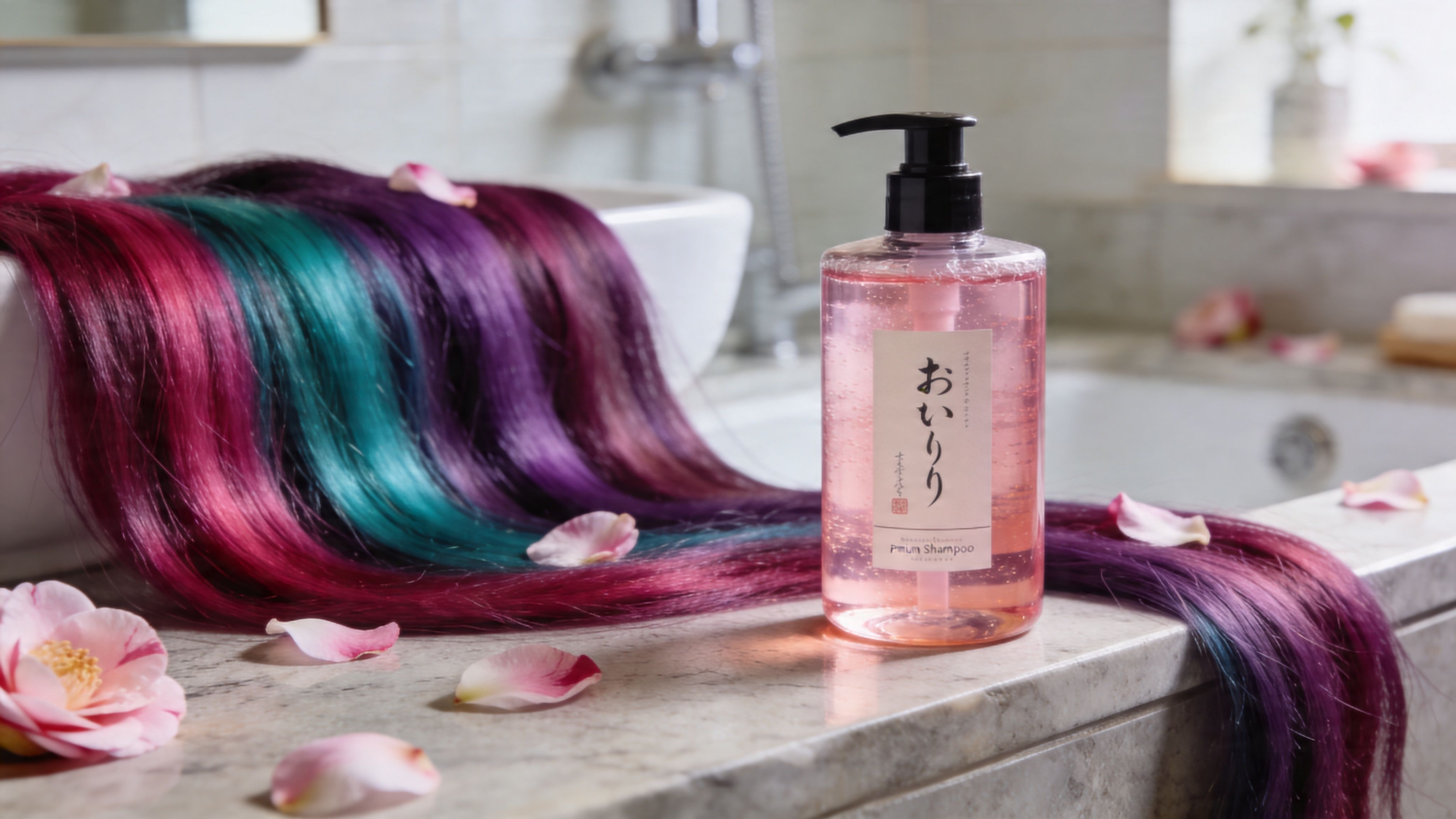
Fresh color always feels fantastic for the first few days. Then the questions start. Why does the shine look flatter after one wash? Why does blonde turn warm so quickly? Why does red seem to slip away faster than every other shade?
That anxiety is normal. Coloring changes the hair’s surface, so the shampoo you use afterward matters far more than it did before. If you’ve been searching for the best shampoo for color treated hair, the answer usually isn’t just “buy something sulfate-free and hope for the best.” You need a formula that cleans gently, supports the cuticle, and fits your hair type.
A lot of mainstream advice still leans heavily toward Western salon staples. But some of the most interesting options come from Japan, where hair care often focuses on prevention, softness, and keeping the hair surface smooth rather than waiting to repair obvious damage. That matters for dyed hair.
Introduction Your Guide to Lasting Hair Color
You leave the salon, catch your reflection in a window, and your hair looks exactly right. The tone is richer, the shine is brighter, and everything feels polished. Then wash day arrives, and suddenly you’re nervous about the bottle sitting in your shower.

That’s the moment this guide is for. Not the marketing version of “color-safe,” but the practical version. The one that helps you understand what your hair is dealing with and how to choose a shampoo that protects the color you paid for.
Japanese hair care deserves a bigger place in this conversation. Mainstream roundups often focus on Western names, while one overlooked gap is that Japanese brands such as Tsubaki and Ichikami are associated with color retention that can last 20 to 30% longer because of pH-balanced, antioxidant-rich formulas, as noted in this Good Housekeeping research summary on shampoos for colored hair.
What makes Japanese hair care different
Japanese formulas often feel gentler in daily use. They tend to prioritize smoothness, moisture balance, and a polished hair surface. For color-treated hair, that approach makes sense because rough, dry hair loses shine fast, even before the actual pigment has noticeably faded.
You’ll also see ingredients that many readers already know from Japanese beauty culture, such as camellia oil, rice-derived extracts, and rich repair masks. These aren’t just trendy names on a label. They fit into a broader philosophy of protecting the hair fiber so color stays looking cleaner and healthier for longer.
Healthy-looking color isn’t only about the dye. It’s about how well the hair surface holds onto shine, softness, and tone between washes.
By the end, you’ll know how color fades, how to read a shampoo label without getting lost, which Japanese shampoos are worth a closer look, and how to build a routine that keeps your hair looking freshly done for as long as possible.
Why Your Hair Color Fades and How Shampoo Is Involved
A week after your salon appointment, your color can still look rich in indoor light, then suddenly seem flatter in the bathroom mirror after a few washes. That shift is often less about the dye disappearing all at once and more about what is happening on the hair surface every time you shampoo.
Coloring changes the structure of the hair. To deposit dye, the outer layer has to be opened so pigment can enter. After that process, the cuticle often stays a little less compact than virgin hair, especially if the hair was lightened first. Once the surface is less even, water moves in and out more easily, and color becomes easier to lose.
Why the cuticle changes everything
The cuticle is the hair’s outer shield. When it lies flat, hair looks glossy, feels smoother, and reflects color more clearly. When it becomes rough or raised, two things happen at once. Pigment escapes more easily, and the surface stops reflecting light evenly.
That is why color-treated hair can look faded before a large amount of dye has washed away. The tone may still be there, but the shine and clarity are weaker, so the color reads as duller.
Japanese hair care has long focused on this surface condition. Instead of treating color care as only a pigment problem, many Japanese formulas aim to keep the hair fiber supple, polished, and calm after cleansing. Ingredients such as camellia oil and rice bran fit that goal well because they help support softness and a smoother-feeling surface, which helps dyed hair keep its gloss between washes.
Three factors usually speed up fading:
- Strong cleansers: Detergent-heavy shampoos can remove too much oil from the hair and leave the cuticle feeling rough.
- Repeated water exposure: Hair swells slightly when wet. Porous, color-processed strands swell more easily, which can let color slip out faster over time.
- Heat and UV exposure: Flat irons, blow-dryers, and sun exposure can leave hair drier and make the shade look less fresh.
Why shampoo has such a big effect
Shampoo does much more than clean the scalp. It affects how the lengths feel, how the cuticle sits after rinsing, and whether your hair dries smooth or straw-like. That “squeaky clean” feeling people often chase is not a good sign for dyed hair. It usually means the surface has been stripped too aggressively.
For color-treated hair, the goal is clean hair with a comfortable, conditioned feel. You want the shampoo to remove sweat, oil, and buildup without pushing the hair into that rough, swollen state that makes color look tired.
Practical rule: If your shampoo leaves your lengths rough, tangled, or overly dry before conditioner, it is probably too harsh for color-treated hair.
The shampoo mistakes that confuse people most
Lather is one of the biggest points of confusion. A huge foam cloud can feel satisfying, but foam does not tell you whether a shampoo is gentle. Many excellent shampoos for dyed hair create a softer, creamier lather and still cleanse thoroughly.
Label language can be misleading too. Words like “repair,” “moisture,” and “color care” sound reassuring, but they are only clues. The full formula tells the complete story. This is one reason Japanese shampoos stand out. Many of them are designed with daily-use balance in mind, using cleansing systems and botanical support ingredients that aim to preserve the feel of the hair surface, not just wash it.
Water temperature also plays a role. Hot water can make damaged or porous hair feel rougher after washing. A cooler rinse will not stop fading on its own, but it can help the cuticle sit flatter so hair looks smoother and shinier once dry.
How to Read a Shampoo Label An Ingredient Checklist
A shampoo label can look like a chemistry quiz after a salon visit. The good news is that you do not need to decode every line. You only need to spot the signals that tell you whether a formula will treat fresh color like silk or scrub it like a dish detergent.

Start at the top of the ingredient list, where the cleansing agents usually appear. Those first few ingredients set the tone of the shampoo. For color-treated hair, the goal is controlled cleansing. You want enough wash power to remove oil and buildup, but not so much that the cuticle stays rough and the color looks flat after only a few washes.
Japanese formulas are often especially good at this balance. Instead of relying only on a strong cleanser and then trying to patch the dryness later, many of them build softness into the formula from the start. That philosophy shows up clearly on the label.
Ingredients worth looking for
A good label often reads like a team effort. One part cleanses, one part softens, and one part helps the hair surface stay calm.
Look for patterns like these:
- Milder surfactants: Names such as cocoyl, betaine, or amino acid based cleansers often point to a gentler wash than old-school detergent-heavy formulas.
- Conditioning support: Ingredients that improve slip can help dyed hair rinse out with less tangling and less friction.
- Moisture binders: Glycerin and other humectants help hair hold onto water, which helps color-treated lengths look less dull.
- Japanese botanical support: Camellia oil, rice bran, honey, and royal jelly are common in Japanese hair care because they support softness and shine without making the formula feel crude or heavy. If you want a clearer sense of why camellia appears so often, this guide on how to use camellia oil for hair explains what it does on the hair surface.
- Acidic or pH-conscious design: Brands may describe this as cuticle care, smooth finish, or weakly acidic formulation. The wording varies, but the idea is the same. A gentler pH helps the hair surface stay more compact.
Camellia oil and rice bran deserve special attention here. Western color-care advice often stops at “use sulfate-free shampoo,” which is useful but incomplete. Japanese hair care tends to ask a better question: what will keep the cuticle flexible, glossy, and less likely to leak color every time it gets wet? That is why you so often see these ingredients in authentic Japanese formulas sold on Buy Me Japan.
Ingredients that often cause trouble
An ingredient list does not need to look “natural” to be good, and a long chemical name is not automatically a problem. What usually causes trouble is concentration, formula balance, and how the cleanser behaves on processed hair.
Watch for these signs:
- SLS and SLES high on the list: These can feel too sharp for fragile, bleached, or freshly colored hair.
- Drying alcohols near the top: Some alcohols help a formula work well, but a heavy presence of drying types can leave lengths crisp or rough.
- A salt-heavy feel: Sodium chloride is common, but some shampoos use enough of it that dry hair feels harder after rinsing.
- Heavy fragrance load: If your scalp feels prickly after coloring, strong fragrance can add irritation you do not need.
Later in your search, this video can help you think more clearly about what “color-safe” should mean in real use:
A real-world label example
Shiseido Tsubaki is a useful example because the formula story is easy to follow. The brand highlights honey, royal jelly, and camellia-related care as part of a softness-first approach. Even before you test it, that ingredient direction tells you the shampoo is trying to cushion the hair while it cleanses, not just strip away oil and rely on conditioner to fix the feel afterward.
That is a very Japanese approach to color care. The formula is built around preserving the condition of the hair surface, since smoother hair usually reflects light better and makes color look richer for longer.
A fast way to shop smarter
If labels still feel overwhelming, use this five-step scan:
- Check the first cleansing ingredients.
- Notice whether harsh sulfates appear early.
- Look for softening and moisture-support ingredients.
- See whether the brand mentions cuticle care, weak acidity, or smooth-finish design.
- Match the formula to your texture, porosity, and scalp behavior.
A shampoo made for damaged hair can still feel too rich on fine hair. A shampoo sold for volume can still leave bleached lengths dry. The formula has to fit your hair, not just the promise on the front label.
Once you start reading labels this way, the bottle becomes much less mysterious. You can quickly tell the difference between marketing language and a formula that makes sense for color-treated hair.
Adapting Your Routine for Hair Type and Color
The best shampoo for color treated hair depends on more than the dye job. Two people can use the same color and need completely different cleansing routines because their hair texture, porosity, and scalp behavior are different.
Fine hair needs softness without heaviness
Fine hair usually struggles with rich formulas that flatten the roots. If your hair is colored but also soft and limp by day two, choose a shampoo that feels light in texture and rinse it thoroughly. You want slip and comfort, not a coated feeling.
A lightweight conditioner applied mostly from mid-length to ends often works better than a very rich shampoo. Fine color-treated hair usually looks best when the root stays airy and the ends stay smooth.
Thick or coarse hair needs more cushion
Coarse, dense, or heavily bleached hair often needs a creamier formula. This hair type loses softness quickly and can start to feel hard after washing if the cleanser is too sharp.
That’s where richer Japanese formulas can feel especially good. They often leave the hair surface calmer and less puffy, which helps color reflect better.
Different shades fade in different ways
Blonde, silver, and highlighted hair often show brassiness before they show obvious overall fading. The issue isn’t only loss of color. It’s unwanted warmth becoming more visible on a porous base.
Red and vivid copper shades are another category. These tones often seem to slip out fast, so readers with red hair usually need maximum gentleness, less washing, and stronger focus on sealing moisture back into the hair after cleansing.
Brunettes and dark shades can fool you. They may not look faded right away, but they can lose gloss and dimension early. If your dark hair starts looking flat, the problem is often surface dryness rather than dramatic pigment loss.
When co-washing makes sense
If your hair is extremely dry, very curly, or heavily processed, traditional shampoo may not be the only option. An emerging trend is co-washing or using cleansing creams instead of standard shampoo. Some user trials reported 40% less fade after four weeks, and the market for these products grew 18% in 2025, according to this Hairstory article on skipping shampoo for colored hair.
That doesn’t mean everyone should stop using shampoo. It means some hair types do better with a gentler wash rhythm. For very dry ends, alternating a regular shampoo with a cleansing cream can help.
If you’re curious about Japanese oils as part of that softer approach, this guide on how to use camellia oil for hair is a useful next read.
If your hair feels worse every wash day, don’t just blame the dye. The cleansing method may be the bigger problem.
The Japanese Philosophy for Vibrant Hair Color
Japanese hair care often takes a quieter approach than many salon trends. Instead of chasing dramatic before-and-after claims, it tends to focus on maintaining a healthy hair surface every day. For color-treated hair, that philosophy is a strong fit.
Prevention comes before correction
Dyed hair usually doesn’t need punishment. It needs consistency. A formula that keeps the cuticle feeling smoother, the scalp comfortable, and the lengths flexible can do more for color longevity than a harsh “deep clean” ever will.
That’s one reason this category keeps growing. The global market for color-treated hair care was valued at about $2.8 billion in 2023, and one major driver is value over time. Higher-quality shampoos can reduce salon touch-up frequency by up to 30%, according to this industry-focused analysis of color-treated hair products.
Why Japanese ingredients fit color care so well
Japanese hair products often feature ingredients that support the feel and appearance of the hair fiber without trying to strip it into “cleanliness.”
A few standouts:
- Camellia oil: Often called tsubaki oil in Japan. It’s known for helping hair feel smoother and more sealed.
- Rice-derived ingredients: These are popular in Japanese hair care because they support softness and help rough hair feel more refined.
- Honey blends: Honey-focused formulas are often chosen for moisture retention and a silkier finish.
- Botanical repair ingredients: Many Japanese products combine plant extracts with modern conditioning technology rather than relying on a harsh-cleanse-then-repair cycle.
This broader approach makes sense for dyed hair because color doesn’t look good on rough hair, even if the pigment itself is still present.
Culture and routine matter too
Japanese beauty routines often value repeatable habits over occasional rescue treatments. That means gentle washing, thoughtful layering, and using masks or oils before hair gets to the breaking point.
If you want the bigger picture, this overview of a Japanese hair care routine shows how cleansing, conditioning, and protection work together.
Smooth hair shows color better. That’s the heart of the Japanese approach.
For readers shopping internationally, this is also why buying authentic Japanese formulas matters. Texture, scent profile, and finish are part of the experience, but the primary value is the formulation philosophy behind them.
Top Japanese Shampoos for Color-Treated Hair of 2026
You wash your hair a few times after coloring, and the shade still looks technically there. But the shine is gone, the ends feel rough, and the color suddenly looks flatter than it did on day one. That is often the moment shampoo starts to matter.
Japanese shampoos stand out here because many of them are built around surface condition, moisture balance, and low-friction cleansing. For color-treated hair, that matters just as much as the pigment itself. A smoother cuticle reflects light better, catches less on itself during washing, and helps dyed hair keep that fresh, expensive-looking finish longer.
Tsubaki Premium line for shine and a smoother surface
Tsubaki is a strong choice for hair that has lost gloss after coloring. The line is known for camellia-focused care and a polished finish, which suits hair that feels slightly coarse or looks dull a week after dyeing.
Camellia oil is a good example of the Japanese approach. Instead of treating color care as only a pigment problem, it treats it as a texture problem too. If the hair surface feels smoother and more coated, light reflects more evenly and the color looks richer.
This line often suits:
- dry hair after washing
- darker shades that no longer look reflective
- bleached lengths that need more slip and softness
Ichikami for soft, touchable hair that tangles easily
Ichikami makes sense for readers who want botanical care without a heavy salon finish. Its rice-inspired formulas fit color-treated hair that knots easily, feels slightly straw-like, or loses that silky feel after shampooing.
Rice-derived ingredients are a classic Japanese beauty choice for a reason. They support softness and refinement. For dyed hair, that can make the difference between color that looks faded and color that needs a smoother canvas to show up properly.
&honey for moisture loss after bleaching or glossing
&honey is often the better match for hair that feels thirsty from the mid-lengths down. If your roots are manageable but your ends drink up conditioner and still feel dry, this is the category to look at.
Honey-rich formulas tend to leave more slip on the hair, almost like giving dry strands a softer outer layer to move in. That can help color look shinier from one wash to the next, especially on blonde, beige, copper, or other tones that show roughness quickly.
Diane Be True for hair dealing with both color and heat
Diane Be True fits the person whose hair has two stress points at once. Coloring is one. Frequent blow-drying, curling, or straightening is the other.
That combination usually needs a shampoo that cleans gently but still leaves the hair feeling supported, not hollow. Diane often lands in that middle zone well. It does not aim for the richest finish in this list, but it can be a smart everyday pick for fragile lengths.
Milbon for a salon-finish feel
Milbon is the option for readers who notice texture details right away. How the hair falls. How the ends group together. Whether the color looks smooth under indoor light, not just in the sun.
That is why Milbon has such a strong reputation in Japanese salon care. The finish is usually more refined, and that can make color-treated hair look more controlled and more intentional, especially if you are particular about softness without heaviness.
Which Japanese Shampoo is Right for You?
| Product | Key Ingredients | Best For | Buy Me Japan Link |
|---|---|---|---|
| Tsubaki Premium line | Camellia-focused care, lipid-film technology, pH-balanced design | Dull, dry, color-treated hair needing shine | Shop Tsubaki |
| Ichikami The Premium line | Rice-inspired botanical care | Tangled, soft, color-treated hair | Shop Ichikami |
| &honey Deep Moist | Honey-based moisture care | Bleached, dry, thirsty lengths | Shop &honey |
| Diane Be True Healthy Damage Repair | Damage-repair focused cleansing | Fragile lengths and daily styling | Shop Diane |
| Milbon shampoo range | Salon-style smoothing care | Readers wanting a polished finish | Shop Milbon |
If you want more context on how Japanese formulas differ by finish, moisture level, and pairing strategy, this guide to the best Japanese shampoo and conditioner is a useful companion.
How to choose among them
Start with the problem you can feel with your hands.
Hair that feels rough and looks dull usually does well with Tsubaki or &honey. Hair that tangles and loses softness may respond better to Ichikami. Hair that is managing color damage and heat stress at the same time may prefer Diane or Milbon.
A simple test helps. After shampooing, before conditioner, your hair should feel clean but not stripped. If it already feels less tangled, less squeaky, and easier to smooth between your fingers, the formula is probably working with your color instead of wearing it down.
Build Your Complete Color Care Routine
Shampoo is the foundation, but it can’t do the whole job alone. Colored hair usually keeps its look longer when the routine around the shampoo is doing real support work.
Step one uses shampoo to cleanse without stripping
Use your color-friendly shampoo mainly on the scalp and let the lather rinse through the lengths. Scrubbing the ends directly often creates roughness, especially on bleached or highlighted hair.
The goal is a clean scalp and calm lengths. If your hair feels squeaky before conditioner, reassess your technique or your formula.
Step two seals things back in with conditioner
Conditioner matters because it helps the cuticle lie flatter after cleansing. That smoother surface helps hair feel silkier and look shinier, which is part of what people mean when they say their color still looks “fresh.”
Match your conditioner to your shampoo when possible, especially within Japanese product lines built to work together.

Step three adds a weekly mask
This is the step many readers skip until their hair already feels bad. A weekly mask gives color-treated hair extra softness and helps it feel less brittle.
Shiseido Fino Premium Touch Hair Mask is a strong example because it’s widely used as a rescue product for dry, dyed, or overworked hair. If you want a deeper look at mask options, this article on a Japanese hair mask is worth bookmarking.
Step four protects the hair between wash days
Leave-ins and oils earn their place. A small amount of hair oil on the ends can reduce friction, soften roughness, and improve shine. For colored hair, that helps preserve the finished look rather than letting the hair start to fray visually after two days.
A practical routine might look like this:
- Wash day: Use a gentle shampoo and matching conditioner.
- Once a week: Swap your regular conditioner for a richer mask.
- After towel drying: Apply a leave-in or light oil to the mid-lengths and ends.
- Before heat styling: Use heat protection every single time.
Colored hair usually doesn’t fail all at once. It loses softness first, then shine, then tone. A full routine slows that sequence down.
Troubleshooting Common Color-Treated Hair Problems
Even with a good routine, a few issues show up again and again. Most of them are easier to correct when you identify the actual cause.
Brassiness
Blonde, silver, and highlighted hair often turn warm because porous sections grab onto unwanted tones from daily life. Hard water, repeated washing, and surface roughness can all contribute.
Use a toning product when needed, but don’t assume purple shampoo is an every-wash solution. Too much toning on dry hair can leave the texture feeling worse, and that can make the color look dull in a different way.
Dryness and brittleness
If your hair feels stiff, catches on itself, or snaps easily at the ends, your routine likely needs more conditioning support. Add a mask, reduce heat where possible, and stop over-washing the lengths.
Scalp discomfort can also make people scrub too hard, which worsens the problem. If flakes or scalp irritation are part of the picture, this guide to the best scalp treatment for dandruff may help you separate scalp care from color care.
Fast fading
When color disappears quickly, look at your habits before blaming the dye. Very hot water, frequent washing, rough towel drying, and daily heat styling all add up.
Try this reset:
- Lower the wash frequency: If your scalp allows it, give your hair more time between washes.
- Cool the rinse slightly: Even a modest shift away from very hot water can help.
- Use more slip, less friction: Detangle gently and avoid rough towel rubbing.
- Protect from heat and sun: Daily protection matters more than occasional repair.
Sometimes the fix isn’t a stronger product. It’s a gentler routine.
Conclusion Your Path to Long-Lasting, Beautiful Color
Beautiful color lasts longer when the hair itself stays comfortable, smooth, and well cared for. That’s why finding the best shampoo for color treated hair is really about choosing a formula that supports the cuticle, fits your hair type, and works as part of a full routine.
Japanese hair care stands out because it often treats color preservation as a surface-health issue as much as a pigment issue. Camellia-focused care, rice-inspired formulas, moisture-rich shampoos, and repair masks all support that goal in a very practical way.
If you’re choosing between products, start with your hair’s condition. Dry hair needs moisture. Tangled hair needs slip. Fragile hair needs a gentler wash rhythm. Once you match the formula to the specific problem, your color usually starts looking better for longer.
If you want to shop authentic Japanese hair care directly from Japan, Buy Me Japan carries brands such as Tsubaki, Ichikami, &honey, Milbon, Diane, and Shiseido Fino, which makes it easier to build a color-care routine around the textures and formulas discussed above.


Share:
How to Use Rice Vinegar: A Complete Japanese Guide
Cool Gifts From Japan: Your 2026 Ultimate Gift Guide