

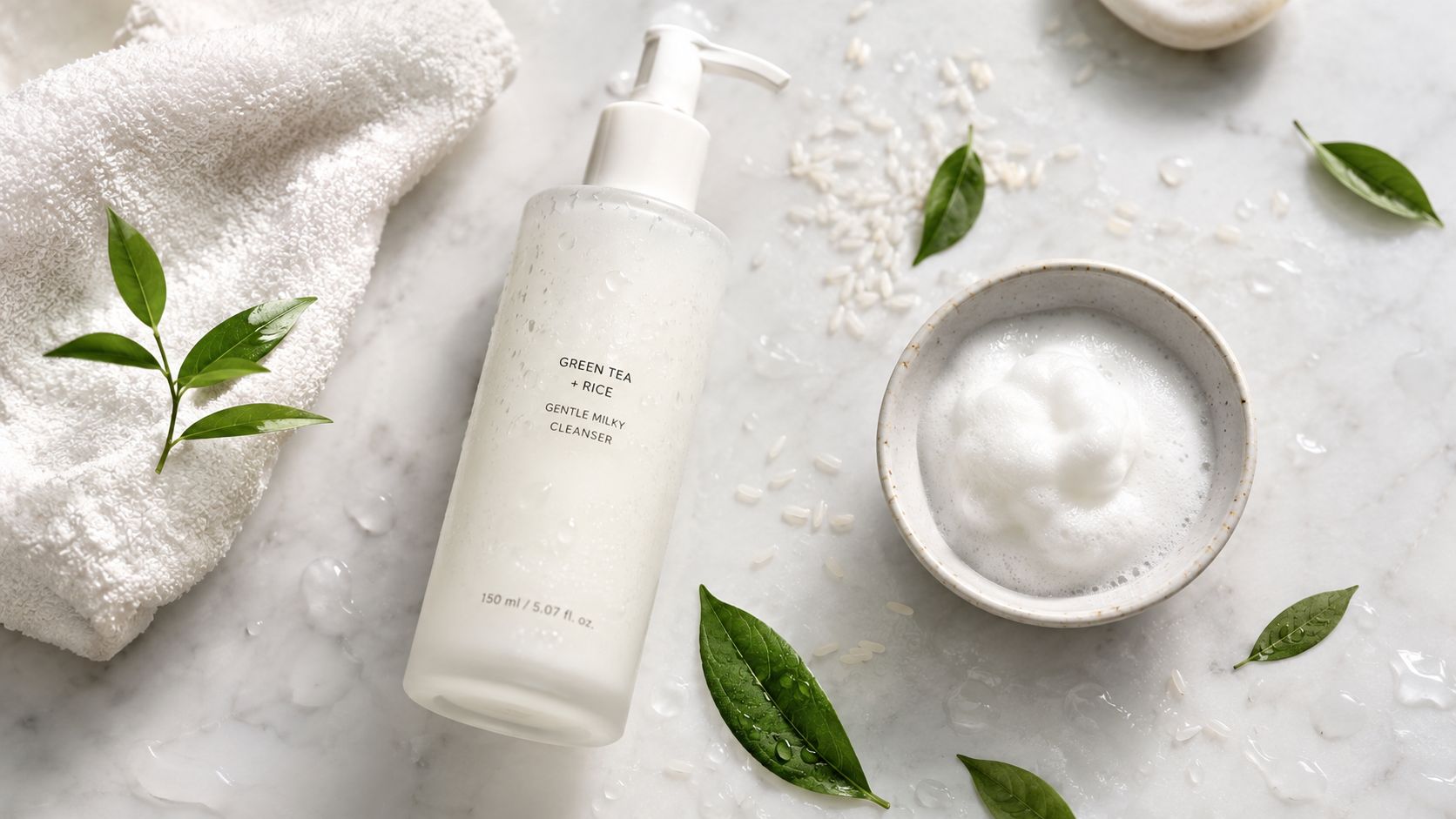
Jeśli twoja twarz czuje się dobrze do momentu spłukania, a potem staje się napięta, piekąca lub zaczerwieniona, to nie jest twoje wyobrażenie. Taka reakcja zwykle oznacza, że środek do mycia działa zbyt intensywnie lub bariera skóry jest już obciążona, dlatego odpowiedni środek do mycia twarzy dla skóry wrażliwej to nie luksus, a podstawowa pielęgnacja.
Japońska pielęgnacja skóry to dobre miejsce do poszukiwań, ponieważ wiele formuł opiera się na niskim poziomie podrażnień, braku zapachu i wsparciu bariery, a nie na uczuciu „idealnej czystości”, z którym kiedyś kojarzono mycie. Rynek potwierdza tę tendencję — raport wyceniał rynek środków do mycia twarzy dla skóry wrażliwej na około 2,8 miliarda USD w 2023 roku i prognozował 5,1 miliarda USD do 2032 roku, z 6,4% rocznym tempem wzrostu w okresie prognozy, podczas gdy badania kliniczne rutyny dla skóry wrażliwej wykazały poprawę nawilżenia i nawilżania o 42,2% po 28 dniach w porównaniu z wartością wyjściową (raport rynkowy Dataintelo).
Dlaczego skóra wrażliwa potrzebuje innego środka do mycia
Skóra wrażliwa często objawia się bardzo praktycznym problemem. Twarz wygląda normalnie przed myciem, ale po zastosowaniu środka do mycia skóra staje się gorąca, napięta lub zaczerwieniona. Ten wzorzec jest ważny, ponieważ problem rzadko polega na „brudnej skórze”, zwykle jest to stres bariery ochronnej, nietolerancja składników lub oba te czynniki.
Celem nie jest tylko mniej oczyszczania
Środek do mycia skóry wrażliwej jest zaprojektowany tak, aby usuwać sebum, krem z filtrem i makijaż, nie pozostawiając skóry bardziej odsłoniętej niż przed myciem. Wytyczne dermatologiczne od dawna zalecają bardzo łagodne środki myjące, zwłaszcza formuły niejonowe, bezzapachowe o dobrej spłukiwalności, jednocześnie odradzając stosowanie klasycznych mydeł, alkoholu, ściągających środków i ścierających, ponieważ mogą one pogarszać suchość lub podrażnienia (przegląd kliniczny dotyczący środków myjących).
To podejście wyjaśnia również, dlaczego ta kategoria produktów wyszła poza „łagodne mydło”. Na japońskim rynku praktycznym pytaniem nie jest często to, czy środek do mycia się mocno pieni, ale czy wystarczająco dobrze oczyszcza w codziennym życiu, jednocześnie szanując barierę skóry. To ma znaczenie dla każdego, kto codziennie stosuje krem z filtrem, używa makijażu lub wie, że jego twarz reaguje na nadmierne mycie.
Praktyczna zasada: Jeśli środek do mycia twarzy powoduje uczucie nadmiernego napięcia skóry, nie działa delikatnie, nawet jeśli na opakowaniu jest napisane, że jest przeznaczony do skóry wrażliwej.

Co powinna wzbudzić w tobie etykieta
Celem czytania etykiet środków do mycia jest ocena samego mycia, a nie marketingu. Produkt może wyglądać na delikatny i mieć kremową konsystencję w butelce, ale nadal używać systemu detergentów zbyt agresywnego dla skóry reaktywnej. Inny środek może być prosty, bez zapachu i z uwzględnieniem pH, dlatego japońskie opcje często mają sens dla tej grupy odbiorców.
Dla głębszego zrozumienia różnic między ostrzejszymi metodami mycia przydatna jest dyskusja na temat mydła z sody oczyszczonej i oczyszczania skóry, ponieważ pokazuje, że „naturalne” nie oznacza automatycznie odpowiednie dla wrażliwych twarzy. Kluczowe pytanie brzmi, czy środek do mycia chroni komfort, jednocześnie usuwając zanieczyszczenia.
Co naprawdę oznacza wrażliwa skóra
„Wrażliwa skóra” jest używana jakby to był jeden stan, ale kupujący zwykle dzielą się na trzy grupy. Niektórzy mają uszkodzoną barierę, inni prawdziwą nietolerancję składników, a jeszcze inni prawdziwą alergię. Wybór środka do mycia zmienia się w zależności od tego, która z tych kategorii najlepiej opisuje twoją skórę.
Uszkodzenie bariery, nietolerancja i alergia to nie to samo
Uszkodzenie bariery tworzy powierzchnię, przez którą woda łatwiej ucieka, więc nawet łagodny środek do mycia może powodować pieczenie, ponieważ skóra nie trzyma się dobrze razem. W takim przypadku kremowy lub mleczny środek do mycia z składnikami wspierającymi barierę może być lepszym punktem wyjścia niż pianka do mycia.
Nietolerancja to coś innego. Skóra może nie być uczulona, ale reaguje na takie rzeczy jak zapach, silna piana lub detergenty zbyt agresywne dla danej osoby. Powtarzająca się reakcja w tym przypadku zwykle wymaga bardziej rygorystycznego unikania składników i znacznie prostszej formuły.
Prawdziwa alergia to już coś innego. Układ odpornościowy reaguje na konkretny czynnik wywołujący, i to właśnie wtedy testy płatkowe oraz porada lekarska są najważniejsze, jeśli objawy ciągle się powtarzają.
Jeśli ten sam środek do mycia powoduje pieczenie za każdym razem, problem może wcale nie leżeć w suchości, lecz w powtarzającej się reakcji na konkretny składnik.
Dlaczego rozróżnienie to zmienia decyzje zakupowe
Wiele osób utknęło na tym etapie. Ciągle kupują „łagodne” środki do mycia, ale wybierają niewłaściwą teksturę dla swojego typu wrażliwości. Skóra z uszkodzoną barierą zwykle lepiej toleruje bogatsze, o niskiej pianie tekstury, podczas gdy skóra reaktywna często wymaga bardziej rygorystycznego doboru składników, zwłaszcza jeśli chodzi o zapachy i olejki eteryczne.
Przegląd kliniczny zauważa, że łączenie środka do mycia twarzy z nawilżaczami było bezpieczne i skuteczne w pielęgnacji trądziku u japońskich kobiet ze skórą wrażliwą, co potwierdza, że delikatne oczyszczanie może być częścią szerszej rutyny bez automatycznego pogarszania wrażliwości (przegląd kliniczny). Dla osób poszukujących składników łagodzących, co oznacza cica w pielęgnacji wyjaśnia, dlaczego kojące właściwości często pojawiają się w japońskich formułach, a także dlaczego produkty do pielęgnacji CBD mogą być wymieniane w tym samym kontekście, nawet gdy celem jest redukcja podrażnień.
Składniki, które decydują o skuteczności lub nieskuteczności środka myjącego
Lista składników to miejsce, gdzie środek myjący zdobywa miejsce w rutynie pielęgnacyjnej skóry wrażliwej lub zostaje szybko odrzucony. Trzy zmienne odgrywają tu największą rolę: rodzaj surfaktantu, obecność zapachu oraz pH. Przeczytaj je najpierw, a zwykle będziesz w stanie przewidzieć, czy środek będzie działał łagodnie, ściągająco czy drażniąco na skórę już reaktywną.
To surfaktanty decydują o sile działania środka myjącego
Surfaktanty to składniki, które usuwają olej, filtr przeciwsłoneczny, makijaż i codzienne zanieczyszczenia ze skóry. Dla skóry wrażliwej ważna jest ich chemia, ponieważ silniejsze surfaktanty mogą usuwać nie tylko powierzchniowe zanieczyszczenia, ale także zaburzać lipidy, które pomagają utrzymać barierę ochronną. Dlatego zalecenia dermatologów faworyzują łagodne, bez zapachu środki myjące i formuły stworzone z myślą o skórze wrażliwej (Wskazówki CeraVe dotyczące środków do mycia skóry wrażliwej).
Przydatnym punktem odniesienia dla prototypu środka do mycia skóry wrażliwej jest docelowe pH od 5 do 6, regulowane za pomocą kwasu cytrynowego, w połączeniu z łagodnymi surfaktantami amfoterycznymi, takimi jak kokamfoacetat sodu, oraz kojącym humektantem, np. allantoiną. Ten zakres pH jest bliższy naturalnej kwasowości skóry, dzięki czemu środek myjący działa bardziej jak kontrolowany płyn do spłukiwania niż detergent. Wiele japońskich środków myjących o niskim potencjale drażniącym opiera się na tej zasadzie, dlatego często nie powodują one uczucia przesuszenia, nawet gdy skutecznie usuwają filtr przeciwsłoneczny i lekki makijaż.
Zapach i drażniące dodatki to najłatwiejsze sygnały ostrzegawcze
Zapach jest częstym czynnikiem drażniącym dla skóry wrażliwej, dlatego etykieta „bez zapachu” zasługuje na prawdziwą uwagę, a nie tylko pobieżne spojrzenie. Ta sama ostrożność dotyczy SLS, SLES, alkoholu o wysokim stężeniu, barwników oraz fizycznych lub chemicznych środków złuszczających, ponieważ mogą one zwiększać ryzyko podrażnień skóry reaktywnej (Wskazówki dotyczące składników Allure).
Przegląd produktów do pielęgnacji CBD HempWell USA CBD i pielęgnacja skóry to tu przydatny punkt odniesienia, ponieważ osoby skupiające się na składnikach często porównują właściwości łagodzące w różnych kategoriach. Przy zakupie środków oczyszczających lepszym nawykiem jest czytanie tego, czego brakuje, tak samo jak tego, co jest zawarte.
Humektanty sprawiają, że mycie mniej wysusza
Humektanty takie jak gliceryna, kwas hialuronowy i ceramidy pomagają skórze zatrzymać wodę, zamiast czuć się odwodnioną po spłukaniu (poradnik składników Allure). Dlatego kremowe i kremowo-pieniące się tekstury często są łagodniejsze niż silnie pieniące się żele. Zwykle opierają się na lżejszym obciążeniu oczyszczającym i większym wsparciu nawilżenia, więc odczucie po umyciu jest miększe i mniej ściągające.
Użyj tej szybkiej listy kontrolnej, gdy przeglądasz butelkę:
- Wstrzymaj się, jeśli zapach jest blisko początku listy INCI.
- Wstrzymaj się, jeśli na etykiecie wysoko w składzie pojawia się SLS, SLES lub silny alkohol.
- Wstrzymaj się, jeśli środek obiecuje szorowanie, złuszczanie lub mrowienie.
- Preferuj formuły z gliceryną, ceramidami, kwasem hialuronowym lub alantoiną.
- Preferuj formuły o zrównoważonym pH, bezzapachowe, niskopieniące.
Jeśli chcesz więcej informacji o oczyszczaniu złuszczającym, kwasy alfa-hydroksylowe w pielęgnacji wyjaśniają, dlaczego te składniki mogą zmieniać działanie środka oczyszczającego, zwłaszcza na skórze już łatwo podrażnionej.
Dopasowanie tekstury środka oczyszczającego do typu skóry
Tekstura zmienia całe doświadczenie oczyszczania. Formuła może być całkowicie bezzapachowa, a mimo to nieodpowiednia, jeśli tekstura daje zbyt dużo piany lub za mało śliskości. Dla skóry wrażliwej najlepsza tekstura zależy od tego, czy problemem jest suchość, tłustość czy skłonność do reakcji.

Tekstura jest równie ważna jak składniki
Kremowe i kremowo-pieniące się środki oczyszczające są zwykle najbezpieczniejszym wyborem dla skóry z uszkodzoną barierą, ponieważ dają uczucie ochrony zamiast przesuszenia. Niskopieniące żele lepiej sprawdzą się na skórze tłustej i wrażliwej, ponieważ oczyszczają bez pozostawiania ciężkiej warstwy. Balsamy i olejki dobrze działają jako pierwsze oczyszczenie, gdy trzeba usunąć krem z filtrem lub makijaż przed delikatniejszym drugim oczyszczeniem.
Oto kompaktowe porównanie do zakupów.
| Tekstury środków oczyszczających dla skóry wrażliwej w skrócie | Obciążenie surfaktantami | Odczucie po umyciu | Najlepsze dla |
|---|---|---|---|
| Żel | Niski do umiarkowanego | Czysty, lżejszy | Skóra tłusta i wrażliwa |
| Mleczko | Niski | Miękki, komfortowy | Sucha lub osłabiona bariera skóry |
| Kremowy lub kremowo-pieniacy | Niski do umiarkowanego | Miękki, mniej ściągający | Najbardziej wrażliwe rutyny pielęgnacyjne |
| Balsam | Bardzo niski jako pierwsze oczyszczenie | Emolientowy, śliski | Usuwanie makijażu lub kremu z filtrem |
| Proszek | Różni się, często mniej intuicyjne | Zależy od mieszanki z wodą | Doświadczeni użytkownicy, którzy znają swoją tolerancję |
Japońskie tekstury często pasują do rzeczywistych rutyn pielęgnacyjnych.
Japońska pielęgnacja skóry jest silna w tej kategorii, ponieważ rynek od dawna preferuje formuły o niskim poziomie podrażnień i minimalnej ekspozycji na zapachy. Jeśli przeglądasz najlepsze opcje balsamów do demakijażu, istotne pytanie nie brzmi, czy balsam jest „bardziej luksusowy”, ale czy zapewnia wystarczające poślizg, by usunąć makijaż bez zachęcania do szorowania.
Hada Labo, Curel, Minon i Naturie są często omawiane w kontekście tekstury, ponieważ stawiają na nawilżenie, prostotę lub delikatniejsze oczyszczanie. To nie oznacza, że jedna tekstura jest odpowiednia dla wszystkich, ale ułatwia zawężenie wyboru.
Prosta zasada: Jeśli twoja skóra jest sucha przed lunchem, zacznij od kremu lub mleczka. Jeśli do południa staje się tłusta, ale nadal łatwo piecze, zwykle bardziej praktycznym testem jest żel o niskiej pianie.
Jak bezpiecznie przetestować nowy środek do mycia.
Nowy środek do mycia jest użyteczny tylko wtedy, gdy możesz go przetestować, nie podrażniając przy tym twarzy. Najbezpieczniejsze podejście jest nudne, i to dobrze. Chcesz mieć rutynę, która szybko powie ci, czy formuła pasuje, bez mylenia podrażnienia spowodowanego nadmiernym użyciem z podrażnieniem wywołanym samym produktem.
Test płatkowy daje pierwszy sygnał.
Nałóż niewielką ilość za uchem lub na wewnętrznej stronie nadgarstka i pozostaw na 24 godziny przed użyciem na twarzy (wytyczne Onekind dotyczące testu płatkowego). Jeśli pojawi się zaczerwienienie, pieczenie, łuszczenie lub ciepłe swędzenie, ten środek do mycia jest prawdopodobnie zbyt agresywny dla twojej skóry.
Dla bardzo reaktywnej skóry inna metoda poparta opiniami ekspertów to rozpoczęcie od jednokrotnego wieczornego stosowania i odczekanie pięciu do siedmiu dni przed przejściem do mycia dwa razy dziennie (wytyczne CNN Underscored dla skóry wrażliwej). Takie stopniowe wprowadzanie daje skórze czas, by dać ci znać, co naprawdę myśli.
Samo mycie powinno być krótkie i delikatne.
Amerykańska Akademia Dermatologii zaleca letnią wodę, używanie opuszków palców zamiast myjki lub gąbki siatkowej, brak szorowania, delikatne osuszanie przez poklepywanie oraz mycie tylko dwa razy dziennie i po intensywnym poceniu się (wytyczne AAD dotyczące mycia twarzy). Inne źródło dermatologiczne podaje, że 20 do 30 sekund wystarczy i zaleca nakładanie kremu nawilżającego, gdy skóra jest jeszcze lekko wilgotna (wytyczne AAD dotyczące mycia twarzy).
Główna idea jest prosta: mniej tarcia, mniej ciepła, mniej czasu, mniej zmiennych.
Podwójne oczyszczanie dla skóry wrażliwej noszącej makijaż lub krem z filtrem
Pojedynczy delikatny środek do oczyszczania może wystarczyć w dni z lekkim makijażem. Może jednak nie sprostać, jeśli używasz wodoodpornego kremu z filtrem, podkładu lub trwałego makijażu, ponieważ wtedy środek musi wybierać między pozostawianiem pozostałości a zbyt intensywnym działaniem. W takich sytuacjach przydaje się podwójne oczyszczanie.
Pierwsze oczyszczenie usuwa obciążenia
Zacznij od balsamu, olejku lub produktu micelarnego, jeśli usuwasz makijaż lub ochronę przeciwsłoneczną. Zadaniem jest tu nie szorowanie, lecz rozpuszczenie warstwy powierzchniowej, aby drugi etap oczyszczania nie musiał działać zbyt intensywnie. Najnowsze zalecenia ekspertów polecają właśnie taką dwustopniową rutynę, a następnie bardzo delikatne drugie oczyszczenie letnią wodą i krótkim masażem (przewodnik The Guardian po środkach do oczyszczania polecanych przez dermatologów).
Wiele porad dla skóry wrażliwej kończy się na „używaj tylko delikatnego środka do oczyszczania”, ale to może być nierealistyczne dla osób noszących codziennie krem z filtrem. Pierwsze oczyszczenie rozwiązuje powszechny problem pozostałości, nie wymagając od drugiego środka, by działał jednocześnie jak zmywacz i środek myjący.
Drugi etap oczyszczania to krok dla skóry wrażliwej
Drugi etap oczyszczania powinien być najbardziej delikatny, zwykle to krem lub żel o niskim pH i bez zapachu. To krok, w którym komfort bariery skórnej ma największe znaczenie, ponieważ to ten środek pozostaje w bezpośrednim kontakcie z już oczyszczoną skórą i decyduje o tym, jak twarz będzie się czuła po osuszeniu. Dla osób porównujących rutyny, recenzje olejku do głębokiego oczyszczania DHC są pomocnym punktem odniesienia, by zrozumieć, jak etap z olejkiem może pasować do rutyny dla skóry wrażliwej.
Japońskie marki naturalnie wpisują się w tę strukturę. Hada Labo i Curel to łatwe przykłady na drugi etap oczyszczania, podczas gdy produkty micelarne w stylu Bifesta lub olejki do demakijażu mogą poradzić sobie z pierwszym etapem. Jeśli skóra nadal wydaje się przesuszona po drugim oczyszczeniu, formuła jest zbyt silna lub metoda mycia zbyt agresywna.
Japońskie marki środków do oczyszczania warte rozważenia na Buy Me Japan
Japońska pielęgnacja skóry ma długą tradycję niskiego podrażniania, co wyraźnie widać w projektowaniu środków do oczyszczania. Często spotyka się produkty bezzapachowe, o delikatniejszej konsystencji i formuły dostosowane do pH, które są odpowiednie dla skóry wrażliwej lub mieszanej. Dla międzynarodowych klientów ważne jest także bezpośrednie pozyskiwanie produktów z Japonii przez Buy Me Japan, ponieważ pomaga to zachować autentyczność produktów i utrzymać wybór zgodny z tym, co kupują japońscy konsumenci.

Profile marek dopasowane do różnych potrzeb
Hada Labo, Minon i Naturie to marki, na które warto zwrócić uwagę, jeśli najważniejsze jest nawilżenie. Ich zaletą jest prostota, wspierają komfort, a nie dążą do dramatycznego oczyszczenia. Curel i Mentholatum Acnes mają sens, jeśli Twoja skóra jest wrażliwa, ale także skłonna do trądziku, ponieważ stanowią praktyczny kompromis między delikatnym oczyszczaniem a codziennym stosowaniem.
Shiseido Senka i AQUALABEL warto rozważyć, gdy potrzebujesz żelu, który działa po kremie z filtrem lub makijażu, nie wysuszając skóry. Fancl i Kose Sekkisei często wybierają osoby, które chcą minimalnej ilości dodatków, a Muji przyciąga klientów preferujących prostotę bez zapachu.
Na co zwrócić uwagę przed zakupem
Sama nazwa marki to za mało, więc sprawdź konkretny typ żelu, informację o zapachu i teksturę. Mleczny żel z jednej marki może pasować do suchej skóry, podczas gdy żel z tej samej marki może lepiej sprawdzić się przy skórze tłustszej. Dlatego zakupy japońskich kosmetyków działają najlepiej, gdy dopasujesz formułę do swojego typu wrażliwości, a nie tylko do logo na opakowaniu.
Jeśli chcesz czystszy punkt wyjścia, szukaj opcji bez zapachu, o zrównoważonym pH od marek z długą reputacją na rynku japońskim, a następnie wybierz teksturę dopasowaną do tego, jak Twoja skóra zachowuje się po myciu.
Lista kontrolna dla żelu do mycia skóry wrażliwej
Zacznij od przyczyny, dla której Twoja skóra jest wrażliwa. Jeśli to uszkodzenie bariery, szukaj kremowych tekstur i nawilżających składników wspierających barierę. Jeśli to nawracające podrażnienia, uprość listę składników i unikaj zapachów, alkoholu oraz składników złuszczających.
Następnie czytaj etykietę z praktycznym podejściem. Bez zapachu, bez SLS/SLES i zrównoważone pH to pierwsze filtry, które mają znaczenie. Wybierz teksturę dopasowaną do rzeczywistego stanu Twojej skóry, a nie tylko do preferencji piany.
Zanim się zdecydujesz, wykonaj test płatkowy przez 24 godziny, a następnie stosuj żel do mycia raz dziennie wieczorem przez kilka dni, jeśli Twoja skóra jest reaktywna. Myj letnią wodą, używaj czystych opuszków palców, skróć czas kontaktu i przerwij stosowanie, jeśli skóra zacznie piec lub się łuszczyć.
Jeśli codziennie używasz kremu z filtrem lub makijażu, stosuj podwójne oczyszczanie zamiast oczekiwać, że jedno delikatne mycie zrobi wszystko. Pierwsze oczyszczenie usuwa zanieczyszczenia, a drugie chroni komfort skóry. Dla wielu osób z wrażliwą skórą taka rutyna jest łatwiejsza do zniesienia niż jedno silniejsze oczyszczanie.
Jeśli chcesz autentyczne japońskie formuły wysyłane bezpośrednio z Japonii, Buy Me Japan daje Ci praktyczne miejsce do porównania opcji bez zapachu, o niskim pH i dbających o barierę skóry, bez zgadywania, czy produkt jest odpowiedni dla Twojego typu skóry.
Buy Me Japan oferuje starannie wyselekcjonowane japońskie kosmetyki do pielęgnacji skóry dla międzynarodowych klientów, którzy szukają autentycznych formuł i prostego wyboru produktów. Jeśli wybierasz żel do mycia twarzy dla skóry wrażliwej, odwiedź Buy Me Japan, aby porównać delikatne japońskie opcje dopasowane do Twojej rutyny, preferencji tekstury i poziomu wrażliwości.

Udział:
Korzyści z kwasu azelainowego: Kompletny przewodnik po czystszej skórze
Japońskie produkty do kąpieli: rodzaje, składniki i jak wybrać