

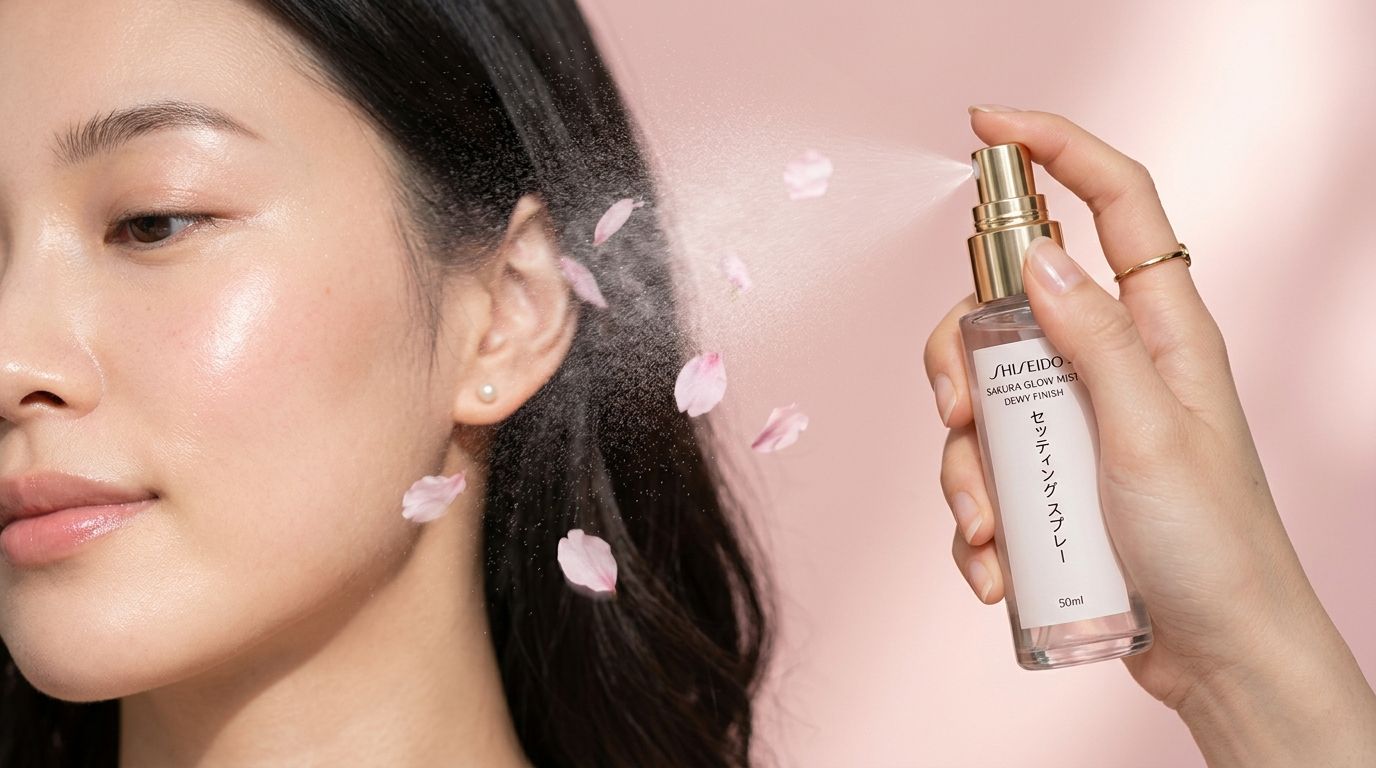
Your makeup looked fresh when you left home. By lunch, the shine has crept in, foundation is separating around the nose, and the blush you carefully placed has gone missing. If you live somewhere warm, travel often, or layer skincare under makeup, this probably sounds familiar.
That's exactly why Japanese setting spray gets so much attention. In Japan, makeup has to survive humidity, sweat, and long commutes without feeling stiff or heavy. The goal isn't only to lock everything down. It's to keep skin looking like skin.
Japanese formulas stand out because they're built around that balance. They aim for hold, comfort, and finish at the same time. You'll see why certain mists feel finer, why some formulas work better over hydrated skin, and how to choose one that suits your routine.
Your Guide to Japanese Setting Sprays
You finish your morning routine in layers. Sunscreen first, then hydrating skincare, then makeup. By the time you step outside into heat and humidity, all of those layers have to keep cooperating instead of sliding apart.
That is the primary function of many Japanese setting sprays.
In Japan, a setting spray is often formulated less like a hard topcoat and more like a flexible mesh over skincare and makeup. The goal is to help everything stay in place while keeping the finish fresh, light, and comfortable. That approach makes sense in a climate where moisture in the air, sweat, and long commutes can quickly turn a polished base into patchy makeup.
It also reflects a skin-first beauty culture. If the skin underneath feels dry, tight, or overloaded, makeup rarely looks good for long. Japanese formulas often try to support the condition and appearance of the skin at the same time, which is why you will see setting sprays that focus on hydration, UV support, fine mist delivery, and a breathable finish rather than hold alone.
A simple way to picture it is this. Some setting sprays act like a firm shell. Many Japanese ones work more like a light rain jacket. They still protect what is underneath, but they move better with the skin and feel easier to wear through the day.
If you are still building your wider J-beauty routine, this guide to what to buy in Japan cosmetics gives helpful context on how these products fit with popular Japanese makeup and skincare steps.
The details matter. Mist quality affects whether droplets disturb your base. Film-forming ingredients affect how well makeup resists sweat and oil. Humectants and soothing ingredients affect whether the finish stays comfortable over moisturized skin. Those formulation choices are what separate a setting spray that locks makeup from one that helps makeup wear better because the skin underneath stays in a better state.
What Makes Japanese Setting Sprays Different
Japanese setting spray often feels different from the first spray. The mist tends to be lighter, the finish less obvious, and the after-feel more comfortable. That comes from formulation choices, but also from a different beauty goal.

Skin first, makeup second
A lot of Japanese beauty is built around the idea that makeup should sit well on cared-for skin. That sounds simple, but it changes product design. Instead of creating a thick final shell over makeup, many Japanese sprays try to settle into the routine more gently.
That matters if you already use brands like Hada Labo, Minon, Kanebo DEW, Shiseido Elixir, or Fancl. These routines often focus on hydration and barrier comfort first. A heavy setting spray can disrupt that feeling by making the face tight, overly matte, or flaky later in the day.
In Japan, the preferred finish is often closer to a clean, breathable, natural look. Not greasy. Not chalky. Just controlled and polished.
Texture is part of performance
Mist size sounds technical, but it changes everything. A fine mist lands more evenly, is less likely to create droplets, and won't push your base around as much.
One useful comparison is the Shiseido Synchro Skin Mist. Unlike generic setting sprays that may leave a powdery finish, the Shiseido Synchro Skin Mist uses a super-fine spray formula to create a skin-like, natural finish rather than a heavy, powdery one, as discussed in this AsianBeauty community thread.
That idea of “skin-like” matters. A finish can be long-wearing without looking dusty.
Why climate shaped the category
Japan's climate helps explain the category better than any marketing phrase. If a product only works in cool, dry conditions, it won't earn loyalty for long. Formulators have had to think about sweat, sebum, friction, and comfort all at once.
A simple comparison helps:
| Feature | Many Japanese formulas | Heavier generic formulas |
|---|---|---|
| Finish | Natural, breathable, skin-like | More obvious set, sometimes powdery |
| Mist feel | Often ultra-fine | Can feel wetter or patchier |
| Routine fit | Designed to work with layered skincare | Sometimes better over simpler bases |
| Daily wear goal | Comfort plus longevity | Strong hold first |
A good Japanese setting spray shouldn't feel like a separate mask sitting on top of your makeup.
That's why these products often appeal to people who usually dislike setting sprays. They can feel less like a final coating and more like the last balancing step in the routine.
Key Ingredients and Advanced Technologies
A Japanese setting spray usually does more than pin makeup in place. The formula often has to solve three problems at once: hold, comfort, and day-to-day skin stress from heat, humidity, UV exposure, or airborne particles. That helps explain why the category often feels closer to skincare-makeup hybrid design than a simple finishing mist.

Polymer films that hold makeup without a hard shell
The word “polymer” can sound intimidating, but the job is simple. These ingredients form a very thin mesh over the surface of makeup, a bit like laying a flexible net over fabric so the threads stay aligned instead of sliding around.
Kose Make Keep Mist Ex shows this clearly. Product information from Japanese Taste describes sweat and sebum-resistant polymers that create a water-repellent layer to help reduce smudging and shine in hot, humid conditions. The same listing also highlights very fine mist particles, which helps the formula spread more evenly and lowers the chance of disturbing the base underneath.
That fine spray matters more than it may seem. If droplets are too large, they can leave spots, create uneven hold, or make foundation separate in patches. A refined mist gives the film a better chance to dry into a light, even layer.
Why hydration shows up in a setting spray at all
In a skin-first beauty culture, long wear is only part of the goal. Skin that feels tight, dehydrated, or coated tends to look less natural as the day goes on, even if the makeup technically stays on. That is why many Japanese formulas pair holding agents with moisture-supporting ingredients.
Hyaluronic acid is a common example because it helps bind water near the skin surface, which can make the finish feel more comfortable and look less flat. If you want a simple primer on how that ingredient works, this guide on what hyaluronic acid serum is explains it in plain language.
The bigger idea is easy to miss. Hydration in a setting spray is not only about adding dew. It can also help prevent the dry, tense look that makes makeup appear older or more obvious by midday.
Protective technology shaped by daily environment
Japanese beauty brands also develop around real environmental pressures. Humid summers, strong UV exposure, pollen seasons, and city air all affect how makeup wears and how skin feels.
A roundup from JW Web Magazine describes formulas that go beyond basic setting with features such as barrier-focused technology, bi-layer mists, and UV-conscious design. That helps explain why some products are made to leave a breathable finish while also supporting moisture retention or reducing the cling of airborne particles on the skin.
This formulation style reflects a different priority. The spray is not only there to freeze makeup into place. It is there to help the skin stay calmer and more balanced so the makeup still looks like skin after hours of wear.
A simple way to read the ingredient list
If ingredient names start to blur together, sort them by function:
- Film formers help anchor makeup so it resists sweat, oil, and friction.
- Humectants such as hyaluronic acid help the surface hold water and feel less tight.
- Protective add-ons may support daytime wear in sun, dust, or pollen-heavy conditions.
- Mist technology affects how evenly the formula lands and whether it feels light or patchy.
One complication that matters in real routines
Layered skincare can change how a setting spray behaves. A rich routine with lotion, essence, serum, cream, and sunscreen leaves more material on the surface, and if those layers have not settled, the spray can grab unevenly or cause pilling.
An article on setting spray hacks from RMS Beauty discusses this common problem. The practical lesson is simple. Give skincare and sunscreen time to set, then mist from a proper distance so the spray lands as a fine veil instead of wetting one area too heavily.
That detail is easy to overlook, but it often decides whether a formula feels elegant or frustrating.
How to Choose the Right Japanese Setting Spray
You finish your makeup in the morning, step outside into heat and humidity, and by lunch your T-zone looks shiny while your cheeks feel a little tight. That pattern gives you a better clue than any marketing label.
Japanese setting sprays are often built around a simple idea: keep makeup in place while helping skin stay comfortable underneath. In Japan's climate, a spray has to do more than hold pigment. It has to sit well over skincare, deal with moisture in the air, and leave a finish that still looks like skin instead of a mask. That is why choosing by your skin's behavior usually works better than choosing by words like matte or dewy alone.
Start with what usually fails first
Ask yourself what changes after four or five hours.
If foundation slides off around the nose and forehead, look for formulas described as matte, sebum-control, or sweat-resistant. These usually focus more on oil management and a stronger setting film.
If your makeup stays in place but your skin starts to feel dry or looks papery, a hydrating mist is the better match. These formulas often aim for a flexible hold, like a light mesh over the skin instead of a stiff shell.
If your skin gets reactive easily, comfort matters as much as wear time. In that case, choose a spray with a simpler formula and a soft, fine mist that will not disturb the makeup layer you already built.
Match the finish to the base underneath
Finish and hold are connected, but they are not the same thing. A matte spray can still look natural if the mist is fine and the film is light. A dewy spray can look polished rather than greasy if it adds water-binding ingredients without too much shine.
A quick filter helps:
- Oily skin or very humid weather: choose matte, oil-control, or long-wear formulas.
- Dry or dehydration-prone skin: choose hydrating or natural-finish sprays.
- Combination skin: choose balanced formulas that control the center of the face without flattening the cheeks.
- Sensitive-feeling skin: choose gentle, low-fuss formulas with comfort-focused positioning.
- Minimal makeup: choose an ultra-fine mist that keeps the skin-like finish intact.
Here is an easier way to pair the spray with your makeup style:
| Your makeup style | Better spray style |
|---|---|
| Full coverage, long day, oily T-zone | Matte or stronger hold |
| Light base, fresh skin look | Natural-finish mist |
| Dry cheeks, normal forehead | Balanced or hydrating hold |
| Outdoor wear with sun focus | UV-supporting mist or pair with SPF touch-up products |
Brand style can help narrow the field
Japanese brands often have a recognizable philosophy, and that can make shopping easier. Canmake and Cezanne usually suit people who want affordable, everyday options with simple payoff. Shiseido tends to offer more finish refinement. Brands across the wider J-beauty space, including d Program, Minon, Hada Labo, Kate, Kirei & co., and Chifure, show how broad the skin-first approach can be.
If you want a wider view of where these brands sit in the market, this guide to the best Japanese cosmetic brands is a useful companion.
One more point matters if you wear makeup for photos. A finish that looks fresh in person can read shinier on camera, so it helps to compare your choice with a flawless photo makeup guide before picking an extra-dewy mist for events.
Choose the spray that solves your real midday problem and supports the skin finish you want to keep. That approach cuts down trial and error fast.
Application Tips for a Perfect Lasting Finish
Your makeup looks fresh when you leave the house. By lunchtime, the T-zone is shiny, the cheeks look a little dry, and powder has started to sit on top of the skin. This is the moment where application matters as much as the formula.

Japanese setting sprays are often designed for a humid climate and a skin-first makeup style, so they usually work best as a light finishing veil, not a wet topcoat. The goal is to create a thin, flexible film over makeup while keeping the surface comfortable and natural-looking. If you spray too closely or onto makeup that is still damp from skincare, that film can form unevenly and lead to spotting or pilling.
Start with patience, then spray lightly
Wait until your base has settled. Foundation, concealer, and powder should look blended before you mist. If your spray is bi-phase, shake it first so the water-based and oil-based parts mix properly.
Then hold the bottle far enough away that the mist falls softly across the face.
A simple pattern helps with even coverage:
- Mist in an X shape to cover the outer parts of the face.
- Follow with a T shape over the forehead, nose, and chin where makeup often breaks down first.
- Let it dry naturally so the film can set without fingerprints or streaks.
If you use layered Japanese skincare underneath makeup, give each step time to absorb. Hydrating toners, lotions, and gel creams can make makeup look beautiful, but too much slip left on the surface can interfere with how the setting spray grips.
Adjust your technique for heat, photos, and touch-ups
In hot or humid weather, use less than you think. A fine mist usually performs better than a heavy soaking because it helps hold makeup in place without re-wetting the layers underneath. For powder-heavy looks, the spray can soften that dry, dusty look and make the finish read more like skin.
Touch-ups work best in two steps. Blot oil first. Then add a light mist if the skin looks tight, powdery, or separated. Spraying directly over fresh shine can trap that shine under the film instead of refreshing the base.
For photos, balance matters. A finish that looks healthy in person can look too reflective on camera, especially with flash or strong daylight. If you are getting ready for an event, this flawless photo makeup guide gives helpful context on how texture and shine translate in pictures.
You can also tailor the method to your makeup style:
- Long day, fuller base. Mist once after base makeup and once at the end if the formula allows layering.
- Soft natural makeup. Use one light pass at the end so the skin keeps its breathable finish.
- Dry or dehydrated skin. Focus on a fine, even veil rather than multiple coats, which can disturb makeup.
- Outdoor wear. Pair your spray with your regular sun protection plan, since a setting spray is not a substitute for applying enough SPF.
Clean tools matter here too. Brushes and puffs leave a more even surface, which gives the spray a better base to settle onto. If your foundation has started looking patchy before you even mist, this guide on how to clean makeup brushes can help troubleshoot the underlying cause.
Here's a quick visual walkthrough of application in action.
If your makeup pills after setting spray, the problem often starts earlier in the routine. Too much skincare, not enough dry-down time, or too much rubbing between steps.
Frequently Asked Questions About Setting Sprays
Is setting spray the same as primer
No. Primer goes on before makeup to help create a smoother surface. Setting spray goes on after makeup to help the finished look last longer and sit better on the skin.
Are Japanese setting sprays good for sensitive skin
They can be, especially if you already do well with gentle Japanese skincare lines. People who prefer low-fuss, barrier-friendly routines often look toward brands such as Shiseido d Program or Minon because the broader Japanese beauty approach tends to care about comfort as much as finish. If your skin reacts easily, it helps to keep the rest of your routine simple and patch test first. For more context, this guide to Japanese skincare for sensitive skin is a strong companion read.
Why buy a Japanese setting spray from Japan
Because authenticity matters with beauty products. Formula freshness, proper storage, and genuine sourcing all affect how a spray performs. If you're buying for the fine mist, the elegant finish, and the technology that makes Japanese beauty distinct, you want a genuine product in the condition it was meant to reach you.
If you're ready to try an authentic Japanese setting spray, Buy Me Japan is a reliable place to shop. The store ships directly from Japan and specializes in genuine Japanese beauty, skincare, and lifestyle products, so you can browse trusted names like Shiseido, Canmake, Cezanne, Hada Labo, Minon, Kate, Anessa, Biore, d Program, and more with confidence.

Compartilhar:
Como Reparar Cabelo Danificado pelo Calor: Um Guia de Beleza Japonês