


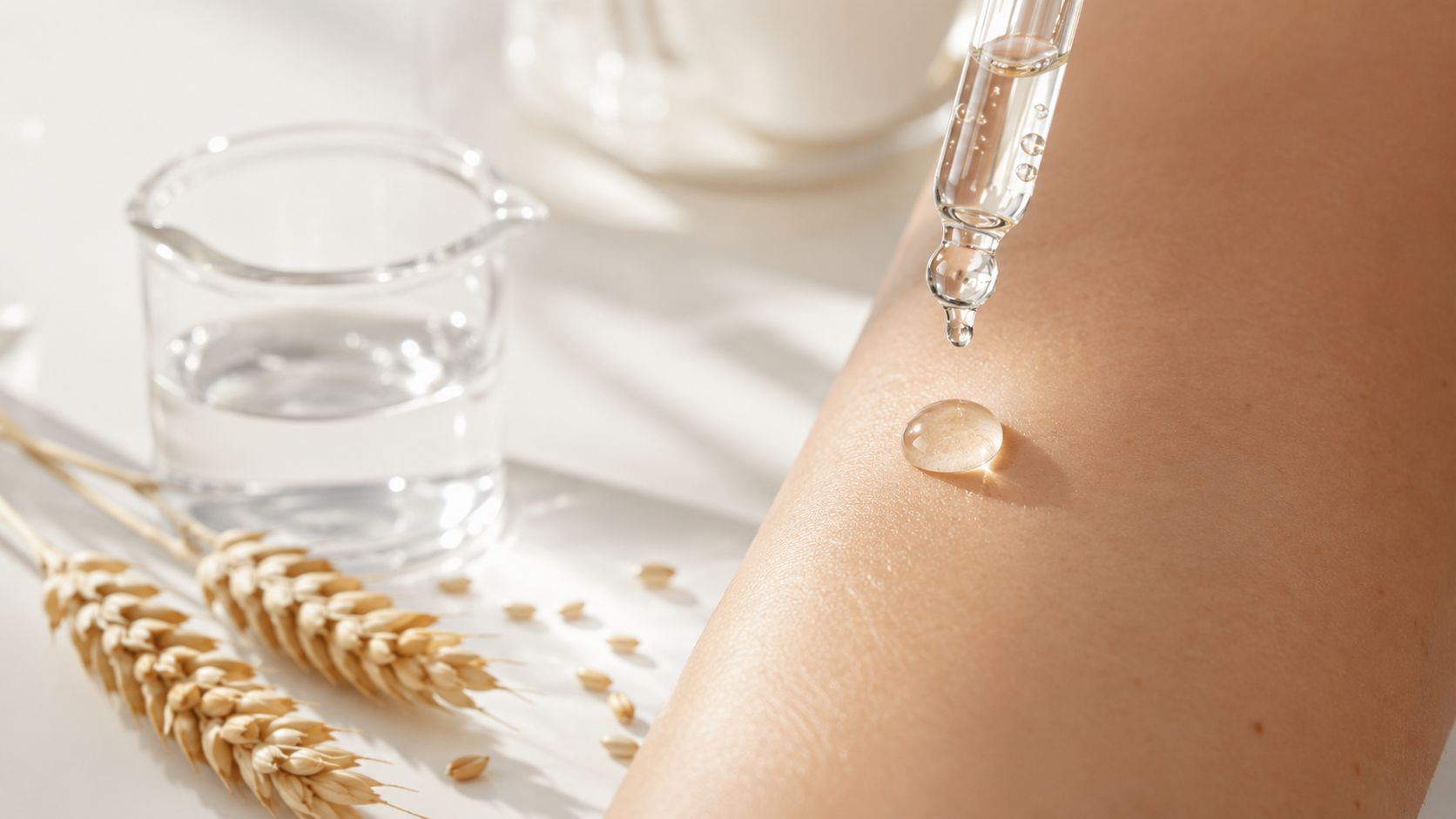
El ácido azelaico es uno de esos raros ingredientes para el cuidado de la piel que parece modesto en el estante pero hace mucho una vez que toca la piel. Puede ayudar con el acné, el enrojecimiento y el tono desigual, y la dermatología lo ha usado por más de 30 años, lo cual es un historial largo para algo que muchos usuarios primerizos aún consideran un ácido de nicho. Si compras productos japoneses para el cuidado de la piel a través de una fuente confiable como Buy Me Japan, el atractivo es aún más claro, porque las mejores rutinas tienden a favorecer productos suaves y en capas que son más fáciles de usar todos los días.
Eso importa porque los beneficios del ácido azelaico no solo se tratan de una preocupación. Se trata de encontrar un ingrediente que pueda encajar en una rutina real sin volver tu piel irritada, escamosa o poco confiable. Para cualquiera que compare productos de belleza japoneses, tratamientos para el acné y rutinas para piel calmada, el ácido azelaico suele estar en el centro de la conversación por una buena razón.
Qué es el ácido azelaico y por qué los dermatólogos confían en él
El ácido azelaico es un ingrediente tópico de acción múltiple que los dermatólogos han usado durante décadas, no es una novedad de moda. Está establecido para acné vulgar, rosácea e hiperpigmentación, y también tiene uso documentado en condiciones como hidradenitis supurativa, alopecia androgénica, psoriasis vulgar y queratosis pilar. Esa amplia huella clínica es una de las razones por las que sigue apareciendo en rutinas donde los resultados deben equilibrarse con la tolerabilidad, incluyendo el enfoque más amplio descrito en terapias para la salud de la piel. La base de evidencia resumida en una revisión PMC ayuda a explicar por qué los clínicos continúan confiando en él.
Una forma sencilla de entenderlo
El ácido azelaico funciona como un multitarea amigable para piel sensible. Ayuda a reducir los procesos relacionados con el acné, calma el enrojecimiento visible y apoya un tono de piel más uniforme, por lo que un solo ingrediente puede encajar en rutinas para el acné, cuidado de la rosácea y para la hiperpigmentación. Eso importa en el uso real, porque muchas personas quieren algo que aborde tanto el brote como la marca que deja sin añadir otro paso agresivo.
Regla práctica: si tu piel reacciona mal a activos más fuertes, el ácido azelaico suele valer la pena antes de pasar a algo más agresivo.
Una revisión Cochrane de 2020 encontró que la crema de ácido azelaico al 20% puede reducir tanto las lesiones de acné no inflamatorias como inflamatorias, con una eficacia comparable a tratamientos estándar para el acné como tretinoína, eritromicina y peróxido de benzoilo, además de ser mejor tolerada con menos efectos secundarios. En otro ensayo controlado, fue significativamente mejor que el placebo a los 1, 2 y 3 meses, mejorando el grado general de acné y las lesiones inflamadas con significancia estadística de P < 0.01 y P < 0.001 respectivamente.
Por qué importan la textura y la concentración
Las fórmulas de venta libre suelen tener alrededor del 10%, mientras que los productos de prescripción comúnmente alcanzan entre el 15% y 20%. Esa diferencia afecta cómo se siente el producto y qué tan fácilmente se integra en una rutina. Muchas rutinas de cuidado de la piel japonesas prefieren texturas más ligeras y capas más fáciles, por lo que el extremo más suave del rango suele ser adecuado para personas que quieren algo que puedan usar de forma constante sin reorganizar el resto de su régimen.
La imagen a continuación es un recordatorio visual útil de que el ácido azelaico proviene de una familia química simple, aunque sus beneficios para la piel son amplios.

Cómo funciona el ácido azelaico en la piel
El ácido azelaico actúa a través de varias vías a la vez, por eso sus beneficios parecen más amplios que los de muchos activos de un solo propósito. En términos simples, ayuda con bacterias, inflamación, poros obstruidos y pigmentación. Esa combinación es importante, porque un brote no es solo un evento. A menudo es una mezcla de acumulación excesiva en los poros, irritación y la marca oscura o roja que permanece después de que el granito desaparece.
El lado del poro y las bacterias
Tiene actividad antibacteriana contra los microbios relacionados con el acné, y lo hace sin comportarse como un antibiótico. Eso es útil para personas que quieren una opción para el acné sin antibióticos y para rutinas donde el uso a largo plazo importa más que un tratamiento agresivo de corta duración. Para un poro obstruido que comienza a inflamarse, esto ayuda a reducir una parte del problema.
El lado del enrojecimiento y el tono
El ácido azelaico también tiene actividad antiinflamatoria y antioxidante, lo que ayuda a explicar por qué a menudo se usa cuando la piel se ve irritada o reactiva. Un granito no necesita estar lleno de pus visible para beneficiarse de esa acción calmante. A veces, el mayor problema es el halo rojo alrededor de la imperfección, y el ácido azelaico está diseñado para ese tipo de problema.
La acumulación y el lado de la pigmentación
También ayuda a normalizar cómo las células de la piel se desprenden dentro del poro, por eso puede favorecer una piel con sensación más suave y menos comedones. En el aspecto del pigmento, inhibe la tirosinasa y apunta selectivamente a los melanocitos hiperactivos, ralentizando la producción excesiva de melanina que contribuye a las manchas oscuras y parches similares al melasma Revisión PMC sobre pigmentación y enrojecimiento.
Una sola mancha post-grano puede involucrar las cuatro vías a la vez: un poro obstruido, inflamación, enrojecimiento superficial y decoloración residual. Por eso el ácido azelaico a menudo se siente más completo que ingredientes que solo atacan uno de esos problemas.

La evidencia para acné, rosácea e hiperpigmentación
El ácido azelaico genera confianza porque aparece en investigaciones sobre varios problemas que a menudo se superponen en la piel real: acné, rosácea y decoloración residual. Si también estás investigando tratamientos para cicatrices de acné persistentes, ayuda separar los brotes activos del verdadero remodelado de cicatrices, ya que el ácido azelaico principalmente apoya el acné inflamado, los poros obstruidos, el enrojecimiento y las marcas que quedan después de que un brote se calma.
Acné inflamado, con poros obstruidos o ambos
Los datos sobre el acné son bastante directos. La crema tópica de ácido azelaico al 20% ha sido establecida como un tratamiento efectivo para el acné comedonal e inflamatorio PubMed 2530163. Una revisión PMC encontró que su desempeño fue similar al de la tretinoína, eritromicina y peróxido de benzoilo, mientras que los efectos secundarios fueron generalmente menores y la tolerabilidad mejor. Eso es importante porque un tratamiento puede funcionar en teoría y aún así fallar en el uso diario si causa ardor, resequedad o descamación excesiva.
Los estudios sobre acné en mujeres adultas también han reportado una mejora significativa en la gravedad del acné y en la calidad de vida, lo que coincide con lo que los dermatólogos observan en la práctica. El ácido azelaico tiende a ayudar a la persona que quiere un control constante sin convertir su rutina en un experimento de irritación cutánea.
Rosácea y enrojecimiento visible
La rosácea es un problema diferente, pero el ácido azelaico sigue teniendo un papel claro. Una revisión sistemática encontró que es más efectivo que el vehículo para mejorar la gravedad del eritema y reducir el número de lesiones inflamatorias, y también mejoró los resultados globales y el éxito del tratamiento Revisión PMC sobre pigmentación y enrojecimiento. Esa es una de las razones por las que se elige para pieles que se enrojecen fácilmente o reaccionan mal a activos más fuertes.
Para muchas personas, el problema principal no son solo los granos. Es la combinación de calor, enrojecimiento y sensibilidad lo que hace que la piel se sienta constantemente al límite. El ácido azelaico encaja mejor en ese patrón que los tratamientos tópicos más agresivos, porque está dirigido a calmar la superficie mientras sigue tratando la inflamación.
Manchas oscuras y tono desigual
Los hallazgos sobre el pigmento son igual de útiles. En un estudio con crema de ácido azelaico al 20%, la intensidad pigmentaria disminuyó más que con el vehículo, tanto por la puntuación del investigador como por análisis con cromómetro, y la mejora general también fue mayor al final del estudio Revisión PMC sobre pigmento y enrojecimiento. La investigación con gel de ácido azelaico al 15% también mostró mejoría en el eritema postinflamatorio y la hiperpigmentación relacionados con el acné, con reacciones adversas mínimas y sin efecto dañino en la función de la barrera Revisión PMC sobre pigmento y enrojecimiento.
Esto es útil porque las manchas oscuras después del acné suelen tardar más en desaparecer que el propio grano. El ácido azelaico no borra el pigmento de la noche a la mañana, pero le da a la piel una mejor oportunidad de calmarse y recuperarse sin añadir irritación extra.
WebMD señala que la mejora del acné puede tardar alrededor de un mes, mientras que la rosácea puede tardar alrededor de 3 meses antes de que se observe un cambio positivo WebMD. Ese tiempo ayuda a explicar por qué las personas que dejan de usarlo después de una o dos semanas a menudo piensan que el producto no funciona.
Una rutina práctica también es importante. Si combinas el ácido azelaico con un paso enfocado en la hidratación, una guía sobre qué es el suero de ácido hialurónico puede ayudarte a entender cómo reducir la sequedad y mantener la rutina lo suficientemente cómoda para seguirla.
La conclusión principal es sencilla. El ácido azelaico no siempre es la opción más agresiva, pero a menudo es una de las más fáciles de tolerar, lo que lo hace especialmente útil para pieles sensibles, tonos de piel más oscuros y para quienes intentan tratar el acné y la decoloración sin irritar más la piel en el proceso.
Elegir la concentración y formulación adecuadas
La concentración que elijas cambia la experiencia mucho más de lo que la mayoría de los principiantes espera. Una fórmula al 10% es el punto de partida más tolerante para piel sensible, mientras que el 15% al 20% suele ser territorio de tratamientos más fuertes tipo prescripción para acné, rosácea o preocupaciones pigmentarias similares al melasma revisión PMC. Si tu piel ya se seca, se siente tirante o con escozor por los activos, empezar con una concentración menor suele tener más sentido que buscar rapidez.
Crema, gel o espuma
Las cremas se sienten más ricas y son mejores para piel seca o madura. Los geles son más ligeros, se absorben más rápido y generalmente se sienten mejor en piel grasa o propensa al acné. Las espumas pueden ser más fáciles para áreas con vello o lugares difíciles de alcanzar, como la espalda o el cuero cabelludo.
La calidad de la formulación también importa. Un producto bien hecho mantiene el ácido azelaico en una forma que puede penetrar bien, mientras que las texturas pobres pueden sentirse arenosas o molestarte antes de que siquiera hayas usado el producto el tiempo suficiente para juzgar los resultados. Esa es una de las razones por las que la textura recibe más atención en el cuidado de la piel japonés, donde la aplicación elegante y el uso diario cómodo son parte del atractivo.
Regla práctica: si eres nuevo en los ácidos, elige primero un producto más ligero y suave, y solo aumenta la concentración si tu piel se mantiene tranquila.
Si estás construyendo una rutina hidratante alrededor del ácido azelaico, una guía como qué es el suero de ácido hialurónico puede ayudarte a entender por qué las capas que retienen agua suelen combinar bien con productos de tratamiento.
Una guía simple para decidir
- Piel sensible o primer usuario de ácidos: comienza con un gel al 10%.
- Acné moderado o rosácea: busca una crema del 15% al 20%.
- Piel grasa o clima húmedo: elige una textura en gel o fluida.
Esa es la decisión clave de compra, no solo el porcentaje en la etiqueta. Un producto de menor concentración que uses de forma constante es mejor que uno más fuerte que te haga abandonar en una semana.

Cómo añadir ácido azelaico a tu rutina
El ácido azelaico funciona mejor cuando lo tratas como un hábito constante, no como una solución de una sola noche. Comienza con una pequeña cantidad dos o tres veces por semana por la noche durante las primeras dos semanas, luego avanza hacia el uso diario si tu piel se mantiene cómoda. Si lo incorporas en una rutina existente para piel propensa al acné, esta guía de rutina enfocada en el acné es un punto de referencia útil para entender cómo suelen encajar los pasos del tratamiento.
Dónde se aplica en la rutina
Usa ácido azelaico después de limpiar y después de cualquier tónico o esencia hidratante, luego sigue con la crema hidratante. Por la mañana, aplícalo sobre la piel limpia antes de cremas más pesadas y protector solar. Ese orden mantiene el producto en contacto con la piel en lugar de atraparlo bajo capas que pueden hacerlo sentir menos cómodo.
Combina bien con niacinamida y ácido hialurónico, por eso muchas rutinas al estilo japonés lo usan junto con pasos hidratantes. También puedes usar vitamina C en otro momento del día si tu piel no tolera muchos activos juntos. Los retinoides también son posibles, pero es mejor introducirlos lentamente, a menudo en noches alternas al principio.
Una rutina semanal simple podría verse así.
- Lunes, miércoles, viernes: ácido azelaico por la noche.
- Martes, jueves: retinoide por la noche.
- Cada mañana: protector solar.
- Según sea necesario: tónico o esencia hidratante antes del tratamiento.
El protector solar es parte del tratamiento
El cuidado de la pigmentación no funciona bien sin protector solar diario. Si intentas desvanecer manchas oscuras o apoyar un tono más uniforme, el protector solar no es opcional.
El aclarado visible y la reducción de brotes suelen aparecer después de cuatro a ocho semanas de uso constante, no tras unas pocas aplicaciones WebMD. Eso es normal, y es una de las principales razones por las que las personas obtienen mejores resultados cuando incorporan el ácido azelaico en una rutina calmada y repetible.
Ácido azelaico comparado con otros activos para el cuidado de la piel
Muchas guías evitan la pregunta difícil, que es ¿por qué no usar algo más fuerte? La respuesta depende de lo que tu piel pueda tolerar y de lo que estés tratando de corregir. El ácido azelaico suele ganar en comodidad y versatilidad, pero no siempre es el mejor en todo.
Peróxido de benzoilo, ácido salicílico, niacinamida y retinoides
Contra el peróxido de benzoilo, el ácido azelaico suele ser menos secante y no decolora las telas. Sin embargo, el peróxido de benzoilo puede actuar más rápido en pústulas inflamadas, por lo que las personas con acné muy activo a veces lo usan cuando la rapidez importa más que la comodidad.
Contra el ácido salicílico, la diferencia es más clara. El ácido salicílico es mejor para piel grasa y con muchos puntos negros, mientras que el ácido azelaico es más fuerte cuando el enrojecimiento y la pigmentación forman parte del problema.
Contra la niacinamida, ambos son suaves, pero el ácido azelaico tiene evidencia clínica más fuerte para la reducción de lesiones de acné y la decoloración tipo melasma. La niacinamida sigue siendo un ingrediente de apoyo útil, especialmente si el cuidado de la barrera es tu prioridad.
Frente a los retinoides, la compensación es potencia versus tolerancia. Los retinoides son más poderosos para preocupaciones de envejecimiento y acné profundo, pero también causan más irritación y fotosensibilidad, y no se consideran seguros en el embarazo. El ácido azelaico es la opción más suave y se usa a menudo cuando la sensibilidad dificulta mantener el uso de retinoides.
Si tienes curiosidad sobre cómo los ácidos exfoliantes difieren del ácido azelaico en la planificación de la rutina, qué es el ácido alfa hidroxi ayuda a separar esas familias sin confundirlas.
La respuesta corta
El ácido azelaico es la mejor opción cuando la sensibilidad, enrojecimiento o pigmentación forman parte del problema. También es un gran aliado en una rutina de varios pasos, no un reemplazo universal para todos los demás activos. Esa distinción honesta es lo que lo hace útil en la vida real.
Efectos secundarios, errores y cómo manejarlos
La mayoría de los problemas con el ácido azelaico provienen de usarlo demasiado rápido, no del ingrediente en sí. Las reacciones comunes son leve escozor, picazón, sequedad y un breve hormigueo al aplicarlo, especialmente al principio. Por lo general, desaparecen en las primeras cuatro semanas, por eso la paciencia es más importante que el pánico.
Lo que suele salir mal
Un principiante suele hacer una de cuatro cosas. Aplica demasiado el primer día, lo combina con un retinoide fuerte la misma noche, se salta el hidratante o se olvida del protector solar en la mañana. Cada una de esas acciones puede hacer que un ingrediente suave se sienta demasiado intenso.
Regla práctica: comienza usándolo día por medio, usa menos de lo que crees necesitar y protege la barrera cutánea antes de buscar resultados rápidos.
Para pieles muy reactivas, el método sándwich ayuda. Aplica primero el hidratante, luego el ácido azelaico y después el hidratante nuevamente. Eso no elimina el tratamiento, solo reduce la posibilidad de que tu rostro se sienta tan irritado como para que quieras dejarlo.
Cuándo pausar
Evita aplicarlo demasiado cerca de los ojos y la boca. Si te sale un sarpullido, no solo un hormigueo temporal, deja de usarlo y consulta con un especialista. También debes consultar con un médico si estás embarazada o tratando a un niño.
La relación entre calmar la piel y apoyar la barrera se observa en muchas rutinas, por eso un ingrediente suave como qué es la cica en el cuidado de la piel se discute a menudo junto con el ácido azelaico.
La buena noticia es que los efectos secundarios del ácido azelaico suelen ser predecibles. Cuando las personas se toman las cosas con calma, usan hidratante y se mantienen constantes con el protector solar, generalmente tienen una experiencia mucho mejor de lo que esperaban desde el primer día.
Selecciones japonesas y cómo comprar inteligentemente en Buy Me Japan
Una buena rutina con ácido azelaico suele funcionar mejor cuando el resto de los productos se mantienen calmados y simples. Ahí es donde el cuidado de la piel japonés encaja naturalmente, porque muchas fórmulas de belleza japonesa están diseñadas para capas, hidratación y texturas que no agreden la piel. Si eliges productos a través de qué comprar en cosméticos de Japón, el mejor enfoque es construir alrededor del tratamiento, no del bombo publicitario.

Lo que combina bien con el ácido azelaico
Una base hidratante como la loción de ácido hialurónico Hada Labo puede ayudar a que la rutina se sienta menos agresiva. Para apoyar la barrera, las cremas Minon o Curél son opciones sensatas para piel sensible. Si quieres apoyo extra en la misma rutina, Shiseido Elixir o Shiseido AQUALABEL pueden encajar en una rutina diurna o nocturna más compleja. Para la protección solar, Anessa y Kose Sekkisei son compañeros naturales porque el protector solar es parte del cuidado del pigmento, no un complemento opcional.
El ácido azelaico puede venir como un producto con receta o una fórmula de venta libre al 10%, dependiendo de tu región y disponibilidad. La ventaja de comprar a través de Buy Me Japan es que estás viendo formulaciones auténticas japonesas enviadas directamente desde Japón, lo que facilita armar una rutina con productos diseñados para funcionar juntos. Prefiero que alguien compre un limpiador simple, un tónico hidratante, un tratamiento, una crema hidratante y un protector solar, en lugar de acumular cinco activos que no toleran.
Rutina de ácido azelaico con selecciones japonesas
| Paso | Propósito | Ejemplo de selección japonesa |
|---|---|---|
| Limpiador | Elimina el aceite y el protector solar sin resecar | MUJI, Shiseido Senka o Kao Curél |
| Tónico hidratante | Agrega agua antes del tratamiento | Loción Hada Labo |
| Tratamiento con ácido azelaico | Ataca el acné, el enrojecimiento y las marcas | Suero o gel de ácido azelaico, según disponibilidad |
| Crema hidratante | Apoya la barrera cutánea | Crema hidratante Minon o Curél |
| Protector solar | Protege los resultados del pigmento durante el día | Protector solar Anessa o Kose Sekkisei |
Un carrito inteligente suele verse así: un limpiador suave, un tónico hidratante, un tratamiento con ácido azelaico, una crema hidratante reparadora de la barrera y un protector solar de alta protección. Eso es suficiente para la mayoría de los principiantes y mantiene la rutina fácil de repetir.
Si estás listo para crear una rutina más calmada alrededor del ácido azelaico, visita Buy Me Japan para explorar productos auténticos de cuidado de la piel japonés que se envían directamente desde Japón. Puedes armar una rutina que apoye la piel sensible, el acné y el tono desigual sin complicar demasiado el proceso.


Compartir:
Rizador de pestañas Koji: Guía japonesa para la perfección de las pestañas
Limpiador Facial para Piel Sensible: Una Guía Completa de Compra