


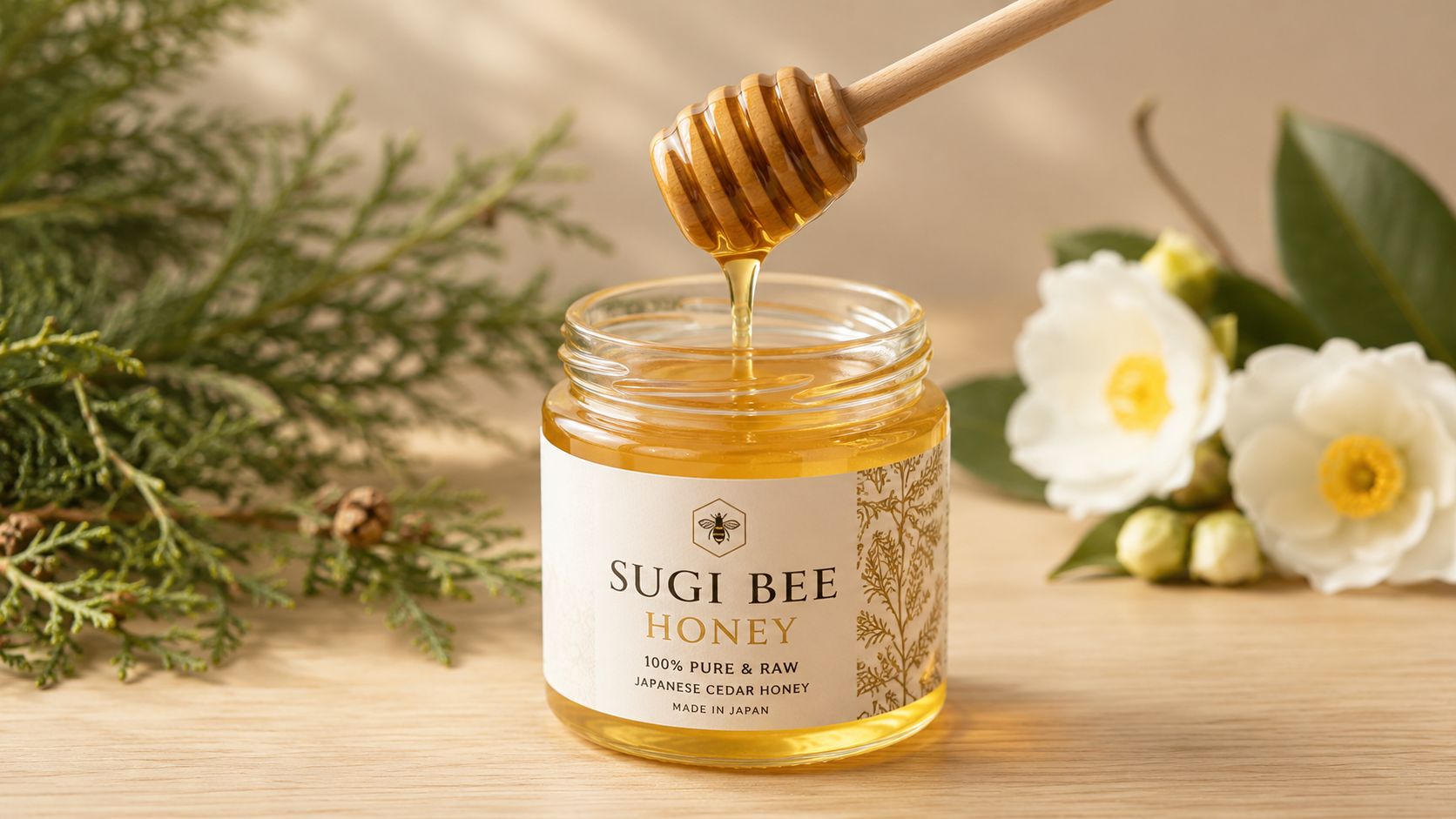
Als je ooit voor een schap hebt gestaan en je hebt afgevraagd waarom de ene pot honing alledaags aanvoelt, terwijl de andere eruitziet als een gespecialiseerd importproduct uit Japan, dan is Sugi Bee Honey een goed merk om te bestuderen. Het bevindt zich ergens tussen een basisproduct voor de voorraadkast en een premium Japans voedingsproduct, waardoor shoppers bij een eerste blik vaak in verwarring raken.
De eenvoudigste manier om dit te begrijpen, is door honing niet langer als één eenvoudig product te zien. Sugi Bee Garden verkoopt pure honing, honing-fruitblends en grotere potten voor huishoudelijk gebruik. Het merk draait daardoor om gebruik, herkomst en smaak, en niet alleen om zoetheid. Die mix is belangrijk als je een generieke knijpfles vergelijkt met een pot die bedoeld is voor thee, desserts of zelfs schoonheidsroutines.
Wat Sugi Bee Honey anders maakt dan gewone honing
In het schap gedraagt een pot Sugi Bee Honey zich niet als de honing die je doorgaans in een knijpfles uit de supermarkt vindt. Gewone supermarkthoning wordt meestal gezien als een eenvoudig zoetmiddel, terwijl Sugi Bee Garden zijn potten presenteert als onderdeel van een gespecialiseerd honinghuis, met producten in grotere winkelverpakkingen en gearomatiseerde blends die verder gaan dan gewone tafelhoning. Op de Engelstalige productpagina’s van het merk staan potten van 1 kg, zoals Maple & Honey en Haskap & Honey, plus een variant van 500 g Blueberry & Honey. Dat laat al zien dat het merk niet is opgezet als een eenvoudig massamarktmerk voor de voorraadkast productpagina.
De categorie maakt deel uit van het verhaal
Dat verschil is belangrijk, omdat een gespecialiseerd honingmerk meestal meerdere dingen tegelijk aangeeft. Het wijst op meer aandacht voor de herkomst, een doelbewuster smaakontwerp en meer ruimte voor een premium positionering in de detailhandel. Voor shoppers buiten Japan kan dat in eerste instantie verwarrend zijn, omdat het woord “honing” eenvoudig klinkt, terwijl het product zich meer gedraagt als een voedingscategorie met meerdere subtypen.
Praktische regel: als een honingmerk zowel pure als met fruit gemengde potten aanbiedt, beschouw het dan als een lijn met speciale ingrediënten en niet alleen als zoet broodbeleg.
Sugi Bee Garden profileert zich ook als een gespecialiseerde honingwinkel, waardoor het een duidelijker afgebakende positie heeft dan een breed supermarktmerk. Die focus past bij kopers die waarde hechten aan herkomst, textuur en duidelijkheid over het gebruik, en niet alleen aan een zoetmiddel voor op toast.
Waar shoppers op moeten letten
Wanneer je een pot zoals deze vergelijkt met honing uit de supermarkt, stel dan drie vragen. Is de honing bedoeld om met een lepel te eten, te mengen of mee te koken? Is het pure nectarhoning of een gearomatiseerde blend? Past het formaat bij regelmatig gebruik thuis of bij incidenteel gebruik?
Voor lezers die graag Japanse ingrediënten gebruiken in dagelijkse maaltijden kan een eenvoudige receptenbron helpen om je voor te stellen hoe honing in de keuken past. Een goed uitgangspunt is kook thuis Japans met Just, vooral als je wilt zien hoe zoete, hartige en citrusachtige smaken in de huiselijke keuken samenkomen.
Het verhaal achter Sugi Bee Garden en zijn bijenteelterfgoed
Het verhaal van Sugi Bee Garden begint in Kumamoto, Kyushu, in 1946, toen het bedrijf naar eigen zeggen startte met drie bijenkasten oprichtingsverhaal. Die oorsprong is belangrijk omdat het merk daarmee deel uitmaakt van de naoorlogse wederopbouw van Japan, waarin voedselproductie, lokaal vakmanschap en agrarische veerkracht allemaal van groot belang waren. Een honingbedrijf dat met drie bijenkasten begint en uitgroeit tot een nationaal bekend merk voelt anders dan een anonieme verpakker.
Vandaag zegt het bedrijf dat het grootste aantal bijenvolken in Japan heeft oprichtingsverhaal. Dat is een nuttige indicatie van de omvang, maar interessanter is wat die schaal mogelijk maakt. Dankzij een groter aantal bijenvolken kan een honingproducent consistentere productlijnen opbouwen en tegelijk een sterke band met de Japanse bijenteeltidentiteit behouden.

Waarom Japanse herkomst ertoe doet
Honing is verbonden met bloemen, het weer en de gezondheid van bijenvolken, waardoor het aanbod van jaar tot jaar kan variëren. In een interview zei het merk dat de binnenlandse oogst slechts ongeveer 30% van een normaal jaar bedroeg, wat neerkomt op een daling van ongeveer 70% interview. Die variabiliteit verklaart waarom Japanse honing vaak een gevoel van schaarste oproept en waarom herkomst onderdeel kan worden van de waarde van het product.
Voor shoppers betekent dat dat een pot Sugi Bee Honey niet zomaar zoet is. Het vertegenwoordigt een specifiek productieproces, verbonden met de binnenlandse Japanse bijenteelt, omgevingsomstandigheden en het zorgvuldig bottelen van beperkte oogsten. Daarom beschouwen veel kopers het eerder als een regionale specialiteit dan als een gewone zoetstof.
Waarom dit erfgoed nog steeds zichtbaar is
De productaankondigingen van het merk in het Japans wijzen ook op seizoensgebonden producten uit Japan, wat het idee versterkt dat honing van binnenlandse oorsprong centraal blijft staan in de identiteit van het merk. Als je meer wilt weten over de culturele kant van het merk, helpt het om die context te combineren met bredere Japanse eetgewoonten en tradities rond thuis koken. Honing komt voor in thee, ontbijtgerechten en eenvoudige desserts, maar ook in een voorraadkastcultuur waarin welzijn centraal staat. Daarom past het merk zowel bij boodschappen voor voeding als bij lifestyleaankopen.
Voor lezers die ook Japanse huidverzorging en beautycontent volgen, is de gids van Buy Me Japan over de revolutie in Japanse huidverzorging een nuttige herinnering dat Japanse consumentengewoonten voedsel, welzijn en dagelijkse verzorging vaak op een zeer praktische, eerder dan trendgevoelige manier combineren.
Zo lees je het assortiment Sugi Bee-honing
De eenvoudigste manier om een pot te kiezen, is het merkverhaal even buiten beschouwing te laten en het assortiment te bekijken als een keukenkeuze. Het assortiment van Sugi Bee Garden omvat gewone honing in grotere formaten voor huishoudelijk gebruik, plus gearomatiseerde varianten en fruit-honingstijlen zoals Ahornsiroop & honing, Haskapbes & honing en Bosbes & honing productpagina. Die verpakkingsformaten zijn belangrijk, omdat een pot van 1 kg meestal geschikt is voor herhaald gebruik door het hele gezin, terwijl kleinere gearomatiseerde formaten meer een luxueuze, beperkte gebruikservaring suggereren.
Begin met het formaat
Als je honing koopt voor dagelijkse thee, toast bij het ontbijt of een huishouden waar vaak honing wordt gebruikt, is een grotere pot een logische keuze. Wil je honing over yoghurt druppelen, door drankjes mengen of als finishing touch serveren, dan past een gearomatiseerde honingblend vaak beter. Het assortiment zelf suggereert dat het merk niet alleen zoetheid verkoopt, maar je verschillende texturen en smaakintensiteiten voor uiteenlopende routines biedt.
| Variëteit | Formaat | Typisch gebruik | Zoetheidsprofiel |
|---|---|---|---|
| Gewone honing | Grote pot | Voor op de lepel, bij het bakken en in de voorraadkast | Vol van smaak, geconcentreerd |
| Ahornsiroop & honing | 1 kg | Voor het ontbijt, op toast en voor dagelijks gebruik | Zoet met een gelaagde smaak |
| Haskapbes & honing | 1 kg | Voor thee, als desserttopping en om te mengen | Fruitig en aromatisch |
| Bosbes & honing | 500 g | Als finishing touch, om cadeau te doen of te proeven | Luxueuzer, met de nadruk op fruit |
Lees het etiket als een koper, niet als een toevallige bezoeker
Kijk eerst naar de productnaam, vervolgens naar de verpakkingsgrootte en daarna naar de ingrediëntenlijst. Op een pot gewone honing hoort iets anders te staan dan op een fruit-honingblend, en dat verschil vertelt je veel over hoe de honing zich in de keuken gedraagt. Zie je fruitnamen, verwacht dan een zachtere zoetheid en een veelzijdiger product om te druppelen, in plaats van pure honing die je met een lepel eet.
Een goed honingetiket vertelt je al waarvoor de pot bedoeld is voordat je hem zelfs maar opent.
Als je een voorraadkast met Japanse ingrediënten wilt samenstellen, is een goede volgende stap om honing te vergelijken met andere zoet-hartige voorraadproducten van Buy Me Japan. Een nuttige verwante tekst is de gids over gemberthee met bruine suiker, omdat die zich in dezelfde sfeer van warme dranken en comfortfood bevindt.
Wat zit er in een pot Sugi Bee Honey?
De duidelijkste manier om het verschil tussen potten te begrijpen, is door naar de voedingswaardetabellen te kijken. Op een officiële productpagina staat pure honing vermeld met 329 kcal per 100 g en 81,9 g koolhydraten, terwijl een fruit-honingproduct 282 kcal en 70,5 g koolhydraten per 100 g bevat voedingswaarden van pure en fruit-honing. Dat verschil is precies wat je zou verwachten wanneer yuzusap en pectine worden toegevoegd, omdat de pot dan niet langer alleen uit geconcentreerde nectar bestaat.
Wat de cijfers je vertellen
Honing bevat van nature veel suikers, dus een hoger koolhydraatgehalte wijst meestal op een geconcentreerder product. Wanneer vruchtensap of andere ingrediënten worden toegevoegd, daalt de energiedichtheid en verandert ook de textuur. Dat maakt het product niet slechter; het betekent alleen dat het een andere rol in de keuken speelt.
Bij pure honing krijg je een directer honingaroma, wat beter werkt om zo op te lepelen, mee te bakken of te gebruiken wanneer de honing zelf op de voorgrond moet staan. Bij een fruit-honingmix krijg je een zachter smaakprofiel dat vaak beter past in thee, drankjes of als topping over desserts. Praktisch gezien gedraagt de gemengde honing zich meer als een zoete smaakvolle siroop dan als pure honing voor de voorraadkast.
Waarom textuur en houdbaarheidsgedrag veranderen
De wetenschap achter honing helpt dit te verklaren. Honing bevat doorgaans ongeveer 300 kcal per 100 g en gemiddeld ongeveer 17% water, waardoor vocht en toevoegingen invloed hebben op de viscositeit, kristallisatie en houdbaarheid. Een mix met vruchtensap voelt doorgaans vloeibaarder aan en mengt mogelijk gemakkelijker door drankjes, terwijl een pot pure honing geschikter is wanneer je een dikkere schenking en een klassiekere honingtextuur wilt.
Koopregel: wil je een pot voor drankjes, kies dan de mix. Wil je een pot om mee te bakken of om zo op te lepelen, kies dan de pure honing.
Dat onderscheid helpt ook wanneer je toekomstige productetiketten leest. Vraag jezelf niet af of een pot “gezonder” is, maar welke rol het product speelt. Een stevige pure honing en een zachtere fruitmix zijn voor verschillende toepassingen gemaakt.
Voor lezers die honing graag gebruiken in schoonheidsgerelateerde routines is het artikel van Buy Me Japan over honingolie voor het haar een praktische aanvulling, omdat het laat zien hoe op honing geïnspireerde ingrediënten passen binnen gesprekken over haarverzorging.
Dagelijkse manieren om Sugi Bee Honey te gebruiken voor voeding en huidverzorging
Een potje als dit begrijp je het makkelijkst wanneer je het onderdeel maakt van een routine. In de keuken blijft de eenvoudigste toepassing een van de beste: een lepeltje op zichzelf, of een kleine hoeveelheid door warm water, groene thee, yoghurt of op toast. De gewone honingvariant is hier het meest veelzijdig, terwijl een fruitblend voor een duidelijkere smaakboost zorgt.

Eenvoudige toepassingen in de keuken
Een lepeltje in de ochtend werkt het best als je iets eenvoudigs en direct wilt. Door honing door warme thee te roeren, wordt de textuur zachter en verspreidt de smaak zich gelijkmatiger. Daarom geven veel mensen hier de voorkeur aan boven honing rechtstreeks uit de pot eten. Je kunt de honing ook over yoghurt of toast sprenkelen, vooral als je een fruit-honingblend met een lichter, aromatischer smaakprofiel hebt gekocht.
Eenvoudige toepassingen voor huid- en haarverzorging
Honing komt ook voor in zelfzorg voor thuis. Een gezichtsmasker met honing en yoghurt is een bekende doe-het-zelfoptie voor mensen die houden van eenvoudige routines met ingrediënten uit de keuken. Een kleine hoeveelheid kan thuis ook worden gebruikt in een mengsel dat lijkt op een lippenbalsem. Voor droge haarpunten wordt een spoeling op basis van honing vaak gezien als een verzorgende routine, niet als een behandeling met spectaculaire claims.
Het belangrijkste is om je verwachtingen realistisch te houden. Honing is in de eerste plaats een voedingsmiddel, dus gebruik op de huid moet mild, incidenteel en eenvoudig blijven. Als je iets op je huid wilt uitproberen, is een patchtest de verstandigste aanpak.
Later op de dag kun je honing ook zien als een veelzijdig ingrediënt voor drankjes en comfortfood. Hetzelfde warme, zoete smaakprofiel past natuurlijk bij gember, citrusvruchten en thee. Daarom duiken recepten voor dranken met honing steeds weer op in Japanse huishoudens.
Als je van dit soort smaakprofielen houdt, kan een verwant recept over gemberthee met bruine suiker je helpen om met één potje meerdere keer een drankje te maken.
Hoe Sugi Bee Honey zich verhoudt tot manuka, acacia en gewone tafelhoning
Sugi Bee Honey komt het best tot zijn recht wanneer je het vergelijkt met de honingcategorieën die shoppers al kennen. Manuka wordt meestal gekozen vanwege de meetbare functionele kenmerken. Sugi Bee Garden zelf zegt dat de antibacteriële eigenschappen van manuka worden bepaald door MGO, met sterkere antioxiderende eigenschappen dan acacia en andere bloemenhoningsoorten technisch materiaal. Acacia heeft een lichtere, mildere smaak. Gewone tafelhoning is vaak gewoon een algemene zoetstof, waarbij er minder aandacht is voor de herkomst.
Waar Sugi Bee Honey tussen past
Sugi Bee Honey kun je het best zien als een Japanse lijn met bijzondere honing, gericht op traceerbaarheid van monoflorale honing, innovatieve fruit-honingcombinaties en een merkverhaal met een lange geschiedenis. Het probeert geen honingcategorie met een medische uitstraling te zijn, en juist dat is een deel van de aantrekkingskracht. De nadruk ligt op smaak, herkomst en variatie, waardoor het aantrekkelijk is voor shoppers die iets specifiekers willen dan standaard supermarkt-honing.
De vergelijking die ertoe doet
| Categorie | Belangrijkste kracht | Smaakprofiel | Ideaal voor |
|---|---|---|---|
| Manuka | Focus op functionele markers | Rijk en onderscheidend | Kopers die een specifiek honingtype zoeken |
| Acacia | Mildheid | Licht en subtiel | Thee, milde zoetheid |
| Veelvoorkomende tafel honing | Gemak | Neutraal | Dagelijks zoeten |
| Sugi Bee Honey | Japanse specialiteit en variatie | Puur, bloemig of fruitig | Koken, cadeau geven, proeven |
Voor thuiskoks betekent dit dat de juiste pot afhangt van de toepassing. Als je honing wilt met een herkenbare reputatie die op een specifieke marker is gebaseerd, kiezen mensen meestal voor manuka. Als je een delicate zoetstof zoekt, is acacia gemakkelijker in gebruik. Als je een Japanse specialiteit met fruitige of botanische kenmerken wilt, heeft Sugi Bee Honey een veel interessantere uitstraling in het schap.
Een interessante productvergelijking uit de Buy Me Japan-catalogus is Ebara Barbecue Sauce Sweet Apple & Honey 300g. Deze saus gebruikt Japanse sojasaus, appelpulp en echte honing als hartige smaakmaker. Het laat zien hoe honing verder kan gaan dan het ontbijt en ook geschikt is voor grillen, glaceren en marineren, zonder zijn zoete karakter te verliezen.

Als je honingcategorieën vergelijkt omdat je ook Japanse haar- en beautyproducten koopt, kan het gerelateerde artikel over And Honey-shampoo je helpen zien hoe het honingsconcept ook in andere Japanse productlijnen terugkomt.
Authentieke Sugi Bee-honing kopen en goed bewaren
Authentiek kopen begint bij het etiket. Let op de naam Sugi Bee Garden, lees de ingrediëntenlijst en controleer of de pot pure honing of een gearomatiseerde blend bevat. Als je internationaal winkelt, verklein je de kans op een verkeerd gelabeld of verdund product door via een zorgvuldig geselecteerde retailer te kopen. Dat is vooral belangrijk bij bijzondere honingsoorten.
Een eenvoudige checklist voor het kopen
- Controleer de merknaam: Sugi Bee Garden moet zichtbaar zijn op de verpakking of in de productvermelding.
- Lees de ingrediëntenlijst: pure honing hoort er anders uit te zien dan fruitmengsels, en dat verschil moet duidelijk zijn.
- Stem de potgrootte af op het gebruik: grotere potten zijn geschikt voor herhaald huishoudelijk gebruik, kleinere potten voor proeven of cadeau geven.
- Controleer het beoogde gebruik: sommige potten zijn beter voor thee of desserts, terwijl andere beter geschikt zijn om zo te eten of om mee te bakken.
De winkelcontext helpt ook. Buy Me Japan selecteert Japanse producten voor internationale klanten, zodat de honingpagina's naast andere Japanse voedingsmiddelen en lifestyleproducten staan in plaats van tussen willekeurige marktplaatsaanbiedingen. Voor shoppers die een uitgebreidere gids willen voor het bestellen van Japanse producten in het buitenland, is het artikel over online Japanse boodschappen bestellen in de VS een praktische aanvulling.
Bewaren is eenvoudig
Bewaar de pot goed afgesloten op kamertemperatuur en uit direct zonlicht. Honing kan na verloop van tijd kristalliseren. Dat is normaal en geen teken dat de honing bedorven is. Als je de voorkeur geeft aan een gladdere textuur, verwarm de afgesloten pot dan voorzichtig au bain-marie in plaats van op hoog vuur.
Kristallisatie is een verandering van textuur, geen kwaliteitsprobleem.
Als je honing ook in je dagelijkse keuken wilt gebruiken, komt dezelfde smaakfamilie terug in andere Japanse voorraadkastproducten. Ebara's honing-barbecuesaus is een voorbeeld van hoe zoete tonen in hartige gerechten kunnen worden verwerkt zonder een apart dessert nodig te hebben.
Veelgestelde vragen over Sugi Bee Honey
Is Sugi Bee Honey veilig voor gebruik op de huid?
Mensen gebruiken honing inderdaad in eenvoudige doe-het-zelfverzorgingsroutines voor de huid, maar het blijft een voedingsmiddel. Gebruik het daarom voorzichtig op de huid en test het eerst op een klein stukje huid. Gebruik het niet op geïrriteerde huid.
Hoe weet ik of een pot echt is?
Let op de naam Sugi Bee Garden, lees de ingrediëntenlijst zorgvuldig en koop bij een bron die de productgegevens duidelijk vermeldt. Zo verklein je het risico dat je een speciale honingpot verwart met een generieke melange.
Wat als de honing kristalliseert?
Dat is normaal. Honing verandert na verloop van tijd van textuur, en kristallisatie betekent niet automatisch dat de honing bedorven is.
Zijn de gearomatiseerde varianten geschikt om mee te bakken?
Ze kunnen werken, maar zijn meestal beter voor drankjes, om zo te eten of om eroverheen te druppelen, omdat de toegevoegde fruit- of smaakingrediënten de textuur en het zoetheidsprofiel veranderen.
Waarom zou je het via Buy Me Japan uit Japan kopen?
Je profiteert van rechtstreekse verzending vanuit Japan, een zorgvuldig samengesteld productaanbod en een duidelijkere route naar authentieke Japanse voedingsmiddelen die je moeilijker in gewone winkels vindt.
Als je Sugi Bee Honey vol vertrouwen wilt proberen, begin dan met de pot die past bij de manier waarop je honing gebruikt, niet alleen bij het mooiste etiket. Buy Me Japan selecteert Japanse voedingsmiddelen en lifestyleproducten voor internationale shoppers, zodat je authentieke potten kunt vergelijken, de details duidelijk kunt lezen en alles op één plek vanuit Japan kunt bestellen. Ga naar Buy Me Japan wanneer je klaar bent om een honing te kiezen die bij je keuken en je routine past.

Deel:
Huidverzorging met parelpoeder: voordelen, toepassingen en koopgids
Gekruide sojasaus: gids voor gebruik en de beste merken