


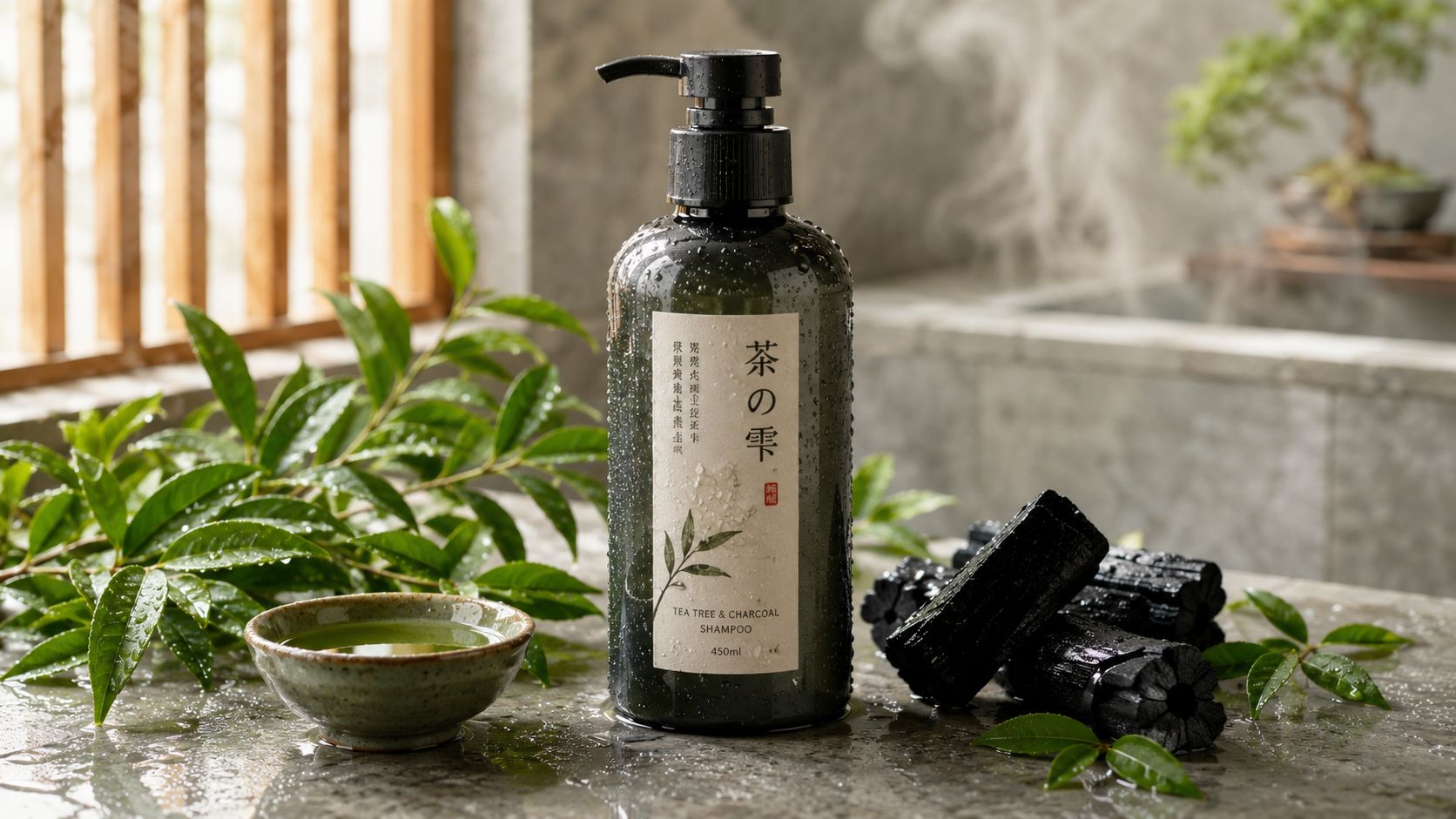
Freshly washed hair should not feel heavy again by the afternoon. Yet for many people with an oily scalp, that's exactly what happens. The roots flatten, the scalp feels warm or sticky, and by the next morning the hair already looks overdue for another wash.
In Japanese hair care, this problem is rarely treated as just a “bad shampoo” issue. The scalp is treated more like facial skin. It needs the right cleanser, the right frequency, and the right follow-up care. If you choose products only for the hair shaft and ignore the scalp, oil control usually stays inconsistent.
Japanese routines are especially useful here because they focus on balance rather than extremes. A good routine removes excess sebum, keeps the scalp comfortable, and avoids the residue that makes roots collapse faster.
Your Guide to Managing an Oily Scalp with Japanese Hair Care
The starting point is simple. The best shampoo for oily scalp has to work at the root of the problem, not just wash away surface grease. Excess oil comes from overactive sebaceous glands near the scalp, so a routine that only gives a temporary squeaky-clean feeling often disappoints later in the day, as explained in this overview of sebum production at the root.
That scalp-first mindset is one reason Japanese hair care feels different. In Japan, healthy hair begins with a clean, balanced scalp. The shampoo matters, but the method matters too. How you apply it, how often you wash, and whether you leave behind heavy residue all change the result.
A practical oily scalp routine usually includes these decisions:
- Choose for scalp condition first: If your roots get greasy quickly, prioritize cleansing performance over rich smoothing claims.
- Match the formula to your hair type: Fine hair, thick hair, and curly hair all need different weight and conditioning levels.
- Think in routines, not single miracles: Many strong Japanese routines combine shampoo with a scalp treatment or lightweight post-wash care.
Main takeaway: If your scalp gets oily fast, the goal isn't to punish it with harsher cleansing. The goal is to remove buildup consistently and keep the scalp environment balanced.
If you want a broader look at Japanese formulas and textures before choosing a shampoo, this guide to top Japanese hair products is a useful place to compare categories.
Understanding the Causes and Signs of an Oily Scalp
Some people are born with a scalp that produces oil more quickly. Others notice a change during puberty, menopause, periods of stress, hot weather, or when they switch to heavier styling products. Oil itself is not the enemy. Sebum helps protect the scalp. The problem starts when production outpaces cleansing and the roots stay coated.
Hormonal shifts are one well-known trigger. They can make ingredient choice more important because the scalp may need cleansing support without becoming irritated. One consumer-facing review on this topic notes that hormonal fluctuations during puberty and menopause are a documented cause of oily scalp and also highlights the importance of avoiding over-conditioning on the scalp while using moisture more carefully on the rest of the hair in this oily scalp ingredient guide.
What's happening on the scalp
Think of sebaceous glands as tiny oil taps attached to the hair follicle. Everyone has them, but some run faster than others. If cleansing is too weak, or if residue from oils, silicones, and styling products sits on the scalp, that oil has nowhere to go except across the roots.
Environmental buildup can add to the problem. Dust, sweat, and leftover dry shampoo all change how the scalp feels. For a simple non-medical overview of why sebum can rise, the article on Neutralyze on sebum causes is a helpful reference.
Signs that your scalp is oily, not dry
People often misread oily scalp symptoms and then buy the wrong shampoo. Watch for patterns like these:
- Fast root collapse: Hair looks flat or separated soon after washing.
- Sticky or waxy scalp feel: The scalp doesn't feel dry. It feels coated.
- Flakes that cling: Oily flakes tend to stick to the scalp or roots instead of drifting off like dry dandruff.
- Heavy lengths near the crown: Even clean hair can look limp when scalp oil travels downward.
If your roots feel greasy but your ends feel rough, you don't need a richer scalp shampoo. You need better separation between scalp cleansing and length conditioning.
What usually makes it worse
A few habits commonly push oily scalps in the wrong direction:
- Creamy, rich formulas at the root: These often leave residue.
- Conditioner on the scalp: This is one of the fastest ways to flatten fine hair.
- Inconsistent washing: Waiting too long between washes can let sebum, odor, and buildup compound.
- Heavy leave-ins near the crown: Many people apply shine products too high up the hair.
An oily scalp is manageable once you identify the pattern correctly. The wrong diagnosis is often the reason routines fail.
Decoding Shampoo Ingredients for Oily Scalps
A shampoo label tells you almost everything you need to know, if you know what to scan for. For oily scalps, the best formulas reduce residue, loosen buildup, and cleanse the scalp without turning the lengths rough.

What to seek
The first ingredient family worth knowing is salicylic acid. For individuals with an oily scalp, the most effective shampoo formulation should contain 1–2% salicylic acid, which gently exfoliates the stratum corneum, dissolves sebum buildup, and helps regulate sebaceous gland activity, as described in this explanation of salicylic acid for oily scalp formulas.
Other useful ingredients include:
- Zinc pyrithione: Helpful when oiliness comes with visible flakes.
- Ketoconazole: Often chosen when dandruff and oil are both present.
- Tea tree oil: A lighter, balancing option that many people prefer in scalp-focused routines.
- Clarifying surfactants: These help remove buildup before it hardens into a waxy film.
One broad consumer guide also notes that shampoos for oily scalps often work best when they include actives such as salicylic acid, ketoconazole, or zinc pyrithione, and that clarifying shampoos can be alternated with gentler daily shampoos in this ingredient summary for oily hair care.
What to avoid
For oily roots, texture matters as much as cleansing strength. Avoid formulas that load the scalp with film-forming ingredients.
The main ingredients I tell people to watch closely are:
- Heavy silicones such as dimethicone: These can trap grease and leave a coated feeling on oily roots.
- Rich oils and butters on the scalp: Good for very dry lengths. Often unhelpful at the root.
- Very creamy, “repair-first” shampoos: These are often designed for damaged hair, not fast-greasing scalps.
Practical rule: If a shampoo makes your roots feel soft but your hair goes flat faster, the formula is probably too rich for your scalp.
Japanese formulas and label reading
Japanese hair care often separates scalp cleansing from hair repair more clearly than many mass-market routines. That's useful because oily scalps usually need a cleaner formula at the root and a different product for the ends.
If you're also learning how Japanese beauty products use plant extracts and soothing support ingredients across categories, this article on what Centella Asiatica extract is gives a useful background on ingredient thinking.
A quick comparison helps when shopping:
| Ingredient direction | Better for oily scalp | Usually less helpful for oily scalp |
|---|---|---|
| Exfoliating support | Salicylic acid | No exfoliating support at all |
| Anti-flake support | Zinc pyrithione, ketoconazole | Heavy perfume without scalp actives |
| Texture | Lightweight, clarifying | Rich, creamy, coating |
| Root feel after rinsing | Clean, airy, fresh | Slippery, waxy, coated |
The best shampoo for oily scalp should leave the scalp clean, not padded with residue.
How to Choose the Right Shampoo for Your Hair Type
By evening, one person's roots are already separating at the part, while another has an oily scalp but still struggles with dry ends and frizz. Both need oil control. They do not need the same shampoo.
Japanese hair care starts with a simple principle. The scalp is skin, and the hair fiber is a separate material with different needs. That is why many Japanese routines choose the shampoo by scalp condition first, then adjust the rest of the routine for the lengths. For oily scalps, this prevents a common mistake. People buy a strong shampoo for the whole head, then wonder why the roots still get greasy while the ends become rough.
Fine or straight hair
Fine and straight hair usually shows scalp oil quickly because sebum spreads easily along a smooth hair shaft. The right shampoo should rinse clean, keep volume at the root, and avoid leaving a silky film that collapses the style a few hours later.
Look for a fluid or gel-like texture rather than a dense cream. In practice, I also look at the finish after rinsing. If the crown feels too soft or slippery before conditioner, the formula is often too conditioning for an oily scalp.
Useful signs for this hair type:
- Light rinse-off feel: roots feel fresh, not coated
- Moderate cleansing strength: enough to remove sebum without a tight after-feel
- Low residue finish: better lift at the crown and around the hairline
Wavy or curly hair
Wavy and curly hair needs a split approach. The scalp may need regular cleansing, but the bends in the hair make it harder for natural oils to reach the ends. A shampoo for this hair type should clean the scalp well without pushing the lengths into dryness.
Japanese routines often solve this with step separation. Use shampoo only on the scalp, let the lather pass through the lengths during rinsing, then place conditioner or a hair mask from mid-length to ends. That keeps the root area lighter and protects curl pattern and softness where oil does not travel well.
Your scalp may be oily even when your ends are thirsty. Choose shampoo for the scalp. Choose treatment for the hair fiber.
Thick, dense, or product-heavy hair
Dense hair can hide oil for longer, but it also traps styling residue, sweat, and dry shampoo close to the scalp. In this case, shampoo choice is less about “strongest cleanser wins” and more about rotation.
A practical setup is to keep one regular scalp shampoo and one deeper-cleaning option for buildup days. Japanese brands often do this well, especially lines that separate daily cleansing from weekly scalp reset products. If you are comparing gentler botanical options, this guide to My Organic Shampoo for softer Japanese cleansing styles gives a useful reference point.
Use the deeper cleanser when the scalp feels waxy, the roots stay limp after washing, or styling products stop performing normally.
If your scalp is oily but sensitive
This group needs the most care with shampoo selection. An oily scalp can still have a fragile barrier, especially if there is redness, itching, or a stinging response to heavily fragranced formulas. Strong detergents may remove oil fast, but they often leave the scalp reactive and uncomfortable by the next wash.
Choose balanced cleansers and keep the routine simple. Japanese scalp care often includes soothing support ingredients that would look familiar in facial skin care, such as amino acid-based cleansers, licorice root derivatives, and plant extracts used to calm visible irritation. Fragrance level matters too. Readers who prefer minimal formulas and packaging-conscious options may find this discussion of low-waste sensitive skin care useful.
A quick fitting guide helps:
| Hair profile | Best shampoo style | Conditioner placement |
|---|---|---|
| Fine or straight | Lightweight, residue-light, scalp-focused | Ends only, lightly |
| Wavy or curly | Cleansing at the root, gentle on lengths | Mid-lengths to ends |
| Thick or product-heavy | Regular shampoo plus occasional deeper cleanse | Lengths only |
| Oily but sensitive scalp | Mild, low-irritation cleanser with a clean rinse | Off the scalp |
The best shampoo for oily scalp should match the scalp you have and the hair attached to it. That is the part many guides miss. Japanese hair care usually does not.
The Japanese Art of Scalp Cleansing and Care Routines
Japanese hair care treats washing as scalp care, not just hair washing. That changes the result. A well-chosen shampoo can help, but technique often decides whether the scalp stays fresh for a full day or turns oily again by noon.

One point matters immediately. In Asian populations, satisfaction with scalp condition was highest when washing 5–6 times per week, and that frequency significantly decreased sebum levels, flaking, and scalp odor without negatively affecting hair condition, according to this review of scalp washing frequency research. For oily scalps, fear of “overcleaning” is often overstated when the formula and method are appropriate.
Why frequent washing can help
If the scalp produces oil quickly, leaving sebum to sit for too long usually doesn't create balance. It creates accumulation. That buildup can mix with dead skin, styling products, and sweat, making the scalp feel dirtier and the roots heavier.
A practical outside discussion of the everyday washing question appears in PRP For HairLoss, which many readers may find useful when comparing common opinions about daily cleansing.
A greasy scalp is not always asking for a harsher shampoo. Often it's asking for a cleaner routine done more consistently.
How to wash the Japanese way
The Japanese approach is usually more deliberate than a quick lather and rinse. Use this order:
-
Rinse thoroughly before shampooing
Wet the scalp completely first. This loosens surface oil and helps shampoo spread evenly. -
Apply shampoo to the scalp, not the lengths
Concentrate at the roots, crown, hairline, and behind the ears. -
Massage with fingertips
Use the pads of your fingers, never the nails. Gentle friction helps lift sebum and buildup. -
Rinse longer than you think you need to
Leftover shampoo is one of the most common causes of irritation and root heaviness. -
Condition only where needed
Keep conditioner away from the scalp unless a formula is specifically made for scalp use.
For readers dealing with flakes as well as oil, this guide to the best scalp treatment for dandruff is a useful companion.
A short visual explanation helps make the method easier to follow:
The role of multi-step scalp care
Many Japanese routines don't stop at shampoo. They may include a pre-wash scalp scrub when buildup is obvious, or a lightweight scalp tonic after washing when the scalp feels stuffy or unbalanced.
This isn't complexity for its own sake. It reflects a skincare mindset. Cleanse first. Support second. Heavy serums and rich masks belong on damaged lengths, not oily roots.
Top Japanese Shampoos for Oily Scalps
Choosing products for an oily scalp works best when you think in profiles. One shampoo suits someone whose roots get slick by afternoon. Another suits someone whose scalp gets oily while the ends stay dry. Japanese brands are especially good at this kind of texture-specific design.

A useful point that many Western roundups miss is routine building. A significant gap in Western recommendations is the lack of guidance on combining Japanese hair care products, while 65% of Japanese consumers with oily scalps use multi-step routines involving scalp scrubs and lightweight serums, according to this discussion of shampoo routines for oily hair. That multi-step mindset makes Japanese shampoos easier to use well.
Tsubaki for oily scalp with rough lengths
Tsubaki shampoos are often a smart choice for people whose roots become oily but whose lengths don't tolerate very harsh cleansing. The line is known for smooth, polished hair textures, so it tends to suit users who want the hair to stay manageable while they clean the scalp more carefully at the root.
This type of shampoo is best for:
- Oily scalp with medium to thick hair
- Hair that tangles easily after washing
- Users who prefer a softer finish over a squeaky-clean feel
The trade-off is straightforward. If your scalp is extremely oily and very fine-haired, you may want something lighter.
Ichikami for a lighter daily feel
Ichikami shampoo is often a better match for people who want a cleaner, lighter daily wash without pushing the hair into straw-like dryness. It fits well when the scalp gets oily often but you still want the hair to feel calm and easy to style.
That makes it a good option for:
- Fine to medium hair
- Frequent washers
- People who dislike heavy floral, creamy salon textures
&honey when the scalp is oily but the hair is dry
Many people assume &honey is automatically too rich for oily scalps. That's not always true, but it depends on how you use it. If your scalp gets greasy while your ends are dry, damaged, or color-treated, certain &honey shampoo options can work when you keep application focused at the scalp and avoid over-applying conditioner near the root.
This profile tends to suit:
- Oily roots with dry or porous ends
- Long hair that needs softness through the lengths
- People willing to separate scalp cleansing from length care
The wrong way to judge a shampoo is by one wash. The right way is to check your scalp the next day and your ends a few days later.
Kao and other practical Japanese daily cleansers
Kao shampoos are often overlooked by international shoppers who focus only on viral beauty products. In Japan, practical daily cleansers from established household brands matter because they are designed for repeated use, predictable rinse-out, and easy scalp comfort.
They are especially useful for:
- Families sharing one bathroom
- People who wash often
- Users who prefer dependable, uncomplicated formulas
How to build a better pair
If your scalp is stubbornly oily, the most effective setup is often not one magical shampoo. It's a pair:
| Routine role | What to choose |
|---|---|
| Main wash | A lightweight daily or frequent-use shampoo |
| Reset wash | A clarifying or scalp-focused shampoo used when buildup returns |
| Follow-up care | Lightweight conditioner only on the lengths |
That's where Japanese hair care stands out. It treats oily scalp care as routine design, not just product hunting.
Frequently Asked Questions About Oily Scalp Care
Will an oily scalp shampoo fade hair color faster
It can, depending on how strong the cleanser is and how often you use it. Clarifying shampoos are usually more aggressive on color than gentler daily cleansers. If your hair is color-treated, keep the stronger wash focused on the scalp and use it only when buildup is obvious. For routine washing, switch to a milder formula.
How long does it take to see results from a new shampoo routine
Usually, the first sign appears as feel rather than appearance. The scalp feels cleaner for longer, roots stay lighter, and there's less itch or waxy buildup after washing. If the routine is well matched, many people notice a difference within several washes. If the scalp still feels coated quickly, the formula may be too rich or your rinsing technique may be the problem.
Can diet affect how oily my scalp feels
Diet can influence the body in many ways, and some people do notice that periods of dietary change coincide with scalp changes. Still, most day-to-day oily scalp problems are easier to improve through product selection and washing technique than through food changes alone. If oiliness appears suddenly or alongside other scalp concerns, it's sensible to speak with a qualified clinician rather than guessing.
If your scalp changed dramatically without a clear product reason, don't keep buying random shampoos. Step back and look at hormones, stress, climate, and styling habits.
Achieve a Balanced Scalp and Healthy Hair
An oily scalp usually improves when you stop treating it like a mystery and start treating it like skin. Cleanse the scalp properly, choose lighter formulas, avoid residue at the root, and keep richer care on the lengths where it belongs. That's the core of the Japanese approach.
The best shampoo for oily scalp isn't always the harshest one. It's the one that leaves the scalp fresh, comfortable, and consistently balanced while the hair still feels healthy.
If you're ready to shop authentic Japanese hair care, Buy Me Japan makes it easy to find trusted shampoos, scalp care, skincare, and beauty favorites shipped directly from Japan. It's a reliable way to explore real Japanese formulas from brands customers already know and love, with the confidence that you're buying authentic products curated for international shoppers.


共有する:
What Is Alpha Hydroxy Acid: Your 2026 Guide to AHAs
Instant Matcha Tea: A Guide to Japan's Quick Green Tea